Cylinder Deactivation Problems appear more often in modern engines that focus on fuel efficiency. Car makers design this system to improve gas mileage. The system shuts down some cylinders when the engine runs under light load. This reduces fuel use and lowers emissions.
Many drivers like the idea of saving fuel. However, real world use shows several technical issues. These problems often appear after the vehicle reaches moderate mileage. Drivers start to notice engine noise, rough idle, or higher oil use. Some vehicles also show misfire warnings on the dashboard.
Cylinder Deactivation Problems commonly occur in systems such as Active Fuel Management in GM engines, Multi Displacement System in Chrysler engines, and Variable Cylinder Management in Honda engines. These systems depend on precise coordination between oil pressure, lifters, and electronic controls.
The system creates stress on engine parts during frequent switching between active and deactivated modes. Lifters may fail to respond correctly. Oil flow may also become unstable over time. These issues slowly reduce engine performance and reliability.
This article explains the main causes of Cylinder Deactivation Problems. It also describes the most common symptoms and practical repair solutions. You will understand how the system works and why it fails in real driving conditions. You will also learn how mechanics fix these problems to restore engine stability.
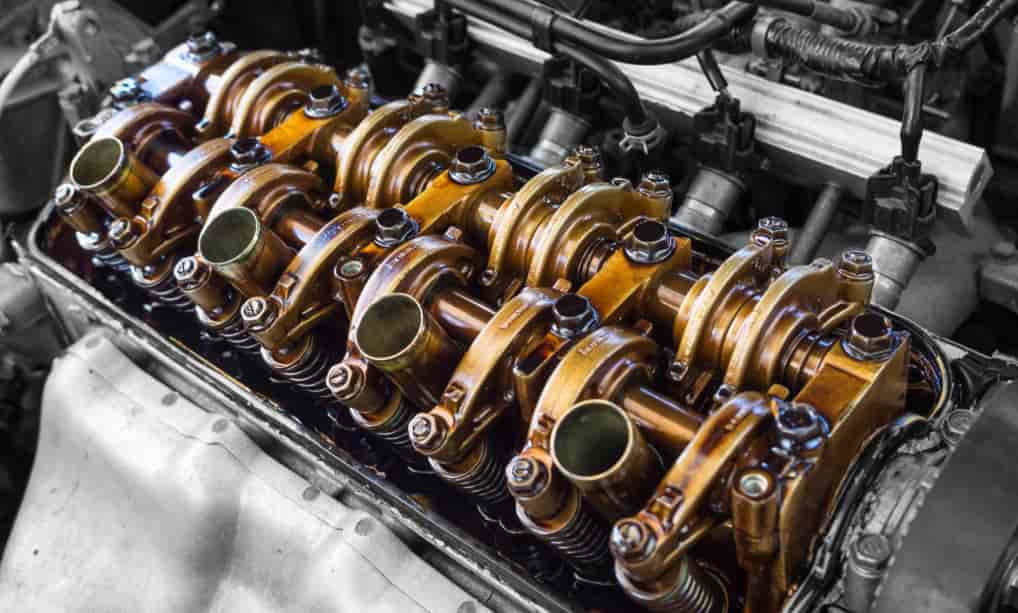
WHAT IS CYLINDER DEACTIVATION AND HOW IT WORKS
Cylinder deactivation is a fuel saving technology used in modern combustion engines. It allows an engine to shut down selected cylinders when full power is not needed. The engine then runs on fewer cylinders during light driving conditions.
Manufacturers use this system to improve fuel economy and reduce emissions. The engine switches between full cylinder mode and reduced cylinder mode based on driving demand. When the driver accelerates, the system reactivates all cylinders to restore full power.
This technology appears in several major systems. General Motors uses Active Fuel Management. Chrysler uses Multi Displacement System. Honda uses Variable Cylinder Management. Each system follows the same principle but uses different control methods.
Active Fuel Management works by deactivating valve lifters in selected cylinders. The engine control unit sends signals to control oil pressure and valve timing. This stops fuel injection and air intake in those cylinders.
Multi-Displacement System operates in a similar way. It disables cylinder operation during low load driving. The system then reactivates cylinders when more torque is needed.
Variable Cylinder Management uses a more advanced switching strategy. It adjusts cylinder operation based on speed, load, and throttle input.
The main goal of cylinder deactivation is efficiency. However, the system depends on precise hydraulic and electronic control. Small errors in timing or oil pressure can create performance issues.
Over time, repeated switching between modes creates mechanical stress. This stress affects lifters, oil channels, and sensor response. These factors lead directly to Cylinder Deactivation Problems in many engines.
CAUSES OF CYLINDER DEACTIVATION PROBLEMS
Cylinder Deactivation Problems usually start from a combination of mechanical wear, oil system issues, and electronic control failures. The system depends on precise coordination between hydraulics, sensors, and the engine control unit. When any of these elements work incorrectly, engine performance becomes unstable and long term reliability decreases.
One of the main causes is lifter failure. The system uses hydraulic lifters to deactivate and reactivate cylinders during different driving conditions. Over time, these lifters wear out or become sticky. When this happens, the engine produces ticking noise and may misfire during cylinder switching. This issue often becomes worse as mileage increases.
Oil quality and oil pressure also play a critical role. Dirty oil or incorrect oil viscosity reduces hydraulic efficiency inside the engine. Poor lubrication slows down lifter response and blocks small oil passages. This creates unstable switching between active and deactivated cylinder modes and directly contributes to Cylinder Deactivation Problems in many engines.
Faulty solenoids are another common cause. These components control oil flow based on signals from the engine control unit. When solenoids fail, oil delivery becomes inconsistent. Drivers may feel hesitation, vibration, or rough engine behavior during acceleration or cruising.
The engine control unit itself can also create problems. Software errors or incorrect sensor data may lead to wrong activation timing. This causes the system to switch cylinders at the wrong moment, which reduces smoothness and efficiency.
Carbon buildup inside the engine further increases the risk of failure. Deposits restrict airflow and reduce valve performance, especially in vehicles that operate under short trip conditions. Over time, this buildup increases stress on the system and worsens overall reliability.
SYMPTOMS OF CYLINDER DEACTIVATION PROBLEMS
Cylinder Deactivation Problems often show clear warning signs before serious engine damage occurs. Most drivers notice these symptoms gradually, which makes early diagnosis difficult. The system may still function, but performance becomes inconsistent and less smooth over time.
One of the most common symptoms is engine ticking or tapping noise. This sound usually comes from worn or stuck hydraulic lifters. The noise becomes more noticeable during idle or low speed driving. It indicates that the cylinder switching process does not work smoothly.
Another frequent symptom is rough idle. The engine may vibrate more than normal when stopped or moving at low speed. This happens because cylinders do not activate or deactivate at the correct time. The imbalance affects engine stability and comfort.
Drivers also experience misfire warnings on the dashboard. The engine control unit detects incorrect combustion in one or more cylinders. This often triggers check engine lights with codes related to cylinder misfire such as P0300 series errors. These warnings should not be ignored.
In many cases, fuel consumption also increases instead of decreasing. The system fails to operate efficiently, so the engine uses more fuel than expected. This defeats the main purpose of cylinder deactivation technology.
Oil consumption may also rise. Worn components allow oil to pass into areas where it should not be used. Over time, this leads to lower oil levels and more frequent top ups.
Some drivers notice hesitation or power loss during acceleration. The engine struggles to switch between active and deactivated modes. This delay reduces performance and makes driving feel less responsive.
These symptoms often appear in systems like Active Fuel Management when internal components begin to wear. Early detection of these signs helps prevent more serious Cylinder Deactivation Problems and costly engine repairs.
PROVEN FIXES AND REPAIR SOLUTIONS
Cylinder Deactivation Problems require a combination of mechanical repair, system tuning, and proper maintenance to restore engine performance. The right solution depends on the severity of the issue and the condition of internal engine components.
One of the most effective solutions is lifter replacement. When hydraulic lifters fail or stick, the engine cannot switch cylinders correctly. Mechanics replace damaged lifters to restore proper valve operation. This repair often solves ticking noise and misfire issues.
Another common solution is an AFM system delete or disable option. Many drivers choose to remove the system completely to avoid future failures. This approach stops cylinder switching and forces the engine to run in full cylinder mode at all times. It improves reliability but reduces fuel economy benefits.
Proper engine oil maintenance also plays a key role. High quality synthetic oil improves lubrication and stabilizes hydraulic pressure. Regular oil changes prevent sludge buildup and keep oil passages clean. This reduces stress on internal components and improves long term performance.
In some cases, technicians reprogram the engine control unit. ECU tuning adjusts how the system activates and deactivates cylinders. This can reduce switching frequency and improve smoothness during operation. It also helps correct software related errors.
Solenoid replacement is another repair option. Faulty solenoids disrupt oil flow and cause inconsistent cylinder activation. Replacing them restores proper hydraulic control inside the engine.
Carbon cleaning is also important. Removing deposits from intake valves and combustion chambers improves airflow. This helps the engine operate more efficiently and reduces stress on the system.
These repair methods directly target failures found in systems like Multi-Displacement System and similar technologies. When applied correctly, they significantly reduce Cylinder Deactivation Problems and restore stable engine performance.
COST AND LONG-TERM RELIABILITY IMPACT
Cylinder Deactivation Problems can significantly affect both repair costs and long term engine reliability. When the system starts to fail, small issues often develop into expensive repairs if not addressed early. Many drivers underestimate the financial impact of these problems.
One of the most expensive repairs is lifter replacement. This job requires partial engine disassembly. Labor costs are high because technicians need to access internal components. Depending on the engine type, total repair costs can range from moderate to very high. In severe cases, full engine rebuild may be required.
Oil system damage also increases long term costs. Poor lubrication leads to wear in multiple engine components. Once damage spreads, repairing only one part is not enough. This increases the total cost of ownership over time.
Vehicles with systems like Active Fuel Management often face higher repair risk as mileage increases. The repeated switching between cylinder modes creates long term stress on lifters, valves, and oil passages. This accelerates mechanical wear compared to traditional engines without cylinder deactivation.
Fuel savings are often the main reason drivers accept this technology. However, these savings may not balance out repair costs in the long run. When failures occur, owners may spend more on repairs than they save on fuel.
Resale value can also decrease. Buyers often avoid vehicles known for cylinder deactivation issues. This reduces market demand and lowers overall vehicle value.
In addition, repeated small repairs such as solenoid replacement, oil system cleaning, and ECU tuning add up over time. These maintenance costs may seem minor individually but become significant in the long term.
Overall, Cylinder Deactivation Problems affect both reliability and ownership cost. Without proper maintenance, the system can reduce engine lifespan and increase total repair expenses.
PREVENTION STRATEGY
Cylinder Deactivation Problems can often be reduced or delayed with proper maintenance habits and careful driving behavior. Prevention focuses on keeping the engine clean, stable, and properly lubricated so the system can operate without stress.
One of the most important steps is using high quality engine oil. Synthetic oil helps maintain stable viscosity and improves hydraulic response inside the engine. Regular oil changes also prevent sludge buildup. Clean oil passages allow lifters and solenoids to work correctly during cylinder switching.
Driving habits also play a major role. Short trips increase engine stress because the engine does not reach optimal operating temperature. This leads to carbon buildup and uneven lubrication. Longer driving cycles help stabilize engine temperature and reduce internal deposits.
Routine inspection is also important. Mechanics can detect early signs of lifter noise, oil pressure issues, or sensor errors before they become serious failures. Early diagnosis helps avoid expensive repairs later.
Software updates for the engine control unit can also improve system stability. Manufacturers sometimes release updates to correct timing errors and improve switching logic. Keeping the system updated reduces the risk of malfunction.
These prevention methods are especially important in systems like Multi-Displacement System where frequent cylinder switching creates mechanical stress over time.
With proper care, drivers can extend engine life and reduce the likelihood of Cylinder Deactivation Problems significantly.
CONCLUSION
Cylinder Deactivation Problems are a common issue in modern fuel efficient engines. These systems help reduce fuel consumption but also introduce mechanical complexity. Over time, this complexity can lead to lifter failure, oil pressure issues, and electronic control errors.
Understanding the causes helps drivers prevent serious damage. Most problems start with small symptoms such as ticking noise, rough idle, or increased oil consumption. Ignoring these signs often leads to expensive repairs.
Proper maintenance, high quality oil, and timely repairs can greatly improve engine reliability. In many cases, early action prevents major failures and extends engine lifespan.
While cylinder deactivation technology improves fuel economy, it requires careful maintenance to remain reliable. Drivers who understand how the system works can reduce risks and avoid costly breakdowns.