When a driver sees the message “Condition Not Correct for Shift Message” on the dashboard, it can cause immediate confusion and concern. This warning often appears in vehicles with automatic transmission systems. These systems rely on sensors and electronic control units to manage gear shifting.
The message usually indicates a problem in the shifting conditions. The Transmission Control Module detects that something is not correct for safe gear changes. It then blocks or limits shifting to protect the transmission system. This may result in the vehicle refusing to shift gears, staying in park or neutral, or entering limp mode.
This issue can come from different sources. A faulty brake pedal switch may fail to send the correct signal. A gear position sensor may send incorrect data. Low or dirty transmission fluid can also affect shifting performance. In some cases, the problem comes from the ECU or wiring communication errors between systems.
Drivers often feel stressed when this warning appears because it affects normal driving. The vehicle may lose performance or become difficult to control in traffic. In serious cases, the car may reduce power to prevent further damage to the gearbox.
Understanding this warning is important because it helps you react correctly. You can avoid unnecessary damage and reduce repair costs if you identify the issue early. This article explains the meaning of “Condition Not Correct for Shift Message,” the main causes, and practical steps to fix it safely.
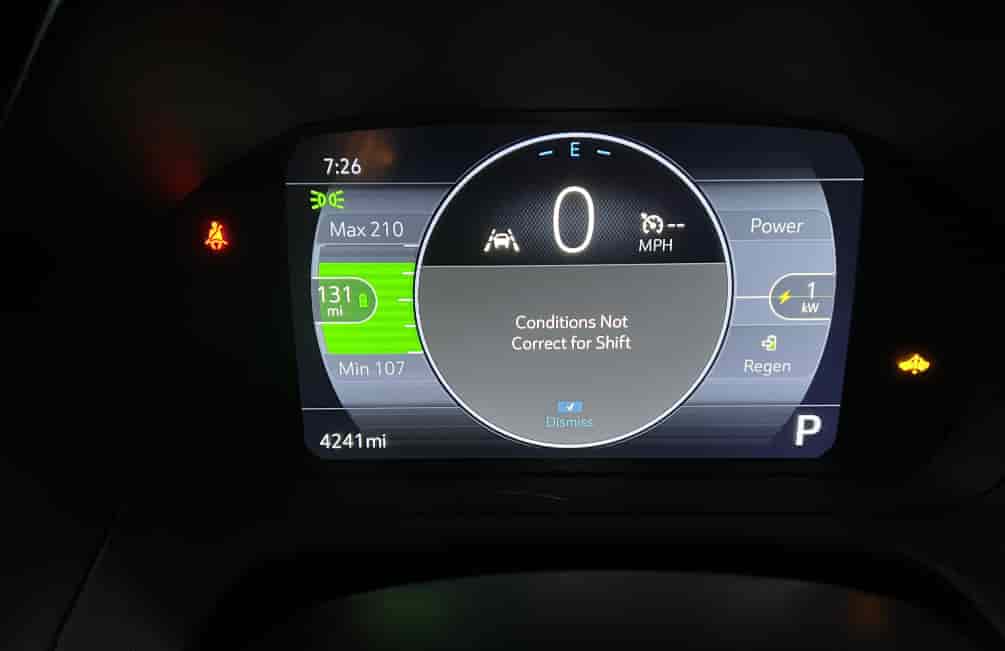
Meaning of “Condition Not Correct for Shift Message”
The message “Condition Not Correct for Shift Message” comes from the vehicle’s automatic transmission control system. It appears when the system detects that shifting conditions are not safe or not properly met. This warning is closely related to the operation of the Transmission Control Module and the vehicle’s electronic control unit, which work together to manage gear changes.
In a modern automatic transmission system, gear shifting is not only mechanical. It depends heavily on electronic signals from multiple sensors. These sensors monitor brake pedal position, gear lever position, engine speed, and transmission fluid conditions. When all signals match the required conditions, the system allows smooth gear shifting.
When one or more signals are incorrect, the system prevents the shift. This is where the warning message appears. The system prioritizes safety and protects the gearbox from damage. For example, if the brake pedal signal is not detected, the vehicle will not allow shifting out of park. If the gear position sensor sends inconsistent data, the system may block shifting entirely.
This message does not always mean the transmission is physically broken. In many cases, it indicates a communication or sensor issue. However, it still affects driving because the vehicle may not respond to gear changes correctly. Some vehicles may also enter limp mode to reduce performance and limit further risk.
Understanding this meaning helps drivers avoid misdiagnosis. Instead of assuming a major mechanical failure, it is important to consider both electronic and mechanical causes. This allows a more accurate and efficient troubleshooting process before moving to repairs.
Common Causes of “Condition Not Correct for Shift Message”
The “Condition Not Correct for Shift Message” warning can come from several different sources. Most causes are related to the interaction between electronic systems and the automatic transmission. Identifying the correct cause is important because it helps avoid unnecessary repairs and reduces diagnostic time.
One of the most common causes is a faulty brake pedal switch. The transmission system requires a clear signal that the brake pedal is pressed before allowing gear changes. If this switch fails or sends an unstable signal, the system blocks shifting for safety reasons.
Another frequent issue involves the gear position sensor. This sensor tells the control module the exact position of the gear lever. When it sends incorrect or inconsistent data, the system cannot confirm the current gear state, so it prevents shifting.
Low or contaminated transmission fluid is also a major factor. Automatic transmission systems depend on proper hydraulic pressure. When fluid levels drop or the fluid becomes dirty, shifting performance becomes unstable. This can trigger warning messages and lead to delayed or blocked gear changes.
Electrical problems can also cause the issue. Damaged wiring, loose connectors, or poor communication between the Transmission Control Module and the ECU may interrupt normal signal flow. When this happens, the system cannot verify safe shifting conditions.
In some cases, internal transmission wear is the root cause. Worn clutches, damaged valve bodies, or mechanical failures inside the gearbox can affect shifting performance. These issues are more serious and usually require professional repair.
Driver behavior can also contribute. Not pressing the brake pedal properly or attempting to shift in incorrect conditions may trigger the warning. While this is less common, it still plays a role in some cases.
Symptoms and Warning Signs
When the “Condition Not Correct for Shift Message” appears, the vehicle usually shows several clear symptoms. These signs help drivers identify that the automatic transmission system is not operating under normal conditions.
One common symptom is difficulty shifting gears. The gear lever may feel stuck, especially when trying to move out of park or neutral. In some cases, the vehicle does not respond even when the driver presses the brake pedal correctly.
Another frequent sign is delayed or inconsistent gear engagement. The vehicle may take longer than usual to shift, or it may shift abruptly without smooth transition. This happens when the transmission system receives unstable or incomplete sensor signals.
Many vehicles also show a dashboard warning light along with the message. This indicates that the Transmission Control Module has detected an abnormal condition in the shifting system. The warning light often stays on until the issue is resolved.
Limp mode activation is another serious symptom. In this mode, the vehicle reduces engine power and limits gear usage. This is a protective function designed to prevent further damage to the gearbox. The car may feel weak and slow, especially during acceleration.
Some drivers also notice unusual engine behavior. The engine may rev higher than normal without proper power transfer to the wheels. This happens when the transmission fails to engage gears correctly.
In certain cases, the vehicle may refuse to move entirely. This usually indicates a more severe issue involving sensors, electrical systems, or internal transmission components.
Recognizing these symptoms early is important. It helps prevent further damage and allows faster diagnosis before the problem becomes more expensive to repair.
Is It Dangerous? Risk Analysis
The “Condition Not Correct for Shift Message” is not just a simple warning. It can indicate a problem that affects both vehicle performance and driving safety. The level of danger depends on the root cause and how the vehicle behaves after the warning appears.
In many cases, the system limits vehicle performance through limp mode. This reduces speed and restricts gear shifting to protect the transmission. While this safety function helps prevent severe damage, it can still create risk in real driving situations, especially in traffic or on highways where acceleration is important.
A key safety concern is loss of proper gear control. If the transmission fails to shift correctly, the vehicle may respond slowly or unpredictably. This can make overtaking, merging, or stopping more difficult. Drivers may feel reduced control over the vehicle’s behavior.
In more serious cases, the vehicle may refuse to move or suddenly stay in a fixed gear. This can create a dangerous situation if it happens in the middle of traffic. The driver may struggle to reach a safe location.
Although the warning does not always mean immediate transmission failure, ignoring it can increase long term risk. A small sensor or electrical issue can develop into a larger gearbox problem if not addressed early. This can lead to expensive repairs or complete transmission replacement.
For safety reasons, it is important to treat this warning seriously. Even if the car still runs, continued driving without diagnosis can increase the chance of sudden breakdown. A proper inspection helps ensure both vehicle safety and driver control are maintained.
Step-by-Step Fix Guide
Fixing the “Condition Not Correct for Shift Message” depends on identifying whether the issue comes from sensors, electronics, fluid condition, or internal transmission components. A structured approach helps narrow down the problem effectively.
The first step is to perform basic checks. Start the vehicle again and observe if the message disappears. Make sure the brake pedal is pressed firmly when shifting. Many vehicles require a clear brake signal before allowing gear changes. Also check if the gear lever moves normally or feels stuck.
The second step is to inspect the brake pedal switch. This component sends a signal to the transmission system that the brake is engaged. If the switch is faulty, the system will block shifting. Replacing or adjusting this switch often resolves the issue in simple cases.
The third step is to check transmission fluid condition. Low or dirty fluid can cause unstable hydraulic pressure inside the gearbox. If the fluid level is low, it should be refilled with the correct type. If the fluid is dark or contaminated, a full replacement is recommended.
The fourth step involves electrical system checks. Loose wiring, damaged connectors, or communication errors between the Transmission Control Module and ECU can trigger the warning. A diagnostic scan tool can help detect these faults accurately.
The fifth step is to reset the system if no mechanical issues are found. Disconnecting the battery for a short period can sometimes reset electronic control units. However, this should only be done after confirming there is no serious mechanical failure.
If the problem continues after these steps, professional diagnosis is required. A mechanic can use advanced scanning tools to check sensors, valve bodies, and internal transmission components. This is important because internal gearbox damage cannot be fixed with basic troubleshooting.
Repair Cost Overview
The cost to fix the “Condition Not Correct for Shift Message” can vary widely depending on the root cause of the problem. Some issues are simple and inexpensive, while others involve major transmission repairs.
If the issue comes from a faulty brake pedal switch, the repair cost is usually low. This component is relatively simple to replace and does not require complex labor. In many cases, it is one of the cheapest fixes related to this warning.
When the problem is caused by transmission fluid issues, the cost depends on whether a simple refill or full replacement is needed. A basic fluid top-up is affordable, but a full transmission fluid change costs more due to labor and the price of specialized fluid.
If the issue involves sensors such as the gear position sensor, the cost increases. These parts require proper calibration after replacement. Labor and diagnostic scanning also add to the total expense.
Electrical system problems can be more expensive to repair. Wiring issues or communication faults between the Transmission Control Module and the ECU require detailed diagnostics. The cost depends on how difficult it is to locate and fix the faulty connection.
The most expensive cases involve internal transmission damage. Problems such as worn clutches, valve body failure, or gearbox internal wear may require partial or full transmission rebuild. This type of repair is significantly more costly than sensor or fluid related issues.
Overall, repair costs can range from low maintenance expenses to very high replacement costs depending on severity. Early diagnosis is important because it helps prevent small issues from developing into major transmission failures.
Prevention Tips
Preventing the “Condition Not Correct for Shift Message” is possible with proper vehicle care and correct driving habits. Most causes of this warning are related to maintenance neglect or sensor and transmission wear over time.
One of the most important steps is regular transmission fluid maintenance. Automatic transmission systems depend on clean fluid to maintain hydraulic pressure and smooth gear shifting. Drivers should check fluid levels periodically and replace the fluid according to the manufacturer’s schedule. Dirty or low fluid is a common trigger for shifting errors.
Another key factor is proper use of the brake pedal when shifting gears. The system requires a stable brake signal before allowing gear changes. Pressing the brake firmly and fully helps ensure the signal is detected correctly by the control module.
Avoiding aggressive driving also helps protect the transmission system. Sudden acceleration, frequent hard braking, and improper gear shifting can increase wear on internal components. Over time, this can lead to sensor errors or mechanical failure.
Regular diagnostic checks are also recommended. Modern vehicles rely heavily on electronic control systems. A periodic scan can detect early faults in sensors, wiring, or the Transmission Control Module before they become serious problems.
It is also important to respond quickly when warning signs first appear. Ignoring early symptoms can turn a small issue into a major transmission failure. Early maintenance is always more cost effective than major repairs.
By following these preventive steps, drivers can significantly reduce the risk of encountering the “Condition Not Correct for Shift Message” and maintain stable, safe vehicle performance over time.
Conclusion
The “Condition Not Correct for Shift Message” is an important warning in modern automatic transmission systems. It signals that the vehicle has detected unsafe or incorrect conditions for gear shifting. While it does not always indicate a serious mechanical failure, it should never be ignored because it directly affects driving performance and safety.
This message can appear due to several causes. Common reasons include a faulty brake pedal switch, malfunctioning sensors, low or contaminated transmission fluid, electrical communication issues, or internal gearbox wear. In some cases, simple driver-related factors can also trigger the warning. Because the system depends on both mechanical and electronic signals, even a small fault can disrupt normal shifting behavior.
Understanding the symptoms helps drivers react early. Signs such as gear shifting delays, limp mode activation, warning lights, or complete shifting failure indicate that the transmission system is not operating correctly. Early recognition of these signs reduces the risk of severe damage.
Fixing the issue requires a step-by-step approach. Basic checks, sensor inspection, fluid maintenance, and electrical diagnostics can solve many common cases. However, if the problem continues, professional diagnosis is necessary to prevent further damage to the transmission system.
Prevention is always more effective than repair. Regular maintenance, correct driving habits, and timely inspections help maintain transmission health and reduce the chance of this warning appearing.
In conclusion, this error message is a protective signal from your vehicle. Responding to it quickly and correctly ensures safer driving, lower repair costs, and longer transmission lifespan.