The 1.4 Ecotec engine is widely used in many compact vehicles, especially Chevrolet models. It is known for good fuel efficiency and turbocharged performance. However, as the engine ages or gains mileage, many drivers start to notice different performance issues. These problems can reduce reliability and affect daily driving comfort.
Understanding 1.4 Ecotec engine problems helps you detect issues early. Early detection also helps you avoid expensive repairs later. Most drivers first notice signs such as rough idling, loss of power, higher oil use, or warning lights on the dashboard. At first, these symptoms may seem unrelated. However, they usually come from a few common engine faults.
Typical causes include turbocharger wear, ignition system failure, timing chain wear, and cooling system problems. Each issue affects engine performance in a different way. Some reduce power output. Others increase fuel or oil consumption. In some cases, they can even lead to serious engine damage if ignored.
This guide explains the most important 1.4 Ecotec engine problems in a clear and practical way. You will learn what symptoms to watch for and what causes them. You will also see proven fixes that mechanics commonly use. This helps you understand your vehicle better and make smarter repair decisions.
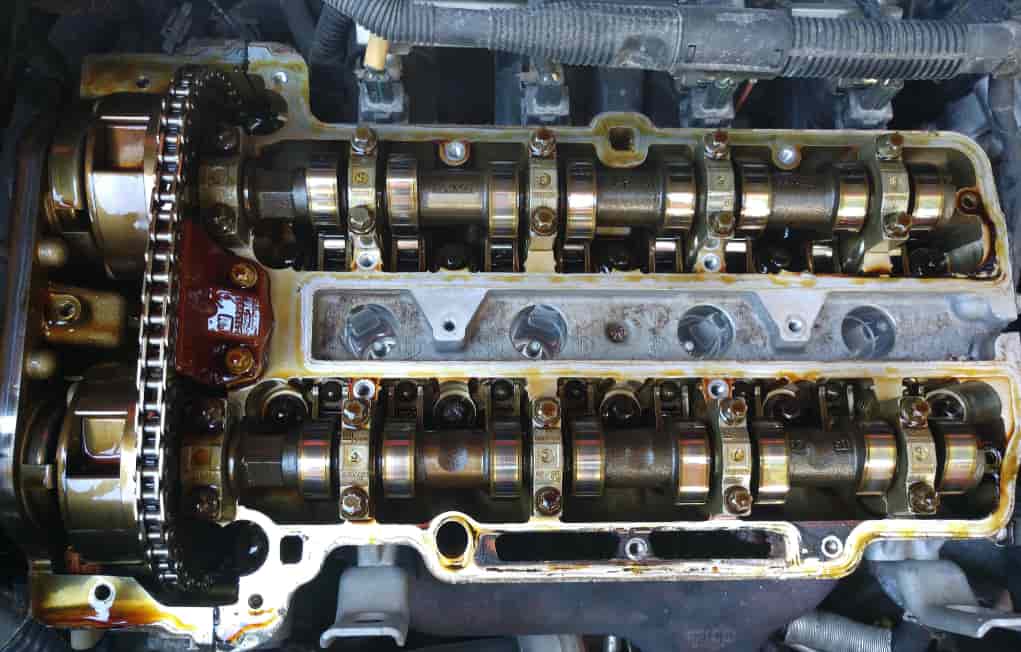
Common 1.4 Ecotec Engine Problems Overview
The 1.4 Ecotec engine can deliver good performance when it is well maintained. However, over time, several common problems may appear. These issues often develop gradually, so many drivers do not notice them early.
One of the most reported 1.4 Ecotec engine problems is excessive oil consumption. The engine may burn more oil than normal due to worn piston rings or valve seals. When this happens, the oil level drops faster than expected. If the driver ignores it, engine wear can increase quickly.
Another frequent issue is turbocharger failure. The turbo helps increase engine power, but it also operates under high pressure and heat. Over time, the turbo can lose efficiency or fail completely. Drivers often notice reduced acceleration or a loss of boost pressure.
Ignition system problems also occur in many cases. Faulty spark plugs or ignition coils can cause engine misfires. This leads to rough idling, vibration, and poor fuel economy. In some situations, the check engine light appears on the dashboard.
Timing chain wear is another important concern. When the timing chain stretches, the engine may produce a rattling noise during startup. If the problem continues, it can affect engine timing and cause serious damage.
Cooling system issues also contribute to engine trouble. A failing thermostat or leaking coolant system can cause overheating. High engine temperature increases the risk of internal damage.
These common 1.4 Ecotec engine problems often connect to each other. One issue can lead to another if not repaired early. Regular maintenance helps reduce the risk and keeps the engine stable for a longer time.
1.4 Ecotec Engine Misfire Causes and Symptoms
Engine misfire is one of the most noticeable 1.4 Ecotec engine problems. It happens when the combustion process in one or more cylinders fails to work correctly. This issue directly affects engine smoothness and performance.
Drivers often feel engine vibration when misfire occurs. The car may shake at idle or during acceleration. Fuel consumption also increases because the engine cannot burn fuel efficiently. In many cases, the check engine light turns on to warn the driver.
Several causes can lead to engine misfire in the 1.4 Ecotec engine. A common reason is a faulty ignition coil. When the coil fails, it cannot deliver enough voltage to the spark plug. This weakens or stops combustion in the cylinder.
Worn or dirty spark plugs are another frequent cause. Spark plugs lose performance over time. When they cannot create a strong spark, the engine starts to misfire. This problem often appears in older vehicles or cars with poor maintenance history.
Fuel delivery issues can also trigger misfire. A clogged fuel injector may not supply enough fuel to the cylinder. This creates an imbalance in the air fuel mixture. As a result, the engine runs unevenly.
In some cases, vacuum leaks contribute to the problem. Extra air enters the engine without proper control. This disrupts the combustion process and leads to unstable engine behavior.
Fixing misfire early is important. If ignored, it can damage the catalytic converter and increase repair costs. Regular inspection of ignition components and fuel system helps prevent this issue.
1.4 Ecotec Turbo Problems: Symptoms and Fixes
Turbocharger issues are among the most serious 1.4 Ecotec engine problems. The turbo plays an important role in increasing engine power and efficiency. When it fails, the engine loses performance quickly and becomes less responsive.
One of the first symptoms is a clear drop in acceleration. The vehicle may feel slow even when you press the gas pedal harder. This happens because the turbo cannot generate enough boost pressure.
Another common sign is unusual noise from the engine bay. Drivers may hear a whining or whistling sound during acceleration. This often indicates worn turbo bearings or internal damage.
Oil leaks can also appear around the turbo system. The turbo operates under high heat and pressure, so seals can wear out over time. When oil leaks into the intake system, it can cause smoke from the exhaust.
Boost pressure loss is another critical symptom. The engine may enter limp mode to protect itself. In this state, power output is significantly reduced.
Several factors cause turbo problems in the 1.4 Ecotec engine. Poor oil quality or delayed oil changes is one of the main reasons. The turbo depends heavily on clean oil for lubrication and cooling.
Another cause is carbon buildup inside the turbo system. This buildup restricts airflow and reduces efficiency. Over time, it leads to overheating and mechanical wear.
In some cases, wastegate failure affects turbo control. When the wastegate does not open or close properly, boost pressure becomes unstable.
Fixing turbo problems depends on early diagnosis. Minor issues like oil contamination or carbon buildup can sometimes be cleaned. However, severe damage often requires turbo replacement. Regular oil changes and proper engine maintenance help prevent most of these failures.
Why the 1.4 Ecotec Engine Consumes Too Much Oil
Oil consumption is one of the most common 1.4 Ecotec engine problems. Many drivers notice that the engine loses oil faster than expected. In some cases, the oil level drops between regular maintenance intervals without any visible leak.
One major cause is worn piston rings. Piston rings help seal the combustion chamber and control oil flow. When they wear out, oil can enter the combustion chamber and burn during operation. This leads to higher oil consumption and visible exhaust smoke in some cases.
Another cause is worn valve seals. Valve seals prevent oil from leaking into the cylinders through the valves. When these seals become hard or damaged, oil slowly enters the combustion process. This increases oil usage over time.
Driving habits can also make the problem worse. Frequent short trips prevent the engine from reaching optimal temperature. This leads to incomplete combustion and more oil residue inside the engine.
Turbocharged versions of the 1.4 Ecotec engine can also consume more oil. The turbo system uses engine oil for lubrication and cooling. If the turbo seals wear out, oil may leak into the intake system.
Low quality engine oil or extended oil change intervals increase the risk as well. Dirty oil loses its protective ability. This allows faster wear of internal components and increases oil burning.
Fixing oil consumption depends on the root cause. Minor issues may improve with proper maintenance and correct oil grade. However, severe cases often require mechanical repair such as replacing piston rings or valve seals. Regular oil checks help detect the problem early and reduce long term engine damage.
Timing Chain Problems in 1.4 Ecotec Engine
Timing chain issues are another serious group of 1.4 Ecotec engine problems. The timing chain controls the synchronization between the crankshaft and camshaft. When it does not work correctly, engine performance becomes unstable and unpredictable.
One of the first symptoms is a rattling noise during engine startup. This noise often comes from the front of the engine. It usually appears when the timing chain becomes loose or stretched over time.
Another sign is poor engine performance. The engine may feel weak during acceleration. In some cases, fuel efficiency also decreases. This happens because the engine timing is no longer precise.
A more severe symptom is engine misalignment. When the timing chain stretches too much, the engine valves and pistons do not move in perfect sync. This can lead to rough operation and potential internal damage.
One main cause of timing chain problems is normal wear over high mileage. Even though timing chains are designed to last longer than belts, they still stretch over time. Poor oil maintenance accelerates this wear.
Low oil pressure also contributes to the problem. The timing chain system relies on proper lubrication. When oil flow is insufficient, chain tensioners may fail to maintain correct tension.
In some cases, faulty chain tensioners or guides are responsible. These components keep the chain stable. When they wear out, the chain becomes loose and noisy.
Fixing timing chain issues requires careful inspection. Minor stretching may be corrected by replacing tensioners or guides. However, severe wear often requires full chain replacement. Ignoring this problem can lead to major engine failure, so early diagnosis is critical.
Overheating Issues in 1.4 Ecotec Engine Explained
Overheating is one of the most dangerous 1.4 Ecotec engine problems. When the engine temperature rises too high, it can cause severe internal damage if not handled quickly. Many drivers notice this issue through the temperature gauge or warning light on the dashboard.
One common symptom is the engine temperature rising above normal levels during driving. The vehicle may also lose power when the engine becomes too hot. In some cases, steam may come from under the hood, which signals a serious cooling system failure.
A frequent cause of overheating is low coolant level. Coolant helps regulate engine temperature. When the level drops due to leaks or evaporation, the engine cannot stay within the safe operating range.
Another cause is a faulty thermostat. The thermostat controls coolant flow between the engine and radiator. When it gets stuck closed, coolant cannot circulate properly, leading to rapid temperature increase.
Radiator problems can also lead to overheating. A clogged or damaged radiator reduces cooling efficiency. This prevents heat from being released into the air, causing the engine to overheat.
Water pump failure is another important factor. The water pump circulates coolant through the engine system. When it fails, coolant stops moving, and heat builds up quickly inside the engine.
Driving with overheating conditions can cause serious damage. It may affect the head gasket, cylinder head, or even lead to complete engine failure.
Fixing overheating issues requires checking the cooling system step by step. Mechanics usually inspect coolant levels, thermostat condition, radiator health, and water pump operation. Regular coolant maintenance helps prevent most of these problems and keeps the engine stable.
Are 1.4 Ecotec Engines Reliable Long Term?
The 1.4 Ecotec engine has a mixed reputation for long term reliability. Some drivers report smooth performance for many years when the engine is well maintained. Others experience frequent 1.4 Ecotec engine problems when maintenance is neglected or driving conditions are harsh.
In general, the engine can be reliable if oil changes are done on time. Clean engine oil helps protect internal components such as the turbocharger, timing chain, and piston system. When maintenance is consistent, the engine can deliver stable performance over a long period.
However, reliability decreases when common issues are ignored. Oil consumption problems, turbo failure, and timing chain wear can gradually reduce engine lifespan. These issues often develop slowly, so many drivers do not notice them until performance drops significantly.
Driving style also affects reliability. Frequent short trips, aggressive acceleration, and heavy load driving can increase engine stress. This leads to faster wear of critical components.
Cooling system health is another important factor. Engines that regularly overheat tend to have shorter lifespans. Heat damage can affect seals, gaskets, and internal metal parts.
Overall, the 1.4 Ecotec engine is not considered unreliable, but it is sensitive to maintenance quality. It performs best when owners follow proper service schedules and use correct oil specifications. Without proper care, common engine problems can appear earlier than expected.
For buyers, a well maintained 1.4 Ecotec engine can still be a reasonable choice. However, a poorly maintained one may lead to expensive repairs in the long run.
Cost to Repair 1.4 Ecotec Engine Problems
Repair costs for 1.4 Ecotec engine problems can vary widely depending on the type of issue and how early it is detected. Some minor problems are relatively affordable, while major engine damage can become very expensive.
Basic repairs such as replacing spark plugs or ignition coils usually cost less. These repairs are often needed when engine misfire occurs. Fixing these issues early helps prevent further damage and keeps repair costs low.
Turbocharger repairs are more expensive. If the turbo is only partially damaged, cleaning or minor part replacement may be possible. However, a full turbo replacement can significantly increase the total cost.
Oil consumption problems can also become costly if ignored. When piston rings or valve seals are worn, the repair often requires partial engine disassembly. This increases labor time and overall cost.
Timing chain replacement is another major expense. This repair involves multiple engine components and requires precise work. If the timing chain fails completely, it may also damage other internal parts, increasing repair costs further.
Overheating issues can range from low to high cost depending on the cause. A simple thermostat replacement is inexpensive. However, if overheating damages the head gasket or cylinder head, the repair becomes much more expensive.
Overall, the cost to fix 1.4 Ecotec engine problems depends heavily on early detection. Small issues are affordable to repair. Large engine failures require major investment. Regular maintenance and early diagnosis are the best ways to reduce long term repair expenses.
Conclusion
The 1.4 Ecotec engine offers a balance between performance and fuel efficiency, but it is also known for several common mechanical issues. Understanding these 1.4 Ecotec engine problems helps drivers identify early warning signs and avoid serious damage.
Most problems such as oil consumption, turbo failure, misfire, timing chain wear, and overheating develop gradually. They often start with small symptoms that are easy to ignore. However, if left untreated, these issues can lead to expensive repairs and reduced engine lifespan.
Early diagnosis plays a key role in maintaining engine health. Regular maintenance such as timely oil changes, cooling system checks, and ignition system inspection can significantly reduce the risk of failure. Proper care also helps the engine perform more consistently over time.
It is important for owners and potential buyers to understand how these problems develop and what causes them. This knowledge helps make better decisions when maintaining or purchasing a vehicle equipped with the 1.4 Ecotec engine.
In summary, the engine is not inherently unreliable, but it requires proper attention and maintenance discipline. When cared for correctly, it can still deliver stable performance for many years. When neglected, common issues can appear sooner and become costly.