Is your Chevy Tahoe AC blowing warm air when you need it the most? Few things are more frustrating than driving on a hot day with a weak or failing air conditioning system, especially when you expect a full size SUV like the Tahoe to deliver comfort for every passenger. Many drivers assume the worst and immediately think about expensive repairs, but in reality, the issue is often much simpler.
A low refrigerant level is one of the most common reasons your AC stops cooling properly. Over time, small leaks or natural loss can reduce the system’s efficiency, leaving you with poor airflow and rising cabin temperatures. This is where a proper Chevy Tahoe AC recharge becomes essential.
The good news is that you do not always need a mechanic to fix this problem. With the right tools and a clear understanding of the process, even beginners can safely recharge their AC system at home. This guide is designed to walk you through every step in a simple and practical way, helping you restore cold air quickly while avoiding costly mistakes.
By the end of this article, you will know exactly how to perform a Chevy Tahoe AC recharge, what to watch out for, and how to keep your AC system running efficiently for the long term.
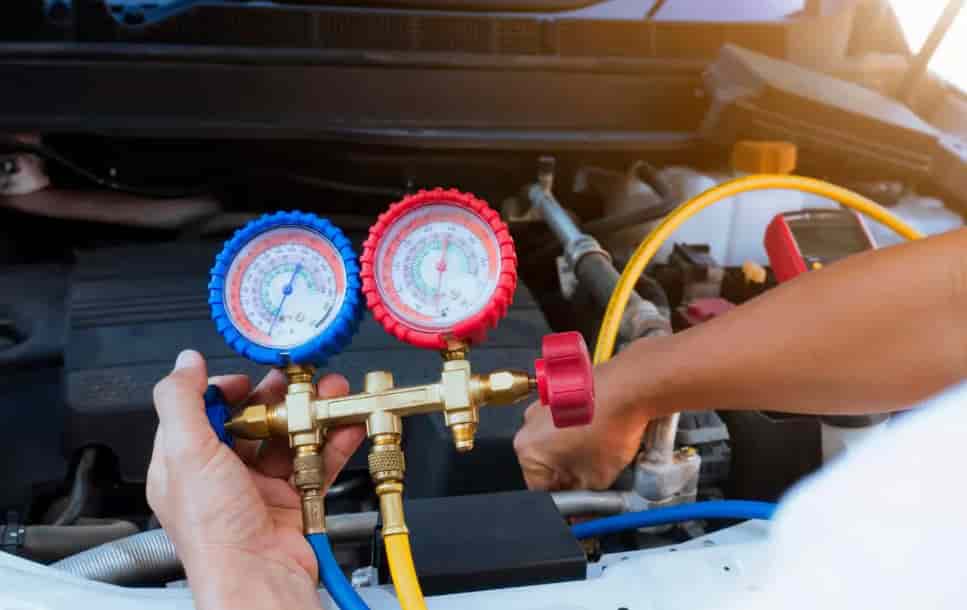
What Is AC Recharge and Why It Matters
Your vehicle’s air conditioning system is not just about comfort. It plays a key role in maintaining a pleasant driving experience, especially during hot weather. At the center of this system is the refrigerant, a special fluid responsible for absorbing heat from inside the cabin and releasing it outside. Without enough refrigerant, the entire cooling process becomes weak or completely ineffective.
A Chevy Tahoe AC recharge is the process of adding refrigerant back into the system when levels drop below the optimal range. This is not the same as a full repair. In many cases, your AC may still function, but it struggles to produce cold air because the refrigerant is too low to complete the cooling cycle efficiently.
To understand why this matters, it helps to know the basics of how the AC system works. The compressor pressurizes the refrigerant, turning it into a high temperature gas. This gas then moves through the condenser, where it releases heat and becomes a liquid. After that, it flows through the evaporator, where it absorbs heat from the cabin and creates the cool air you feel. When refrigerant levels are low, this cycle is disrupted, and cooling performance drops quickly.
Ignoring low refrigerant can lead to bigger problems over time. The compressor may work harder than it should, increasing wear and potentially leading to expensive damage. That is why performing a Chevy Tahoe AC recharge at the right time is not just a quick fix, but also a smart way to protect your vehicle’s long term performance.
Signs Your Chevy Tahoe Needs an AC Recharge
One of the biggest mistakes drivers make is waiting too long to fix a weak air conditioning system. Your Chevy Tahoe will usually give you clear warning signs before the problem becomes serious. Recognizing these early symptoms can save you time, money, and unnecessary discomfort.
The most obvious sign is when the AC starts blowing warm or slightly cool air instead of cold air. This often happens gradually, so you might not notice it right away. At first, the cabin just feels less comfortable than usual. Over time, especially on hot days, the cooling performance drops to the point where the AC becomes almost useless.
Another common symptom is weak or inconsistent airflow temperature. You may notice that the air feels cold at one moment and then suddenly turns warm. This fluctuation usually indicates that the refrigerant level is too low to maintain a stable cooling cycle.
Strange noises can also point to a problem. A hissing sound coming from the AC system may suggest refrigerant escaping from a small leak. In addition, if you hear the compressor turning on and off more frequently than normal, it could mean the system is struggling to maintain pressure.
There are also subtle signs many drivers overlook. For example, your AC might take much longer to cool down the cabin, or it may only feel cold while driving at higher speeds. These issues can make daily commutes uncomfortable and turn long family trips into a frustrating experience.
However, it is important to note that not every AC issue can be solved with a recharge. If there is a significant leak or a faulty component, simply adding refrigerant will not fix the root cause. In those cases, a proper inspection is necessary before performing a Chevy Tahoe AC recharge.
Tools and Materials You Need
Before starting a Chevy Tahoe AC recharge, preparation is key. Having the right tools and materials will make the process smoother, safer, and far more effective. Many beginners run into trouble not because the process is difficult, but because they use incorrect or incomplete equipment.
The most important item you need is an AC recharge kit. This typically includes a refrigerant can and a hose with a built in gauge. The gauge helps you monitor pressure levels in real time, which is critical to avoid overfilling. For most Chevy Tahoe models, you will either use R134a or R1234yf refrigerant, depending on the vehicle’s production year. Always check your owner’s manual or under hood label to confirm the correct type before proceeding.
Safety should never be overlooked. You should wear protective gloves and safety glasses throughout the process. Refrigerant can cause skin irritation or injury if it comes into direct contact, especially when released under pressure. Taking a few simple precautions can prevent unnecessary risks.
There are also a few optional tools that can significantly improve your results. A dedicated pressure gauge set gives you more accurate readings than basic kits. A leak detection tool or UV dye kit can help identify hidden leaks before you recharge the system. This is especially useful if your AC has been losing performance quickly.
Using the wrong refrigerant or skipping essential tools can lead to serious issues, including system damage or poor cooling performance. That is why taking the time to prepare properly is just as important as the recharge process itself. When everything is ready, you can move forward with confidence and perform a Chevy Tahoe AC recharge the right way.
Chevy Tahoe Refrigerant Type and Capacity
Before you begin any Chevy Tahoe AC recharge, you need to know exactly which refrigerant your vehicle uses and how much is required. This is one of the most critical steps in the entire process. Using the wrong type or adding the wrong amount can reduce cooling performance or even damage the AC system.
Chevy Tahoe models use two main types of refrigerant depending on the production year. Older models typically use R134a, while newer models have transitioned to R1234yf, which is more environmentally friendly. The easiest way to confirm this is by checking the label under the hood or consulting your owner’s manual. Never assume the type based on guesswork.
In terms of capacity, most Chevy Tahoe systems require between 1.8 to 2.5 pounds of refrigerant, but this can vary depending on the exact model year and configuration. That is why relying on accurate specifications is essential instead of estimating. Overcharging can increase system pressure and damage components, while undercharging will not restore proper cooling.
Below is a general reference to help you understand the differences:
- Models before 2015 usually use R134a
- Models from 2015 onward may use R1234yf
- Capacity typically ranges from 28 to 40 ounces depending on the system
For best results, always aim to match the factory recommended level as closely as possible. Precision matters when performing a Chevy Tahoe AC recharge, especially if you want consistent cooling and long term reliability.
Taking a few minutes to verify refrigerant type and capacity will save you from costly mistakes and ensure your AC system performs at its best after the recharge.
Step by Step Chevy Tahoe AC Recharge Guide
Now that you understand the basics and have prepared the right tools, it is time to perform the actual Chevy Tahoe AC recharge. Follow each step carefully to ensure safety and achieve the best cooling results. Even if you are a beginner, this process can be straightforward when done correctly.
Start by turning on your engine and setting the air conditioning to maximum cooling. Make sure the fan is running at the highest speed. This allows the system to circulate refrigerant properly during the recharge process. Keep the vehicle in a well ventilated area and open the hood.
Next, locate the low pressure service port. This is where you will connect the recharge kit. It is usually found on the larger diameter AC line and often has a cap marked with an L. Do not confuse it with the high pressure port, as connecting to the wrong one can be dangerous.
Once you find the correct port, remove the cap and connect the recharge hose securely. Before adding any refrigerant, check the current pressure using the gauge. This gives you a baseline and helps you determine how much refrigerant is needed. If the pressure is already within the recommended range, a recharge may not be necessary.
Shake the refrigerant can gently, then begin adding refrigerant slowly. Keep the can upright and squeeze the trigger in short intervals rather than continuously. This controlled approach prevents overfilling and allows the system to stabilize between each addition.
As you add refrigerant, monitor the pressure gauge closely. The goal is to reach the optimal pressure zone indicated on the gauge, not simply to empty the can. Overcharging can increase internal pressure and reduce cooling efficiency, which is a common mistake among beginners.
After reaching the correct level, disconnect the recharge kit and replace the cap on the service port. Let the AC run for a few minutes and check the air temperature inside the cabin. You should notice a significant improvement in cooling performance if the recharge was successful.
Always remember that patience is key during this process. Rushing or skipping steps can lead to poor results or even damage your system. By following this method carefully, you can complete a Chevy Tahoe AC recharge safely and restore your driving comfort without unnecessary expense.
Common Mistakes to Avoid
Even though a Chevy Tahoe AC recharge is a relatively simple process, many beginners make avoidable mistakes that can lead to poor performance or even costly damage. Understanding these common errors will help you recharge your system safely and effectively.
One of the most frequent mistakes is overfilling the system with refrigerant. Many people assume that adding more refrigerant will make the AC colder, but the opposite is often true. Too much refrigerant increases internal pressure, which can reduce cooling efficiency and put unnecessary strain on the compressor. This can eventually lead to expensive repairs.
Another critical mistake is using the wrong type of refrigerant. Chevy Tahoe models are designed for specific refrigerants, either R134a or R1234yf. Mixing or using the incorrect type can damage the system and contaminate internal components. Always double check the correct specification before starting your Chevy Tahoe AC recharge.
Ignoring potential leaks is also a major issue. If your system is losing refrigerant quickly, simply recharging it will not solve the problem. You may get temporary cooling, but the issue will return within days or weeks. In some cases, repeated recharges without fixing leaks can worsen the damage.
Skipping the pressure check is another common oversight. Without monitoring pressure levels, you are essentially guessing how much refrigerant to add. This increases the risk of both undercharging and overcharging, leading to inconsistent cooling results.
Lastly, many beginners rush the process. Adding refrigerant too quickly or not allowing the system to stabilize between steps can result in inaccurate readings and poor performance. Taking your time and following each step carefully is the key to a successful Chevy Tahoe AC recharge.
Avoiding these mistakes will not only improve your results but also extend the life of your AC system, saving you time and money in the long run.
What If AC Still Doesn’t Work After Recharge
Sometimes, even after completing a Chevy Tahoe AC recharge correctly, the system still does not deliver the cold air you expected. This can be frustrating, especially after you have followed every step carefully. In these situations, the issue usually goes beyond low refrigerant and points to a deeper problem within the AC system.
One of the most common causes is a refrigerant leak. If your system was low before the recharge, there is a strong chance that refrigerant escaped through small cracks or worn seals. In this case, the newly added refrigerant may also leak out quickly, causing the AC to lose cooling again. This is why a recharge alone is not always a permanent solution.
Another possible issue is a failing compressor. The compressor is responsible for circulating refrigerant throughout the system. If it is not working properly, even a fully charged system will struggle to produce cold air. You might notice unusual noises or a lack of pressure change when the AC is running.
Electrical problems can also affect performance. Faulty sensors, blown fuses, or damaged wiring can prevent the AC system from operating correctly. These issues are harder to detect without proper diagnostic tools, but they are more common than many drivers realize.
There is also the possibility of a clogged expansion valve or condenser. When airflow or refrigerant flow is restricted, the system cannot complete the cooling cycle efficiently. This leads to weak or inconsistent cooling even after a Chevy Tahoe AC recharge.
If you have gone through the recharge process and the AC still does not improve, it may be time to seek professional help. A certified technician can perform a full inspection, identify hidden issues, and recommend the right repair. While DIY solutions are helpful, knowing when to stop can save you from making the problem worse.
Chevy Tahoe AC Recharge Cost DIY vs Professional
Understanding the cost of a Chevy Tahoe AC recharge helps you decide whether to handle the job yourself or visit a professional service. Both options have their advantages, but the right choice depends on your budget, experience, and the condition of your AC system.
If you choose the DIY approach, the cost is relatively low. A basic AC recharge kit usually ranges from 30 to 80 dollars, depending on the brand and refrigerant type. This makes it an attractive option for beginners who want a quick and affordable solution. However, DIY comes with risks. If you use the wrong refrigerant or overfill the system, you could end up causing more expensive damage.
On the other hand, a professional AC recharge service typically costs between 120 and 300 dollars. This higher price includes proper diagnostics, accurate refrigerant measurement, and often a leak inspection. While it may seem expensive upfront, it can save money in the long run by preventing repeat issues or hidden damage.
Another factor to consider is long term value. A DIY Chevy Tahoe AC recharge works well if your system is in good condition and only needs a minor refill. But if your AC has underlying problems such as leaks or component wear, professional service becomes the safer and more cost effective choice.
In simple terms, DIY is best for quick maintenance and saving money, while professional service is ideal for accuracy, reliability, and peace of mind. Choosing the right option depends on how confident you are and how serious the AC problem is.
How Often Should You Recharge AC
Many drivers wonder how often they should perform a Chevy Tahoe AC recharge. The truth is that there is no fixed schedule like an oil change. Your AC system is designed to be sealed, which means it should not lose refrigerant under normal conditions. However, in real world usage, small losses can occur over time due to wear and aging components.
In most cases, a Chevy Tahoe may need an AC recharge every two to three years. This depends on factors such as driving conditions, climate, and how frequently you use the air conditioning. Vehicles in hotter regions or those that run the AC constantly may experience faster refrigerant loss.
Instead of relying only on time intervals, it is more effective to monitor performance. If you notice that your AC is not as cold as it used to be, takes longer to cool the cabin, or struggles during extreme heat, these are clear signs that a recharge might be needed. Paying attention to these symptoms helps you act early before the problem worsens.
It is also important to understand that frequent recharging is not normal. If you find yourself needing to recharge the system every few months, this usually indicates a leak or another underlying issue. In such cases, continuing to recharge without fixing the root cause will only lead to repeated costs and frustration.
Regular inspection and proper maintenance are the best ways to keep your AC system working efficiently. By staying alert to performance changes, you can perform a Chevy Tahoe AC recharge at the right time and avoid unnecessary repairs.
Conclusion
A properly functioning air conditioning system is essential for comfort, especially when driving a full size SUV like the Tahoe in hot conditions. As you have learned throughout this guide, a Chevy Tahoe AC recharge is often a simple and effective solution when your AC starts losing its cooling power. With the right tools, correct refrigerant, and a careful step by step approach, even beginners can restore cold air without relying on expensive repairs.
At the same time, it is important to understand the limits of a recharge. While adding refrigerant can solve performance issues caused by low levels, it will not fix deeper problems such as leaks, compressor failure, or electrical faults. That is why paying attention to warning signs and avoiding common mistakes is just as important as the recharge process itself.
By following this complete guide, you are now equipped to handle a Chevy Tahoe AC recharge with confidence. You can save money, improve your driving comfort, and extend the life of your AC system by doing it the right way.
If your AC is starting to feel weak or inconsistent, do not wait until it fails completely. Take action early, apply what you have learned, and enjoy a cooler, more comfortable driving experience every time you get behind the wheel.