Finding the Chevy Silverado starter location can be frustrating, especially when your truck will not start. Many owners assume the battery is dead, but a failing starter often causes the problem.
The starter usually sits near the transmission bell housing under the engine. Its position can vary by model year, engine type, and drivetrain. That is why many Silverado owners struggle to locate it during repairs.
Knowing where the starter is located can save time and prevent costly mistakes. It also makes diagnosis easier when you hear clicking noises, experience slow cranking, or face intermittent starting issues.
In this guide, you will learn the exact Chevy Silverado starter location for different models. You will also find replacement tips, troubleshooting steps, and warning signs of starter failure.
Whether you drive a Silverado 1500, 2500HD, or 3500, this guide will help you identify problems faster and repair them with confidence.
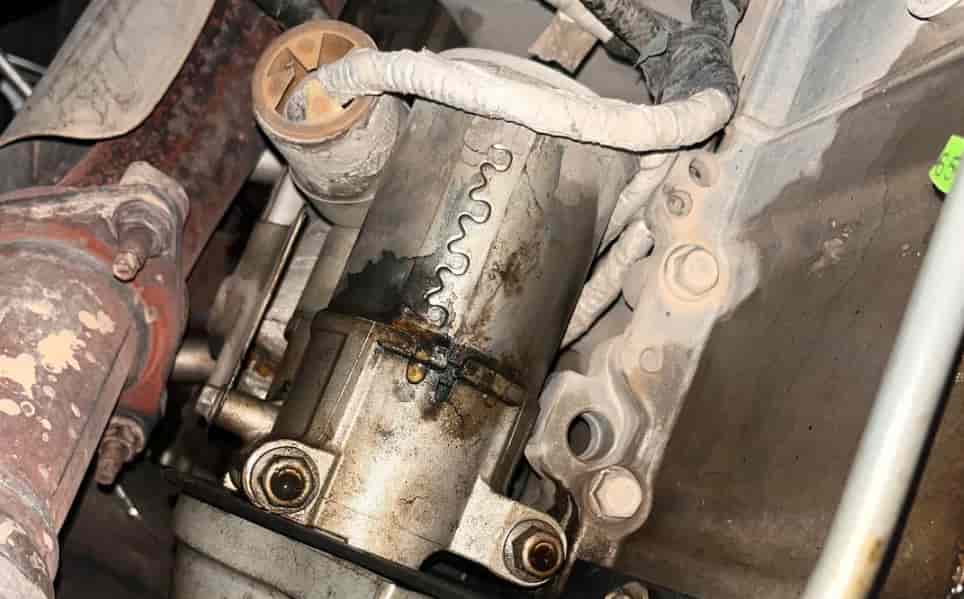
Where Is the Starter Located on a Chevy Silverado?
The Chevy Silverado starter location is typically on the lower side of the engine near the transmission bell housing. This is the area where the engine connects to the transmission, and the starter is mounted there so it can engage the flywheel and crank the engine when you turn the key or press the start button. In most cases, the starter sits on the passenger side of the vehicle and is easier to access from underneath rather than from the engine bay.
On most Silverado models, the starter is a cylindrical electric motor secured with mounting bolts and connected to the battery and ignition system through thick electrical cables. When you inspect the underside of the truck, you can usually identify it by its compact shape and wiring connections. However, nearby parts such as the exhaust system or heat shields can sometimes make it harder to see directly.
The exact Chevy Silverado starter location can vary slightly depending on the model year and engine type. For example, the Silverado 1500 often has more open space around the starter, making it easier to access during repair or replacement. In contrast, Silverado 2500HD and 3500 models may have tighter engine bays due to heavier components, which can limit working space.
Engine type also plays an important role. Smaller engines like the 4.3L V6 usually offer better access, while V8 engines such as the 5.3L or 6.0L may place the starter closer to exhaust parts, making removal more challenging. Despite these differences, the starter is always located near the transmission housing, which is the key reference point for identification.
Understanding the correct location helps you diagnose starting issues faster and avoid confusing the starter with other components in the same area.
How to Access the Starter on a Chevy Silverado
Accessing the Chevy Silverado starter location usually requires working from underneath the truck. The starter sits low near the transmission bell housing. This position allows it to engage the flywheel, but it also makes access difficult.
You should raise the truck safely before starting any work. Use jack stands to secure it. Never rely only on a hydraulic jack. This step gives you enough space to reach the starter.
Before you continue, disconnect the battery. The starter connects directly to the battery cable and ignition system. This reduces the risk of electric shock and short circuits.
Once under the vehicle, locate a cylindrical metal part on the side of the engine. It sits where the engine meets the transmission. That part is the starter motor.
The Chevy Silverado starter location is often blocked by exhaust pipes or heat shields. Some models also have frame parts that limit visibility. A flashlight helps you see more clearly. Basic tools like a socket set and extensions are usually enough for access.
Most technicians work from the passenger side under the truck. This angle gives better visibility of the mounting bolts and wiring. It also reduces the chance of damaging nearby parts like sensors or wiring harnesses.
On Silverado 2500HD and 3500 models, space is tighter. Larger frames and engines reduce working room. Even so, the starter always stays near the transmission housing. This point is the main reference for identification and removal.
Understanding the layout before starting helps you work faster and avoid mistakes during repair or inspection.
How to Replace a Chevy Silverado Starter
Replacing the Chevy Silverado starter location component requires careful preparation and a clear understanding of its position near the transmission bell housing. The starter is responsible for engaging the flywheel and starting the engine, so any failure will prevent the truck from cranking properly.
Before you begin, disconnect the battery to ensure safety. This step is important because the starter is directly connected to the electrical system. Next, raise the vehicle securely and place it on jack stands. This gives you safe access to the underside of the truck.
Once under the vehicle, locate the starter motor. It is a cylindrical unit mounted between the engine and transmission. In most Silverado models, it sits on the passenger side. You may need to remove a heat shield or wiring bracket to reach it clearly.
Start by disconnecting the electrical connections from the starter. Remove the battery cable first, then the smaller ignition wire. After that, remove the mounting bolts that secure the starter to the engine block. Support the unit with your hand while removing the last bolt to prevent it from falling.
Carefully slide the old starter out and compare it with the new one before installation. This ensures you have the correct part for your Chevy Silverado starter location configuration. Install the new starter by reversing the removal steps. Tighten the mounting bolts securely and reconnect the wiring in the correct order.
After installation, lower the vehicle and reconnect the battery. Start the engine to confirm the replacement works correctly. If the engine cranks smoothly, the installation is successful.
Common Signs of a Bad Chevy Silverado Starter
A failing starter can create clear symptoms before it stops working completely. Understanding these signs helps you confirm whether the issue comes from the Chevy Silverado starter location component or another part of the starting system.
One of the most common symptoms is a clicking sound when you turn the key. In this case, the engine does not crank. The sound usually comes from the starter solenoid, which is trying but failing to engage the flywheel. This often points to a worn or weak starter motor.
Another common sign is slow or delayed cranking. The engine may turn over slowly before starting or may struggle to start at all. This can happen when the starter loses internal power or when its electrical contacts become worn.
Some drivers also notice intermittent starting issues. The truck may start normally one time and fail the next. This behavior often indicates that the starter is near failure or has internal electrical damage.
In some cases, you may hear a grinding noise. This happens when the starter gear does not properly engage the flywheel. It can also damage both components if not addressed quickly.
Because the Chevy Silverado starter location is near the transmission housing, these symptoms are often mistaken for battery or alternator problems. However, if the battery is healthy and voltage is stable, the starter becomes the main suspect.
Identifying these warning signs early helps you avoid being stranded and reduces the risk of additional damage to the flywheel or ignition system.
Troubleshooting Chevy Silverado Starter Problems
When your truck refuses to start, you should not assume the starter is the only problem. A proper diagnosis helps confirm whether the issue comes from the Chevy Silverado starter location component or another part of the starting system.
Start by checking the battery. A weak or dead battery often creates symptoms similar to a bad starter. If the dashboard lights are dim or the engine does not crank at all, the battery may be the real cause. You should test the battery voltage before moving forward.
Next, inspect the starter relay and fuse. These small components control power delivery to the starter. If the relay fails, the starter will not receive the signal to engage. This can create a no crank condition even when the starter itself is still working.
You should also check all wiring connections near the Chevy Silverado starter location. Loose or corroded terminals can block electrical flow. This issue often causes intermittent starting problems or complete failure to crank.
If the battery and relay are working correctly, you can test the starter directly. Listen for a clicking sound when turning the key. If you hear clicking but the engine does not crank, the starter may be weak or damaged.
On the other hand, if there is no sound at all, the issue may be electrical or related to the ignition switch. In some cases, tapping the starter lightly while someone turns the key can temporarily trigger engagement, which is a strong sign of internal starter wear.
Careful troubleshooting helps you avoid unnecessary replacement and ensures you fix the real problem the first time.
Chevy Silverado Starter Replacement Cost
The cost to replace a starter depends on the model year, engine type, and labor rates in your area. For most trucks, the Chevy Silverado starter location makes the job moderately difficult, which can affect labor cost at repair shops.
On average, the starter part itself usually costs between moderate to high range depending on OEM or aftermarket quality. OEM parts tend to be more expensive but offer better durability and compatibility. Aftermarket options are cheaper but vary in reliability.
Labor cost also plays a major role. Since the starter is located underneath the vehicle near the transmission bell housing, mechanics need lifting equipment and extra time for access. This increases the total service price compared to easier engine components.
If you choose a dealership, the total replacement cost is usually higher due to labor rates and OEM parts. Independent repair shops often provide a more affordable option while still maintaining good quality service.
Doing a DIY replacement can significantly reduce cost. However, you need proper tools and safe access to the Chevy Silverado starter location. Without experience, the job can become difficult due to tight space and heavy components around the starter.
Additional costs may appear if related issues are found, such as damaged wiring, corroded terminals, or a worn flywheel. These problems can increase total repair expenses.
Understanding the full cost breakdown helps you decide whether to repair it yourself or use a professional service. It also prevents unexpected charges during diagnosis and replacement.
Common Mistakes to Avoid During Starter Replacement
Replacing the starter on a Silverado looks simple, but small mistakes can lead to bigger problems. Because the Chevy Silverado starter location is tight and close to the transmission housing, careful work is important.
One common mistake is not disconnecting the battery. This can cause sparks, short circuits, or damage to electrical components. Always remove the negative terminal before touching the starter.
Another mistake is mixing up the wiring connections. The starter has a main battery cable and a smaller ignition wire. If you connect them incorrectly, the engine may not crank or you may damage the starter.
Some people also forget to support the starter when removing the last bolt. The unit can fall suddenly and damage nearby parts or cause injury. Always hold it in place before fully removing the bolts.
Improper tool use is another issue. The space around the Chevy Silverado starter location is limited, so using the wrong socket size or no extensions can strip bolts or slow down the job.
Installing the wrong starter model is also a frequent problem. Even small differences between engine types or model years can cause fitment issues. Always compare the old and new starter before installation.
Some installers also skip checking surrounding parts. Heat shields, wiring harnesses, or corroded connectors can affect performance even after a new starter is installed.
Avoiding these mistakes helps ensure a smooth replacement process. It also protects the starter system and reduces the chance of repeat repairs or unexpected failures.
Frequently Asked Questions About Chevy Silverado Starter Location
Many Silverado owners have similar questions when dealing with starting problems. Understanding the basics of the Chevy Silverado starter location helps you diagnose issues faster and avoid unnecessary repairs.
Can You Reach the Starter Without Lifting the Truck?
In most cases, you cannot safely reach the starter without lifting the vehicle. The starter sits low near the transmission bell housing. This position makes access difficult from the top of the engine bay. Raising the truck gives you better visibility and working space.
Where Is the Starter Relay Located on a Silverado?
The starter relay is usually located inside the fuse box under the hood. It controls the electrical signal that activates the starter motor. If the relay fails, the starter will not engage even if the motor itself is still working.
How Long Does a Silverado Starter Usually Last?
A starter can last many years under normal driving conditions. However, its lifespan depends on usage, electrical system health, and driving habits. Frequent short trips or weak battery conditions can reduce its lifespan.
Is the Chevy Silverado Starter Location the Same for All Models?
The general location stays similar across most Silverado models. It is always near the transmission housing. However, access difficulty can change depending on engine type and model year. Larger engines or heavy duty versions often have tighter spaces.
What Causes Starter Failure Most Often?
Common causes include worn internal contacts, heat damage, weak battery conditions, or poor electrical connections. Ignoring early symptoms like clicking or slow cranking can also lead to complete failure.
Understanding these questions helps you handle starter problems more confidently and avoid misdiagnosis during repairs.
Conclusion
Understanding the Chevy Silverado starter location is essential when diagnosing no start or hard start issues. In most Silverado models, the starter sits low near the transmission bell housing on the engine. This position stays consistent across many years, but access can vary depending on engine type and truck configuration.
Knowing the exact location helps you avoid confusion with other components like the alternator or wiring harness. It also makes inspection and replacement faster, especially when you notice symptoms such as clicking sounds, slow cranking, or intermittent starting.
Proper troubleshooting is just as important as location. Checking the battery, relay, and wiring first can save you time and prevent unnecessary starter replacement. In many cases, the real issue is not the starter itself but a weak electrical connection or low battery voltage.
When replacement is needed, working carefully around the Chevy Silverado starter location is critical. The space is tight, and mistakes can damage nearby parts or lead to repeated failures. Using the correct tools and following proper steps ensures a safer and more effective repair.
By understanding how the starter is positioned, how it works, and how to diagnose it correctly, you can handle starting issues with more confidence. This knowledge helps you reduce repair costs and keep your Silverado running reliably over time.