Chevy Cruze check engine light codes often appear when the onboard diagnostic system detects engine or emissions problems. These Chevy Cruze check engine light codes help identify issues related to fuel delivery, ignition, airflow, or sensor performance, but they do not always directly point to a failed part.
Many drivers feel confused when the check engine light turns on because the same code can have multiple causes. For example, a lean condition code or misfire code may come from vacuum leaks, faulty sensors, or ignition problems. Understanding these Chevy Cruze check engine light codes is the first step to accurate diagnosis and avoiding unnecessary repairs.
Understanding Chevy Cruze check engine light codes can save time, reduce repair costs, and help prevent small issues from becoming expensive failures. Trouble codes such as P0171, P0420, P0300, and P1101 often appear in Cruze models and each code can reveal problems related to fuel delivery, ignition, sensors, airflow, or the catalytic system. Knowing what these codes mean is the first step toward accurate diagnosis.
Many owners make the mistake of clearing the light without fixing the root cause. Others replace parts based on guesswork and spend far more than necessary. This guide explains the most common Chevy Cruze fault codes, what causes them, how to diagnose them correctly, and what repair solutions usually work. Whether you want to troubleshoot the problem yourself or avoid being overcharged at a repair shop, understanding these engine codes can help you make smarter decisions.
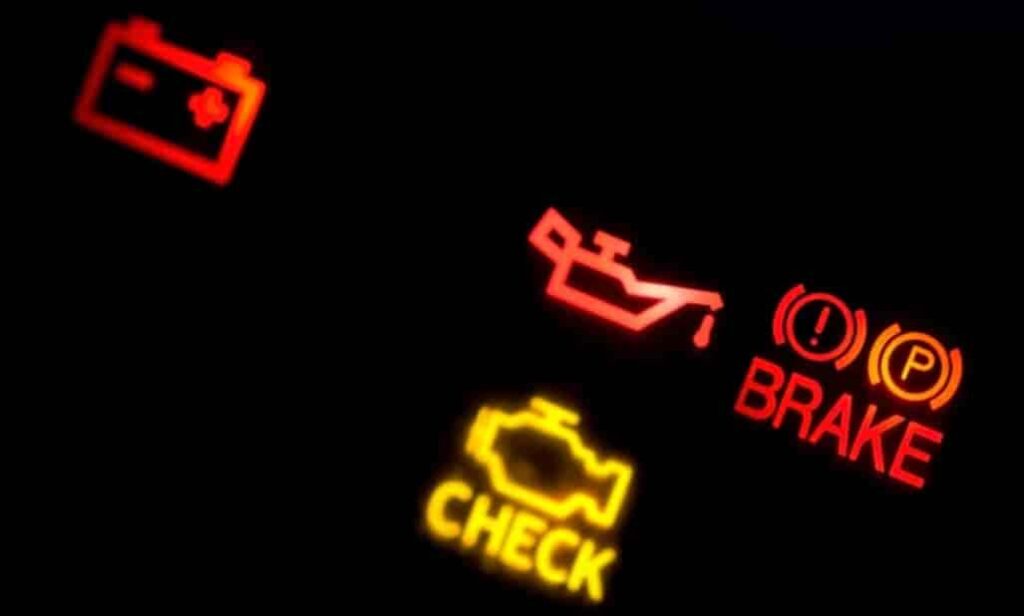
Understanding Chevy Cruze Check Engine Light Codes
When the check engine light comes on in a Chevy Cruze, the onboard diagnostic system has detected a problem. The issue may involve engine performance, emissions, fuel delivery, or sensor activity. While many drivers assume the warning light points to a failed part, the real clue comes from the trouble code stored in the vehicle computer. These Chevy Cruze check engine light codes help identify where the problem starts.
Most Chevy Cruze trouble codes begin with the letter P, which refers to the powertrain system. The numbers that follow define the type of fault. Some codes are generic OBD2 codes used across many vehicles. Others are specific to Chevrolet. Understanding this code structure helps improve diagnosis and reduces guesswork during repairs.
A trouble code does not always mean the listed part has failed. In many cases, the code reports a symptom caused by another issue. For example, a lean condition code may result from a vacuum leak instead of a faulty sensor. This is why code interpretation matters as much as reading the code itself.
Drivers should also understand the difference between pending and confirmed codes. A pending code can signal an early issue that may not be constant. A confirmed code means the fault has repeated enough to trigger the warning light. The type of warning light matters too. A solid light often signals a problem that needs attention soon. A flashing light can warn of severe misfires and possible catalytic converter damage. Learning how these codes work can help prevent expensive repairs.
Most Common Chevy Cruze Check Engine Light Codes
Chevy Cruze owners often encounter a few recurring check engine light codes. Each code points to a specific system, but the root cause can vary. Understanding these common codes helps drivers avoid misdiagnosis and unnecessary part replacement.
One of the most frequent codes is P0171, which indicates a system too lean condition. This means the engine receives too much air or not enough fuel. Common causes include vacuum leaks, dirty mass airflow sensors, or weak fuel pumps. Drivers may notice rough idling, poor acceleration, or increased fuel consumption when this code appears.
Another common code is P0420, which relates to catalyst system efficiency below threshold. This usually points to a failing catalytic converter or worn oxygen sensors. In some cases, engine misfires or fuel mixture issues can also trigger this code. Drivers often see reduced fuel efficiency and a persistent warning light.
The P0300 code signals random or multiple cylinder misfires. This issue often comes from bad spark plugs, faulty ignition coils, or fuel delivery problems. Symptoms may include engine shaking, hesitation, or loss of power during acceleration. If ignored, it can lead to damage in the catalytic converter.
The P0299 code indicates a turbocharger underboost condition. This is common in turbocharged Chevy Cruze models. It may result from boost leaks, a failing turbocharger, or wastegate issues. Drivers usually experience weak acceleration and reduced engine performance.
Another frequent code is P1101, which relates to mass airflow sensor performance. A dirty or faulty MAF sensor can disrupt air measurement and affect fuel mixture. This often leads to rough idle and inconsistent engine response.
Each of these Chevy Cruze check engine light codes provides a starting point for diagnosis. However, accurate repair depends on confirming the real cause behind the code rather than replacing parts immediately.
What Causes Chevy Cruze Fault Codes to Appear
Chevy Cruze check engine light codes do not appear randomly. Each code reflects an imbalance or failure in one or more engine systems. Most causes come from air, fuel, ignition, or emissions-related problems. Identifying the root cause is important because the same code can come from different issues.
One of the most common causes is a vacuum leak. When unmetered air enters the engine, it disrupts the air to fuel ratio. This often triggers lean condition codes such as P0171. Vacuum leaks usually come from cracked hoses, loose intake connections, or worn gaskets. The engine then runs lean and loses smooth performance.
Faulty oxygen sensors also trigger many Chevy Cruze codes. These sensors monitor exhaust gases and help the engine adjust fuel delivery. When they fail, the system may send incorrect readings. This can lead to codes like P0420 or fuel mixture errors. Drivers may notice reduced fuel efficiency and unstable engine behavior.
Worn spark plugs or failing ignition coils also cause frequent trouble codes. These parts control combustion inside each cylinder. When they weaken, the engine misfires and triggers codes like P0300. Symptoms often include shaking, hesitation, or rough idling, especially during acceleration.
Another major cause is catalytic converter failure. Over time, the converter can lose efficiency due to age, contamination, or unresolved engine misfires. This often results in emissions-related codes and a persistent check engine light.
Turbocharged Chevy Cruze models may also develop boost system issues. Leaks in hoses, a faulty wastegate, or a weak turbocharger can trigger underboost codes like P0299. This reduces engine power and affects acceleration.
Mass airflow sensor problems are also common. Dirt or contamination can cause incorrect air readings, which affect fuel delivery and engine stability. This often results in inconsistent performance and warning codes like P1101.
How to Diagnose Chevy Cruze Trouble Codes
Diagnosing Chevy Cruze check engine light codes requires more than just reading a number. Each code gives a direction, but proper diagnosis confirms the real cause. A structured approach helps avoid replacing parts that are still working correctly.
The first step is to use an OBD2 scanner. This tool connects to the vehicle’s diagnostic port and reads stored trouble codes from the engine control module. Once the code appears, it is important to note both the main code and any related or pending codes. Multiple codes often point to a shared root cause instead of separate failures.
After reading the codes, reviewing freeze frame data can provide valuable context. This data shows engine conditions at the moment the fault occurred, such as engine load, speed, temperature, and fuel trim. These details help narrow down whether the issue happens during idle, acceleration, or cruising.
When multiple codes appear together, diagnosis becomes more complex. For example, a vacuum leak can trigger lean condition codes and misfire codes at the same time. In such cases, focusing on airflow and fuel balance often leads to the real issue rather than treating each code separately.
Professional mechanics also perform physical inspections after scanning codes. They check vacuum hoses, ignition components, sensors, and intake systems. Visual inspection often reveals issues that electronic scanning alone cannot confirm.
Accurate diagnosis prevents unnecessary repairs. A trouble code does not always point to a failed part. Instead, it highlights a system that is not operating within expected limits. Understanding this process helps Chevy Cruze owners make better repair decisions and avoid repeated check engine light problems.
How to Fix Common Chevy Cruze Check Engine Light Codes
Fixing Chevy Cruze check engine light codes depends on identifying the true root cause rather than replacing parts based only on the code. Each fault code connects to a system problem, so repairs must target airflow, fuel delivery, ignition, or emissions systems directly.
For many minor issues, drivers can start with simple DIY fixes. A loose or damaged gas cap can trigger evaporative system codes, so tightening or replacing it may resolve the warning light. Cleaning the mass airflow sensor can also help restore proper air measurement when dirt buildup causes unstable readings. In some cases, resetting the system after basic maintenance can clear temporary faults.
More serious codes often require mechanical repairs. Vacuum leaks need hose replacement or gasket repair to restore correct air pressure in the intake system. Misfire codes usually require new spark plugs or ignition coils. These parts wear over time and directly affect combustion quality. When they fail, the engine may shake or lose power under load.
Catalytic converter and oxygen sensor issues are more complex. A failing catalytic converter often requires full replacement, especially if it has been damaged by long term misfires. Oxygen sensors may also need replacement when they send incorrect readings to the engine control module.
Turbocharged Chevy Cruze models may require inspection of boost hoses, wastegate operation, or turbocharger condition. Air leaks in the boost system can often be repaired by replacing cracked or loose hoses.
Repair costs vary depending on the code and severity of the issue. Some fixes are inexpensive, while others involve major component replacement. This is why proper diagnosis is essential before spending money on repairs.
Can You Drive With the Check Engine Light On
When the check engine light appears in a Chevy Cruze, many drivers wonder if it is safe to continue driving. The answer depends on the type of warning and the symptoms the vehicle shows. Some issues are minor and allow short term driving, while others require immediate attention to avoid engine damage.
If the check engine light is solid and the car still runs normally, the issue is often less urgent. In many cases, this points to emissions related problems, sensor issues, or small vacuum leaks. You can usually continue driving for a short period, but you should schedule a diagnostic check as soon as possible. Ignoring the light for too long can turn a small issue into a costly repair.
A flashing check engine light is more serious. This usually indicates active engine misfires that can damage the catalytic converter. In this situation, the engine may shake, lose power, or run roughly. You should reduce driving immediately and avoid hard acceleration. Continuing to drive in this condition increases the risk of expensive damage.
Drivers should also pay attention to additional warning signs. Loss of power, unusual engine noise, or strong vibrations often suggest a deeper mechanical problem. When these symptoms appear along with a check engine light, it is safer to stop driving and inspect the vehicle or call for assistance.
Understanding the difference between minor and severe warning conditions helps prevent unnecessary risk. The Chevy Cruze check engine light codes are designed to give early warnings, but the driver’s response determines whether the issue remains small or becomes a major repair.
How to Prevent Chevy Cruze Check Engine Codes
Preventing Chevy Cruze check engine light codes starts with regular maintenance and attention to early warning signs. Most trouble codes appear because small issues develop over time and are not addressed early. Keeping key engine systems in good condition helps reduce the risk of unexpected warnings.
One of the most effective prevention steps is routine maintenance. Changing spark plugs on schedule helps maintain proper combustion and reduces misfire risks. Replacing air filters ensures the engine receives clean airflow, which supports stable fuel mixture and sensor accuracy. Regular oil changes also protect engine components from wear that can indirectly trigger fault codes.
Fuel quality also plays an important role. Low quality fuel can leave deposits in injectors and intake systems. This can lead to rough idle, poor performance, and fuel related codes. Using recommended fuel grades and reputable stations helps maintain engine stability.
Sensor health is another key factor. Oxygen sensors and mass airflow sensors can become dirty or degrade over time. Cleaning or replacing them at the right intervals helps prevent inaccurate readings that trigger warning lights. Ignoring these components often leads to false or repeated check engine codes.
Vacuum system inspections are also important. Small cracks or loose hoses can create air leaks that affect engine balance. Checking these components during routine service helps prevent lean condition codes such as P0171.
Driving habits also influence long term engine health. Frequent short trips, aggressive acceleration, and delayed maintenance increase the likelihood of fault codes. Smooth driving and timely servicing reduce stress on the engine and keep diagnostic systems stable.
Consistent maintenance does not eliminate all problems, but it significantly reduces the chances of recurring Chevy Cruze check engine light codes and helps keep repair costs under control.
Frequently Asked Questions About Chevy Cruze Engine Codes
Many Chevy Cruze owners have similar questions when the check engine light comes on. Understanding these common concerns helps clarify what the codes mean and how to respond correctly.
Can a loose gas cap trigger a check engine light?
Yes, a loose or damaged gas cap can trigger evaporative system codes. When the fuel tank is not sealed properly, fuel vapors escape and the system detects a pressure leak. This can turn on the check engine light even though the engine itself is working normally. Tightening or replacing the gas cap often solves the issue.
Can you reset Chevy Cruze check engine codes without fixing the problem?
You can reset the codes using an OBD2 scanner or by disconnecting the battery. However, this does not fix the underlying issue. If the problem is still present, the check engine light will return after a short driving cycle. Resetting without repair only hides the warning temporarily.
What is the most common Chevy Cruze trouble code?
One of the most common codes is P0171, which indicates a lean fuel mixture. This often comes from vacuum leaks, dirty sensors, or fuel delivery issues. It is frequently reported in multiple model years of the Chevy Cruze.
Why does my check engine light come back after resetting it?
If the check engine light returns, it means the root cause has not been fixed. The engine control system runs continuous self checks while driving. When it detects the same fault again, it stores the code and reactivates the warning light. This is why proper diagnosis is important before clearing codes.
Understanding these questions helps drivers avoid common mistakes and respond correctly to Chevy Cruze check engine light codes instead of relying on quick resets or guesswork.
Conclusion
Chevy Cruze check engine light codes provide a clear window into how the engine and related systems are performing. Instead of being just a warning, each code acts as a diagnostic signal that points to specific issues within fuel delivery, ignition, airflow, or emissions control systems. Understanding these codes helps drivers move from guessing to informed decision making.
Common codes such as P0171, P0420, P0300, P0299, and P1101 often appear across different Chevy Cruze models. While each code has a primary definition, the real cause can vary. A single code may result from vacuum leaks, sensor failures, worn ignition components, or even fuel quality problems. This is why proper diagnosis is always more important than replacing parts based only on the code.
The check engine light itself also provides important context. A solid light usually signals a non urgent issue that still requires attention, while a flashing light often indicates severe misfires that can damage the catalytic converter. Responding correctly to these signals can prevent expensive repairs and long term engine damage.
Regular maintenance, careful inspection, and correct use of OBD2 diagnostics all play a key role in preventing recurring issues. When drivers understand how Chevy Cruze check engine light codes work, they can identify problems earlier, avoid unnecessary repair costs, and keep the vehicle running more reliably over time.