Seeing the “Chevy Silverado Service ESC” warning on your dashboard can feel alarming. It often appears without warning, even when your truck seems to run normally. Many drivers immediately ask the same question. Is it safe to keep driving, or should you stop right away?
The Chevy Silverado Service ESC message points to an issue in the Electronic Stability Control system. This system helps your truck stay stable, especially when you turn sharply or drive on slippery roads. When it fails, your vehicle may lose an important layer of safety. That is why you should never ignore this warning.
Most drivers face three common concerns. They do not know what caused the problem. They worry about repair costs. They also fear making the issue worse by driving too long. These concerns are real, especially if you depend on your Silverado every day.
In this complete 2026 guide, you will learn what the Chevy Silverado Service ESC warning means and what causes it. You will also discover simple ways to fix the issue and reset the light at home. By the end, you will know exactly what to do and how to avoid unnecessary expenses.
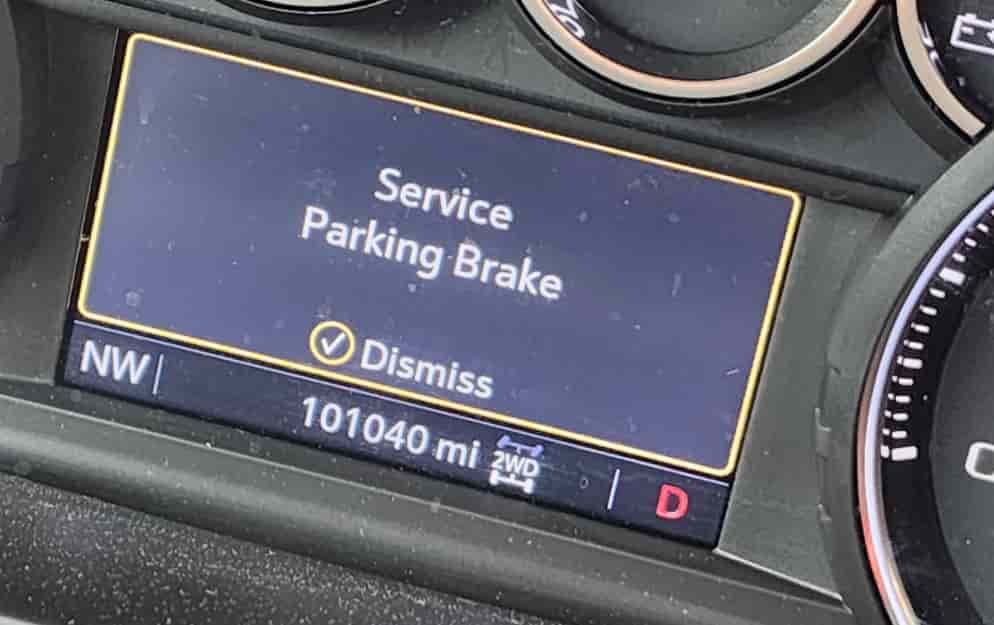
What Does “Service ESC” Mean on Chevy Silverado?
The “Chevy Silverado Service ESC” warning indicates a problem with your truck’s Electronic Stability Control system. This system helps maintain control when your vehicle loses traction. It works automatically in the background, so many drivers do not notice it until a warning appears.
Electronic Stability Control uses several sensors to monitor your driving conditions. These sensors track wheel speed, steering angle, and vehicle direction. When the system detects a loss of control, it adjusts engine power and applies braking to individual wheels. This action helps keep the truck stable, especially during sharp turns or slippery road conditions.
When the Chevy Silverado Service ESC message appears, the system may no longer function correctly. In some cases, it shuts off completely to prevent further damage. This means your truck loses an important safety feature. While the vehicle may still run, it becomes harder to control in challenging situations.
The ESC system also works closely with the ABS and traction control systems. If one of these systems fails, it can trigger the ESC warning. That is why the issue is not always limited to a single component. A small sensor failure can affect the entire system.
Many drivers ignore this warning at first because the truck still drives normally. This is a common mistake. The loss of stability control may not be obvious in normal conditions, but it can become dangerous in rain, snow, or emergency maneuvers.
Understanding what the Chevy Silverado Service ESC warning means is the first step to fixing the problem. Once you know how the system works, you can identify the cause faster and take the right action before the issue becomes more serious.
Common Causes of Chevy Silverado Service ESC Warning
The Chevy Silverado Service ESC warning can appear for several different reasons, and most of them are related to sensors or electronic stability components working inside the vehicle. One of the most common causes is a faulty wheel speed sensor. Each wheel on the Silverado has a sensor that tracks how fast it is rotating. When one of these sensors fails or sends incorrect data, the ESC system cannot accurately monitor traction and stability, which triggers the warning on the dashboard.
Another frequent cause is a problem within the ABS system. The Electronic Stability Control system works closely with ABS to manage braking and prevent wheel slip. If the ABS module develops an error or one of its components stops functioning correctly, it can directly activate the Chevy Silverado Service ESC warning even if the vehicle still seems to drive normally.
The steering angle sensor is also a key factor. This sensor measures how much the steering wheel is turned and helps the system understand driver intention. When it becomes misaligned or damaged, the ESC system may incorrectly detect instability and activate the warning light.
Electrical issues can also play a role. Damaged wiring, loose connectors, or poor grounding can interrupt communication between sensors and the control module. In some cases, this leads to intermittent warnings that appear and disappear without a clear pattern.
Finally, a weak battery or unstable voltage can affect the entire system. Modern stability control systems rely on consistent electrical power, and voltage drops can temporarily disable ESC functions. Although many of these issues are not immediately dangerous, they should not be ignored because they can reduce vehicle stability in challenging driving conditions.
Symptoms of ESC Problems Before the Warning Appears
Before the Chevy Silverado Service ESC warning shows up on your dashboard, the vehicle often gives subtle signs that something is wrong. Many drivers overlook these early symptoms because the truck still feels drivable. However, recognizing them early can help prevent more serious issues with the stability control system.
One of the first signs is a slight loss of stability when turning. The truck may feel less controlled during sharp corners or when driving at higher speeds. In some cases, you may notice that the vehicle does not respond as smoothly to steering input as it normally does.
Another common symptom is unusual braking behavior. The brakes may feel inconsistent or slightly delayed. This happens because the ESC and ABS systems work together, so any instability in one system can affect overall braking performance. You might also feel small vibrations when braking on wet or uneven roads.
The traction control system may also behave differently. You could see the traction control light flicker more often, especially on slippery surfaces. This indicates that the system is struggling to maintain proper grip on the road.
Some drivers also report dashboard lights appearing briefly before the main Chevy Silverado Service ESC warning stays on. These early alerts can include ABS or traction control indicators, which signal that the system is detecting irregular data from sensors.
In more advanced cases, the steering wheel may feel slightly off-center or less precise. This usually points to sensor calibration issues that are affecting the ESC system’s ability to interpret driving conditions correctly.
Although these symptoms may seem minor at first, they are early warnings that the stability system is not working at full capacity. Identifying them early helps you avoid more serious failures and ensures safer driving conditions.
How to Fix Chevy Silverado Service ESC Issues
Fixing the Chevy Silverado Service ESC warning depends on identifying the exact cause of the problem. In many cases, the issue starts with sensor data errors, electrical faults, or communication problems between the stability control system and related modules. The first and most effective step is to scan the vehicle using an OBD2 diagnostic tool. This helps you read error codes and pinpoint which component is triggering the warning.
If the issue comes from a wheel speed sensor, replacement is usually required. These sensors are relatively affordable and play a key role in monitoring traction. Once replaced, the ESC system can regain accurate data and function normally again. In cases where the ABS system is involved, further inspection may be needed because the module or hydraulic unit could be affected.
Steering angle sensor problems often require recalibration. This can sometimes be done using diagnostic software or by performing a system reset procedure. If the sensor is physically damaged, replacement is necessary to restore proper stability control behavior.
Electrical issues should also be checked carefully. Loose connectors, corroded wiring, or poor grounding can interrupt signals between systems. Repairing or securing these connections often resolves intermittent ESC warnings without replacing major parts.
In some situations, software glitches inside the ECU can trigger false warnings. Updating or reprogramming the vehicle’s control module can correct these errors and restore normal system communication.
Although some fixes can be done at home, complex ABS or ECU problems may require professional diagnosis. Addressing the issue early helps maintain vehicle safety and prevents the Chevy Silverado Service ESC warning from returning repeatedly.
How to Reset Chevy Silverado Service ESC Light
You can reset the Chevy Silverado Service ESC warning, but this step only clears the alert and does not repair the actual problem. You should treat a reset as a temporary action used for testing or after a fix, not as a permanent solution.
Start by turning off the engine and restarting the vehicle. In many cases, the system recalibrates on its own after a full restart. If the warning still appears, disconnect the battery for a few minutes. This forces all electronic modules to restart and can remove minor temporary glitches from the system.
You can also use an OBD2 scanner for a more accurate reset. This tool reads diagnostic trouble codes from the vehicle’s system. After you repair the issue, you can clear the codes using the scanner to turn off the Chevy Silverado Service ESC warning light. This method gives a more reliable result compared to a simple restart.
If the warning comes back immediately after resetting, the system still detects a fault. In this case, a sensor, wiring, or module issue remains unresolved. Repeated resets will not fix the problem and may hide important diagnostic information that helps identify the real cause.
Modern stability systems in the Silverado reactivate automatically when all conditions return to normal. Once you repair the faulty component, the ESC system will start working again without extra steps.
You should always use resetting as part of the diagnosis process, not the final solution. Fixing the root cause ensures the Chevy Silverado Service ESC system works properly and keeps your vehicle stable in real driving conditions.
Is It Safe to Drive with Chevy Silverado Service ESC Warning?
Driving with the Chevy Silverado Service ESC warning on is possible in many cases, but it is not always safe, especially in difficult road conditions. When this warning appears, it means the Electronic Stability Control system is not working properly or has been temporarily disabled. As a result, your truck loses an important safety feature that helps prevent skidding and loss of control.
In normal dry road conditions, the vehicle may still feel stable, and many drivers continue driving short distances without noticing major differences. However, the real risk appears when road conditions become challenging. Rain, snow, gravel, or sudden emergency maneuvers can expose the weakness of a disabled ESC system. Without this support, the truck can lose traction more easily and become harder to control.
The ESC system also works closely with ABS and traction control. When ESC stops working, these systems may also behave unpredictably. This increases braking distance and reduces overall stability, especially during sharp turns or sudden stops.
You should treat this warning as an early safety alert, not just a minor dashboard message. Continuing to drive for long periods without inspection can increase the risk of accidents. Even if the truck seems normal, the hidden loss of stability control can create dangerous situations without warning.
The safest approach is to drive only when necessary and avoid high-speed or rough-road conditions. You should also schedule a diagnostic check as soon as possible. Fixing the root cause restores full control and ensures the Chevy Silverado Service ESC system can protect your vehicle properly again.
Repair Cost for Chevy Silverado Service ESC
The repair cost for a Chevy Silverado Service ESC issue can vary widely depending on the root cause. In many cases, the problem starts with a small sensor or wiring fault, which keeps the cost relatively low. However, if the issue involves major control modules, the expense can increase significantly.
One of the most common repairs is replacing a wheel speed sensor. This is usually the least expensive fix and often solves the problem when the ESC system receives incorrect data from a specific wheel. In most situations, this repair remains affordable and can be completed quickly.
If the issue comes from the ABS system, the cost increases. ABS-related repairs may involve sensors, hydraulic components, or the control module. These parts are more complex and require more labor time, which raises the total expense.
Steering angle sensor calibration or replacement also affects pricing. Calibration is usually cheaper and sometimes included in diagnostic service. However, if the sensor itself fails, replacement becomes necessary and adds to the total cost.
Electrical wiring issues can be unpredictable. Simple repairs like reconnecting or fixing damaged wires are inexpensive, but hidden electrical faults may require deeper inspection, which increases labor costs.
In more severe cases, the ESC or ABS control module may need replacement. This is one of the most expensive scenarios because the part itself is costly and often requires programming after installation.
Overall, the Chevy Silverado Service ESC repair cost can range from a low budget sensor fix to a high-cost module replacement. Early diagnosis helps reduce expenses and prevents minor issues from turning into major repairs.
Conclusion
The Chevy Silverado Service ESC warning is an important alert that you should never ignore. It signals that the Electronic Stability Control system is not working at full capacity, which directly affects how your truck handles on the road. Even if the vehicle still drives normally, the loss of stability support can increase risk in real driving situations.
Throughout this guide, you have learned what the Chevy Silverado Service ESC warning means and how the system works with ABS and traction control to keep your vehicle stable. You also now understand the most common causes, including faulty wheel speed sensors, steering angle issues, electrical faults, and low voltage problems. Each of these can trigger the warning and reduce overall driving safety.
You have also seen practical solutions, from basic diagnostic steps to sensor replacement and system resets. While some fixes can be done at home with simple tools, more complex issues may require professional inspection. The key is to identify the root cause early instead of relying only on resetting the warning light.
In terms of safety, driving with an active ESC warning should only be temporary and limited to necessary trips. Road conditions like rain or sudden maneuvers can expose stability issues quickly, so timely repair is always the safest choice.
Understanding the Chevy Silverado Service ESC system helps you avoid unnecessary repair costs and maintain full control of your vehicle. If you address the issue early, you can restore stability, improve safety, and keep your Silverado performing reliably for years to come.