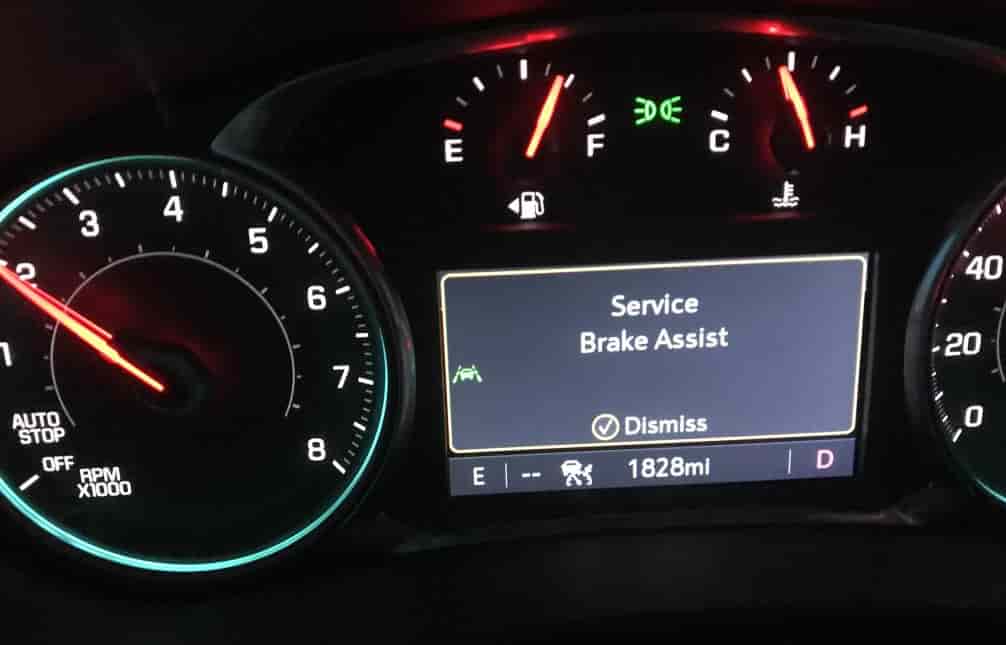
The warning message “Chevy Malibu Service Brake Assist” is one of the most concerning alerts drivers can see on the dashboard of a Chevy Malibu. It often appears suddenly and immediately creates anxiety because it is directly related to the vehicle braking system and overall driving safety. In most cases, this warning is connected to issues within the ABS system and the brake assist system, both of which are designed to help the driver maintain control during sudden or emergency braking situations.
When this message appears, it does not always mean complete brake failure, but it does indicate that the electronic or hydraulic support systems are not functioning correctly. The issue may come from faulty wheel speed sensors, low brake fluid pressure, communication errors in the electronic control unit, or temporary system glitches after battery changes or voltage drops. Because modern braking systems rely heavily on interconnected sensors and modules, even a small malfunction can trigger the warning.
Understanding this issue is important because ignoring it can lead to reduced braking efficiency and unstable vehicle behavior in critical driving conditions. Many drivers experience confusion when both ABS and traction control warnings appear at the same time, making diagnosis even more difficult without proper guidance.
This guide will break down the real causes behind the Service Brake Assist warning, explain how to diagnose the issue accurately, and provide practical solutions ranging from simple resets to professional repairs. The goal is to help you understand what is happening inside your braking system and how to restore safe performance as quickly as possible.
What is Chevy Malibu Service Brake Assist System
The Service Brake Assist system on a Chevy Malibu is part of the vehicle’s safety system. It works together with the ABS system to improve braking performance in emergency situations. The system detects hard or sudden braking and increases brake force to help the car stop faster.
The system constantly monitors brake pedal pressure and vehicle speed. When it detects panic braking, it increases hydraulic pressure in the braking system. This reduces stopping distance and improves control during sudden stops. The system relies on wheel speed sensors, brake pedal sensors, and the electronic control module to function correctly.
When the “Service Brake Assist” warning appears, the system has detected a fault. One or more components may stop working or lose communication. In this case, the system may disable brake assist to protect driving safety. The basic braking system still works, but the extra braking support may no longer function.
Drivers may notice weaker braking support or a different brake pedal feel. In some cases, ABS and traction control warnings also appear at the same time. This happens because these systems share data and work together. A failure in one system can affect the others.
Understanding this system is important before moving to diagnosis. Brake assist does not work alone. It depends on multiple sensors and electronic modules working in sync.
Causes of Service Brake Assist Warning
The “Service Brake Assist” warning on a Chevy Malibu usually appears when the vehicle detects a malfunction within the braking system. This issue is closely connected to the ABS system because both systems share key sensors and electronic control modules. When one part fails or sends incorrect data, the system activates the warning to prevent unsafe braking behavior.
One of the most common causes comes from wheel speed sensor failure. These sensors track the rotation speed of each wheel and send data to the ABS and brake assist system. When a sensor becomes dirty, damaged, or disconnected, the system receives inaccurate signals. This loss of data often triggers the Service Brake Assist warning.
Low brake fluid is another frequent cause. The brake assist system depends on stable hydraulic pressure to function correctly. When brake fluid levels drop, the system cannot maintain proper pressure during braking. This instability leads to reduced braking performance and activates the warning light.
Problems with the brake pedal position sensor can also trigger the issue. This sensor monitors how fast and how strongly the driver presses the brake pedal. If it fails, the system cannot detect emergency braking situations correctly and disables brake assist as a safety measure.
In some cases, the issue comes from the ABS module or ECU communication errors. These components control how braking data is shared across the system. When communication fails, multiple warnings may appear at the same time, including ABS and traction control alerts.
Electrical problems such as low battery voltage or unstable alternator output can also disrupt the system. Even small voltage drops can affect sensor readings and trigger false warnings. Additionally, the message may appear after wheel replacement, tire service, or battery change if the system needs recalibration.
Overall, the warning indicates that one or more components in the braking network are not functioning correctly and require proper diagnosis before repair.
Symptoms You Should Not Ignore
When the “Service Brake Assist” warning appears on a Chevy Malibu, the issue often comes with additional warning signs that affect driving safety. These symptoms usually relate to problems in the ABS system and the wider braking network. Recognizing them early helps prevent more serious brake system failures.
One of the most common symptoms is a change in brake pedal feel. The pedal may feel too soft, too hard, or inconsistent when pressed. This happens because the brake assist system is no longer supporting normal hydraulic pressure control.
Another warning sign is reduced braking performance. The car may take longer to stop, especially during sudden braking. Drivers often notice that emergency braking does not feel as strong or responsive as before. This indicates that the brake assist function is no longer working properly.
Dashboard warning lights also provide important clues. In many cases, the ABS light and traction control light appear together with the Service Brake Assist message. This happens because these systems share sensors and electronic control modules. When one system fails, others are often affected at the same time.
Some drivers also experience stability issues while braking. The vehicle may feel less controlled or slightly unstable during hard stops. This usually points to a failure in coordination between wheel speed sensors and the ABS module.
In more serious cases, the system may completely disable brake assist functionality. The vehicle will still have basic braking, but it will lose the extra support needed for emergency stops. This increases stopping distance and reduces overall safety.
These symptoms should not be ignored because they indicate that the braking system is operating under fault conditions. A proper diagnostic process is needed to identify the exact cause and restore full braking performance.
How to Diagnose the Problem Step by Step
When the “Service Brake Assist” warning appears on a Chevy Malibu, the most effective approach is to follow a clear diagnostic process instead of guessing the cause. This warning often connects to the ABS system, so accurate testing helps avoid unnecessary repairs and costs.
The first step is to scan the vehicle using an OBD2 scanner. This tool reads error codes stored in the electronic control module. These codes help identify whether the issue comes from wheel speed sensors, the ABS module, or brake pressure sensors. Without this step, diagnosis becomes unreliable.
The second step is to check brake fluid level and condition. Low or contaminated brake fluid can reduce hydraulic pressure in the system. If the fluid level is low, topping it up may temporarily improve performance, but it still requires inspection for leaks or internal pressure loss.
Next, inspect all wheel speed sensors. These sensors are located near each wheel hub and are exposed to dirt, moisture, and physical damage. A damaged or dirty sensor can send incorrect signals to the ABS system and trigger the warning. Cleaning or replacing a faulty sensor often resolves the issue.
After that, test the vehicle battery and charging system. Low voltage can affect multiple electronic components at the same time. A weak battery or unstable alternator output can create false warning signals in the brake assist system.
Finally, review recent maintenance history. If the warning appears after tire replacement, wheel alignment, or battery change, the system may require recalibration. In some cases, resetting the system with a scan tool restores normal function.
This structured approach helps isolate the root cause instead of replacing parts blindly. Proper diagnosis ensures the braking system is repaired safely and correctly.
How to Fix Chevy Malibu Service Brake Assist Issue
When the “Service Brake Assist” warning appears on a Chevy Malibu, the repair approach depends on the exact cause found during diagnosis. This issue is often linked to the ABS system, so fixing it correctly requires both basic checks and deeper system repairs when needed.
For minor issues, simple DIY fixes may help restore normal function. One common solution is cleaning the wheel speed sensors. Dirt, rust, or debris around the sensors can disrupt signal transmission. Carefully cleaning them often restores proper communication with the ABS system. Another basic fix is resetting the system after a temporary glitch. Disconnecting the battery for a short period or using an OBD2 scanner to clear error codes can sometimes remove the warning if no hardware failure exists.
If the problem comes from low brake fluid, refilling the fluid may temporarily improve braking performance. However, it is important to inspect the system for leaks because low fluid usually indicates an underlying issue that needs repair.
When the issue is more serious, professional repair becomes necessary. A faulty wheel speed sensor must be replaced to restore accurate wheel data. If the ABS module fails or loses communication with the ECU, it often requires reprogramming or full replacement. Brake pedal position sensor failure also needs professional calibration to ensure correct emergency braking detection.
Hydraulic system problems are more complex and may involve pressure loss inside brake lines or master cylinder issues. These repairs should always be handled by a qualified technician because they directly affect braking safety.
In many cases, the warning disappears only after the system is properly repaired and recalibrated. This ensures all sensors and modules work together correctly and restore full brake assist functionality.
Repair Cost Breakdown
Repairing the “Service Brake Assist” issue on a Chevy Malibu can vary widely in cost depending on the root cause identified during diagnosis. Because this problem often involves the ABS system and related electronic components, the final expense depends on whether the issue is sensor-based, hydraulic, or module-related.
If the problem comes from a wheel speed sensor, the repair cost is usually moderate. Each sensor is relatively affordable, but labor can increase the total price depending on wheel accessibility. Replacing a single sensor is typically the most common and least expensive repair for this warning.
If the issue involves brake fluid problems or minor hydraulic adjustments, the cost remains low. A brake fluid flush or refill is inexpensive, but additional costs may appear if the system has leaks or pressure loss that requires sealing or part replacement.
When the brake pedal position sensor fails, the cost increases slightly. This repair requires part replacement and calibration to ensure correct signal reading. It is more technical than basic sensor cleaning and often requires professional tools.
More serious cases involve the ABS module or electronic control unit. These repairs are the most expensive because the parts are complex and often require programming after installation. In many cases, replacing the module costs significantly more than sensor-related repairs.
Labor costs also vary depending on whether the repair is done at a dealership or an independent garage. Dealership repairs usually cost more due to specialized equipment and OEM parts, while independent shops may offer lower prices but different warranty terms.
Overall, the total cost depends on how early the issue is detected. Small sensor problems are affordable, while electronic or hydraulic system failures can become significantly more expensive if ignored for too long.
Can You Still Drive With This Warning
When the “Service Brake Assist” warning appears on a Chevy Malibu, many drivers wonder if it is still safe to continue driving. The answer depends on the condition of the braking system and how the ABS system is affected at that moment.
In most cases, the vehicle will still have basic braking function. This means the brake pedal will still work and the car can still stop. However, the brake assist function and sometimes parts of the ABS system may be disabled. This reduces braking efficiency during sudden stops or emergency situations.
If the warning appears but the brake pedal still feels normal and the vehicle stops smoothly, short and careful driving may still be possible. However, the driver should avoid high speed, sudden braking, and heavy traffic conditions. The system is already operating with reduced support, so safety margins are lower than normal.
If the brake pedal feels soft, hard, or inconsistent, the risk increases significantly. This may indicate pressure loss, sensor failure, or communication issues inside the braking system. In this condition, continuing to drive becomes unsafe because stopping distance can increase without warning.
When multiple warning lights appear together, such as ABS and traction control alerts, the system may be experiencing a broader electronic or hydraulic failure. In this case, the vehicle should be inspected immediately and driving should be minimized.
The most important point is that the warning does not always mean total brake failure, but it always means reduced safety performance. Even if the car still drives normally, the brake assist protection is no longer fully active. For this reason, early diagnosis and repair are always the safest option.
Conclusion
The “Service Brake Assist” warning on a Chevy Malibu is a clear signal that the braking system is not operating at full capacity. This warning is closely linked to the ABS system and other electronic safety components that work together to control braking stability, emergency response, and vehicle safety.
Across this guide, we covered how the system works, what causes the warning, how to recognize symptoms, and how to diagnose and fix the issue step by step. Most problems come from common sources such as wheel speed sensor failures, brake fluid issues, electrical instability, or communication errors between control modules. While some cases are simple and can be resolved with basic cleaning or resetting, others require professional repair, especially when the ABS module or hydraulic system is involved.
The most important takeaway is that this warning should never be ignored. Even if the vehicle still drives normally, the brake assist function may already be reduced or disabled. This means longer stopping distances and lower control during emergency braking situations. Early diagnosis helps prevent more expensive repairs and ensures the braking system remains safe and reliable.
If the warning appears, the best approach is to scan the system, identify the root cause, and repair it as soon as possible. This not only restores full braking performance but also protects both the driver and passengers from unexpected braking failures.
Maintaining a healthy braking system is essential for safe driving. Regular inspection of sensors, brake fluid, and electronic components will help prevent this issue from returning and keep the vehicle operating at its best.