The Chevy 5.3 engine is one of the most widely used V8 engines in General Motors trucks and SUVs, powering models such as the Silverado, Tahoe, Suburban, and Sierra. It has built a strong reputation for durability, smooth performance, and long mileage potential. However, despite its popularity, many owners eventually encounter serious mechanical issues that can affect performance, reliability, and repair costs.
Chevy 5.3 engine problems are not rare, especially as the engine accumulates higher mileage or if maintenance has been inconsistent. Some drivers report excessive oil consumption, while others deal with ticking noises, lifter failures, or issues related to the Active Fuel Management system. These problems can start subtly but gradually turn into expensive repairs if ignored.
Understanding these issues early is important because most failures are not random. They often come from known weak points in the engine design, driving habits, or long term wear. By recognizing the symptoms and causes, owners can prevent major damage and avoid costly rebuilds.
In this guide, we will break down the most common Chevy 5.3 engine problems, explain why they happen, and provide practical fixes. The goal is to help you understand the engine at a deeper level so you can make better decisions whether you already own one or are considering buying a vehicle equipped with this engine.
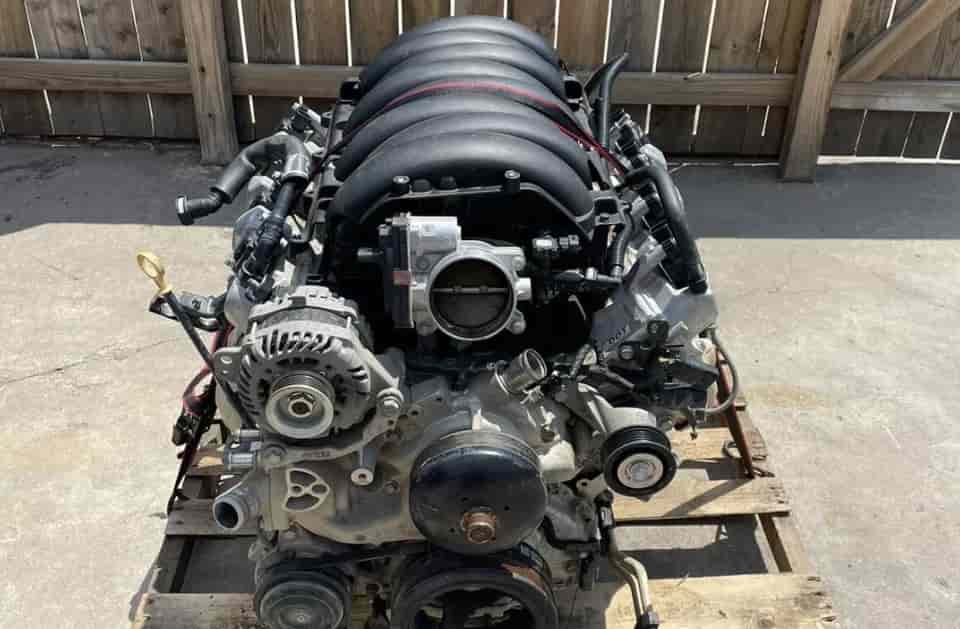
What Is the Chevy 5.3 Engine
The Chevy 5.3 engine belongs to General Motors’ small block V8 family. Many people also know it as the Vortec or EcoTec3 5.3L depending on the generation. GM designed this engine for trucks and SUVs that need both power and durability.
You can find this engine in vehicles like the Chevrolet Silverado, Tahoe, Suburban, and GMC Sierra. These models rely on the 5.3 because it delivers strong towing power and stable highway performance.
GM improved the engine over time. Newer versions use better fuel injection systems and improved emissions control. Some versions also include cylinder deactivation technology to save fuel.
This system is called Active Fuel Management, or AFM. It shuts down some cylinders when the engine runs under light load. GM added it to improve fuel economy in real driving conditions.
AFM improves mileage, but it also creates long term concerns. Many Chevy 5.3 engine problems link directly to this system. It can affect lifters and oil flow when the engine ages.
The engine still has a strong reputation for reliability. Many units last over 200,000 miles with proper maintenance. However, issues start to appear when parts wear down or when maintenance is inconsistent.
That is why understanding how this engine works matters. It helps you identify problems early and avoid expensive repairs later.
In the next section, we will look at the most common Chevy 5.3 engine problems and explain how they happen in real driving conditions.
Most Common Chevy 5.3 Engine Problems
The Chevy 5.3 engine develops several common problems as mileage increases. Most issues do not appear suddenly. They usually start with small signs and gradually become more serious over time. This is why early detection plays an important role in avoiding expensive repairs.
One of the most well known issues is AFM system failure. The Active Fuel Management system helps improve fuel economy by shutting down some cylinders during light driving conditions. While the system works well in theory, it creates long term stress on the lifters. Over time, AFM lifters can wear out or collapse. When this happens, the engine may start misfiring, lose smooth performance, or produce a rough idle. Many cases become worse when oil changes are delayed or maintenance is inconsistent because poor lubrication increases internal wear.
Another frequent problem is excessive oil consumption. Many owners notice that the engine uses more oil than expected between service intervals. This issue usually develops slowly and becomes more obvious as the engine ages. The main causes include worn piston rings and aging valve seals. When these parts lose efficiency, oil can enter the combustion chamber and burn during operation. This not only reduces oil levels but also creates carbon buildup, which affects long term engine performance and efficiency.
Engine ticking noise is also a common complaint among Chevy 5.3 owners. This noise is often heard during cold starts or light acceleration. In many cases, it comes from AFM lifters that are wearing out. However, exhaust manifold leaks can produce a similar sound, which makes diagnosis more difficult. If the ticking becomes louder with load or temperature changes, it usually indicates mechanical wear or leakage that requires inspection.
Timing chain wear is another issue that appears in high mileage engines. The timing chain is responsible for keeping engine timing synchronized. When it stretches over time, the engine may run rough or trigger warning lights. In severe cases, it can affect performance and drivability. Regular oil maintenance helps slow down this wear by keeping internal components properly lubricated.
Misfire issues can also occur in the Chevy 5.3 engine. A misfire happens when one or more cylinders fail to ignite properly. This can result from ignition coil failure, worn spark plugs, or AFM related lifter problems. Drivers often feel shaking at idle or reduced acceleration. The check engine light usually appears when misfires become frequent, signaling that the engine needs immediate attention.
Root Causes of Chevy 5.3 Engine Problems
Most Chevy 5.3 engine problems do not come from a single failure point. They usually result from a combination of design choices, wear over time, and maintenance habits. Understanding these root causes helps explain why certain issues appear more frequently in high mileage engines.
One of the main causes is the Active Fuel Management system. GM designed AFM to improve fuel economy by shutting down some cylinders during light driving. While this improves efficiency, it also increases stress on the lifters and oiling system. The transition between active and deactivated cylinders creates repeated mechanical load changes. Over time, this can weaken lifters and lead to collapse or misfires, especially in engines that already have high mileage.
Oil circulation and lubrication quality also play a major role. The Chevy 5.3 engine relies heavily on clean and consistent oil flow to protect internal components. When oil changes are delayed or low quality oil is used, sludge and carbon buildup can form inside the engine. This reduces lubrication efficiency and increases friction between moving parts. As a result, components like piston rings, timing chains, and lifters wear out faster than expected.
Heat is another important factor. The engine often operates under heavy loads in trucks and SUVs, especially when towing or carrying cargo. High operating temperatures accelerate wear on seals, gaskets, and internal components. Over time, this can contribute to oil leaks, oil burning, and reduced compression efficiency.
High mileage is also a natural contributor. As the engine passes 150,000 miles or more, normal mechanical wear becomes unavoidable. Metal components gradually lose precision, and small tolerances increase. This makes issues like ticking noises, misfires, and timing chain wear more likely.
Finally, driving habits and maintenance consistency have a strong impact. Frequent short trips, aggressive driving, and irregular servicing all increase long term stress on the engine. Even a well designed engine like the Chevy 5.3 can develop problems faster when it is not properly maintained.
Diagnosis Guide for Chevy 5.3 Engine Problems
Diagnosing Chevy 5.3 engine problems early helps prevent serious damage and expensive repairs. Most failures give warning signs before they become severe, but many drivers ignore these early symptoms. Understanding how to identify issues correctly is the key to protecting the engine.
One of the first things to check is engine sound. A healthy Chevy 5.3 engine runs smoothly with a consistent tone. If you hear ticking, knocking, or uneven noise during startup or acceleration, it often signals internal wear or exhaust leaks. AFM lifter issues commonly produce a ticking sound, especially when the engine is cold. Exhaust manifold leaks can create a similar noise, so careful inspection is needed to identify the exact cause.
Oil level and oil condition are also important diagnostic indicators. If you notice that the engine loses oil faster than normal, it may indicate oil burning inside the combustion chamber. Dark or dirty oil appearing too quickly can also suggest internal contamination or poor combustion efficiency. Regular oil checks help detect these issues before they damage major components.
Another key method is monitoring engine performance changes. A Chevy 5.3 engine with developing problems may feel less responsive, especially during acceleration. You might also notice rough idling, vibrations, or occasional hesitation. These symptoms often point to misfires, AFM system issues, or ignition-related problems.
The check engine light is another important signal. When it turns on, using an OBD2 scanner can reveal diagnostic trouble codes. Codes related to misfires, cylinder deactivation, or fuel system imbalance often point toward known Chevy 5.3 engine problems. However, it is important not to rely only on codes, because multiple issues can produce similar signals.
Finally, monitoring fuel consumption can also help. A sudden drop in fuel efficiency may indicate that the engine is working harder due to internal issues. When combined with other symptoms, this can help confirm early-stage engine problems.
Fixes and Repair Solutions for Chevy 5.3 Engine Problems
Fixing Chevy 5.3 engine problems depends on how early you detect the issue and how much damage has already occurred. Some problems only need better maintenance habits, while others require part replacement or major mechanical repair. Choosing the right solution early helps you avoid higher repair costs later.
AFM system issues are one of the most common repair targets. Many owners install an AFM delete or AFM disabler to stop cylinder deactivation from putting stress on the lifters. This change helps the engine run more consistently and reduces long term wear. If lifters already fail, you need to replace them. This job requires significant labor because the engine needs partial disassembly, but it restores normal performance when done correctly.
Oil consumption issues often improve with better maintenance. You can reduce oil burning by using high quality engine oil and following the correct oil change interval. However, worn piston rings or valve seals require mechanical repair. In that case, you must replace these components to restore proper sealing and reduce oil loss. This repair costs more, but it solves the root cause instead of masking the symptom.
Engine ticking noise needs careful diagnosis before repair. If lifters cause the noise, you must replace the damaged ones. If an exhaust manifold leak causes it, you need to replace the gasket or repair the manifold. Identifying the correct source matters because each issue requires a different fix.
Timing chain wear requires replacement of the chain and related components. This repair restores correct engine timing and improves performance. You should act early when you notice rough running or timing-related codes.
Misfire issues usually come from bad ignition coils, worn spark plugs, or AFM-related problems. A proper diagnostic scan helps you find the exact faulty cylinder. Fixing the correct part restores smooth engine operation.
Preventive maintenance plays a key role in avoiding future Chevy 5.3 engine problems. Regular oil changes and proper driving habits help extend engine life and keep performance stable.
Conclusion
The Chevy 5.3 engine remains one of the most widely used V8 engines in GM trucks and SUVs because it delivers strong performance, solid towing capability, and long service life under proper conditions. However, as this guide shows, it also develops a set of well known problems that become more noticeable as mileage increases.
Most Chevy 5.3 engine problems link to a few key areas. The AFM system creates long term stress on lifters and often leads to misfires or rough engine operation. Oil consumption issues usually develop from worn internal components such as piston rings and valve seals. Ticking noises often signal either lifter wear or exhaust leaks, while timing chain wear affects engine stability and performance over time. Misfires and performance drops usually appear when multiple small issues combine together.
These problems do not always mean the engine is unreliable. In many cases, drivers extend engine life beyond 200,000 miles when they follow proper maintenance routines. Regular oil changes, correct oil selection, and early diagnosis play a major role in preventing serious damage. Ignoring early symptoms often turns small repairs into expensive rebuilds.
Understanding the root causes also helps you make better decisions. You can choose to address AFM-related issues early, monitor oil consumption closely, and respond quickly to unusual engine noise. This approach reduces long term repair costs and improves overall reliability.
In the end, the Chevy 5.3 engine is still a strong platform when maintained correctly. However, like any mechanical system, it requires attention and timely repair. If you stay proactive, you can avoid most common failures and keep the engine performing reliably for many years.