Many drivers think Chevy Volt Mountain Mode is only for mountain roads. That is a common misunderstanding. The feature does much more than help on steep climbs. It manages battery reserves, supports power delivery, and improves performance when driving conditions become demanding.
This matters because many Volt owners worry about losing power on long grades. Some fear rapid battery depletion. Others question whether the gasoline engine can provide enough support under load. Mountain Mode helps solve these problems before they happen.
When activated early, the system keeps a higher state of charge buffer. That reserve gives the electric motor stronger support during uphill driving. It can also reduce strain during cold weather trips or heavy load conditions. Instead of reacting to falling power, drivers can prepare the vehicle in advance.
Understanding how Chevy Volt Mountain Mode works can help owners use the car more efficiently. It can also prevent common mistakes that waste fuel or reduce performance. Many drivers use the mode too late or misunderstand when it offers the most value.
In this guide, you will learn what Chevy Volt Mountain Mode does, how it works, and when to use it. We will also compare it with Hold Mode, examine fuel economy effects, and cover mistakes many owners make. By the end, you will understand why Mountain Mode is not just for mountains. It is a practical tool for better energy management and stronger real world performance.
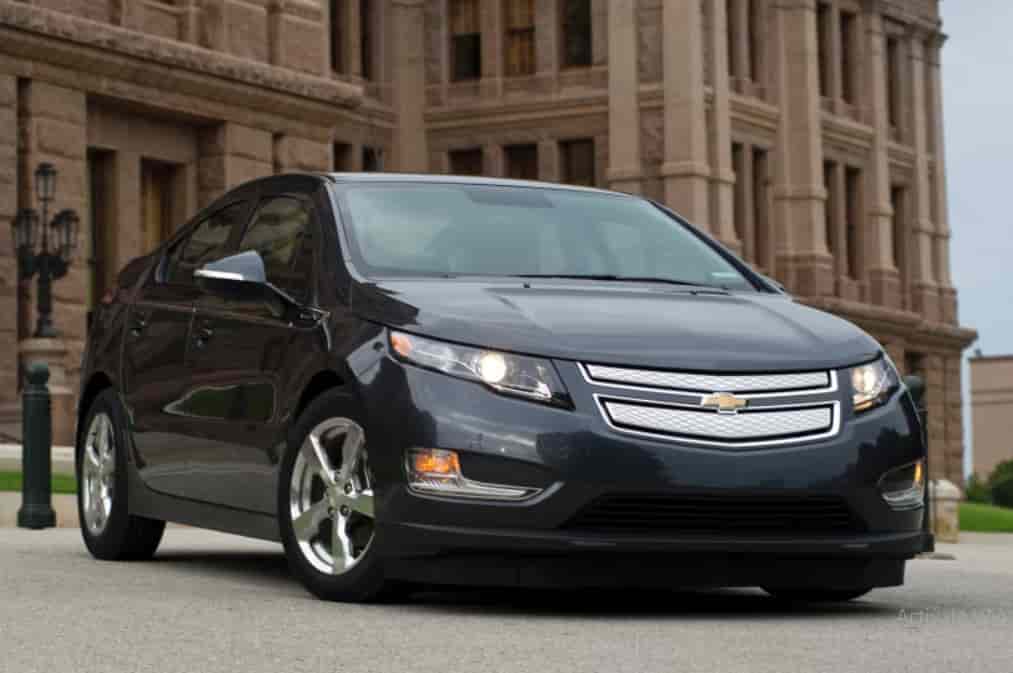
What Is Chevy Volt Mountain Mode?
Chevy Volt Mountain Mode is a driving feature that helps the vehicle manage power more effectively when conditions become demanding. Chevrolet designed this mode to maintain a higher battery reserve so the car can deliver stronger and more consistent performance during long climbs or heavy load driving situations.
The system changes how the Volt uses its hybrid powertrain. Instead of allowing the battery to drain too low, it keeps a buffer of stored energy. This buffer ensures the electric motor always has enough support, especially when the road requires more torque. The gasoline engine also plays a more active role in maintaining that reserve when needed.
Many drivers misunderstand this feature and think it only applies to steep mountain roads. In reality, Mountain Mode can help in any situation where sustained power demand is expected. That includes long highway inclines, towing light loads, or driving in regions with continuous elevation changes.
Chevy designed this mode to work with the Voltec system, which balances electric drive and range extender operation. When Mountain Mode is active, the system prioritizes stability over maximum efficiency. That tradeoff helps prevent sudden drops in performance when the vehicle is under stress.
In simple terms, Mountain Mode prepares the Volt for harder driving conditions before they happen. It does not increase power directly, but it ensures the car always has enough energy available to maintain consistent performance.
How Chevy Volt Mountain Mode Works
Chevy Volt Mountain Mode works by changing how the vehicle manages its battery reserve and range extender engine. When you activate it, the system immediately raises the minimum state of charge. This means the car will no longer allow the battery to drop too low during driving.
Instead of using almost all available battery energy first, the system holds back a portion of charge. This reserved energy acts as a buffer. It gives the electric motor extra support when the vehicle faces steep inclines or sustained load conditions.
At the same time, the gasoline engine becomes more proactive. It starts earlier or runs more frequently to maintain that battery buffer. This prevents the battery from reaching a low level where performance could drop during demanding driving.
The Voltec system constantly balances energy flow between the battery and the engine. In Mountain Mode, the balance shifts toward energy preservation. The goal is not maximum efficiency but consistent power availability.
Regenerative braking also continues to function. When the driver slows down or drives downhill, the system recovers energy and feeds it back into the battery. This helps maintain the reserve level and reduces strain on the engine.
The key idea is simple. Mountain Mode does not add extra power. It ensures the car never runs out of usable electric support when the road requires more effort. This makes performance more stable in long and challenging driving conditions.
When to Use Chevy Volt Mountain Mode
Chevy Volt Mountain Mode should be used before the vehicle enters demanding driving conditions. The most common situation is a long uphill climb. When the road keeps rising for several kilometers, the system needs sustained power support. Activating Mountain Mode early helps maintain battery reserve so performance stays stable throughout the climb.
Drivers also benefit from using this mode in regions with continuous elevation changes. Some highways do not have a single steep hill but instead feature repeated uphill sections. In these cases, the battery can drain quickly if the system does not preserve energy. Mountain Mode helps avoid that issue by keeping a buffer ready for repeated load demands.
Towing is another situation where Mountain Mode can be useful. Even light loads increase energy consumption and place more demand on the drivetrain. By maintaining a higher state of charge, the Volt can respond better under stress and reduce the risk of power reduction during acceleration or incline driving.
Cold weather driving can also justify using this mode. Low temperatures reduce battery efficiency and limit available power. Activating Mountain Mode helps the system maintain stronger support from both the battery and the engine when conditions are less favorable.
The key timing is important. Drivers should not wait until power starts dropping. Mountain Mode works best when it is activated before entering challenging terrain. This allows the system to prepare the energy buffer in advance and avoid sudden performance adjustments while driving.
When You Should Not Use Chevy Volt Mountain Mode
Chevy Volt Mountain Mode is not designed for everyday flat road driving. Using it in normal city traffic does not bring any real benefit. The system will hold extra battery reserve that you do not actually need, which can reduce overall efficiency over time.
You should also avoid using Mountain Mode on short trips. The feature works best when the vehicle has enough time and distance to build and maintain a proper energy buffer. On short drives, the system may not fully optimize the reserve strategy, so the benefit becomes limited.
Highway cruising on flat terrain is another situation where this mode is unnecessary. The Volt already manages power efficiently in Normal or Hold Mode during steady-speed driving. Activating Mountain Mode in these conditions only forces the system to keep extra charge without improving performance.
Stop-and-go urban driving is also not an ideal use case. Frequent braking and low-speed acceleration already allow the vehicle to recover energy through regenerative braking. Mountain Mode does not add meaningful value here and may slightly reduce efficiency by maintaining an unused reserve.
The key idea is simple. Mountain Mode is a preparation tool, not a daily driving mode. It should be reserved for situations where sustained load, elevation gain, or long-term power demand is expected. Using it outside these conditions does not damage the vehicle, but it can reduce the efficiency benefits the Volt is designed to deliver.
Chevy Volt Mountain Mode vs Hold Mode
Chevy Volt Mountain Mode and Hold Mode both control how the vehicle uses battery energy, but they serve different purposes. Mountain Mode focuses on performance stability in demanding conditions, while Hold Mode focuses on preserving battery charge for later use.
Mountain Mode increases the minimum state of charge. It keeps a larger energy buffer so the vehicle can deliver stronger electric support during long climbs or heavy load driving. The system actively works to maintain that reserve by using the gasoline engine more frequently when needed.
Hold Mode works differently. It simply maintains the current battery level without trying to increase it. When you activate Hold Mode, the vehicle stops using the battery for propulsion and relies more on the gasoline engine. This allows the driver to save electric range for later use, such as entering a city zone or low emission area.
The key difference is intent. Mountain Mode prepares the vehicle for demanding driving conditions. Hold Mode preserves battery energy for strategic use later in the trip. One improves stability under stress, while the other controls energy timing.
In real driving scenarios, Mountain Mode is more useful when the road itself demands continuous power. Hold Mode is more useful when the driver wants to decide when to use electric power. For example, you might use Hold Mode on a highway to save battery for city driving later.
Understanding this difference helps drivers avoid confusion and choose the right mode based on driving goals rather than assumptions.
Common Mistakes Drivers Make With Chevy Volt Mountain Mode
Many Chevy Volt owners do not use Mountain Mode correctly, which reduces its effectiveness. One common mistake is activating it too late. Some drivers wait until they are already struggling on a steep climb. At that point, the system does not have enough time to build a proper battery reserve, so performance support becomes less smooth.
Another frequent mistake is leaving Mountain Mode on all the time. This does not improve efficiency. Instead, it forces the vehicle to maintain a higher state of charge even when it is not needed. Over time, this can reduce overall energy optimization and limit how efficiently the system uses electric power.
Some drivers also misunderstand its purpose and expect instant power gains. Mountain Mode does not increase horsepower. It only manages energy distribution more intelligently. When expectations are incorrect, users may feel the feature is ineffective even though it is working as designed.
A further issue happens when drivers use Mountain Mode for short, flat trips. In these conditions, the system cannot fully benefit from its energy buffering strategy. The result is unnecessary fuel usage without any real performance advantage.
Another mistake is confusing Mountain Mode with Hold Mode. These two features solve different problems. Hold Mode preserves battery for later use, while Mountain Mode prepares the vehicle for sustained load. Using them interchangeably leads to inefficient driving decisions.
The key takeaway is simple. Mountain Mode is most effective when used with intention. Drivers who activate it before demanding terrain and turn it off when conditions normalize get the best balance of performance and efficiency.
Does Chevy Volt Mountain Mode Affect Fuel Economy?
Chevy Volt Mountain Mode can affect fuel economy, but not in a simple negative or positive way. The impact depends on how and when you use it. The feature is designed to prioritize power stability over maximum efficiency, so fuel usage can increase in some situations.
When Mountain Mode is active, the vehicle keeps a higher battery reserve. To maintain that reserve, the gasoline engine may run more often than it would in normal driving. This can lead to higher fuel consumption compared to standard mode on flat roads.
However, this does not mean Mountain Mode always reduces efficiency in a harmful way. In long uphill drives, it can actually prevent inefficient energy loss. Without it, the battery may drain too quickly, forcing the engine to work harder later. That situation can create even worse fuel economy and unstable performance.
Mountain Mode also helps maintain consistent power output. When the system avoids deep battery depletion, it reduces stress on the drivetrain. This can improve driving smoothness and prevent sudden spikes in engine usage during demanding sections of road.
In real-world use, the fuel economy difference is usually small when Mountain Mode is used correctly. The key factor is timing. If drivers activate it only when needed, it supports performance without significantly increasing fuel costs. If they leave it on constantly, fuel consumption can rise unnecessarily.
Overall, Mountain Mode is not a fuel-saving feature. It is a performance management tool. Its value comes from preventing power loss and maintaining stability, especially in conditions where the vehicle is under sustained load.
Frequently Asked Questions About Chevy Volt Mountain Mode
Is Chevy Volt Mountain Mode bad for the battery?
No, Mountain Mode is not bad for the battery. It does not damage the battery or reduce its lifespan. Instead, it manages the state of charge more carefully to support driving under heavier load. The system keeps a buffer to avoid deep discharge situations, which actually helps maintain stable operation over time.
Does Chevy Volt Mountain Mode charge the battery?
Mountain Mode does not directly charge the battery like an external charger. It increases the battery reserve by allowing the gasoline engine to maintain a higher state of charge. The engine supports the system so the battery does not drop too low during demanding driving.
Should I turn on Mountain Mode before a steep climb?
Yes, it is best to activate Mountain Mode before reaching a steep climb. The system needs time to build and stabilize the battery reserve. Turning it on early ensures smoother performance and better power delivery when the road becomes more demanding.
Does Mountain Mode improve driving performance?
Mountain Mode improves performance stability rather than raw power. It ensures the vehicle maintains consistent electric support during long climbs or heavy load conditions. It does not increase horsepower, but it prevents performance drops.
Conclusion
Chevy Volt Mountain Mode is not just a special feature for rare mountain trips. It is an energy management tool designed to maintain stable performance when driving conditions become demanding. By controlling battery reserve and supporting the range extender engine, it helps the vehicle deliver consistent power on long climbs, under heavy load, or in challenging environments.
When used correctly, Mountain Mode improves driving confidence and prevents sudden performance loss. It works best when activated before entering steep or sustained elevation routes, not after power has already dropped. Understanding this timing is key to getting the most value from the system.
Drivers who confuse Mountain Mode with Hold Mode or use it in everyday flat driving often miss its real benefits. Each mode serves a different purpose, and Mountain Mode is specifically built for situations where energy demand stays high for an extended period.
Overall, Chevy Volt Mountain Mode should be seen as a proactive driving strategy rather than a reactive button. When used with the right intent, it helps balance efficiency and performance in a smarter and more predictable way.