The Ecotec 1.2L Turbo engine is widely used in many compact vehicles because it offers good fuel efficiency and compact design. Many drivers choose it for daily commuting and city driving. However, Ecotec 1.2L Turbo Engine Problems have been reported by a significant number of owners over time, especially as mileage increases.
Drivers often notice issues such as oil consumption, uneven turbo response, and occasional overheating. These symptoms do not always appear at once, but they tend to develop gradually during long term use. As a result, many owners only understand the severity after performance starts to drop.
Repair costs can become a major concern when these problems are ignored. Small issues may turn into expensive engine repairs if drivers delay maintenance or overlook early warning signs. This makes early detection very important for long term reliability.
This guide explains the most common Ecotec 1.2L Turbo Engine Problems in a clear and practical way. It focuses on real causes, common symptoms, and effective solutions. You will also learn how to prevent these issues through proper maintenance and driving habits. The goal is to help you understand the engine better and avoid costly mistakes during ownership.
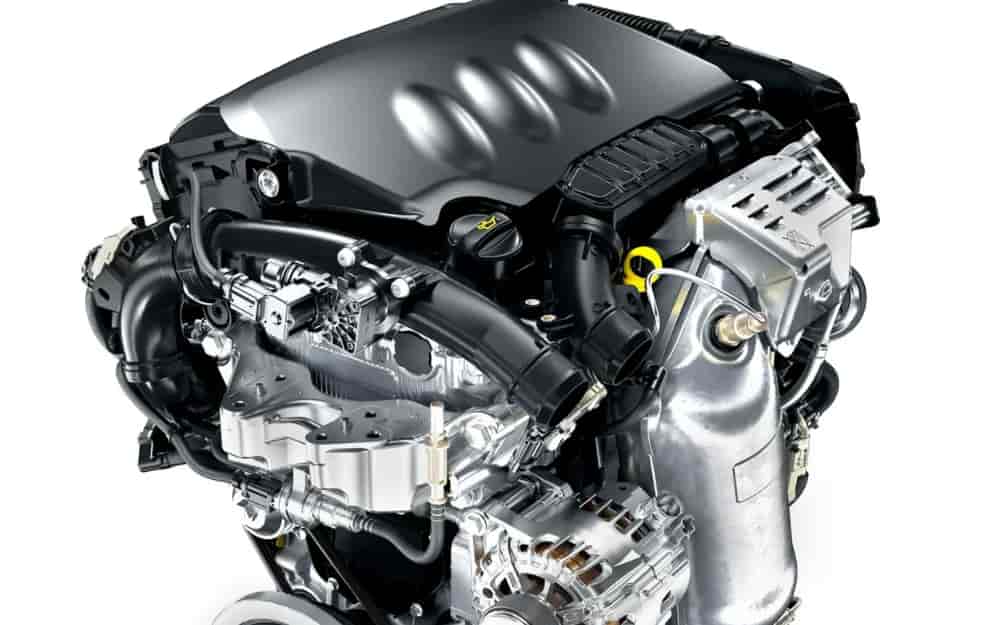
Overview of Ecotec 1.2L Turbo Engine
The Ecotec 1.2L Turbo engine is a small displacement gasoline engine that uses turbocharging to improve performance and fuel efficiency. It is designed for compact vehicles that prioritize low fuel consumption and reduced emissions. The turbo system increases air intake, which helps the engine produce more power despite its small size.
Manufacturers use this engine in many popular models because it offers a balance between efficiency and everyday drivability. It performs well in city traffic and handles moderate highway driving without requiring a large engine block. This makes it attractive for drivers who want lower running costs and practical performance.
However, the design also creates certain limitations. The engine operates under higher pressure compared to naturally aspirated engines. This increases stress on internal components such as pistons, valves, and the turbocharger system. Over time, this stress can contribute to wear if maintenance is not performed correctly.
Driving conditions also affect how the engine behaves. Frequent short trips, aggressive acceleration, and irregular servicing can reduce long term durability. As a result, understanding the engine structure and its operating limits is important for avoiding common Ecotec 1.2L Turbo Engine Problems later in ownership.
Common Ecotec 1.2L Turbo Engine Problems
One of the most frequently reported issues with the Ecotec 1.2L Turbo engine is excessive oil consumption. Many drivers notice that the engine requires frequent oil top ups between scheduled maintenance intervals. This usually happens because internal components experience wear over time, especially in the piston ring and ventilation system. When oil burns inside the combustion chamber, it reduces lubrication efficiency and increases long term engine stress.
Another common problem is turbo lag combined with inconsistent power delivery. Drivers often feel a delay when pressing the accelerator, especially during city driving or quick overtaking situations. This issue is often linked to turbocharger response limits and airflow restrictions caused by carbon buildup. In real driving conditions, it makes the vehicle feel less responsive and less smooth than expected.
Engine overheating is also a concern for some owners. This problem often appears in heavy traffic or hot weather conditions. It usually comes from weaknesses in the cooling system such as coolant leaks, radiator inefficiency, or thermostat malfunction. When the engine temperature rises too high, performance drops and internal wear increases quickly.
Timing chain noise is another warning sign that should not be ignored. Drivers may hear rattling sounds during startup or low speed operation. This indicates potential wear in the timing system, which can affect engine synchronization if not addressed early. Ignoring this issue may lead to serious mechanical damage.
Carbon buildup inside the intake system is also common in this engine type. It reduces airflow efficiency and affects combustion quality. Over time, this leads to rough idling, reduced acceleration, and higher fuel consumption. This issue develops gradually, which makes it harder for drivers to notice in the early stages.
Root Causes of Ecotec 1.2L Turbo Engine Problems
Most Ecotec 1.2L Turbo Engine Problems do not come from a single defect. They usually result from a combination of design characteristics, driving behavior, and maintenance habits. Understanding these root causes helps explain why the same engine can perform well in one case but develop issues early in another.
A key factor is the high operating stress of small turbocharged engines. The Ecotec 1.2L Turbo engine uses forced induction to produce more power from a small displacement. This increases internal pressure and temperature compared to naturally aspirated engines. Over time, this constant stress can accelerate wear on pistons, valves, and turbo components.
Another important cause is oil quality and maintenance intervals. Many drivers extend oil change schedules beyond what the engine ideally requires. This reduces lubrication efficiency and increases friction inside the engine. When oil degrades, it also contributes to carbon buildup and faster component wear.
Driving patterns also play a major role. Short trips with frequent cold starts prevent the engine from reaching optimal operating temperature. This leads to incomplete combustion and residue buildup inside the intake system. On the other hand, aggressive acceleration places sudden load on the turbocharger and increases long term stress.
Cooling system efficiency is another contributing factor. If coolant levels drop or components like the thermostat and radiator weaken, the engine cannot maintain stable temperature control. This condition increases the risk of overheating and reduces overall durability.
Fuel quality and environmental conditions can also influence engine performance. Low quality fuel may produce more deposits inside the combustion chamber. In hot climates or heavy traffic conditions, the engine operates under more demanding thermal stress, which can accelerate existing weaknesses.
Overall, these factors combine over time rather than causing immediate failure. This is why early maintenance and proper driving habits play a critical role in preventing serious Ecotec 1.2L Turbo Engine Problems later in ownership.
Warning Signs You Should Never Ignore
Ecotec 1.2L Turbo Engine Problems usually develop gradually, so early warning signs play an important role in preventing major damage. Many drivers overlook these symptoms at first because the vehicle may still feel usable. However, ignoring them often leads to higher repair costs later.
One of the most important warning signs is the check engine light. When this light appears on the dashboard, it indicates that the engine control system has detected an abnormal condition. It may relate to combustion efficiency, turbo performance, or emissions issues. Even if the car still drives normally, this warning should never be ignored.
A noticeable drop in engine power is another key indicator. Drivers may feel that the vehicle accelerates more slowly or struggles during overtaking. This often suggests turbo inefficiency, airflow restriction, or internal wear affecting combustion performance.
Unusual engine noise is also a serious symptom. Knocking, rattling, or ticking sounds can indicate timing chain wear, lubrication issues, or internal mechanical stress. These sounds often become more noticeable during cold starts or low speed driving.
Exhaust smoke changes can also signal a problem. Blue smoke may indicate oil burning inside the combustion chamber, while black smoke often suggests incomplete fuel combustion. Both conditions point to underlying engine inefficiencies that require attention.
Increased fuel consumption is another subtle but important sign. When the engine loses efficiency, it requires more fuel to produce the same level of performance. This often develops gradually, making it easy for drivers to miss until the cost becomes significant.
Recognizing these warning signs early allows drivers to address issues before they escalate. In many cases, timely maintenance can prevent severe Ecotec 1.2L Turbo Engine Problems and extend the overall lifespan of the engine.
How to Fix and Prevent These Problems
Preventing Ecotec 1.2L Turbo Engine Problems is much more effective than repairing them after failure occurs. Most issues develop gradually, so consistent maintenance and proper driving habits can significantly reduce long term risks.
Regular oil changes are one of the most important preventive steps. Using the correct oil grade and changing it at appropriate intervals helps maintain proper lubrication inside the engine. Clean oil reduces friction, limits carbon buildup, and protects internal components from premature wear.
Cooling system maintenance also plays a key role in engine health. Drivers should regularly check coolant levels and inspect the system for leaks. Components such as the radiator, water pump, and thermostat must function properly to maintain stable engine temperature. This helps prevent overheating, which is one of the most damaging conditions for a turbocharged engine.
Turbocharger care is another important factor. Allowing the engine to warm up before applying heavy acceleration helps oil circulate properly through the turbo system. After long or high speed driving, letting the engine idle briefly before shutdown helps reduce heat stress on turbo components.
Intake system cleaning can also improve long term performance. Carbon deposits naturally build up in direct injection engines, so periodic cleaning helps restore airflow efficiency. In some cases, fuel system cleaners may help, but mechanical cleaning is often more effective for severe buildup.
Driving behavior has a direct impact on engine durability. Smooth acceleration, avoiding excessive short trips, and maintaining steady driving conditions help reduce stress on internal components. Aggressive driving habits increase thermal and mechanical load, which accelerates wear over time.
When these preventive measures are applied consistently, the likelihood of serious engine issues decreases significantly. Proper maintenance not only improves reliability but also extends the overall lifespan of the Ecotec 1.2L Turbo engine.
Is the Ecotec 1.2L Turbo Engine Reliable
The Ecotec 1.2L Turbo engine offers a balanced mix of efficiency and performance, but its reliability depends heavily on maintenance quality and driving conditions. In controlled use with proper servicing, it can deliver consistent performance over a long period. However, neglecting maintenance increases the likelihood of Ecotec 1.2L Turbo Engine Problems appearing earlier than expected.
From a design perspective, this engine prioritizes fuel efficiency and compact size. The turbocharger allows it to produce more power than its displacement would normally allow. This makes it suitable for urban driving and moderate highway use. For many drivers, this combination provides a practical and economical solution.
However, reliability concerns arise because of the stress placed on small turbocharged engines. Higher internal pressure and temperature levels can accelerate wear on critical components. This includes the turbo system, piston rings, and timing mechanisms. Over time, these stresses can reduce durability if not managed properly.
Maintenance behavior plays a major role in long term reliability. Engines that receive regular oil changes, proper cooling system care, and responsible driving habits tend to perform much better. On the other hand, extended service intervals and aggressive driving can significantly shorten engine lifespan.
Compared to larger naturally aspirated engines, the Ecotec 1.2L Turbo requires more attention. It is not inherently unreliable, but it is less forgiving of poor maintenance practices. This means ownership experience varies widely depending on how the vehicle is used and maintained.
Overall, the engine can be considered moderately reliable when properly cared for. It performs well in efficiency focused applications, but it demands consistent maintenance to avoid common Ecotec 1.2L Turbo Engine Problems.
Conclusion
The Ecotec 1.2L Turbo engine delivers a strong balance between fuel efficiency and compact performance, but it also comes with specific technical limitations that owners must understand. Most Ecotec 1.2L Turbo Engine Problems do not appear suddenly. They develop gradually through a combination of heat stress, driving habits, and maintenance quality.
Common issues such as oil consumption, turbo lag, overheating, timing chain noise, and carbon buildup are typically manageable when detected early. However, if drivers ignore early warning signs, these problems can escalate into expensive repairs and reduced engine lifespan. This makes regular inspection and timely maintenance essential for long term reliability.
In real ownership conditions, this engine performs best when treated with proper care. Clean oil, a well maintained cooling system, and balanced driving habits significantly reduce the risk of failure. On the other hand, short trips, aggressive acceleration, and delayed servicing increase wear and accelerate problem development.
Overall, the Ecotec 1.2L Turbo engine is not a poor design, but it is a sensitive one. It requires attention and discipline from the owner to maintain stable performance over time. If you understand its weaknesses and manage them correctly, you can reduce most risks and enjoy a more reliable driving experience.
If you are considering this engine or already own it, the key takeaway is simple. Prevention is always more effective and less expensive than repair.