TurboMax engines appear in many modern vehicles. They deliver strong performance and good fuel efficiency. They use turbocharged technology to boost power output. However, this design also creates extra stress on engine parts.
Many drivers want to understand TurboMax Engine Problems. These problems affect performance and long term reliability. They also increase maintenance costs if drivers ignore them.
In real use, TurboMax engines run under high pressure. They also generate high heat during operation. These conditions increase wear on internal components.
Some drivers notice engine issues over time. Common signs include weak acceleration and unusual engine noise. Some also report higher fuel use or oil consumption. Warning lights may also appear on the dashboard.
These symptoms do not always mean engine failure. However, they often show early mechanical issues. Drivers should not ignore them.
This guide explains TurboMax Engine Problems in detail. It covers causes, symptoms, and practical solutions. It also connects driving behavior with engine performance. This helps readers understand real world issues clearly.
You will learn how to detect early warning signs. You will also understand how to prevent serious damage. This knowledge helps reduce repair costs and improve engine lifespan.
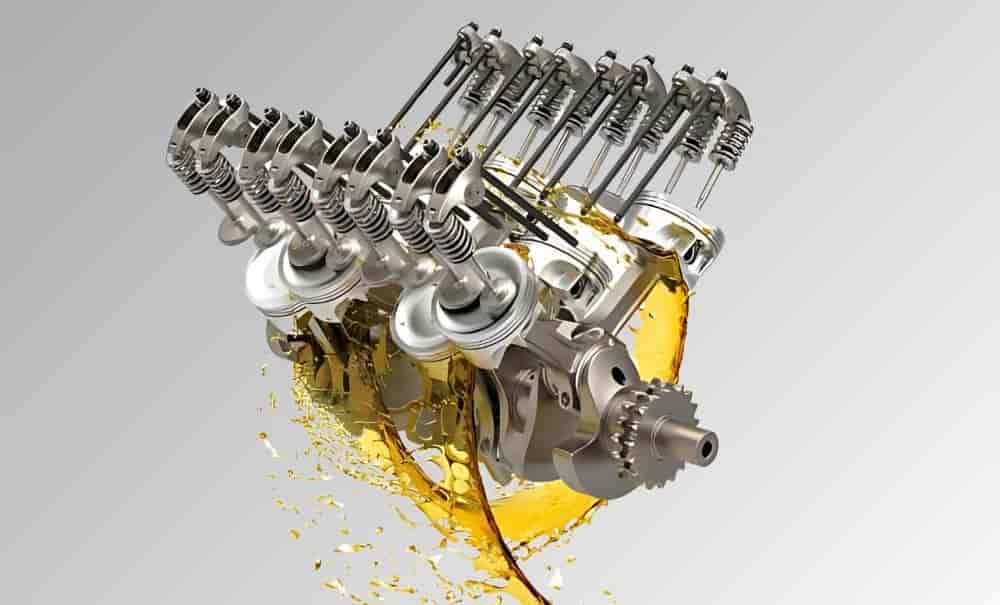
What Are TurboMax Engine Problems?
TurboMax Engine Problems refer to mechanical and performance issues that affect engines with TurboMax turbocharged systems. These problems occur when key engine components fail to operate under high pressure and high heat conditions.
TurboMax engines rely on forced air intake to increase power output. This process puts extra stress on the turbocharger, pistons, and cooling system. When any of these parts weaken, the engine starts to show performance issues.
These problems can affect both new and older vehicles. In most cases, they develop slowly over time. Drivers often notice small changes before major failures happen.
TurboMax Engine Problems usually include reduced power, unstable acceleration, and engine noise. Some vehicles also show higher fuel consumption. In more serious cases, the engine may trigger warning lights or enter limp mode.
Not all issues indicate permanent damage. Some problems come from maintenance errors or poor driving habits. Low quality fuel or delayed oil changes can also increase risk.
Understanding these problems helps drivers react early. Early detection reduces repair costs and prevents engine failure. It also improves long term engine reliability.
TurboMax engines perform well when maintained correctly. However, they require consistent care due to their high performance design.
Common TurboMax Engine Problems
TurboMax engines can develop several common problems during long term use. One of the most frequent issues is engine misfiring. This happens when one or more cylinders fail to ignite fuel correctly. Drivers usually feel rough acceleration and reduced engine power. Faulty spark plugs or poor fuel quality often cause this issue. If ignored, misfiring can affect overall engine performance and increase fuel consumption.
Another common problem is excessive oil consumption. TurboMax engines operate under high pressure, which increases oil demand inside the system. In some cases, worn piston rings or internal wear can make the engine burn more oil than normal. Low oil levels reduce lubrication and increase engine friction. This can lead to faster wear of internal components over time.
Turbo lag is also a noticeable issue in many TurboMax engines. This happens when the turbocharger takes time to build pressure. As a result, the engine delivers power with a delay during acceleration. Dirty air filters or worn turbo components can make this problem worse. Some drivers also experience temporary power loss under heavy load conditions.
Engine overheating is another serious concern. Turbocharged engines generate high temperatures during operation. The cooling system must work efficiently to control heat. Low coolant levels, radiator problems, or poor maintenance can lead to overheating. If not addressed early, overheating can cause long term engine damage.
Finally, many drivers report check engine light activation. This warning appears when sensors detect abnormal engine behavior. Common causes include oxygen sensor failure, fuel system issues, or airflow problems. The ECU triggers this warning to protect the engine from further damage.
Root Causes of TurboMax Engine Problems
TurboMax Engine Problems do not happen randomly. They usually come from a combination of mechanical stress, maintenance habits, and driving conditions. The first major cause is the design of turbocharged engines themselves. TurboMax engines operate under high pressure and high temperature. This increases wear on internal parts such as pistons, turbochargers, and valves over time.
Poor maintenance also plays a major role. Many drivers delay oil changes or use low quality engine oil. This reduces lubrication and increases friction inside the engine. Dirty oil can also block small engine passages and damage sensitive components. In turbocharged systems, clean oil is critical for proper turbo operation.
Driving behavior also affects engine health. Frequent hard acceleration puts extra stress on the turbo system. Stop and go driving in heavy traffic can also increase engine heat. When drivers push the engine too hard without proper warm up or cool down, internal wear increases faster.
Fuel quality is another important factor. Low quality fuel can cause incomplete combustion. This leads to carbon buildup inside the engine. Over time, carbon deposits reduce efficiency and increase the risk of misfiring or power loss.
Cooling system efficiency also impacts engine performance. If the radiator or coolant system does not work properly, the engine can overheat. High temperature accelerates damage to internal components and reduces engine lifespan.
In many cases, TurboMax Engine Problems result from a combination of these factors. When multiple issues occur together, the engine becomes less efficient and more prone to failure.
How to Identify TurboMax Engine Problems Early
Early detection plays a key role in preventing serious TurboMax Engine Problems. Drivers can identify many issues before they become costly repairs if they observe engine behavior carefully and act quickly.
The first step in diagnosis is paying attention to engine performance changes. A healthy TurboMax engine runs smoothly and responds quickly to acceleration. If the engine feels weak, unstable, or slow, it may indicate early internal issues. Unusual vibrations during driving also signal potential problems.
Sound changes are another important indicator. A normal engine produces a consistent sound during operation. If drivers hear knocking, ticking, or whining noises, the engine may have mechanical stress or turbocharger issues. These sounds often appear before major failure.
The dashboard warning system also helps detect problems early. The check engine light activates when the ECU identifies abnormal data from sensors. Drivers should never ignore this warning. A simple diagnostic scan tool can read error codes and help identify the exact issue.
Oil level and condition also provide useful diagnostic clues. Low oil levels or dirty oil often indicate internal wear or poor maintenance. Regular oil checks help prevent serious damage.
Cooling system behavior is also important. If the engine temperature rises quickly or stays high, it may indicate coolant or radiator problems. Overheating can damage internal components if not addressed early.
A professional diagnostic scan can confirm issues more accurately. Mechanics use OBD tools to analyze engine data and detect hidden faults that are not visible during normal driving.
Solutions for TurboMax Engine Problems
TurboMax Engine Problems can be reduced or fixed if drivers apply the right maintenance and repair strategies. The first solution is regular engine maintenance. Drivers should change engine oil on time and use high quality oil that matches manufacturer specifications. Clean oil improves lubrication and reduces internal friction, which helps protect turbocharged components.
Replacing air filters and fuel filters also improves engine performance. Dirty filters restrict airflow and fuel flow. This increases engine stress and can lead to misfiring or power loss. Regular filter replacement keeps the engine running smoothly and efficiently.
Cooling system maintenance is also essential. Drivers should check coolant levels regularly and ensure the radiator works properly. A well maintained cooling system prevents overheating and protects engine components from heat damage. Flushing the coolant system at recommended intervals also improves performance.
In cases of turbo lag or power loss, inspection of the turbocharger is necessary. Mechanics can clean or replace worn turbo components to restore normal pressure levels. This helps improve acceleration and overall engine response.
Sensor and ECU issues should also be addressed quickly. Faulty sensors can send incorrect data to the engine control unit. Replacing oxygen sensors or resetting ECU error codes often resolves warning light issues and restores normal operation.
For more serious problems, professional engine diagnostics and repair are required. Technicians can identify internal damage and recommend whether repair or part replacement is needed. Early repair always reduces long term costs and prevents complete engine failure.
Consistent maintenance and timely repairs remain the most effective way to solve TurboMax Engine Problems and extend engine lifespan.
How to Prevent TurboMax Engine Problems
Preventing TurboMax Engine Problems is easier and cheaper than repairing them. The most important step is following a strict maintenance schedule. Drivers should change engine oil on time and always use high quality oil. This keeps internal parts well lubricated and reduces wear under high pressure conditions.
Proper driving habits also help protect the engine. Drivers should avoid sudden acceleration when the engine is cold. The engine needs time to reach optimal temperature before it operates under heavy load. Gentle driving during the first few minutes reduces stress on the turbo system.
Regular cooling system checks are also important. Drivers should monitor coolant levels and inspect the radiator for leaks or blockages. A stable cooling system prevents overheating and protects engine components from heat damage during long drives.
Fuel quality plays a major role in engine health. High quality fuel burns more efficiently and reduces carbon buildup inside the engine. This helps maintain smooth combustion and prevents misfiring or power loss over time.
Air filter maintenance also supports engine performance. Clean air filters allow proper airflow into the engine. This improves fuel efficiency and reduces strain on the turbocharger system.
Drivers should also schedule periodic engine inspections. Professional diagnostics can detect early signs of wear before they become serious problems. Early detection helps avoid expensive repairs and unexpected breakdowns.
By combining good maintenance, proper driving habits, and regular inspections, drivers can significantly reduce the risk of TurboMax Engine Problems and extend engine lifespan.
TurboMax Engine Reliability and Long-Term Ownership Cost
TurboMax engines offer strong performance when they operate under normal conditions. They deliver good power and efficiency, especially in modern driving environments. However, their reliability depends heavily on maintenance quality and driving habits.
In real world use, TurboMax Engine Problems can affect long term reliability if drivers ignore early warning signs. Small issues such as oil consumption or minor turbo lag can develop into more serious engine damage over time. This is why consistent maintenance plays a key role in engine lifespan.
When properly maintained, TurboMax engines can last for a high mileage range without major failures. Regular oil changes, clean filters, and a healthy cooling system help maintain stable performance. Drivers who follow maintenance schedules usually experience fewer breakdowns and better long term reliability.
However, ownership cost can increase if problems are ignored. Turbocharger repairs, sensor replacements, and overheating damage can become expensive. Labor costs also rise when internal engine parts require repair or replacement.
Fuel quality and driving style also affect long term costs. Aggressive driving increases wear and reduces efficiency. Low quality fuel can create carbon buildup, which leads to more frequent maintenance needs.
Compared to non turbo engines, TurboMax systems require more careful maintenance. They deliver better performance but also demand higher attention. This trade off is important for buyers who want both power and long term durability.
Overall, TurboMax engines are reliable when maintained correctly. Problems usually come from neglect rather than design flaws. Understanding this helps owners make better decisions and reduce long term ownership costs.
Conclusion
TurboMax Engine Problems are a common concern for many modern vehicle owners. These problems usually come from a mix of mechanical stress, driving habits, and maintenance quality. Turbocharged engines work under high pressure, so they need proper care to stay reliable over time.
Most issues such as misfiring, oil consumption, turbo lag, overheating, and warning lights do not appear suddenly. They develop slowly and show early warning signs. Drivers who pay attention to these signs can prevent serious engine damage.
Regular maintenance plays the most important role in engine health. Clean oil, proper cooling, and good fuel quality help reduce wear and improve performance. Simple habits like gentle driving and timely inspections also make a big difference in long term reliability.
TurboMax engines can perform well when owners maintain them correctly. They deliver strong power and efficiency, but they also require more attention compared to standard engines. Ignoring maintenance increases the risk of expensive repairs and reduced engine lifespan.
Understanding TurboMax Engine Problems helps drivers make better decisions. It allows them to detect issues early, fix them quickly, and avoid unnecessary costs. With proper care, these engines can remain stable and efficient for many years.
In the end, reliability depends more on how the engine is used and maintained than on the design itself. Good maintenance always leads to better performance and longer engine life.