Can a full size SUV really survive 300,000 miles or more? For many buyers searching for a used Toyota Sequoia, that question becomes a deciding factor before spending thousands of dollars. Buying a large SUV is exciting because you get spacious seating, impressive towing capability, and a reputation for long term durability. Still, there is one concern that keeps many shoppers awake at night: how many miles is too many?
Toyota has built a reputation for producing vehicles that often outlast expectations, and the Sequoia is no exception. Over the years, this full size SUV has earned praise for reliability and longevity. Stories of owners pushing their Sequoias well beyond 200,000 miles are surprisingly common. Some have even crossed the 300,000 and 400,000 mile mark with proper care.
However, longevity is not guaranteed simply because a Toyota badge sits on the grille. Maintenance habits, model year differences, driving conditions, and common mechanical issues all play major roles in determining how long a Toyota Sequoia can realistically last. The last thing any buyer wants is to find a seemingly affordable SUV only to face expensive repair bills a few months later.
In this guide, we will explore Toyota Sequoia mileage expectations, examine common high mileage problems, identify which model years tend to last the longest, and help you decide whether a high mileage Sequoia is still worth buying today.
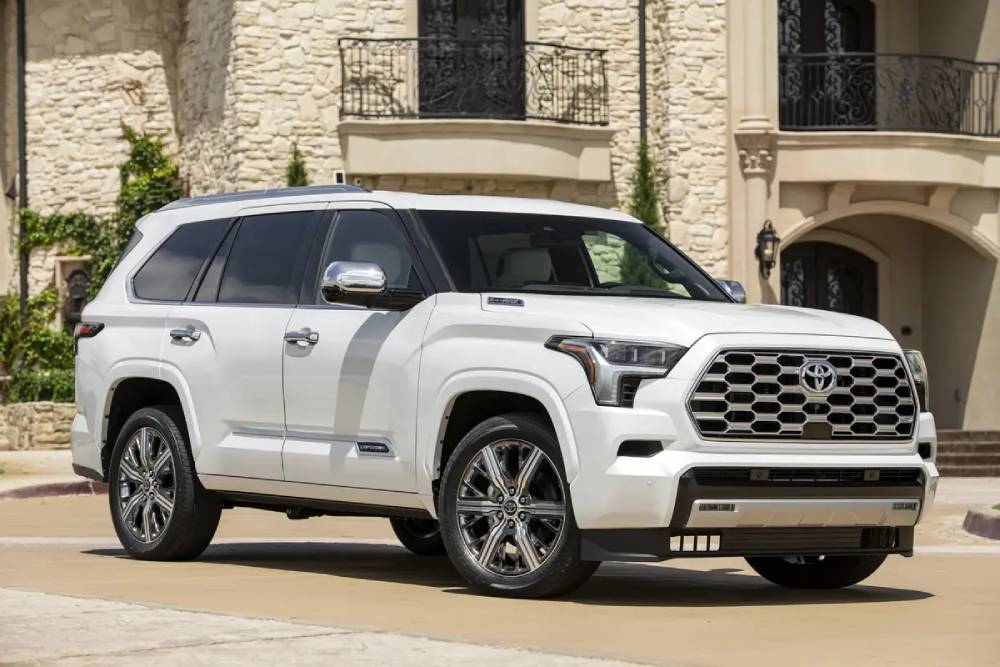
How Many Miles Can a Toyota Sequoia Last?
One of the biggest reasons buyers continue to trust the Toyota Sequoia is its reputation for exceptional long term durability. Unlike many full size SUVs that begin showing significant wear after crossing 150,000 miles, the Sequoia often goes much further with proper care.
On average, a Toyota Sequoia can last between 200,000 and 300,000 miles. In many cases, owners report surpassing these numbers without major engine failure. For drivers who maintain their vehicles consistently and address small problems before they become expensive repairs, reaching extremely high mileage is realistic.
To put this into perspective, the average American drives around 12,000 to 15,000 miles each year. That means a Sequoia capable of reaching 300,000 miles could potentially remain on the road for close to twenty years.
Many high mileage examples still appear in used vehicle markets today. It is not uncommon to find first generation Sequoias with over 250,000 miles still operating as family vehicles, work SUVs, or towing machines. Some owners have even shared stories of crossing 400,000 miles with original engines still functioning.
The reason behind this longevity often comes down to Toyota engineering. Sequoia models traditionally use durable V8 engines known for reliability and conservative tuning. Rather than pushing extreme performance numbers, Toyota focused on long term dependability.
Still, mileage alone does not tell the entire story. A carefully maintained SUV with 220,000 miles can often be a smarter purchase than a neglected one with only 120,000 miles.
Factors That Affect Toyota Sequoia Lifespan
Not every Toyota Sequoia reaches 300,000 miles. Two vehicles built in the same year can have dramatically different life expectancies depending on how they were treated over time.
Routine maintenance is perhaps the biggest factor affecting longevity. Regular oil changes help reduce engine wear and maintain internal performance. Ignoring simple maintenance schedules often leads to expensive issues later in a vehicle’s life.
Transmission service also plays a critical role. Full size SUVs place considerable stress on transmissions due to heavy weight and towing demands. Owners who change fluids regularly and avoid aggressive driving habits usually experience fewer transmission problems.
Driving conditions can significantly influence mileage potential as well. Highway driving tends to be easier on engines and suspension systems because speeds remain consistent. In contrast, constant stop and go traffic increases wear on brakes, transmissions, and cooling systems.
Climate is another overlooked factor. Areas with heavy snow and road salt can accelerate frame corrosion. Older Toyota Sequoias occasionally developed rust related issues underneath the vehicle. A truck driven in dry climates often ages differently than one exposed to harsh winter conditions every year.
Frequent towing can also shorten lifespan if owners exceed recommended limits. While the Sequoia is designed to handle trailers and heavy loads, constant strain places additional pressure on engines, brakes, and suspension components.
Vehicle history matters just as much as maintenance records. Previous accidents, neglected repairs, and inconsistent servicing can dramatically reduce longevity even if mileage appears reasonable.
Interestingly, many first generation Toyota Sequoias remain on the road today after more than twenty years of use. That kind of durability is one reason loyal owners continue returning to the model generation after generation.
Common Toyota Sequoia Problems at High Mileage
Even the most reliable SUVs develop issues as mileage increases, and Toyota Sequoia models are no exception. Understanding common high mileage problems can help buyers avoid expensive surprises.
One of the most discussed issues among older Sequoia owners involves frame rust. This problem appeared more frequently in earlier generations, particularly in regions with harsh winters and road salt exposure. Severe rust can compromise structural integrity and create expensive repair costs.
Suspension wear also becomes common as mileage rises. Components such as ball joints, shocks, bushings, and control arms naturally deteriorate over time. Drivers may notice rougher rides, unusual noises, or less responsive handling.
Some high mileage Sequoias develop transmission concerns as well. Delayed shifting, slipping, or rough gear changes can appear if transmission maintenance was ignored over the years.
Exhaust manifold cracks have also been reported in certain model years. Drivers sometimes hear ticking noises during startup or acceleration. While not always catastrophic, repairs can become costly if ignored.
Timing belt service is another important maintenance item for older V8 powered Sequoias. Some owners overlook replacement schedules and later face severe engine damage risks.
Fuel economy often declines as vehicles age too. Carbon buildup, worn sensors, aging fuel systems, and general mechanical wear can gradually reduce efficiency. For buyers already concerned about fuel costs in a large SUV, this becomes an important consideration.
None of these issues automatically make a Toyota Sequoia a poor purchase. The key difference lies in identifying whether maintenance was performed consistently throughout the vehicle’s life.
Which Toyota Sequoia Years Last the Longest?
Not all Toyota Sequoia model years deliver the same ownership experience. While the Sequoia generally maintains a strong reputation for reliability, some years stand out for exceptional durability while others developed issues that buyers should carefully research before purchasing.
Among first generation models, the 2005 and 2006 Toyota Sequoia are frequently considered some of the strongest choices. By that point, Toyota had already addressed several early production issues and refined the platform. These models gained a reputation for dependable V8 performance and long term mechanical reliability.
The 2008 model also deserves attention because it introduced the second generation Sequoia with major updates in power, interior space, and towing capability. While first year redesigns sometimes raise concerns, many owners reported solid reliability with proper maintenance.
Later models such as the 2016, 2019, and 2021 Toyota Sequoia also perform well in long term ownership discussions. These years benefited from years of engineering improvements and fewer widespread complaints. Buyers looking for a balance between modern technology and proven dependability often consider these model years among the safest options.
However, understanding which years to avoid matters just as much as knowing the best choices. Certain earlier models experienced more frame corrosion concerns, while some owners reported mechanical issues that increased ownership costs.
Rather than focusing only on the production year, buyers should remember an important truth: a well maintained older Sequoia often outperforms a newer model that received poor care. Maintenance history can completely change the ownership experience.
Is a Toyota Sequoia With Over 200,000 Miles Worth Buying?
Many buyers immediately hesitate when they see a used SUV with over 200,000 miles on the odometer. That reaction is understandable because high mileage often creates images of major repairs and expensive surprises. However, mileage alone should never determine whether a Toyota Sequoia deserves consideration.
A Sequoia with over 200,000 miles can absolutely remain a smart purchase if it has been maintained properly. In fact, many owners specifically search for higher mileage Toyota vehicles because durability records have repeatedly proven impressive over time.
The first thing buyers should request is a complete maintenance history. Service records provide valuable insight into how previous owners cared for the vehicle. Regular oil changes, transmission service, cooling system maintenance, and suspension repairs often indicate responsible ownership.
Next, inspect the frame carefully. Rust underneath the vehicle can create larger problems than high mileage itself. Structural damage from corrosion may require expensive repairs and can sometimes become a safety concern.
Engine condition also deserves close attention. Listen for unusual sounds during startup, monitor idle quality, and watch for smoke or warning lights. Even highly reliable engines eventually develop wear if maintenance was ignored.
A pre purchase inspection by an independent mechanic can save buyers from costly mistakes. Spending a small amount before purchase may prevent thousands of dollars in unexpected repair bills later.
Some shoppers become too focused on mileage numbers while ignoring vehicle condition. A carefully maintained Toyota Sequoia with 220,000 miles may provide greater long term value than a neglected SUV showing only 120,000 miles.
Real Owner Experiences With High Mileage Toyota Sequoias
One reason the Toyota Sequoia continues to build a loyal following is the number of long term owners sharing remarkable stories about vehicle longevity. While manufacturer claims and specifications matter, real world experiences often influence buyers even more.
Many owners report crossing 250,000 miles with relatively few major mechanical failures. Some drivers continue using first generation Sequoias for daily commuting, family transportation, and towing duties decades after purchase.
Several owners have documented vehicles reaching 300,000 miles while still running original engines and transmissions. Although repairs naturally occur over time, many describe maintenance costs as predictable rather than overwhelming.
Some owners even report mileage approaching 400,000 miles. These examples typically share common patterns. They receive regular oil changes, preventative maintenance, prompt repairs, and careful driving habits.
What stands out most is not simply the mileage itself. It is the confidence owners develop after years behind the wheel. Many Sequoia drivers describe feeling comfortable taking long road trips even after surpassing mileage levels that might concern owners of other vehicles.
Stories like these reinforce an important message for used vehicle shoppers. High mileage should create questions, not fear. When maintenance history, inspection results, and overall condition align, a Toyota Sequoia can continue delivering value far beyond expectations.
Conclusion
The Toyota Sequoia has earned its reputation as one of the longest lasting full size SUVs for good reason. While many vehicles begin showing serious signs of age after crossing 150,000 miles, a properly maintained Sequoia can often reach 200,000 to 300,000 miles and sometimes even go far beyond that milestone. Stories of owners driving their SUVs past 400,000 miles are not rare, and that level of longevity continues attracting buyers searching for a dependable used vehicle.
Still, mileage should never be the only number influencing your decision. A high mileage Toyota Sequoia with detailed maintenance records, a clean frame, and a history of responsible ownership can be a far better investment than a lower mileage SUV that was neglected. Looking beyond the odometer often reveals the true condition of a vehicle.
Buyers should pay close attention to common high mileage concerns such as rust, suspension wear, transmission health, and major maintenance history. Spending time on inspections before purchase can prevent expensive surprises later.
If you are considering a used Toyota Sequoia, think beyond the fear of seeing 200,000 miles on the dashboard. The better question may not be how many miles a Sequoia has already traveled. The real question is how well those miles were treated.
Would you choose a newer Toyota Sequoia with a higher price tag, or a well maintained older model with over 200,000 miles? Share your thoughts and experiences in the comments below.