Can a pickup truck realistically survive 300,000 miles and still remain dependable? For many truck owners, that question leads directly to the Toyota Tundra. Over the years, Toyota built a reputation for creating trucks that can endure decades of work, long road trips, heavy towing, and daily driving without becoming a financial burden. Stories of Tundras crossing 400,000 miles are common, helping the model earn legendary status among truck enthusiasts.
However, when discussing Toyota Tundra reliability by generation, not every model tells the same story. Some generations became icons of durability and long term value, while others introduced new technologies that raised concerns among buyers. If you are shopping for a used Tundra, choosing the wrong generation could transform what appears to be a bargain into an expensive ownership experience filled with unexpected repairs and maintenance costs.
Many buyers face a common challenge. They want a truck with modern features and strong performance, but they also want peace of mind. Saving money upfront means very little if engine problems, transmission failures, or recurring issues appear later. Understanding how reliability changed across different Toyota Tundra generations can help buyers avoid costly mistakes.
In this guide, we will analyze Toyota Tundra reliability by generation, explore common strengths and weaknesses, and identify which models deliver the best long term ownership experience.
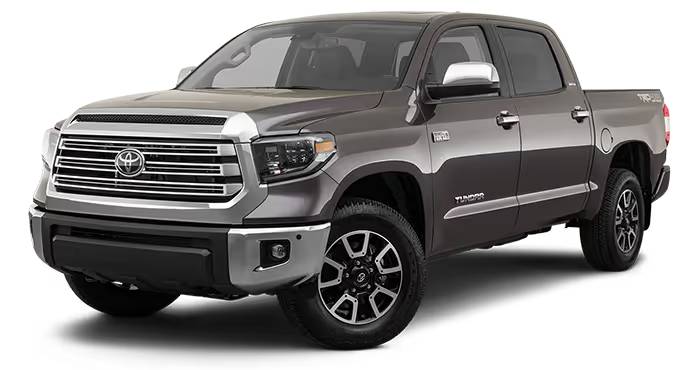
Understanding Toyota Tundra Generations
Before comparing reliability, it is important to understand how the Toyota Tundra evolved over time. Each generation brought major changes in engineering, performance, technology, and design. While newer trucks often offer more power and advanced features, they can also introduce additional complexity. For buyers focused on long term dependability, these changes matter.
Toyota Tundra history can be divided into three generations:
First Generation: 2000–2006
This was Toyota’s first serious attempt to compete in the full size truck market. The design emphasized simplicity and durability over cutting edge technology. These trucks featured fewer electronics and straightforward mechanical systems.
Second Generation: 2007–2021
Toyota dramatically redesigned the Tundra to appeal to a broader market. Larger dimensions, stronger towing capability, improved interiors, and the famous 5.7L V8 helped this generation become one of the most respected trucks in its class.
Third Generation: 2022–Present
The newest Tundra abandoned the V8 and introduced a twin turbocharged V6 engine alongside hybrid technology. Toyota also added advanced driver assistance systems and significantly upgraded interior technology.
Why does generation matter when discussing reliability? Truck buyers often focus on model years, but generations reveal deeper engineering patterns. A redesign can introduce new strengths but also create new risks. Understanding these shifts can save buyers from expensive surprises later.
First Generation Toyota Tundra (2000–2006): Simple and Surprisingly Durable
The first generation Toyota Tundra may appear outdated compared to newer trucks, but many owners still consider it one of the most dependable pickups Toyota ever produced. Instead of relying on advanced electronics and complicated systems, Toyota focused on proven engineering.
One reason these trucks earned such a strong reputation is mechanical simplicity. Fewer sensors, fewer computer controlled systems, and straightforward powertrains often meant fewer opportunities for expensive failures. The available V8 engines gained recognition for durability and smooth performance.
Another major advantage was maintenance cost. Owners frequently report relatively affordable repair expenses compared to competitors. Many first generation trucks continue operating well beyond 300,000 miles with proper maintenance.
This generation also appeals to buyers who prioritize reliability over luxury. Drivers who need a dependable work truck often appreciate its rugged simplicity.
Still, no truck is perfect. One of the largest concerns involved frame rust. Toyota eventually issued large recall and replacement programs because corrosion became severe in certain regions. Buyers considering an older Tundra should inspect the frame carefully before purchasing.
The towing capacity also feels limited compared to modern standards. Buyers planning to tow large trailers or boats may find later generations more suitable.
A surprising fact about this generation continues to impress truck enthusiasts. Some owners have reported original engines lasting more than 400,000 miles, strengthening the Tundra’s reputation as a truck designed for the long haul.
Second Generation Toyota Tundra (2007–2021): The Reliability Sweet Spot
Many truck experts consider the second generation Toyota Tundra the ideal balance between modern capability and proven reliability. Toyota significantly upgraded the truck without overcomplicating its design.
The introduction of the 5.7 liter V8 became one of the biggest reasons for this generation’s success. The engine earned widespread praise for power, durability, and towing performance. Owners frequently describe it as nearly indestructible when maintained properly.
This generation offered substantial improvements over earlier models. Larger cabin space, stronger towing capabilities, improved safety features, and more refined interiors helped the Tundra compete with domestic rivals.
For buyers searching for dependable used trucks, several model years stand out:
2013 Toyota Tundra
2015 Toyota Tundra
2018 Toyota Tundra
2020 Toyota Tundra
These years developed strong reputations for reliability and owner satisfaction.
However, early second generation models deserve additional caution. Initial redesign years sometimes experience unexpected problems as manufacturers work through production challenges.
Certain owners reported issues involving:
Air injection pump failures
Minor transmission concerns
Secondary mechanical problems in earlier production years
The challenge many truck shoppers face is balancing modern features with long term dependability. Buyers often want improved comfort and technology but worry about expensive repairs later.
For many people, the second generation successfully solved that problem. It delivered enough modern capability while preserving the toughness that made Toyota trucks famous.
Third Generation Toyota Tundra (2022–Present): More Technology, More Questions
The third generation Toyota Tundra marked one of the most significant transformations in the truck’s history. Toyota moved away from the beloved V8 and introduced a twin turbocharged V6 engine along with an available hybrid powertrain. On paper, the changes made sense. Buyers wanted improved fuel economy, stronger performance, and more advanced technology. Toyota responded with a truck designed to meet modern expectations.
Performance immediately improved in several areas. The new powertrain delivers stronger torque at lower RPMs, making towing and acceleration feel more responsive. Drivers also gained access to upgraded interiors, larger infotainment screens, advanced safety systems, and premium features that previous generations lacked.
For truck buyers seeking comfort and technology, the latest Tundra can feel like a major step forward. The cabin quality rivals many luxury vehicles, and the driving experience feels far more refined than older models.
However, reliability discussions become more complicated with new technology. The previous V8 platform had years of real world testing behind it. Owners knew what to expect because millions of miles had already proven its durability. The twin turbo V6 does not yet have that same history.
Early production years generated concerns among some owners. Reports involving recalls and initial manufacturing issues created hesitation among buyers who typically prioritize long term reliability over innovation.
Many truck shoppers face a difficult question. Is it worth becoming an early adopter of new technology when long term outcomes remain uncertain?
Turbochargers, hybrid systems, and additional electronics can improve performance, but they also create more complexity. More components often mean more opportunities for repairs once vehicles accumulate mileage.
That does not necessarily mean the newest Tundra lacks reliability. Toyota historically addresses issues effectively over time. The challenge is that buyers still lack the decades of ownership data available for earlier generations.
For now, many cautious shoppers continue waiting for stronger long term evidence before fully trusting the newest generation.
Reliability Comparison Across Generations
Each Toyota Tundra generation appeals to different buyers because reliability means more than simply avoiding repairs. Ownership costs, maintenance complexity, durability, and confidence over time all influence purchasing decisions.
The first generation built its reputation through simplicity. Fewer electronics and straightforward engineering allowed many trucks to remain on the road for decades. Owners appreciated affordable maintenance and dependable V8 performance.
The second generation improved capability without sacrificing durability. Many enthusiasts consider this era the peak of Toyota truck reliability because it combined modern features with proven engineering.
The third generation introduces impressive technology and performance improvements, but its long term durability story remains unfinished.
Here is a practical comparison:
| Generation | Reliability | Maintenance Cost | Technology | Long Term Confidence |
|---|---|---|---|---|
| First Generation (2000–2006) | High | Low | Low | Very High |
| Second Generation (2007–2021) | Excellent | Moderate | Moderate | Excellent |
| Third Generation (2022–Present) | Developing | Moderate to High | High | Still Evolving |
For buyers focused purely on long term ownership confidence, the second generation often receives the highest recommendation. It offers a combination of power, durability, and proven real world performance that few competitors can match.
Best Toyota Tundra Years Based on Reliability
Although discussing Toyota Tundra reliability by generation helps reveal overall trends, buyers usually want specific model years that stand out.
Several years repeatedly appear on reliability rankings and owner recommendations.
2005 Toyota Tundra
The 2005 model represented one of the most refined versions of the first generation. By this point Toyota had already corrected many earlier issues. Buyers often praise its durability and mechanical simplicity.
2006 Toyota Tundra
As the final year before a major redesign, the 2006 model benefited from years of improvements and real world feedback. Many enthusiasts consider it one of the safest used Tundra purchases.
2013 Toyota Tundra
The 2013 model arrived after Toyota addressed many early second generation concerns. It delivered stronger reliability with fewer complaints than earlier redesign years.
2015 Toyota Tundra
This model gained recognition for balancing capability, comfort, and durability. Owners frequently report high mileage with relatively few serious issues.
2018 Toyota Tundra
By this stage, the second generation platform had matured significantly. Reliability ratings and owner satisfaction remained consistently strong.
2020 Toyota Tundra
Many buyers consider 2020 one of the strongest modern Tundra choices because Toyota refined the truck over many production years before introducing the next redesign.
Choosing one of these proven years can reduce ownership risk significantly. Spending slightly more upfront often saves buyers from expensive repairs and unexpected frustration later.
Frequently Asked Questions
Which Toyota Tundra generation is the most reliable?
Many truck owners and automotive experts consider the second generation Toyota Tundra, particularly later model years, the most reliable overall. It strikes an excellent balance between durability, towing capability, comfort, and modern features. Models such as the 2013, 2015, 2018, and 2020 Tundra developed strong reputations for long term dependability and owner satisfaction.
Which Toyota Tundra years should buyers avoid?
Buyers often approach early redesign years with extra caution. Certain early second generation models, particularly 2007 and 2008, received more complaints than later years. Some owners reported air injection pump failures and various early production concerns. This does not mean every truck from those years is problematic, but a careful inspection and maintenance history review become especially important.
Can a Toyota Tundra really reach 300,000 miles?
Yes. One of the strongest reasons behind Toyota Tundra’s reputation is its ability to accumulate extremely high mileage. Numerous owners report driving their trucks well beyond 300,000 miles with routine maintenance. Some examples have even exceeded 400,000 miles while still running with original major components.
Is the new twin turbo Toyota Tundra reliable?
The newest generation shows promising early signs, but it still lacks the long term ownership history available for older models. The twin turbocharged V6 delivers stronger performance and better efficiency, but many buyers remain cautious because newer technology often needs time to prove itself under years of real world use.
Is buying a used Toyota Tundra still worth it?
For many buyers, the answer is yes. A well maintained used Tundra can deliver excellent long term value. However, choosing the right generation and model year makes a major difference. Paying slightly more for a dependable year may prevent costly repairs and ownership frustration later.
Conclusion
When evaluating Toyota Tundra reliability by generation, one thing becomes clear. Toyota built its truck reputation on durability, but each generation offers a different ownership experience.
The first generation earned respect through simplicity and proven engineering. These trucks may lack modern technology, but they continue impressing owners with durability and low maintenance costs. For buyers who value reliability above everything else, they remain surprisingly attractive choices.
The second generation became the sweet spot for many truck enthusiasts. It introduced stronger towing capability, improved comfort, and the legendary 5.7 liter V8 while maintaining the toughness buyers expected. For many people searching for the best Toyota Tundra years, this generation stands out as the safest long term investment.
The newest third generation represents Toyota’s future direction. Advanced technology, turbocharged performance, and modern design create a more refined truck experience. Yet many buyers still prefer waiting for additional long term reliability data before making a decision.
If your goal is finding a truck that can deliver years of dependable service without becoming a financial headache, understanding Toyota Tundra reliability by generation can help you make a smarter purchase decision.