Few things are more alarming than seeing a warning light appear on your Mini Cooper’s dashboard, especially when you are unsure whether it signals a minor issue or an expensive repair. One of the most common alerts Mini owners encounter is the yellow engine light, also known as the check engine light. While it may be tempting to ignore the warning if the vehicle seems to be running normally, doing so can sometimes lead to more serious and costly problems down the road.
The yellow engine light is designed to notify drivers that the vehicle’s onboard diagnostic system has detected an issue affecting engine performance or emissions. In some cases, the cause may be as simple as a loose fuel cap. In others, it could indicate problems involving ignition components, sensors, or the emissions control system.
Understanding what this warning light means can help you make informed decisions about your safety, maintenance priorities, and repair expenses. In this guide, we will explain the meaning of the Mini Cooper yellow engine light, explore the most common causes behind it, and discuss practical solutions to get your vehicle back to optimal condition.
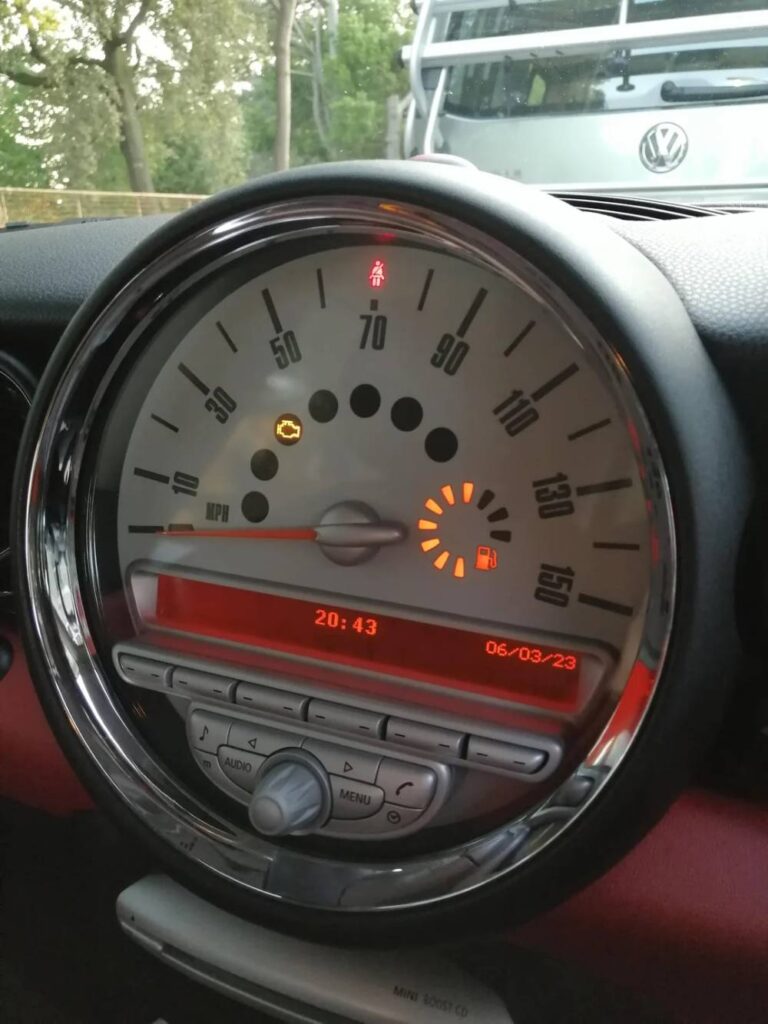
What Does the Yellow Engine Light Mean on a Mini Cooper?
The yellow engine light on a Mini Cooper is part of the vehicle’s onboard diagnostics system, commonly referred to as the OBD system. When this warning light illuminates, it indicates that the engine control unit has detected an issue that may affect engine performance, fuel efficiency, or emissions output. Contrary to popular belief, the warning does not always signal a catastrophic engine failure. However, it should never be ignored.
The way the light behaves can provide important clues about the severity of the problem. A steady yellow engine light typically points to a non-urgent issue that still requires attention. Common triggers include a malfunctioning oxygen sensor, a loose fuel cap, or an emissions-related fault. In these situations, the vehicle may continue to operate normally, but scheduling a diagnostic inspection as soon as possible is highly recommended.
A flashing yellow engine light is a much more serious warning. This often indicates an active engine misfire that could damage the catalytic converter if the vehicle continues to be driven. Drivers may notice symptoms such as rough idling, hesitation during acceleration, reduced power, or unusual vibrations. If the light begins flashing, it is best to stop driving when it is safe to do so and seek professional assistance immediately.
Understanding the meaning behind this warning light allows Mini Cooper owners to respond appropriately rather than relying on guesswork. Prompt action can prevent small problems from turning into expensive repairs.
Can You Continue Driving With the Yellow Engine Light On?
One of the first questions drivers ask after seeing the yellow engine light is whether it is safe to continue driving. The answer depends largely on how the vehicle behaves and whether the warning light is steady or flashing.
If the yellow engine light remains steady and the Mini Cooper continues to drive normally, it is generally safe to continue your journey for a short period. There should be no noticeable loss of power, unusual noises, excessive exhaust smoke, or strong burning odors. Even so, arranging a diagnostic check at the earliest opportunity is important because unresolved issues can worsen over time.
On the other hand, certain warning signs indicate that the vehicle should not be driven any further. A flashing engine light, significant engine vibration, severe power loss, difficulty accelerating, or visible smoke from the exhaust may point to a serious underlying problem. Continuing to operate the vehicle under these conditions can lead to extensive engine damage and substantially higher repair costs.
Many Mini Cooper owners postpone diagnostics because they hope the warning light will disappear on its own or fear expensive repair bills. Unfortunately, delaying inspection often results in more complicated and costly repairs. Addressing the issue early not only protects the engine but can also save money in the long run.
When in doubt, it is always better to exercise caution. Consulting a qualified technician can provide clarity and prevent unnecessary risks.
Common Causes of a Mini Cooper Yellow Engine Light
Several different issues can trigger the yellow engine light on a Mini Cooper. Identifying the underlying cause requires proper diagnostics, but understanding the most common culprits can help owners recognize potential problems.
A faulty oxygen sensor is one of the leading causes. This sensor monitors the amount of oxygen in the exhaust gases and helps regulate the air-fuel mixture. When it fails, fuel economy may decrease and engine performance can suffer.
Another surprisingly common cause is a loose or damaged fuel cap. An improperly sealed fuel system can trigger emissions-related fault codes, causing the check engine light to illuminate even though the vehicle drives normally.
Ignition coil failure is also frequently reported among Mini Cooper owners. Defective ignition coils can lead to engine misfires, rough idling, hesitation during acceleration, and reduced overall performance. If left unresolved, they may contribute to catalytic converter damage.
Worn spark plugs can produce similar symptoms. Over time, spark plugs lose efficiency, making combustion less effective and resulting in hard starts, poor fuel economy, and engine hesitation.
Mass air flow sensor problems may also activate the warning light. This sensor measures the amount of air entering the engine so the control unit can determine the correct amount of fuel to inject. When inaccurate readings occur, drivers may experience stalling, rough operation, or sluggish acceleration.
Vacuum leaks represent another possible cause. Cracked hoses or deteriorated seals can allow unmetered air into the engine, disrupting the air-fuel balance and affecting drivability.
Finally, catalytic converter issues are among the more expensive problems associated with a yellow engine light. Symptoms may include reduced engine power, a sulfur-like smell from the exhaust, and failure to pass emissions testing. Early diagnosis is essential because prolonged neglect can significantly increase repair costs.
How to Diagnose the Problem
Diagnosing the cause of a yellow engine light in a Mini Cooper begins with observing how the vehicle behaves. The first step is to determine whether the warning light is steady or flashing. A steady light often indicates a less urgent issue, while a flashing light may point to a severe engine misfire that requires immediate attention.
Next, pay close attention to any accompanying symptoms. Unusual engine noises, rough idling, sluggish acceleration, reduced fuel efficiency, or noticeable vibrations can provide valuable clues about the nature of the problem. Recording these symptoms before visiting a repair shop can help technicians identify the issue more efficiently.
Using an OBD-II scanner is one of the most effective ways to diagnose the problem. This diagnostic tool connects to the vehicle’s onboard computer and retrieves trouble codes stored by the engine control unit. These codes serve as a starting point for identifying malfunctioning components or systems. It is important to note that diagnostic codes do not always reveal the exact part that needs replacement. Instead, they indicate the area where further inspection is required.
Drivers who have access to a scanner should document all fault codes before clearing them. Erasing the codes without resolving the underlying issue may temporarily switch off the warning light, but the problem will likely return. If the cause remains unclear or if multiple fault codes appear simultaneously, consulting a qualified Mini Cooper technician is strongly recommended.
Early diagnosis not only reduces the risk of further damage but also improves the chances of resolving the issue with a less expensive repair.
How Much Does It Cost to Fix a Mini Cooper Yellow Engine Light?
The cost of repairing a Mini Cooper after the yellow engine light appears can vary significantly depending on the underlying cause. Some issues involve simple fixes, while others require extensive labor and replacement of major components.
Minor problems, such as a loose fuel cap, can often be resolved with little to no expense. Replacing worn spark plugs is another relatively affordable repair that can restore engine performance and improve fuel efficiency.
Moderately priced repairs may include replacing oxygen sensors, ignition coils, or mass air flow sensors. These components play essential roles in maintaining proper engine operation, and failure to address them promptly can lead to additional complications.
Vacuum leak repairs can vary considerably in price because the source of the leak may be difficult to locate. Small cracks in hoses may be inexpensive to repair, whereas leaks involving inaccessible components could increase labor costs.
Among the most expensive repairs associated with a yellow engine light is catalytic converter replacement. Because this component is responsible for reducing harmful emissions, prolonged engine misfires or neglected maintenance can eventually cause it to fail. Replacing a catalytic converter often represents a substantial financial burden for vehicle owners.
Although the prospect of repair costs can be concerning, delaying diagnosis rarely saves money. Addressing problems during their early stages often prevents more severe damage and reduces the likelihood of facing extensive repair bills in the future.
How to Prevent the Yellow Engine Light From Coming Back
Preventive maintenance remains the most effective strategy for minimizing the risk of seeing the yellow engine light reappear on your Mini Cooper’s dashboard. Consistent care not only enhances vehicle reliability but also contributes to improved performance and lower long-term ownership costs.
Following the manufacturer’s recommended maintenance schedule is essential. Routine inspections, oil changes, spark plug replacements, and fluid checks help ensure that critical systems continue operating as intended. Neglecting these services increases the likelihood of component failures that may trigger warning lights.
Using high-quality fuel can also benefit engine health. Poor fuel quality may contribute to carbon buildup, inefficient combustion, and increased strain on emissions-related components. Selecting reputable fuel stations can help reduce these risks.
Vehicle owners should address minor drivability concerns promptly rather than waiting for them to worsen. Rough idling, occasional hesitation, or unexplained decreases in fuel economy often serve as early indicators of developing issues. Investigating these symptoms before the check engine light appears can prevent more extensive repairs.
Periodic diagnostic scans provide another layer of protection. Even when no warning lights are visible, scanning the vehicle for pending fault codes may reveal problems in their earliest stages. Early intervention often leads to simpler and less expensive solutions.
Most importantly, never ignore dashboard warnings. The yellow engine light exists to alert drivers that attention is needed. Responding quickly and responsibly can preserve your Mini Cooper’s performance, improve safety, and extend the lifespan of vital engine components.
Frequently Asked Questions
Why did my Mini Cooper yellow engine light come on suddenly?
A yellow engine light can appear unexpectedly for a variety of reasons. Common causes include a loose fuel cap, a failing oxygen sensor, worn spark plugs, ignition coil problems, vacuum leaks, or issues within the emissions control system. Since the warning light only indicates that the onboard diagnostics system has detected a fault, a proper diagnostic scan is necessary to determine the exact cause.
Can I drive my Mini Cooper with the yellow engine light on?
If the light remains steady and the vehicle continues to operate normally, it is generally safe to drive for a short period while arranging a professional inspection. However, if the light begins flashing or is accompanied by symptoms such as engine misfires, excessive vibration, power loss, or unusual noises, driving should be avoided until the problem has been diagnosed and repaired.
Can I reset the check engine light myself?
Yes, the warning light can often be reset using an OBD-II scanner after the fault codes have been addressed. Disconnecting the battery may also clear certain codes on some models. However, resetting the light without correcting the underlying issue is not a permanent solution. In most cases, the light will return once the system detects the fault again.
Does a yellow engine light always mean an expensive repair?
Not necessarily. Some issues, such as replacing a fuel cap or worn spark plugs, are relatively inexpensive to resolve. Others, including catalytic converter failures or complex emissions-related problems, can be significantly more costly. Early diagnosis is often the key to minimizing repair expenses.
What is the difference between a yellow engine light and a red engine warning light?
A yellow engine light typically serves as a cautionary warning that the vehicle requires inspection and maintenance in the near future. A red engine warning light generally indicates a more serious condition that could threaten the engine’s integrity or driver safety. In such situations, the vehicle should be stopped as soon as it is safe to do so, and professional assistance should be sought immediately.
Conclusion
Seeing the Mini Cooper yellow engine light illuminate can be unsettling, especially when the cause is unclear. Although the warning does not always indicate a major mechanical failure, it should never be ignored. The check engine light is designed to alert drivers to problems that may affect engine performance, fuel efficiency, or emissions compliance.
Understanding the meaning behind the warning, recognizing the most common causes, and responding appropriately can help prevent minor concerns from developing into expensive repairs. Whether the issue stems from a loose fuel cap, a faulty sensor, ignition system components, or a more serious emissions-related fault, timely diagnosis is essential.
Regular maintenance, prompt attention to unusual vehicle behavior, and periodic diagnostic checks can go a long way toward keeping your Mini Cooper running smoothly. Taking a proactive approach not only protects your investment but also enhances driving safety and overall reliability.
If your Mini Cooper’s yellow engine light has recently appeared, do not wait for the problem to escalate. Schedule a diagnostic inspection, address the underlying issue, and restore confidence in your vehicle’s performance.
Have you experienced a yellow engine light in your Mini Cooper? Share your story, questions, or repair experiences in the comments below. Your insights could help fellow Mini owners navigate the same situation with greater confidence.