Seeing a warning light illuminate on your dashboard can be stressful, especially when you are unsure what it means or how serious the problem might be. For many Mini Cooper owners, the appearance of the half engine light often triggers immediate concern. Questions such as “Can I still drive my car?” or “Am I facing an expensive repair bill?” quickly come to mind.
The truth is that the Mini Cooper half engine warning light can indicate a variety of issues ranging from minor sensor malfunctions to more significant mechanical problems that require immediate attention. In many cases, the vehicle enters a reduced power mode, commonly referred to as limp mode, to protect the engine from potential damage. While this safety feature is designed to prevent costly failures, ignoring the warning could lead to worsening performance and higher repair expenses over time.
Understanding the possible causes behind this warning is essential for every Mini Cooper owner. Knowing what symptoms to look for, when it is safe to continue driving, and what steps to take next can save both time and money.
In this guide, we will explore the most common Mini Cooper half engine light causes and solutions, explain how to diagnose the issue accurately, and provide practical advice on the best course of action to keep your Mini running smoothly and safely.
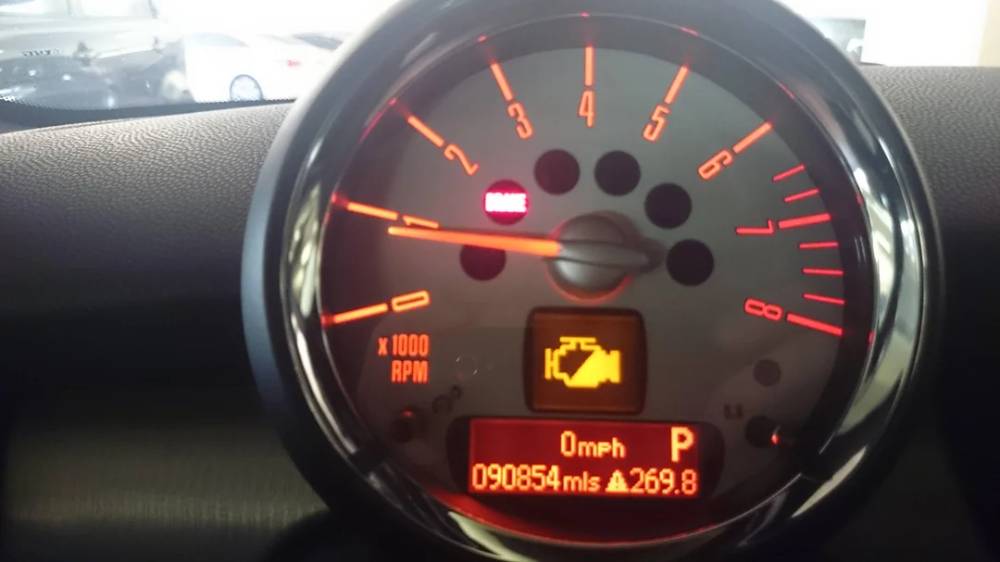
What Does the Half Engine Light Mean on a Mini Cooper?
The half engine warning light on a Mini Cooper is one of the most misunderstood dashboard indicators. Unlike the traditional check engine light, this symbol often signals that the vehicle has detected an issue affecting engine performance and has activated a protective function known as reduced power mode.
When the vehicle’s Engine Control Unit identifies abnormal readings from critical components, it may limit engine output to minimize the risk of further damage. This condition is commonly referred to as limp mode. Drivers may notice reduced acceleration, slower throttle response, or difficulty reaching higher speeds. Although the car may still be drivable in some situations, its performance is intentionally restricted.
It is important to understand that the half engine light does not automatically mean catastrophic engine failure. In many cases, the underlying cause may involve faulty ignition components, sensor issues, fuel delivery problems, or carbon buildup. However, because the warning covers a broad range of potential faults, ignoring it is never advisable.
The severity of the issue depends on the accompanying symptoms. A vehicle that continues to operate normally with only the warning light illuminated may require prompt diagnosis rather than emergency assistance. On the other hand, significant power loss, rough engine operation, or unusual noises warrant immediate attention from a qualified technician.
Ultimately, the half engine light serves as an early warning system designed to protect both the engine and the driver from more serious consequences.
Is It Safe to Drive With the Half Engine Light On?
One of the first questions Mini Cooper owners ask after seeing the half engine warning is whether it is safe to continue driving. The answer depends largely on how the vehicle behaves after the warning appears.
If the car maintains normal performance with only a slight reduction in power, it may be possible to drive cautiously to a nearby repair facility. During this time, drivers should avoid aggressive acceleration, high engine speeds, and extended trips that could place additional strain on the engine.
However, certain warning signs indicate that the vehicle should not be driven any farther. Severe shaking, noticeable misfires, loud knocking sounds, excessive exhaust smoke, or a significant drop in power suggest that continuing to operate the vehicle could cause additional damage. In these circumstances, arranging professional assistance or towing the vehicle to a repair shop is the safest option.
Many drivers make the mistake of postponing diagnosis because the car appears to function adequately. Unfortunately, minor symptoms can quickly develop into more serious and expensive repairs. A faulty ignition coil left unresolved, for example, can eventually damage the catalytic converter. Likewise, fuel delivery problems may place stress on other engine components.
Whenever the half engine light appears, it should be viewed as a warning that deserves timely investigation. Taking action early often results in lower repair costs and prevents unexpected breakdowns.
Common Mini Cooper Half Engine Light Causes and Solutions
Several different mechanical and electrical issues can trigger the half engine warning light. Understanding the most common causes can help owners identify potential problems more quickly.
Faulty Ignition Coils or Spark Plugs
Ignition-related problems are among the most frequent reasons behind the half engine warning. Worn spark plugs or failing ignition coils can cause incomplete combustion, resulting in engine misfires.
Common symptoms include rough idling, hesitation during acceleration, reduced fuel efficiency, and noticeable vibrations while driving. Replacing worn spark plugs and defective ignition coils typically resolves the issue and restores smooth engine performance.
High Pressure Fuel Pump Failure
The high pressure fuel pump plays a critical role in delivering fuel to the engine. When this component begins to fail, the engine may struggle to maintain consistent performance.
Drivers often report difficulty starting the vehicle, loss of power during acceleration, and intermittent hesitation. Diagnostic testing is necessary to confirm the problem, and replacement of the fuel pump may be required.
Turbocharger Problems
Turbocharged Mini Cooper models rely on a properly functioning turbo system to deliver optimal power output. Leaks within the boost system or internal turbocharger damage can trigger reduced power mode.
Symptoms may include sluggish acceleration, unusual whistling sounds, increased exhaust smoke, and reduced engine responsiveness. Depending on the severity of the issue, repairs may involve replacing damaged hoses or installing a new turbocharger.
Throttle Body Malfunctions
The throttle body regulates airflow entering the engine. If it becomes contaminated with carbon deposits or experiences an electronic failure, the engine control system may restrict performance.
Drivers may notice delayed throttle response, inconsistent idle speed, or sudden reductions in power. Cleaning the throttle body can sometimes resolve the issue, although replacement may be necessary in more severe cases.
Faulty Oxygen Sensors
Oxygen sensors monitor exhaust gases and help optimize the air fuel mixture. When these sensors fail, inaccurate readings can negatively affect engine performance and emissions.
Symptoms often include decreased fuel economy, rough running conditions, and activation of engine-related warning lights. Replacing the faulty sensor generally restores normal operation.
Carbon Build Up on Intake Valves
Direct injection engines commonly experience carbon accumulation on intake valves over time. Excessive deposits can disrupt airflow and contribute to performance problems.
Owners may notice rough idling, engine misfires, hesitation, and reduced acceleration. Professional carbon cleaning procedures, such as walnut blasting, are often recommended to remove buildup effectively and improve engine efficiency.
Identifying the exact cause behind the half engine warning requires proper diagnosis. While some issues involve relatively straightforward repairs, others demand specialized expertise and equipment. Addressing the problem promptly remains the best strategy for preserving the performance and reliability that Mini Cooper owners expect from their vehicles.
How to Diagnose the Problem
Diagnosing the cause of a Mini Cooper half engine warning light requires a systematic approach. Since multiple components can trigger the warning, identifying the exact issue is essential before attempting any repairs.
The first step is to pay attention to how the vehicle behaves. Drivers should note whether the car is experiencing rough idling, hesitation during acceleration, reduced power, unusual noises, or difficulty starting. These symptoms can provide valuable clues about the underlying problem.
Next, check the dashboard for additional warning indicators. If the half engine light appears alongside other alerts such as the check engine light, temperature warning light, or battery warning, the issue may require immediate professional attention.
Using an OBD II scanner is one of the most effective ways to narrow down the cause of the warning. The scanner retrieves diagnostic trouble codes stored by the vehicle’s computer system. These codes help identify affected components, including ignition coils, oxygen sensors, fuel delivery systems, or throttle body malfunctions.
After obtaining the diagnostic codes, perform a visual inspection whenever possible. Look for loose electrical connectors, damaged vacuum hoses, oil leaks, or signs of corrosion around engine components. Although visual checks cannot diagnose every problem, they may reveal obvious issues that require correction.
If the cause remains unclear or the vehicle continues to exhibit performance problems, scheduling an inspection with a technician experienced in Mini Cooper vehicles is strongly recommended. Professional diagnostic equipment can perform more advanced testing, allowing for accurate repairs that address the root cause rather than temporary symptoms.
Can You Reset the Half Engine Light Yourself?
Many Mini Cooper owners wonder whether they can simply reset the half engine warning light and continue driving. Technically, the warning can often be cleared using a diagnostic scanner. However, resetting the light without correcting the underlying issue is rarely a wise decision.
If repairs have already been completed and diagnostic testing confirms that the fault has been resolved, clearing the warning light may be appropriate. In some cases, the light may also turn off automatically after several successful driving cycles once the vehicle no longer detects a problem.
Problems arise when drivers reset the warning solely to eliminate the dashboard alert without investigating its cause. Doing so can mask developing mechanical issues and delay necessary repairs. Components that initially require relatively inexpensive fixes may deteriorate further, resulting in significantly higher repair costs.
Before considering a reset, it is important to answer several questions. Has the vehicle been properly diagnosed? Have defective components been replaced or repaired? Are there any recurring symptoms such as power loss, misfires, or rough idling? If the answer to any of these questions is yes, additional troubleshooting is necessary.
Ultimately, resetting the half engine warning light should be viewed as the final step in the repair process rather than the first response. Eliminating the cause of the warning ensures the vehicle operates safely and reduces the likelihood of future breakdowns.
How Much Does It Cost to Fix a Mini Cooper Half Engine Light?
The cost of repairing the issue behind a Mini Cooper half engine warning light varies considerably depending on the affected component. Some problems involve routine maintenance items, while others require major repairs that can place a significant strain on the owner’s budget.
Ignition-related repairs are generally among the more affordable solutions. Replacing worn spark plugs may cost between eighty and two hundred dollars, depending on labor rates and the type of spark plugs used. If one or more ignition coils fail, the total repair bill may range from one hundred fifty to five hundred dollars.
Faulty oxygen sensors also tend to fall within a moderate price range. Most owners can expect repair costs between one hundred fifty and four hundred dollars, including both parts and labor. Addressing these issues promptly can help prevent additional complications involving emissions components.
Throttle body repairs vary depending on whether cleaning is sufficient or complete replacement is required. Costs often range from two hundred fifty to eight hundred dollars. Carbon cleaning procedures, commonly recommended for direct injection engines affected by intake valve buildup, may cost between four hundred and eight hundred dollars.
More serious mechanical failures result in substantially higher expenses. A defective high pressure fuel pump may require repairs costing anywhere from eight hundred to fifteen hundred dollars. Turbocharger replacement represents one of the most expensive scenarios, with total costs potentially ranging from one thousand to three thousand dollars depending on the model and extent of the damage.
Although these figures provide a general guideline, repair costs differ based on geographic location, labor rates, and whether original equipment or aftermarket parts are used. Seeking an accurate diagnosis early often helps owners avoid unnecessary expenses and prevents relatively minor issues from escalating into major repairs.
When faced with a half engine warning light, many owners focus solely on the immediate cost of diagnosis. However, postponing professional evaluation frequently leads to more extensive damage and higher long term expenses. Investing in timely repairs is often the most economical decision for maintaining the reliability and performance of a Mini Cooper.
Frequently Asked Questions
Can I drive my Mini Cooper with the half engine light on?
In some situations, yes. If the vehicle continues to operate normally without severe power loss, unusual noises, or excessive vibration, you may be able to drive carefully to a nearby repair facility. However, the warning should never be ignored. If the car exhibits significant performance issues or enters limp mode, it is safer to stop driving and seek professional assistance.
Will the half engine light go away on its own?
The warning may disappear temporarily if the vehicle no longer detects the fault during subsequent driving cycles. However, recurring warning lights usually indicate an unresolved problem that requires diagnosis. Relying on the light to clear itself without investigating the cause can lead to more serious damage over time.
Does the half engine light always mean there is a major engine problem?
Not necessarily. The warning can be triggered by relatively minor issues such as faulty ignition coils, worn spark plugs, or malfunctioning sensors. Nevertheless, it can also indicate more significant concerns involving the fuel system, turbocharger, or throttle body. Proper diagnostic testing is the only reliable way to determine the severity of the problem.
What is limp mode on a Mini Cooper?
Limp mode is a protective function activated by the vehicle’s engine control system when it detects conditions that could potentially damage the engine. In this mode, engine power is reduced to encourage the driver to seek repairs while minimizing the risk of further mechanical failure.
Can I reset the half engine light without fixing the problem?
Although it is often possible to clear the warning using a diagnostic scanner, doing so without repairing the underlying issue is not recommended. The light serves as an important warning system, and resetting it without addressing the root cause may result in worsening performance and increased repair costs.
How quickly should I have my Mini Cooper inspected?
It is best to arrange an inspection as soon as possible after the warning appears. Early diagnosis can prevent minor issues from developing into expensive repairs and helps ensure the vehicle remains safe to operate.
Conclusion
The appearance of a Mini Cooper half engine warning light can be alarming, especially for drivers unfamiliar with its meaning. While the warning does not always indicate catastrophic engine failure, it should never be dismissed as a minor inconvenience. The half engine light is designed to alert drivers that the vehicle has detected a problem affecting engine performance and may have activated reduced power mode to protect critical components.
As discussed throughout this guide, the most common Mini Cooper half engine light causes and solutions range from faulty ignition coils and worn spark plugs to fuel system malfunctions, throttle body issues, turbocharger problems, and carbon buildup. Understanding these potential causes allows owners to respond appropriately and make informed decisions about repairs.
Prompt diagnosis remains the key to minimizing both inconvenience and expense. Ignoring early warning signs can transform relatively simple repairs into costly mechanical failures that impact the long term reliability of the vehicle. Whether the issue turns out to be minor or more complex, taking action quickly provides the best opportunity to restore performance and maintain peace of mind.
If your Mini Cooper displays the half engine warning light, do not wait for the symptoms to worsen. Schedule a professional diagnostic inspection, address the underlying issue promptly, and continue enjoying the unique driving experience that Mini Cooper owners value so highly.