Few dashboard warnings create as much concern as the check engine light. One moment, your Mini Cooper is running perfectly, and the next, an unfamiliar yellow icon appears on the instrument panel. Naturally, many drivers begin to wonder whether they are dealing with a minor issue or facing an expensive repair bill.
The good news is that not every check engine light indicates a serious mechanical problem. In some cases, the underlying issue has already been repaired, and the warning light simply needs to be reset. Knowing how to perform a Mini Cooper check engine light reset correctly can help you save time, avoid unnecessary trips to the repair shop, and gain a better understanding of your vehicle’s condition.
However, it is important to remember that resetting the check engine light should never replace proper diagnosis. Clearing the warning without addressing the root cause may temporarily turn the light off, but the problem could return and potentially lead to more costly repairs if ignored.
In this step by step guide, you will learn how to reset the check engine light on a Mini Cooper safely and effectively. We will cover the most common causes behind the warning light, explain when it is appropriate to perform a reset, and walk you through the procedures using both an OBD2 scanner and alternative methods. By the end of this article, you will have the confidence to determine the best course of action for your Mini Cooper.
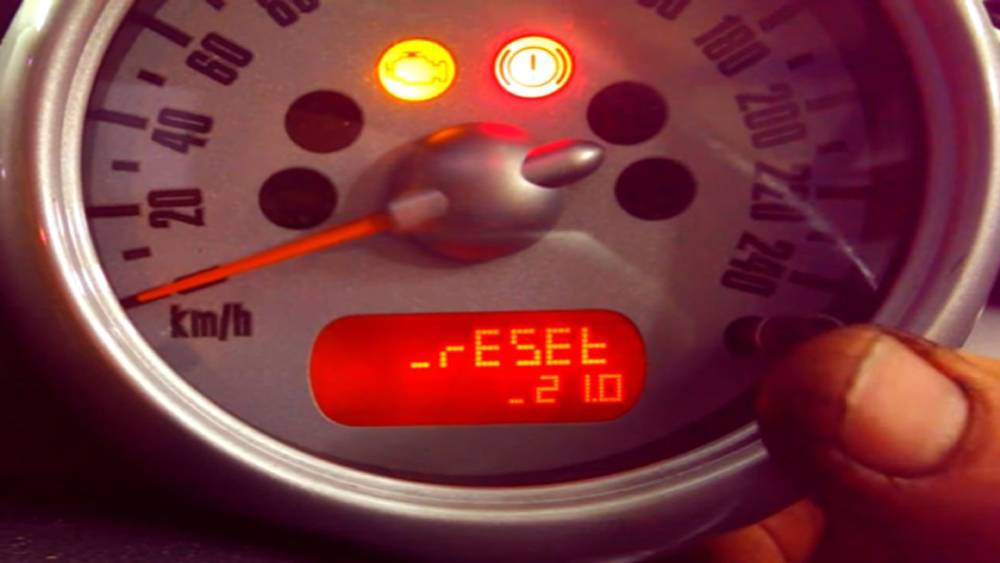
Understanding the Mini Cooper Check Engine Light
The check engine light, also known as the malfunction indicator lamp, is part of your Mini Cooper’s onboard diagnostic system. Its primary purpose is to alert drivers when the vehicle detects an issue affecting engine performance, emissions control, or related systems. While seeing this warning can be unsettling, understanding what the light is trying to communicate is the first step toward resolving the problem correctly.
A solid check engine light usually indicates a non-urgent issue that should still be diagnosed as soon as possible. Common causes include a loose gas cap, a failing oxygen sensor, worn spark plugs, ignition coil problems, or issues related to the mass airflow sensor. Although the vehicle may continue to operate normally, ignoring these warnings can result in reduced fuel efficiency and more expensive repairs over time.
A flashing check engine light requires immediate attention. This type of warning often signals a severe engine misfire that could damage the catalytic converter if the vehicle continues to be driven. If you notice the light flashing, accompanied by rough idling, power loss, or unusual engine noises, it is best to stop driving and seek professional assistance.
Many Mini Cooper owners assume that resetting the warning light will permanently solve the issue. In reality, the reset process only clears the stored fault codes from the vehicle’s computer. If the underlying problem has not been repaired, the check engine light will likely return after the system completes another diagnostic cycle. For this reason, identifying and addressing the root cause should always be the priority before attempting a reset.
Can You Reset the Check Engine Light Yourself?
The short answer is yes. In many situations, Mini Cooper owners can safely reset the check engine light without visiting a dealership or repair shop. Modern diagnostic tools have made the process more accessible, allowing drivers to monitor vehicle health and clear stored codes when appropriate.
A do-it-yourself reset is generally suitable after repairs have already been completed. For example, if you have replaced faulty spark plugs, installed a new oxygen sensor, tightened a loose gas cap, or resolved another known issue, clearing the fault codes can confirm whether the repair was successful. If the warning light remains off after several driving cycles, it is a good indication that the problem has been fixed.
There are also instances in which fault codes remain stored even though the original condition no longer exists. In these cases, resetting the system can help eliminate outdated information and provide a clean baseline for future diagnostics.
However, there are situations where you should avoid attempting a reset on your own. A flashing check engine light, noticeable engine misfires, significant power loss, excessive exhaust smoke, or unusual knocking sounds may indicate serious mechanical problems requiring professional diagnosis. Simply clearing the warning light under these circumstances may mask critical symptoms and delay necessary repairs.
Ultimately, performing a Mini Cooper check engine light reset can be a practical and cost effective solution when done responsibly. The key is understanding that resetting the light should follow proper troubleshooting and repairs rather than replace them.
Method 1: How to Reset the Mini Cooper Check Engine Light Using an OBD2 Scanner
Using an OBD2 scanner is widely considered the safest and most reliable way to reset the check engine light on a Mini Cooper. Unlike alternative methods, a scanner allows you to retrieve diagnostic trouble codes before clearing them, helping you understand exactly what triggered the warning in the first place.
Before beginning, gather an OBD2 scanner compatible with Mini Cooper vehicles, ensure the battery is adequately charged, and park the car on a level surface with the transmission in park.
Step 1: Turn off the engine completely and engage the parking brake to prevent the vehicle from moving during the procedure.
Step 2: Locate the OBD2 port, which is typically found underneath the dashboard near the driver’s side footwell. Consult your owner’s manual if you have difficulty finding it.
Step 3: Plug the OBD2 scanner into the diagnostic port securely. Most scanners will power on automatically once connected.
Step 4: Insert the key into the ignition and turn it to the ON position without starting the engine. This activates the vehicle’s electronic systems and allows communication with the scanner.
Step 5: Follow the instructions displayed on the scanner to read any stored diagnostic trouble codes. Take note of the codes or save them for future reference.
Step 6: Research the meaning of the codes if necessary and confirm that any required repairs have already been completed.
Step 7: Select the option labeled “Erase Codes,” “Clear Codes,” or a similar command depending on your scanner model. Confirm your selection when prompted.
Step 8: Wait for the scanner to indicate that the reset process has been completed successfully. This usually takes only a few seconds.
Step 9: Turn off the ignition and disconnect the scanner from the OBD2 port.
Step 10: Start the engine and observe the instrument cluster to verify that the check engine light has turned off.
After completing the reset, drive your Mini Cooper normally over the next several days. If the check engine light remains off, the issue has likely been resolved. If the warning returns, additional diagnostics may be necessary to identify any unresolved problems.
Many professional repair facilities follow this exact procedure after completing repairs. Investing in a quality OBD2 scanner can therefore be a valuable decision for Mini Cooper owners who prefer handling routine diagnostics and maintenance tasks themselves.
Method 2: Resetting the Check Engine Light Without a Scanner
Although using an OBD2 scanner remains the most accurate and recommended method, some Mini Cooper owners prefer to try alternative approaches when a scanner is not readily available. One commonly discussed technique is the battery disconnect method. While this approach may clear certain stored fault codes, it should be used with caution and only after any necessary repairs have been completed.
To begin, ensure that your Mini Cooper is parked safely and that the ignition is completely switched off. Open the hood and locate the vehicle’s battery. Using the appropriate tools, disconnect the negative battery terminal first. Once disconnected, allow the vehicle to sit for approximately 15 to 30 minutes. This waiting period gives the vehicle’s electronic control modules time to discharge residual power.
Some technicians recommend pressing the horn for a few seconds after disconnecting the battery to help eliminate any remaining electrical charge in the system. After the waiting period has passed, reconnect the negative battery terminal securely and verify that all connections are tight.
Start the engine and observe the dashboard. In some cases, the check engine light may no longer be illuminated. However, this method does not guarantee that all fault codes will be erased, especially in newer Mini Cooper models with advanced memory retention capabilities.
It is also important to understand the potential drawbacks of disconnecting the battery. Doing so may reset the clock, radio presets, window settings, and adaptive driving information stored by the vehicle. Additionally, if the original issue has not been addressed, the check engine light will likely return after the onboard diagnostic system completes another evaluation cycle.
For these reasons, the battery disconnect method should be viewed as a secondary option rather than a replacement for proper diagnostic procedures.
What If the Check Engine Light Comes Back On?
Successfully resetting the check engine light can provide temporary reassurance, but what happens if the warning reappears shortly afterward? In many situations, the return of the check engine light indicates that the underlying problem has not been fully resolved or that an additional issue has developed.
Modern Mini Cooper models continuously monitor various engine and emissions components through an extensive network of sensors. Even after fault codes have been cleared, the system will perform self tests during normal driving conditions. If the same fault is detected again, the warning light will illuminate once more.
One of the most common mistakes vehicle owners make is assuming that clearing the code eliminates the problem itself. In reality, the reset procedure only removes the stored diagnostic information from the vehicle’s computer. The mechanical or electrical issue remains until appropriate repairs are carried out.
If the check engine light returns, the first step should be retrieving the updated diagnostic trouble codes using an OBD2 scanner. Comparing the new codes with previous records can help determine whether the original problem persists or whether a different system now requires attention.
You should also pay close attention to any changes in vehicle performance. Symptoms such as rough idling, hesitation during acceleration, reduced fuel economy, unusual vibrations, or difficulty starting the engine can provide valuable clues during the diagnostic process.
Persistent warning lights should never be ignored. Delaying repairs may lead to more extensive engine damage, increased emissions, and significantly higher repair costs. Addressing problems early often results in simpler and less expensive solutions.
If you are uncertain about the cause of recurring fault codes, consulting a qualified technician can help ensure that the issue is diagnosed accurately and repaired correctly.
Common Mini Cooper Trouble Codes
Understanding common diagnostic trouble codes can help Mini Cooper owners gain insight into why the check engine light has appeared. While an OBD2 scanner will display the specific code stored in the system, knowing the general meaning behind these codes allows drivers to make more informed decisions regarding repairs and maintenance.
Code P0300 indicates that the engine control module has detected random or multiple cylinder misfires. Misfires can occur for various reasons, including worn spark plugs, failing ignition coils, fuel delivery issues, or vacuum leaks. Because prolonged misfires can damage the catalytic converter, this code should be investigated promptly.
Codes P0301 through P0304 identify misfires occurring in individual cylinders. The final digit corresponds to the affected cylinder number. Diagnosing these codes often involves inspecting spark plugs, ignition coils, fuel injectors, and compression levels within the engine.
Code P0420 refers to catalytic converter efficiency below the required threshold. This warning may result from a failing catalytic converter, malfunctioning oxygen sensors, or unresolved engine performance problems that have affected the exhaust system over time.
Code P0171 signifies that the engine is operating with a lean air fuel mixture. Potential causes include vacuum leaks, dirty mass airflow sensors, fuel delivery restrictions, or faulty oxygen sensor readings. Left unaddressed, lean conditions can negatively impact performance and engine longevity.
Code P0133 indicates a slow response from the oxygen sensor located within the exhaust system. Since oxygen sensors play an important role in regulating fuel delivery and emissions control, replacing a faulty sensor may restore proper engine operation and improve fuel efficiency.
Code P0101 points to performance issues associated with the mass airflow sensor. This sensor measures the amount of air entering the engine and helps determine the appropriate fuel mixture. Contamination, wiring problems, or sensor failure can trigger this fault code.
Although these are among the more frequently encountered Mini Cooper trouble codes, they represent only a small portion of the diagnostic possibilities available through the onboard system. Reading and interpreting fault codes accurately remains one of the most effective ways to identify the source of a check engine light and determine the appropriate corrective action.
Frequently Asked Questions
Can I drive my Mini Cooper with the check engine light on?
The answer depends largely on how the warning light appears and whether any additional symptoms are present. If the check engine light remains solid and the vehicle continues to operate normally, it is generally safe to drive for a short period while arranging for a proper diagnosis. However, postponing inspection for too long can allow minor issues to develop into more expensive repairs.
If the check engine light begins flashing, you should stop driving as soon as it is safe to do so. A flashing warning often indicates a severe engine misfire that may cause damage to the catalytic converter. Continuing to drive under these conditions can significantly increase repair costs and potentially compromise vehicle safety.
Whenever the warning light appears alongside symptoms such as rough idling, poor acceleration, excessive exhaust smoke, unusual noises, or noticeable power loss, professional evaluation should be sought without delay.
How long does it take for the check engine light to reset itself?
After the underlying issue has been repaired, the onboard diagnostic system may automatically turn off the check engine light after completing a series of successful self tests. This process is commonly referred to as a driving cycle.
The exact number of driving cycles required varies depending on the Mini Cooper model, the nature of the original fault, and environmental conditions during operation. In some cases, the warning light may disappear after only a few trips. In other situations, it may take several days of normal driving before the system confirms that the problem has been resolved.
Even if the warning light turns off automatically, previously stored fault codes may remain in the system for a period of time before eventually being cleared by the vehicle’s computer.
Will disconnecting the battery clear fault codes?
Disconnecting the battery can sometimes erase stored fault codes and reset the check engine light, but the results are not always consistent. Older Mini Cooper models may respond more readily to this method, whereas newer vehicles often retain diagnostic information despite temporary power loss.
Vehicle owners should also recognize that disconnecting the battery may reset various electronic settings, including clock preferences, radio presets, and adaptive learning functions used by the engine control system. As a result, the vehicle may require a short adjustment period before returning to normal driving behavior.
Most importantly, disconnecting the battery does not repair the condition responsible for triggering the warning light. If the underlying issue remains unresolved, the check engine light will likely reappear during future diagnostic checks.
Is it safe to clear codes without fixing the problem?
Although it is technically possible to erase fault codes before repairs have been completed, doing so is rarely advisable. The check engine light exists to alert drivers to abnormalities detected by the vehicle’s monitoring systems. Ignoring these warnings may allow problems to worsen over time.
For example, a minor ignition issue that initially causes occasional misfires could eventually damage the catalytic converter if left untreated. Similarly, unresolved fuel system problems may contribute to reduced efficiency, poor engine performance, and increased emissions.
Clearing codes without addressing the root cause can also complicate future diagnostic efforts by temporarily removing valuable information that technicians rely upon during troubleshooting. Whenever possible, identify the source of the warning, complete any necessary repairs, and then perform the reset procedure afterward.
Final Thoughts
Performing a Mini Cooper check engine light reset can be a straightforward process when approached correctly. Whether you choose to use an OBD2 scanner or attempt alternative methods, understanding why the warning light appeared in the first place is essential. Resetting the system should always follow accurate diagnosis and appropriate repairs rather than serve as a substitute for them.
For most Mini Cooper owners, using an OBD2 scanner remains the preferred option because it provides access to diagnostic trouble codes before they are erased. This information can help determine whether a simple issue, such as a loose gas cap, is responsible for the warning or whether more extensive repairs may be required.
Ignoring a persistent check engine light can lead to reduced fuel efficiency, declining engine performance, and costly damage to critical components. Taking prompt action not only protects your investment but also contributes to a safer and more reliable driving experience.
If your Mini Cooper’s check engine light continues to return after repeated resets, do not hesitate to seek assistance from a qualified technician. Early intervention often prevents small problems from becoming major repairs. By combining proper maintenance practices with informed diagnostic decisions, you can keep your Mini Cooper operating at its best for years to come.
Ultimately, knowing how to perform a Mini Cooper check engine light reset empowers you as a vehicle owner. With the right tools, accurate information, and a commitment to addressing problems at their source, you can respond confidently whenever this common dashboard warning appears.