A 6.7 Powerstroke CP4 pump replacement cost depends on the type of repair your truck needs. A simple pump replacement usually costs less than a complete fuel system repair.
The CP4 pump is a key component of the 6.7L Power Stroke diesel fuel system. It creates the high fuel pressure required for diesel injection. When the pump fails, it can send metal debris through the fuel system. This debris can damage fuel injectors, fuel rails, and other critical components.
Many owners expect a CP4 repair to involve only the pump itself. However, some failures require additional parts and extensive labor. The final repair price depends on several factors, including pump damage, fuel contamination, replacement parts, and technician labor rates.
This guide explains the complete cost of replacing a CP4 pump on a 6.7 Powerstroke. It covers parts, labor, repair scenarios, and replacement options. Understanding these factors helps truck owners make better decisions before starting a major diesel fuel system repair.
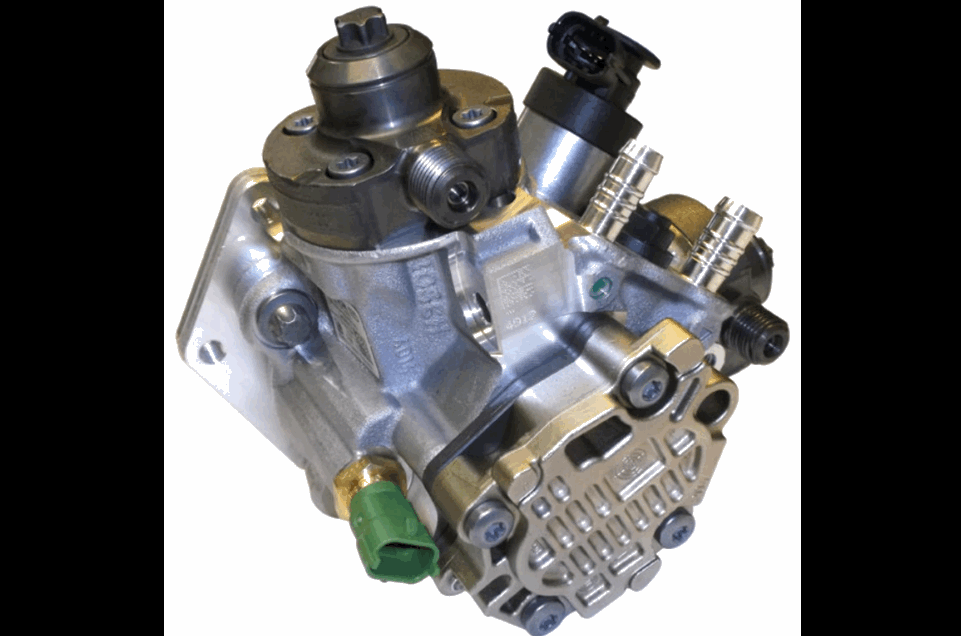
How Much Does a 6.7 Powerstroke CP4 Pump Replacement Cost?
A 6.7 Powerstroke CP4 pump replacement cost usually ranges from $2,000 to more than $10,000, depending on the level of damage and the parts required for the repair. A pump only replacement typically costs less because the technician only replaces the failed high pressure fuel pump. A complete fuel system repair costs much more because it may require new injectors, fuel rails, fuel lines, and additional cleaning procedures.
The CP4 pump itself is one of the main expenses in this repair. A replacement pump can cost several hundred to several thousand dollars depending on whether the owner chooses an OEM component, aftermarket part, or upgraded replacement option. Labor also creates a significant part of the final bill because diesel fuel system repairs require specialized knowledge, diagnostic equipment, and careful installation procedures.
The biggest factor affecting the total cost is whether the failed CP4 pump has contaminated the fuel system with metal particles. When a CP4 pump fails internally, it can spread debris through the fuel delivery system. A technician may need to inspect and replace multiple components to restore proper fuel pressure and prevent another failure.
For example, a truck with an early pump failure may only need a new CP4 pump and fuel system service. A truck with severe contamination may require injector replacement, fuel system cleaning, and additional components. This difference explains why some 6.7 Powerstroke CP4 repairs remain relatively manageable while others become major diesel repair projects.
Understanding the repair scenario is the first step in estimating the true replacement cost. The next step is identifying which parts and labor services contribute to the final invoice.
What Parts and Labor Are Included in a 6.7 Powerstroke CP4 Pump Replacement?
A 6.7 Powerstroke CP4 pump replacement includes more than installing a new high pressure fuel pump. The total repair process usually involves inspection, component replacement, fuel system cleaning, and testing to ensure the diesel fuel system operates correctly after the repair.
The CP4 high pressure fuel pump is the primary component in the replacement process. The technician removes the failed pump and installs a new replacement unit that meets the engine specifications. The repair may also include replacing the fuel filter because a contaminated fuel system can affect the performance of the new pump.
Fuel injectors are another important part of the repair evaluation. When a CP4 pump fails, it can release metal particles into the fuel system. These particles can travel through the fuel lines and reach the injectors. If the injectors show signs of contamination or damage, replacement becomes necessary to restore proper fuel delivery and engine performance.
The technician may also inspect fuel rails, fuel lines, and other fuel system components. These inspections help identify contamination before it causes another failure. A complete repair often includes flushing the fuel system, removing damaged components, and testing fuel pressure after installation.
Labor costs depend on the complexity of the repair. A CP4 pump replacement requires specialized diesel knowledge because the technician must correctly remove, install, and calibrate fuel system components. Diagnostic testing also adds time to the repair process because the technician needs to confirm that the system produces the correct fuel pressure and operates safely.
For example, a pump replacement with no contamination requires fewer labor hours than a repair involving damaged injectors and fuel system cleaning. This difference explains why two trucks with the same CP4 pump failure can receive very different repair estimates.
Why Does CP4 Pump Failure Increase Repair Costs on a 6.7 Powerstroke?
A CP4 pump failure increases repair costs on a 6.7 Powerstroke because the damage can spread beyond the pump itself. Unlike a simple mechanical component failure, a damaged CP4 pump can affect the entire diesel fuel delivery system. This creates additional repair requirements and increases the total cost.
The main reason for expensive repairs is fuel contamination. The CP4 pump uses precise internal components to create high fuel pressure. When these components wear or fail, they can produce metal particles inside the fuel system. The fuel carries these particles through the system and can damage sensitive components such as fuel injectors and fuel rails.
A pump only replacement works when the failure happens early and the fuel system remains clean. In this situation, the technician can remove the damaged pump, install a replacement unit, and test the system. However, a severe CP4 failure requires a wider repair process because contaminated fuel can affect multiple parts at the same time.
Complete fuel system repairs often involve replacing injectors, cleaning fuel lines, inspecting the fuel tank, and checking other high pressure fuel components. Each additional damaged component increases both parts cost and labor time. This explains why some CP4 failures create repair bills that are several times higher than the cost of the pump alone.
For example, a truck with a minor CP4 issue may only require a pump replacement and fuel system inspection. A truck with widespread metal contamination may require thousands of dollars in additional repairs. Understanding how CP4 failures spread helps owners recognize why early diagnosis can reduce repair expenses.
What Are the Signs That a 6.7 Powerstroke CP4 Pump Needs Replacement?
A 6.7 Powerstroke CP4 pump needs replacement when it cannot maintain proper fuel pressure or begins damaging the diesel fuel system. Early detection helps prevent a small pump problem from becoming a complete fuel system failure. Owners who recognize the warning signs can reduce repair costs by addressing the issue before contamination spreads.
One common sign of CP4 pump failure is reduced engine performance. The 6.7L Power Stroke engine depends on consistent high fuel pressure for proper combustion. When the pump cannot supply enough pressure, the truck may experience hesitation, power loss, or slower acceleration. These symptoms often appear during heavy loads or towing conditions because the engine requires more fuel delivery.
Another warning sign is difficulty starting the engine. A failing CP4 pump may struggle to create the required fuel pressure during startup. The truck may crank longer than normal before the engine starts, or it may fail to start completely. These issues indicate that the fuel injection system is not receiving the pressure it needs.
Fuel system contamination is another major indicator of CP4 failure. Technicians can inspect the fuel system for metal particles that come from internal pump damage. Finding metal debris usually means the failure has affected more than the pump itself and requires a complete inspection of related fuel components.
Dashboard warnings can also indicate fuel system problems. Check engine lights, fuel pressure related fault codes, and reduced engine power modes can appear when the CP4 pump cannot operate correctly. However, diagnostic testing is necessary because similar symptoms can come from other diesel fuel system problems.
For example, a truck with occasional hesitation may have an early fuel pressure issue. A truck that suddenly loses power with metal contamination in the fuel system may already have experienced major CP4 damage. Identifying these differences helps determine the correct repair approach and prevents unnecessary replacement costs.
Should You Replace the CP4 Pump or Install a CP3 Conversion Kit?
A 6.7 Powerstroke owner should choose between CP4 replacement and CP3 conversion based on repair goals, budget, and long term reliability expectations. Both options address fuel system concerns, but they provide different benefits for diesel truck owners.
A CP4 pump replacement restores the original fuel system design. This option usually makes sense when the truck needs a direct repair and the owner wants to return the vehicle to its factory configuration. A replacement CP4 pump can be a practical choice for trucks with limited fuel system damage or owners who plan to maintain the vehicle under normal driving conditions.
A CP3 conversion replaces the original CP4 pump with a CP3 high pressure fuel pump system. The CP3 design has a reputation for durability in diesel applications because it uses a different internal pumping mechanism. Many owners choose this upgrade because they want additional protection against future CP4 related failures, especially when they use their trucks for towing, heavy workloads, or long term ownership.
The cost difference between these options is an important factor. A CP4 replacement usually focuses on restoring the existing system, while a CP3 conversion requires additional parts and installation procedures. The initial investment for a conversion may be higher, but some owners consider it a long term reliability upgrade.
For example, a truck with a failed CP4 pump and extensive fuel system damage may require major repairs regardless of the chosen option. A well maintained truck with a functioning fuel system may benefit from a CP3 conversion as a preventive upgrade. The best choice depends on the truck’s condition, ownership plans, and the owner’s reliability priorities.
How Can You Reduce the Risk of Expensive CP4 Pump Repairs?
A 6.7 Powerstroke owner can reduce the risk of expensive CP4 pump repairs through proper fuel system maintenance and early problem detection. Preventive care does not remove every possibility of pump failure, but it helps protect critical fuel system components and reduces the chance of severe damage.
One of the most important maintenance steps is replacing the fuel filter at the recommended service interval. The fuel filter removes contaminants before they reach sensitive components inside the injection system. A clogged or neglected filter can increase stress on the fuel system and affect fuel flow to the high pressure pump.
Fuel quality also plays an important role in CP4 pump protection. Diesel fuel provides both energy and lubrication for fuel system components. Contaminated fuel, water exposure, or poor quality diesel can increase wear inside the pump. Using clean fuel from reliable sources helps maintain proper lubrication and reduces unnecessary stress on the CP4 system.
Regular inspections can also prevent small problems from becoming major repairs. Checking for fuel pressure issues, unusual engine behavior, and warning lights allows technicians to identify possible fuel system problems earlier. Early diagnosis can prevent metal contamination from spreading throughout the entire fuel system.
For example, a truck owner who follows fuel filter maintenance and addresses performance changes quickly may avoid a complete fuel system repair. In contrast, ignoring hard starts, power loss, or fuel pressure problems can allow a failing CP4 pump to damage additional components.
Proper maintenance is especially important for owners who use their 6.7 Powerstroke for towing, commercial work, or high mileage driving. These conditions place additional demand on the diesel fuel system and make preventive inspection more valuable.
Is a 6.7 Powerstroke CP4 Pump Replacement Worth the Cost?
A 6.7 Powerstroke CP4 pump replacement is worth the cost when the repair restores the truck’s reliability and matches the vehicle’s long term value. The decision depends on the condition of the truck, the extent of fuel system damage, and the owner’s future plans.
A CP4 pump replacement can be a reasonable solution when the failure occurs early and the damage remains limited to the pump itself. In this situation, repairing the existing fuel system may cost significantly less than replacing the entire vehicle. A properly completed repair can restore fuel pressure, engine performance, and normal diesel operation.
However, owners should evaluate the complete repair estimate when CP4 failure creates fuel system contamination. Replacing only the pump while leaving damaged components in the system can lead to additional failures. A complete repair may require more investment upfront, but it helps protect the engine from repeated fuel system problems.
For owners who plan to keep their 6.7 Powerstroke for many years, options such as preventive maintenance or a CP3 conversion may provide additional reliability benefits. Understanding the difference between short term repair costs and long term ownership value helps owners make a better decision.
The final cost of a 6.7 Powerstroke CP4 pump replacement depends on the repair scope, damaged components, and chosen solution. Evaluating these factors before starting the repair helps truck owners avoid unexpected expenses and choose the most suitable fuel system strategy.