Finding the color code on a car helps you choose the correct paint for repairs. Most vehicles have this code on a label inside the driver side door jamb. Some manufacturers place it in the engine compartment, trunk area, or vehicle documents.
Car owners need this code when they repair scratches, buy touch up paint, or restore the factory appearance. The paint code gives the exact color formula from the manufacturer. A simple visual comparison cannot provide the same accuracy because manufacturers create many similar paint shades.
The paint code and the Vehicle Identification Number (VIN) serve different purposes. The VIN identifies the complete vehicle history and specifications. The paint code identifies the original exterior color formula.
Knowing where to find the car color code saves time and prevents incorrect paint purchases. This guide explains common paint code locations, label formats, lookup methods, and ways to match your vehicle color accurately.
Where Can You Find the Color Code on a Car?
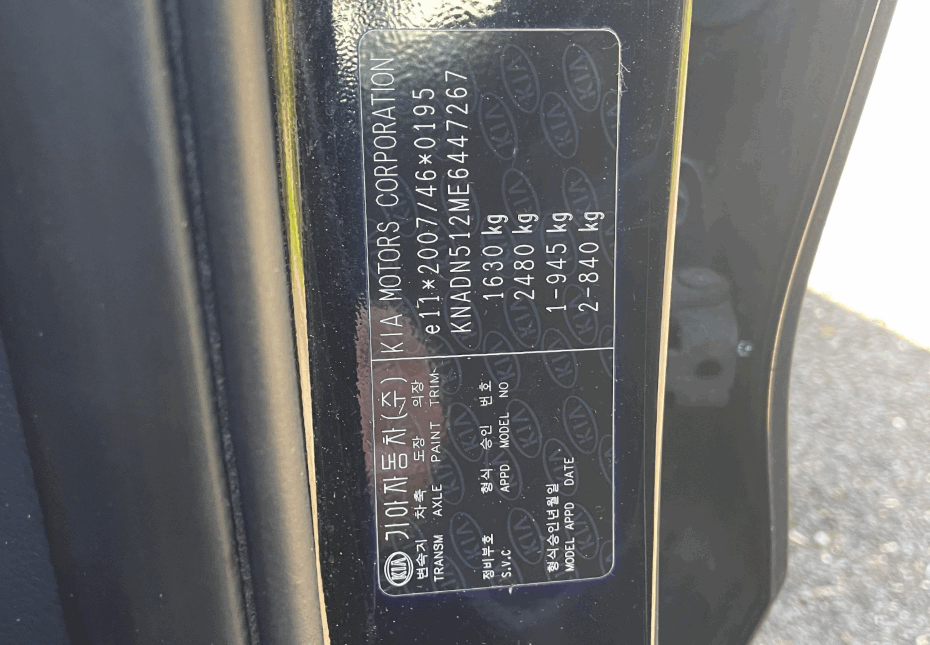
The car color code usually appears on a manufacturer label inside the vehicle. Most manufacturers place this label in areas that owners can access without special tools. The driver side door jamb remains the most common location because it allows quick identification during maintenance or paint repair.
The door jamb label often contains several vehicle details, including the paint code, trim information, manufacturing data, and safety specifications. Look around the door frame, door pillar, or the edge of the driver side door. Manufacturers may use different names for this information, such as “Paint,” “Color,” “C/TR,” or “PNT.”
Some vehicles store the paint code inside the engine compartment. Manufacturers may place the label near the firewall, under the hood, or close to other identification stickers. This location appears more often on certain vehicle brands that use engine bay labels for factory information.
The trunk area provides another possible location for finding a vehicle paint code. Check underneath the trunk floor, near the spare tire compartment, or around the side panels. Some manufacturers place identification stickers in these hidden areas to protect them from daily exposure.
Vehicle documents can also help owners locate paint information. Some owner manuals, build sheets, or manufacturer records include the original factory paint code. However, the physical label on the vehicle remains the most reliable source because it directly connects the code to that specific car.
The exact location depends on the vehicle manufacturer, model year, and production factory. Checking the driver side door jamb first usually provides the fastest way to find the correct paint code before exploring other locations.
How Do You Identify the Paint Code Label on Your Vehicle?
A paint code label contains the information that identifies your vehicle’s original exterior color. Manufacturers use different label formats, but most labels include a specific code that connects the vehicle to its factory paint formula. Finding this code requires checking the information sticker rather than relying on the visible color of the car.
The label may use different terms depending on the manufacturer. Common descriptions include “Paint,” “Color Code,” “Exterior Color,” “C/TR,” or “PNT.” These terms refer to the factory paint specification rather than a general color description. For example, a vehicle may have a black exterior color, but the manufacturer assigns a unique code to identify the exact black paint formula.
The paint code differs from the paint name because manufacturers create multiple versions of similar colors. Two vehicles may both use a color called “Silver,” but each model can have a different paint formula. The code provides the precise information needed by paint suppliers and repair technicians.
The paint code also differs from the Vehicle Identification Number (VIN). The VIN contains information about the vehicle, including its manufacturer, model, production details, and identification history. The paint code only identifies the original exterior color used during production.
Before purchasing touch up paint, owners should compare the paint code with information from a trusted supplier. Using the correct code improves color accuracy and reduces the risk of receiving a shade that does not match the vehicle.
Understanding the label format makes the paint identification process faster. Once you locate the correct code, you can use it to find compatible automotive paint products or request professional paint matching services.
How Can You Find Your Car Paint Code by Vehicle Brand?
Car manufacturers place paint codes in different locations because each brand uses its own vehicle identification system. The same search method does not work for every car. Knowing common patterns by brand helps owners find the correct code faster.
Toyota usually places the paint code on the driver side door jamb label. The label often contains vehicle information along with a short paint identifier. Toyota owners can find the code near terms such as “Color Code” or within the trim information section.
Honda commonly places the paint code on the driver side door jamb sticker. The label usually includes vehicle specifications and a specific color code. Honda paint codes often contain letters, numbers, or a combination of both.
Ford vehicles typically include paint information on the driver side door sticker. This sticker contains several vehicle details, and the paint code usually appears near the exterior color information. Ford owners should avoid using the vehicle name alone because the same color name may appear across different models.
BMW and Mercedes use manufacturer specific identification labels. These brands may place paint information in the engine compartment, door area, or other identification locations. Some models require additional lookup through dealership databases because the label format changes between production years.
Checking brand specific locations saves time and reduces mistakes when searching for automotive paint. Owners should confirm the code before ordering touch up paint because a small difference in the code can create a visible mismatch after application.
Vehicle manufacturers update label designs over time, so the model year also affects the paint code location. When the label is difficult to find, the owner manual or manufacturer support system can provide additional guidance.
Can You Find a Car Paint Code Without the Original Label?
You can find a car paint code without the original label by using vehicle records, manufacturer databases, or professional lookup services. The label provides the fastest method, but owners can still identify the correct paint information when the sticker becomes damaged, faded, or missing.
The Vehicle Identification Number (VIN) can help retrieve the paint code through official sources. The VIN does not contain the paint code directly, but manufacturers store vehicle specifications in their databases. A dealership or authorized service center can use the VIN to access the original factory information, including the exterior color specification.
The vehicle owner manual can provide additional guidance when the paint label is difficult to locate. Some manufacturers include information about paint code locations or provide vehicle specification documents that contain factory details. Older vehicles may also have build sheets or service records with original paint information.
Online paint code lookup tools offer another option for identifying the correct color. These tools usually require information such as the vehicle brand, model, year, and VIN. Reliable lookup systems compare this information with manufacturer databases to find the matching factory paint code.
Contacting the manufacturer or dealership remains the most accurate solution when the original label disappears. Professional sources can verify the vehicle details and prevent incorrect paint selection.
Avoid choosing automotive paint based only on visual appearance. Environmental factors such as sunlight exposure, weather conditions, and previous repairs can change how the paint looks. A verified paint code provides a stronger foundation for achieving a closer color match during repair work.
Is the Paint Code Enough to Match Your Original Car Color?
The paint code provides the correct factory color formula for your vehicle, but it does not always create a perfect visual match. Automotive paint changes over time because the vehicle experiences sunlight, weather conditions, washing, and environmental exposure. These factors can alter the appearance of the original finish.
A vehicle with an older paint surface may look different from a newly painted panel even when both use the same paint code. Ultraviolet radiation from sunlight can fade pigments, while oxidation can reduce the brightness and depth of the original color. Clear coat damage can also change how light reflects from the surface.
Previous repairs can create additional color differences. A vehicle may have received aftermarket paint during an earlier repair, and the replacement paint may not match the original factory formula. In this situation, the official paint code identifies the original color, but technicians may need additional adjustments to match the current vehicle appearance.
Professional paint shops use several methods to improve color accuracy. They can compare the vehicle surface under controlled lighting, use digital paint scanners, and adjust paint formulas based on the current condition of the vehicle. These methods help technicians create a closer match between repaired areas and existing body panels.
The paint code remains the most important starting point for automotive color matching. It provides the original manufacturer specification and prevents incorrect color selection. However, achieving the best result requires considering the vehicle’s age, surface condition, and previous paint history.
For small repairs, owners should provide the paint code to a trusted supplier and compare available samples when possible. For larger repairs, professional color matching creates better consistency across the entire vehicle surface.
What Should You Do If Your Car Paint Code Is Missing?
A missing paint code does not prevent you from finding the correct vehicle color. You can still identify the original paint information by checking alternative sources and using professional verification methods. The goal is to confirm the factory paint specification before purchasing or applying automotive paint.
Start by checking every common label location inside the vehicle. Many owners only inspect the driver side door jamb and miss other areas such as the engine compartment, trunk area, or spare tire compartment. Manufacturers place paint information in different locations depending on the vehicle model and production year.
If you cannot find the label, check your vehicle documents and service records. The owner manual may explain the location of the paint label, while previous repair records may include the original color information. These documents can provide useful details when the physical sticker becomes unreadable.
You can also contact the vehicle manufacturer or dealership with your VIN. The VIN allows authorized sources to access the original vehicle specification database. They can identify the factory paint code based on the vehicle production information.
Professional paint suppliers and automotive body shops can also help when the original code is unavailable. They use color matching tools and paint analysis systems to identify the closest match from the existing vehicle surface.
Avoid selecting paint only by looking at online images or general color names. A color such as white, silver, or black can include many different factory formulas. Confirming the correct paint information helps achieve a more accurate repair result and reduces the risk of visible color differences.
Conclusion: How to Find Your Car Color Code Successfully
Finding the color code on a car helps you identify the correct factory paint specification before starting any repair project. Most vehicles store this information on a manufacturer label, with the driver side door jamb being the most common location. Other possible locations include the engine compartment, trunk area, and vehicle documents.
The paint code provides more accurate information than a general color name because manufacturers create specific formulas for each vehicle model and production year. The code also differs from the VIN, which identifies the vehicle but does not directly represent the exterior paint formula.
When the original label is missing, owners can use alternative methods such as VIN lookup, dealership support, manufacturer databases, and professional paint matching services. These options help confirm the correct color before purchasing touch up paint or scheduling repairs.
A verified paint code improves repair accuracy and reduces the chance of visible color differences. However, vehicle age, sunlight exposure, previous repairs, and surface condition can affect the final appearance. For the best results, combine the original paint code with proper color matching methods.
Understanding where to find color code on car gives vehicle owners better control over maintenance decisions and helps them restore their vehicle’s original appearance with greater accuracy.