Nothing ruins a summer drive faster than turning on your Mini Cooper’s air conditioning and realizing that the air coming from the vents is no longer cold. Many owners immediately assume the worst, expecting an expensive repair bill or a failing compressor. However, in some cases, the issue may be as simple as a low refrigerant level that requires an AC recharge.
Understanding how the air conditioning system works can save you both time and money. While a Mini Cooper AC recharge is a relatively straightforward maintenance procedure, using the wrong refrigerant or following an incorrect process can potentially damage the system and lead to costly repairs. Since different Mini Cooper model years may use different types of refrigerants, it is essential to identify the correct specifications before getting started.
In this comprehensive guide, you will learn how to recharge a Mini Cooper AC system safely and effectively. We will cover the common signs of low refrigerant, the tools you will need, how to locate the recharge port, and the exact steps to restore your vehicle’s cooling performance. Whether you are considering a DIY approach or simply want to better understand the process before visiting a mechanic, this guide will help you make an informed decision.
What Does an AC Recharge Do?
Before attempting to recharge your Mini Cooper’s air conditioning system, it is important to understand what the process actually involves. An AC recharge refers to adding the correct amount of refrigerant to the system when the refrigerant level has dropped below the manufacturer’s specifications. Refrigerant is the substance responsible for absorbing heat from the cabin and releasing it outside the vehicle, allowing cool air to circulate through the vents.
Contrary to popular belief, a properly functioning air conditioning system does not consume refrigerant over time in the same way an engine consumes fuel or oil. If your Mini Cooper requires frequent recharges, there is likely an underlying issue such as a refrigerant leak, damaged seals, or a malfunctioning component within the system. Simply adding more refrigerant without addressing the root cause may provide only temporary relief.
An AC recharge is also different from a complete AC repair. While recharging restores refrigerant levels, repairs involve diagnosing and replacing faulty parts such as compressors, condensers, hoses, or expansion valves. Understanding this distinction can help Mini Cooper owners avoid unnecessary expenses and make informed maintenance decisions.
Recognizing whether your vehicle genuinely needs a recharge is the first step toward restoring comfortable cabin temperatures and ensuring the long term health of the air conditioning system.
Signs Your Mini Cooper Needs an AC Recharge
One of the most obvious indicators that your Mini Cooper may need an AC recharge is a noticeable decline in cooling performance. If the air coming from the vents feels slightly cool rather than cold, or if it takes significantly longer to lower the cabin temperature, low refrigerant levels could be contributing to the problem.
Another common symptom is frequent compressor cycling. The AC compressor relies on adequate refrigerant pressure to function properly. When refrigerant levels become too low, the compressor may switch on and off more often than normal as the system struggles to maintain the correct operating conditions.
Drivers may also notice unusual sounds coming from the air conditioning system. A hissing or bubbling noise can sometimes indicate a refrigerant leak. In more severe cases, traces of oily residue around AC hoses or fittings may suggest that refrigerant has escaped from the system, as refrigerant often carries small amounts of lubricant with it.
It is important not to ignore these warning signs. Continuing to operate an undercharged air conditioning system can place additional strain on the compressor, potentially resulting in more expensive repairs in the future. Identifying the symptoms early allows you to determine whether a simple recharge is appropriate or whether professional diagnosis is necessary.
Identify the Correct Refrigerant for Your Mini Cooper
Choosing the correct refrigerant is one of the most critical steps in the AC recharge process. Using the wrong type of refrigerant can damage the air conditioning system, reduce cooling efficiency, and increase repair costs. Mini Cooper models manufactured in different years may require different refrigerants, making it essential to verify your vehicle’s specifications before purchasing any recharge products.
Many older Mini Cooper models use R134a refrigerant, which was widely adopted throughout the automotive industry for many years. However, newer models increasingly utilize R1234yf refrigerant due to its lower environmental impact and improved sustainability profile. Because these refrigerants have different chemical properties and service requirements, they should never be mixed.
The easiest way to identify the correct refrigerant for your vehicle is to check the information label located under the hood. This label typically provides details regarding the refrigerant type and the recommended system capacity. Your owner’s manual can also serve as a reliable source of information.
Taking a few minutes to confirm these specifications before beginning the recharge process can prevent costly mistakes and ensure that your Mini Cooper’s air conditioning system continues to operate safely and efficiently.
Tools and Materials You Will Need
Preparing the right tools before beginning the recharge process can make the job safer, easier, and more effective. While a Mini Cooper AC recharge does not require extensive mechanical experience, having the proper equipment is essential to avoid mistakes that could damage the system.
The first item you will need is the correct refrigerant specified for your Mini Cooper. As mentioned earlier, some models use R134a refrigerant, while newer vehicles may require R1234yf. Always verify compatibility before making a purchase.
You will also need a recharge hose equipped with a pressure gauge. This tool allows you to monitor system pressure during the recharge process and helps prevent overfilling. Overcharging the system can reduce cooling performance and place unnecessary stress on critical components.
Safety equipment should never be overlooked. Protective gloves and safety glasses can shield your skin and eyes from accidental refrigerant exposure. Because refrigerant can cause frostbite-like injuries upon contact, taking basic precautions is highly recommended.
Other useful items include a thermometer to measure vent temperature and your vehicle owner’s manual for model-specific information. Having all necessary materials ready before starting the procedure will help ensure a smoother experience and minimize interruptions.
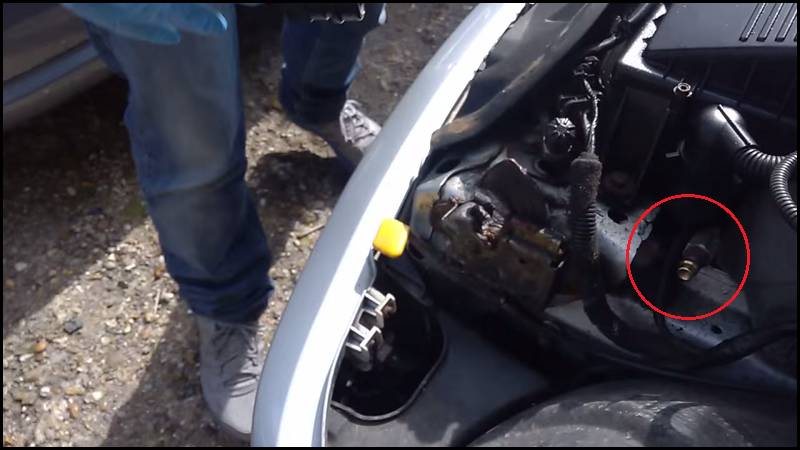
How to Locate the Mini Cooper AC Recharge Port
Finding the correct recharge port is a crucial step in the AC recharge process. Mini Cooper air conditioning systems feature both high-pressure and low-pressure service ports, but refrigerant should only be added through the low-pressure port.
In many Mini Cooper models, the low-pressure port is located near the firewall or along one of the larger aluminum AC lines in the engine compartment. The service port is usually covered by a plastic cap that may be marked with an “L” to indicate low pressure. Since exact locations can vary depending on the model year and engine configuration, consulting your owner’s manual or service documentation is always a good idea.
It is extremely important not to connect recharge equipment to the high-pressure port. Doing so can create hazardous conditions and may damage both the recharge kit and the vehicle’s air conditioning system.
Most recharge hoses are designed to fit only the low-pressure side, providing an additional layer of protection. Nevertheless, visually confirming the correct port before proceeding remains an essential safety practice.
Taking the time to identify the proper connection point will help ensure that the recharge process is completed accurately and without unnecessary risks.
Step by Step Guide to Recharge a Mini Cooper AC System
Begin by parking your Mini Cooper on a level surface in a well-ventilated area. Engage the parking brake and open the hood to access the engine compartment. Ensure that all required tools and materials are within easy reach before moving forward.
Start the engine and set the air conditioning system to its coldest temperature setting. Adjust the blower fan to the highest speed to allow the system to operate under maximum cooling demand. This creates the appropriate conditions for evaluating refrigerant levels during the recharge process.
Locate the low-pressure service port and remove the protective cap. Connect the recharge hose securely according to the manufacturer’s instructions. Once connected, observe the pressure gauge reading to determine whether the refrigerant level falls below the recommended range.
If additional refrigerant is required, slowly introduce it into the system using short intervals rather than continuous application. Periodically check the gauge and monitor the temperature of the air coming from the interior vents. Patience is important during this stage, as adding refrigerant too quickly may lead to overcharging.
After the desired pressure level has been achieved and cooling performance improves, disconnect the recharge hose carefully and reinstall the protective cap. Allow the air conditioning system to continue operating for several minutes while confirming that cold air is consistently flowing through the vents.
If cooling performance does not improve after the recharge, or if refrigerant levels decline again within a short period, professional diagnosis may be necessary to identify leaks or component failures affecting the system.
Common Mistakes to Avoid
Although a Mini Cooper AC recharge can be a manageable DIY task, several common mistakes can turn a simple maintenance procedure into an expensive repair. Understanding these potential pitfalls can help you complete the job safely and effectively.
One of the most frequent errors is using the wrong type of refrigerant. Since Mini Cooper models may require either R134a or R1234yf depending on the model year, failing to verify the correct specification can compromise system performance and potentially damage sensitive components. Always consult the refrigerant label under the hood or refer to the owner’s manual before purchasing any recharge products.
Another mistake is adding too much refrigerant. Many vehicle owners assume that more refrigerant will result in colder air, but overcharging the system can actually reduce cooling efficiency and increase pressure within the system. Excessive pressure may place additional strain on the compressor and other AC components, leading to premature failure.
Ignoring signs of refrigerant leaks is another costly oversight. If your Mini Cooper repeatedly requires recharging, the issue is unlikely to be normal refrigerant loss. Continuing to add refrigerant without addressing the underlying leak may only provide temporary relief while allowing the problem to worsen over time.
Finally, neglecting basic safety precautions can create unnecessary risks. Refrigerant should always be handled carefully, and protective gloves and safety glasses should be worn throughout the process. Following manufacturer recommendations and proceeding cautiously can significantly reduce the likelihood of complications.
When Should You Visit a Professional Mechanic?
While a DIY AC recharge may resolve minor cooling issues caused by low refrigerant levels, there are situations in which professional assistance becomes essential. Knowing when to seek expert help can save both time and money while protecting your Mini Cooper from more extensive damage.
If the air conditioning system continues to blow warm air after a proper recharge, the problem may involve a failing compressor, a clogged expansion valve, electrical faults, or other mechanical issues that require specialized diagnostic equipment. In these cases, adding additional refrigerant will not solve the underlying problem.
Visible signs of refrigerant leakage should also prompt a visit to a qualified technician. Oily residue around hoses, fittings, or AC components often indicates that refrigerant is escaping from the system. Professional leak detection methods can accurately identify the source of the problem and ensure that repairs are completed correctly.
Unusual noises originating from the compressor or significant fluctuations in cooling performance should not be ignored. These symptoms may suggest internal component wear that could eventually lead to complete system failure if left unaddressed.
Although professional service may involve a higher upfront cost, early diagnosis often prevents more expensive repairs in the future. Seeking expert assistance when necessary is an important part of maintaining the reliability and efficiency of your Mini Cooper’s air conditioning system.
How Much Does a Mini Cooper AC Recharge Cost?
The cost of a Mini Cooper AC recharge can vary depending on whether you choose to perform the work yourself or hire a professional technician. Understanding these potential expenses can help you determine which option best suits your budget and comfort level.
For DIY enthusiasts, the primary expenses typically include the refrigerant and a recharge kit equipped with a pressure gauge. If you already own the necessary tools, the total cost may remain relatively affordable compared to dealership service pricing. However, it is important to factor in the possibility of purchasing additional safety equipment or model-specific supplies.
Professional AC recharge services generally cost more because they often include system inspections, pressure testing, and leak detection procedures. These additional steps can provide valuable peace of mind by confirming that no hidden issues exist within the air conditioning system. If leaks or damaged components are discovered during the inspection, repair costs may increase accordingly.
Vehicle age, refrigerant type, and geographic location can also influence pricing. Systems using newer refrigerants may involve higher material costs than those utilizing older formulations.
Ultimately, the decision between a DIY recharge and professional service depends on your mechanical confidence, available tools, and the overall condition of your Mini Cooper’s AC system. Investing in proper maintenance today can help you avoid far more significant expenses down the road.
Conclusion
A Mini Cooper AC recharge can be an effective solution when your vehicle’s air conditioning system is no longer delivering the cool, comfortable airflow you expect. By understanding the warning signs of low refrigerant, identifying the correct refrigerant type for your specific model, and following the proper recharge procedure, many drivers can successfully restore their AC performance without immediately resorting to costly repairs.
However, it is equally important to recognize the limitations of a simple recharge. Air conditioning systems are designed to operate as sealed units, meaning refrigerant should not disappear under normal conditions. If your Mini Cooper repeatedly loses cooling efficiency or requires frequent recharges, an underlying issue such as a refrigerant leak or failing component may be present. Addressing these problems promptly can prevent further damage and help extend the lifespan of the entire AC system.
Whether you decide to perform a DIY Mini Cooper AC recharge or seek assistance from a qualified technician, prioritizing safety and accuracy should always remain your top concerns. Taking the time to verify the correct refrigerant, using the appropriate tools, and following manufacturer recommendations can make a significant difference in both performance and reliability.
A properly functioning air conditioning system contributes to a more enjoyable driving experience throughout the year. With the knowledge provided in this guide, you are better prepared to make informed decisions about maintaining your Mini Cooper and keeping your cabin cool when temperatures rise.
Have you ever recharged your Mini Cooper’s AC system yourself? Share your experience, maintenance tips, or questions in the comments section below. Your insights may help fellow Mini Cooper owners stay comfortable and avoid unnecessary repair expenses.