The Honda Accord has built a strong reputation for reliability, efficiency, and long term performance. However, every vehicle eventually faces mechanical wear. The starter motor is one component that can cause serious problems when it begins to fail.
A faulty starter can leave your Honda Accord unable to start when you need it most. You may hear a clicking sound, experience slow engine cranking, or face a complete no start situation. Many drivers mistake these warning signs for battery problems. A proper diagnosis can help you avoid unnecessary repairs and extra costs.
This Honda Accord Starter Replacement guide covers the key information every owner should know. You will learn how to identify starter failure symptoms, understand replacement costs, and follow the basic replacement process. The guide also explains when you should choose professional repair instead of attempting a DIY solution.
A failing starter does not always mean an expensive repair. Early detection can prevent additional damage and reduce unexpected breakdown risks. By understanding how the starter system works, you can make better decisions and keep your Honda Accord running smoothly for years.
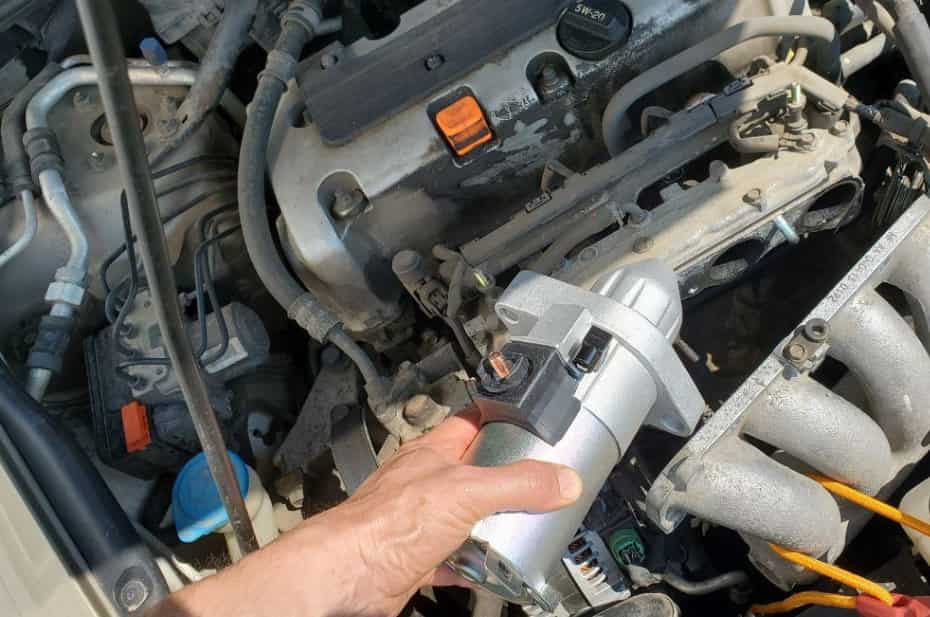
What Is a Honda Accord Starter and Why Does It Need Replacement?
The starter motor is a key part of the Honda Accord starting system. It provides the power needed to turn the engine when you start the vehicle. Without a functional starter, the engine cannot crank and the car cannot run, even if the battery still has enough power.
When you turn the ignition key or press the start button, the battery sends electricity to the starter. The starter motor activates a small gear that connects with the engine flywheel. This action rotates the engine and allows the combustion process to begin.
The starter system contains several important components, including the starter motor, starter solenoid, wiring connections, and internal gears. These parts work together every time you start your Honda Accord. Over thousands of starting cycles, these components experience friction, heat, and electrical stress.
Most Honda Accord starters can last between 80,000 and 150,000 miles. However, several factors can reduce their lifespan. Frequent short trips, extreme weather conditions, weak batteries, and poor electrical connections can force the starter to work harder.
A failing starter often shows early warning signs before complete failure occurs. Drivers may notice slow engine cranking, clicking sounds, or occasional starting problems. Replacing the starter at the right time can prevent unexpected breakdowns and protect other electrical components.
Understanding how the starter works helps Honda Accord owners recognize problems early and make better decisions about repairs.
Common Symptoms Your Honda Accord Starter Needs Replacement
A failing starter usually gives you warning signs before it stops working completely. Many Honda Accord owners ignore these early signals because the vehicle may still start occasionally. However, delayed repairs can lead to sudden breakdowns and unexpected towing costs.
One of the most common symptoms is a clicking sound when you try to start the engine. You may hear one click or several clicks, but the engine does not crank. This problem often points to a starter motor or starter solenoid issue. A weak battery or poor electrical connection can create similar symptoms, so proper testing remains important.
Another warning sign is slow engine cranking. A healthy starter should turn the engine quickly and consistently. If your Honda Accord takes longer than usual to start, the starter motor may struggle to produce enough power. Internal wear, damaged components, or electrical problems can reduce starter performance.
Some drivers experience intermittent starting problems. The vehicle may start normally one day and fail the next time. This pattern often indicates that the starter has worn internal parts and may fail soon.
A complete no start condition is the most serious symptom. The dashboard lights may still work, but the engine will not respond when you turn the key or press the start button. When these problems appear, a Honda Accord Starter Replacement may become the most reliable solution.
Honda Accord Starter Replacement Cost: Complete Price Breakdown
The cost of a Honda Accord Starter Replacement depends on several factors, including the vehicle year, starter type, labor rates, and repair location. Most Honda Accord owners can expect to pay between $300 and $900 for a complete starter replacement service.
The starter motor itself usually costs between $150 and $500. Original equipment manufacturer parts often cost more because they meet Honda’s factory standards and usually provide better long term reliability. Aftermarket starters can reduce the upfront cost, but quality can vary between brands.
Labor costs typically range from $150 to $400. The final price depends on the complexity of the repair and the hourly rate charged by the repair shop. Some Honda Accord models have easier starter access, while others require more time to remove and install the component.
Several factors can increase or decrease the total replacement cost. Older Honda Accord models may have more affordable parts, while newer models may require advanced components. A professional repair shop may also include diagnostic fees, electrical testing, and warranty coverage in the final estimate.
Choosing the cheapest option does not always provide the best value. A high quality starter can improve reliability and reduce the chance of repeated repairs. Before approving a Honda Accord Starter Replacement, compare part quality, warranty terms, and installation experience to make a smarter repair decision.
OEM vs Aftermarket Honda Accord Starter: Which One Should You Choose?
Choosing the right replacement starter is an important decision when you need a Honda Accord Starter Replacement. The market offers several options, including OEM starters, aftermarket starters, and remanufactured units. Each option has different benefits, costs, and reliability levels.
An OEM starter comes directly from the vehicle manufacturer or meets the same specifications as the original part installed in your Honda Accord. These starters usually provide excellent compatibility, consistent performance, and strong durability. However, they often cost more than other options.
Aftermarket starters offer a more affordable solution for many drivers. Many reputable brands produce reliable replacement starters that can perform well under normal driving conditions. However, quality varies between manufacturers, so buyers should check product reviews, warranty coverage, and brand reputation before making a purchase.
Remanufactured starters provide another budget friendly option. Manufacturers rebuild these units by replacing damaged components and testing their performance. They can offer good value, but their lifespan may depend on the quality of the rebuilding process.
The best choice depends on your driving needs, budget, and long term plans for your Honda Accord. Drivers who want maximum reliability may prefer an OEM starter. Those looking for a lower cost repair may choose a trusted aftermarket or remanufactured option.
Before completing a Honda Accord Starter Replacement, consider both the initial price and the expected lifespan of the part. A quality starter can provide better performance and fewer repair concerns in the future.
Honda Accord Starter Replacement Process Explained Step by Step
A Honda Accord Starter Replacement requires careful inspection and proper installation. A professional technician usually follows a structured process to identify the problem, remove the damaged starter, and install the new component correctly.
The first step involves diagnosing the starting issue. Technicians check the battery condition, electrical connections, and charging system before replacing the starter. This step prevents unnecessary repairs because a weak battery or damaged wiring can create symptoms similar to starter failure.
After confirming the starter problem, the technician disconnects the battery to protect the electrical system. The technician then removes the electrical connections attached to the starter motor. Depending on the Honda Accord model year, the starter location may require removing additional components to access the mounting bolts.
The next step involves removing the old starter and installing the replacement unit. The technician positions the new starter correctly, secures the mounting bolts, and reconnects all electrical connections. Proper installation ensures that the starter engages smoothly with the engine flywheel.
After installation, the technician tests the vehicle several times. The engine should crank quickly and start without unusual sounds. The technician also checks for electrical issues and confirms that all connections work properly.
A correct Honda Accord Starter Replacement restores reliable starting performance and reduces the risk of future problems. Following the proper replacement process helps protect the vehicle’s electrical system and improves long term reliability.
Can You Replace a Honda Accord Starter Yourself?
Many Honda Accord owners consider replacing the starter themselves to save money on labor costs. A DIY Honda Accord Starter Replacement can be possible for people with mechanical experience, the right tools, and enough time to complete the repair safely.
Before starting the job, you need basic automotive tools such as wrenches, sockets, screwdrivers, and safety equipment. You also need a proper workspace with enough room to access the starter location. Understanding the vehicle’s electrical system is important because incorrect handling can damage components or create safety risks.
One advantage of replacing the starter yourself is cost savings. You can avoid professional labor fees and complete the repair based on your own schedule. DIY repairs can also help you learn more about your Honda Accord and its mechanical systems.
However, starter replacement can become challenging without proper experience. Limited access to the starter location, rusted bolts, or incorrect installation can make the process more difficult. A small mistake can lead to electrical problems or additional repair expenses.
Professional repair services provide experience, diagnostic equipment, and warranty protection. Technicians can quickly confirm the issue and complete the replacement correctly.
A DIY Honda Accord Starter Replacement may work well for skilled vehicle owners. For drivers with limited repair experience, professional service often provides better value, safety, and long term reliability.
Honda Accord Starter Replacement vs Starter Repair: Which Option Is Better?
When a Honda Accord starter begins to fail, many owners wonder whether they should repair the existing unit or replace it completely. The right choice depends on the condition of the starter, repair costs, and long term reliability expectations.
Starter repair may seem like an affordable solution because it focuses on replacing damaged internal parts. A technician can sometimes repair components such as electrical contacts, brushes, or other worn parts. This option may work for minor issues and can reduce short term expenses.
However, repairing an older starter does not always provide a reliable long term solution. A starter contains several moving and electrical components that experience wear over time. Fixing one damaged part may not prevent another component from failing later.
A complete Honda Accord Starter Replacement often provides better reliability because it installs a fully functional unit. A new or high quality replacement starter can restore consistent starting performance and usually comes with warranty protection.
Replacement becomes the better choice when the starter has severe internal damage, repeated failures, or high mileage wear. It also makes more sense when repair costs approach the price of a replacement unit.
Before choosing between repair and replacement, consider the starter’s age, failure history, and overall vehicle condition. A professional inspection can help you make a cost effective decision and avoid repeated repair expenses in the future.
Conclusion: Making the Right Decision for Your Honda Accord Starter Replacement
A failing starter can turn a reliable Honda Accord into a vehicle that struggles to start or leaves you stranded without warning. Understanding the common symptoms, replacement costs, and repair options helps you make a better decision before the problem becomes more serious.
Signs such as clicking noises, slow engine cranking, intermittent starts, and complete no start conditions can indicate starter problems. However, proper diagnosis remains important because battery issues and electrical faults can create similar symptoms.
The cost of a Honda Accord Starter Replacement depends on the starter type, labor rates, vehicle model year, and repair provider. Choosing a quality replacement part and professional installation can improve reliability and reduce future repair concerns.
Some experienced owners may complete a DIY replacement, while others may benefit from professional service. The best option depends on your technical skills, available tools, and confidence with automotive repairs.
Taking action early can help you avoid unexpected breakdowns and protect your Honda Accord’s long term performance. If your vehicle shows signs of starter failure, inspect the system carefully and choose a repair solution that matches your needs and budget.
A reliable starting system keeps your Honda Accord ready for every journey.