Have you noticed your Subaru Outback running hotter than usual, struggling to maintain a consistent engine temperature, or producing little to no heat from the cabin vents? These warning signs often point to a failing thermostat, a small but essential component responsible for regulating coolant flow throughout the engine.
Although the thermostat is relatively inexpensive, ignoring a faulty one can lead to serious consequences. An overheating engine can reduce fuel efficiency, increase wear on critical components, and potentially result in costly repairs such as head gasket failure. For many Subaru Outback owners, understanding how to replace the thermostat can save both time and money while preventing unexpected breakdowns.
The good news is that a Subaru Outback thermostat replacement is a manageable DIY maintenance task for drivers with basic mechanical experience and the right tools. By following the proper procedure, you can restore your vehicle’s cooling system performance and ensure the engine operates at its optimal temperature.
In this comprehensive guide, you will learn how to identify thermostat failure symptoms, locate the thermostat, gather the necessary tools and replacement parts, and complete the replacement process step by step. You will also discover common mistakes to avoid, estimated repair costs, and troubleshooting tips if overheating issues persist after installation.
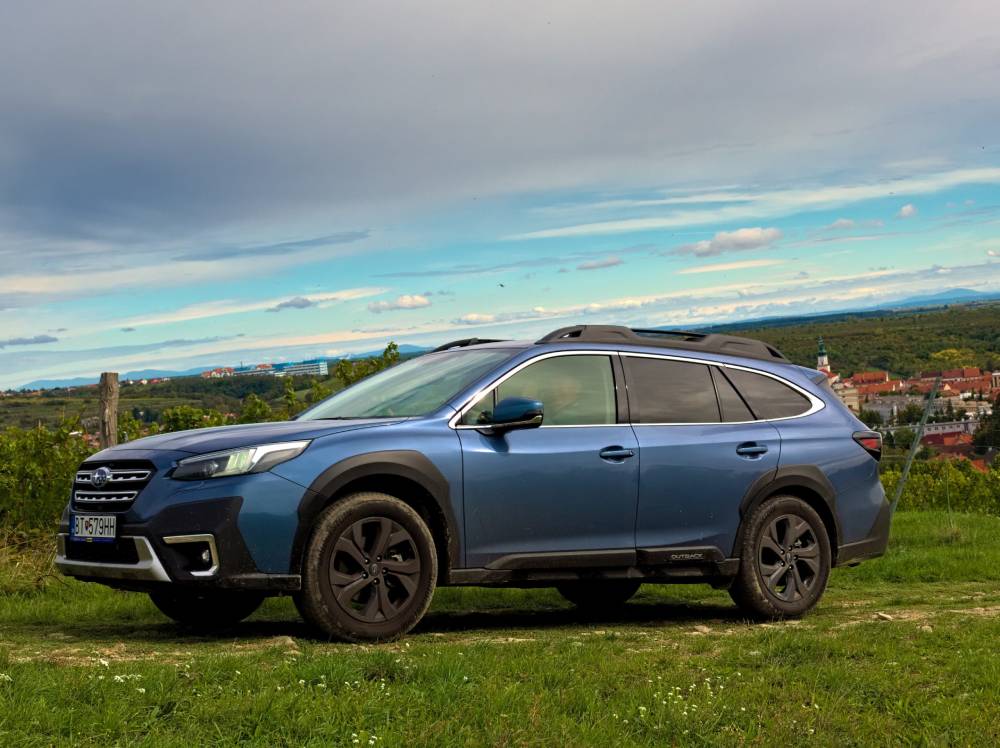
What Does the Thermostat Do in a Subaru Outback?
The thermostat plays a critical role in your Subaru Outback’s cooling system. Its primary function is to regulate the flow of coolant between the engine and the radiator. When the engine is cold, the thermostat remains closed, allowing the engine to warm up quickly and reach its optimal operating temperature. Once the coolant reaches a predetermined temperature, the thermostat opens and allows coolant to circulate through the radiator, where excess heat is dissipated.
Maintaining the correct engine temperature is essential for fuel efficiency, engine performance, and emissions control. If the thermostat becomes stuck in the closed position, coolant cannot circulate properly, causing the engine to overheat. If it becomes stuck open, the engine may run too cool, resulting in reduced fuel economy and increased engine wear over time.
Because the thermostat directly affects engine temperature regulation, even a minor malfunction can create significant problems. Replacing a faulty thermostat promptly helps protect expensive engine components and ensures your Subaru Outback continues operating efficiently.
Symptoms of a Bad Thermostat in a Subaru Outback
Recognizing the signs of thermostat failure early can prevent costly repairs and unexpected roadside breakdowns.
One of the most common symptoms is engine overheating. If the temperature gauge suddenly rises above normal or fluctuates unexpectedly while driving, the thermostat may not be opening properly.
Another warning sign is inconsistent temperature readings. The gauge may move between hot and cold without any obvious reason, indicating irregular coolant circulation.
A malfunctioning thermostat can also affect cabin heating performance. If your heater produces little or no warm air during colder weather, restricted coolant flow may be preventing heat from reaching the heater core.
Coolant leaks around the thermostat housing are another indication that replacement may be necessary. Worn gaskets or corrosion can allow coolant to escape, reducing cooling system efficiency.
In some cases, a faulty thermostat may trigger the check engine light. Modern Subaru models monitor engine temperature closely and can detect cooling system abnormalities before major damage occurs.
Tools and Parts Needed for Subaru Outback Thermostat Replacement
Preparing all necessary tools and replacement parts before starting the repair will make the process much smoother and reduce downtime.
For most Subaru Outback models, you will need a socket set, ratchet, torque wrench, pliers, drain pan, funnel, safety gloves, and shop towels. Having a service manual or repair guide nearby can also be helpful for verifying torque specifications and component locations.
The replacement parts typically include a new thermostat, thermostat gasket or rubber seal, and fresh coolant. Depending on the condition of your vehicle, you may also need a replacement thermostat housing if the original housing shows signs of cracking, corrosion, or warping.
When selecting a thermostat, many Subaru owners prefer OEM components because they are designed specifically for the vehicle’s cooling system. Aftermarket thermostats can be more affordable, but quality varies significantly between manufacturers. Choosing a reputable brand can help ensure reliable performance and longevity.
Before beginning the repair, verify that the replacement thermostat matches your Subaru Outback’s model year and engine configuration. Installing the wrong component can lead to cooling system issues and unnecessary troubleshooting later.
Subaru Outback Thermostat Location
Before beginning the replacement process, it is important to know where the thermostat is located. On most Subaru Outback models, the thermostat is positioned near the lower radiator hose connection at the engine. This location allows the thermostat to monitor coolant temperature accurately and regulate coolant flow through the radiator.
For many four cylinder Subaru Boxer engines, the thermostat housing is mounted near the front lower portion of the engine. Access may require removing engine covers or other surrounding components depending on the model year.
Outback models produced between 2010 and 2014 generally provide relatively straightforward access to the thermostat housing. Vehicles manufactured from 2015 to 2019 may require removal of additional components to improve access. Newer models from 2020 onward may feature revised cooling system layouts that slightly alter thermostat placement.
Consulting your owner’s manual or a vehicle specific repair guide can help confirm the exact location for your particular Subaru Outback. Taking a few minutes to identify the thermostat before starting the repair can save significant time during the replacement process.
Step by Step Subaru Outback Thermostat Replacement
Step 1: Allow the Engine to Cool Completely
Never attempt to work on the cooling system while the engine is hot. Pressurized coolant can cause severe burns if released unexpectedly. Allow the vehicle to sit for several hours or overnight before beginning the repair.
Step 2: Disconnect the Battery
Disconnect the negative battery terminal to eliminate the risk of accidental electrical shorts while working around engine components.
Step 3: Drain the Coolant
Position a drain pan beneath the radiator drain valve. Open the valve carefully and allow the coolant to drain completely. If the coolant is relatively new and uncontaminated, it may be reused according to manufacturer recommendations.
Step 4: Locate the Thermostat Housing
Follow the lower radiator hose to the point where it connects to the engine. The thermostat housing is typically located at this connection point.
Step 5: Remove the Thermostat Housing
Using the appropriate socket, remove the mounting bolts securing the thermostat housing. Carefully separate the housing from the engine. Some coolant may still be present, so keep the drain pan nearby.
Step 6: Remove the Old Thermostat
Take note of the thermostat’s orientation before removal. Installing the new thermostat incorrectly can lead to immediate cooling system problems. Remove the old gasket or seal and inspect the housing for signs of damage or corrosion.
Step 7: Clean the Mating Surface
Thoroughly clean the mounting surface on both the engine and thermostat housing. Any remaining gasket material, corrosion, or debris can prevent a proper seal and cause coolant leaks after reassembly.
Step 8: Install the New Thermostat
Place the new thermostat in the correct orientation according to manufacturer specifications. Install the new gasket or seal provided with the replacement part. Ensure everything sits evenly before proceeding.
Step 9: Reinstall the Housing
Reattach the thermostat housing and tighten the mounting bolts according to Subaru torque specifications. Avoid overtightening, as excessive force can crack the housing or damage bolt threads.
Step 10: Refill the Cooling System
Using a funnel, slowly refill the radiator and coolant reservoir with the correct type of coolant recommended for your Subaru Outback. Filling slowly helps reduce trapped air within the system.
Step 11: Bleed Air from the Cooling System
Air pockets are a common issue in Subaru cooling systems. Start the engine and allow it to reach operating temperature with the radiator cap removed if recommended by the service manual. Continue adding coolant as necessary until air bubbles stop appearing.
Step 12: Test Drive and Monitor Performance
After reinstalling the radiator cap, take the vehicle for a short drive. Monitor the temperature gauge carefully and inspect the thermostat housing for leaks. The temperature should remain stable throughout normal driving conditions.
Common Mistakes to Avoid During Thermostat Replacement
One of the most frequent mistakes is installing the thermostat backward. Even experienced DIY mechanics occasionally overlook orientation marks. Incorrect installation can prevent proper coolant flow and quickly lead to overheating.
Another common error is reusing an old gasket or seal. Although it may appear serviceable, an aged gasket often fails to provide a reliable seal after reassembly. This can result in coolant leaks and repeated repairs.
Failing to bleed air from the cooling system properly is another issue that causes many post repair problems. Trapped air can create hot spots within the engine, leading to overheating despite a successful thermostat installation.
Overtightening thermostat housing bolts can damage the housing or strip threads in the engine block. Always follow manufacturer torque specifications whenever possible.
Finally, using the wrong coolant formulation can reduce cooling system efficiency and accelerate corrosion. Subaru recommends specific coolant types designed for its engines, and following these recommendations helps maximize system longevity and reliability.
Subaru Outback Thermostat Replacement Cost
One of the reasons many vehicle owners choose to replace a thermostat themselves is the relatively low cost of the repair compared to other cooling system components.
For a typical DIY thermostat replacement, the thermostat itself usually costs between $20 and $80 depending on whether you choose an OEM or aftermarket part. A new gasket or seal generally costs between $5 and $20. Fresh coolant may add another $20 to $50 to the total expense.
In most cases, the complete DIY repair can be completed for approximately $45 to $150, making it one of the more affordable maintenance tasks for Subaru owners.
If you prefer professional service, repair costs increase due to labor charges. Most repair shops charge between $100 and $250 for labor, depending on local rates and vehicle complexity. Combined with parts, the total cost for professional thermostat replacement generally ranges from $150 to $400.
Factors that influence the final price include your Subaru Outback’s model year, the type of replacement parts selected, local labor rates, and whether additional cooling system repairs are required.
What If Your Subaru Outback Still Overheats After Replacing the Thermostat?
If your Subaru Outback continues to overheat after installing a new thermostat, another issue within the cooling system may be responsible.
One of the most common causes is trapped air inside the cooling system. Air pockets can prevent proper coolant circulation and create localized hot spots within the engine. Repeating the coolant bleeding procedure often resolves this issue.
A failing water pump may also be responsible. The water pump circulates coolant throughout the engine and radiator. If the pump is damaged or worn, coolant flow may remain insufficient despite a functioning thermostat.
A clogged radiator can restrict coolant movement and reduce heat dissipation. Over time, debris and corrosion can accumulate inside radiator passages, limiting cooling efficiency.
Cooling fan problems should also be investigated. Electric cooling fans help maintain proper temperature, particularly during slow traffic conditions or while idling. If the fan motor, relay, or temperature sensor fails, overheating can occur.
In some cases, persistent overheating may indicate a more serious issue such as a head gasket failure. Symptoms often include coolant loss, white exhaust smoke, coolant contamination, or recurring overheating despite multiple repairs.
If overheating continues after thermostat replacement, a comprehensive cooling system inspection is strongly recommended.
Preventive Maintenance Tips for Subaru Cooling Systems
Regular cooling system maintenance can significantly extend the lifespan of your Subaru Outback and reduce the likelihood of overheating problems.
Follow Subaru’s recommended coolant replacement intervals and always use the appropriate coolant specification for your model. Fresh coolant helps prevent corrosion and improves heat transfer throughout the system.
Inspect coolant hoses regularly for signs of cracking, swelling, or leaks. Replacing aging hoses before they fail can prevent unexpected breakdowns.
Periodically examine the radiator for external damage, corrosion, or blocked cooling fins. Keeping the radiator clean improves airflow and cooling performance.
Monitor the temperature gauge during daily driving. Small temperature fluctuations can sometimes indicate developing cooling system issues before major symptoms appear.
Address coolant leaks immediately, even if they seem minor. Small leaks can gradually lower coolant levels and increase the risk of overheating.
Routine inspections and timely repairs are often far less expensive than repairing engine damage caused by excessive heat.
Frequently Asked Questions
How long does a Subaru Outback thermostat replacement take?
For most DIY mechanics, the job typically requires one to three hours depending on vehicle accessibility and experience level.
Can I drive with a bad thermostat?
Driving with a faulty thermostat is not recommended. A stuck closed thermostat can quickly cause engine overheating, while a stuck open thermostat may reduce fuel efficiency and increase engine wear.
How often should a thermostat be replaced?
There is no fixed replacement interval for most thermostats. Many units last well over 100,000 miles, but replacement becomes necessary when symptoms of failure appear.
Should I replace coolant when replacing the thermostat?
Yes. Since coolant must be drained during the repair, replacing or refreshing the coolant is generally considered best practice.
Is thermostat replacement a beginner friendly repair?
Many Subaru owners with basic mechanical skills can successfully complete the repair using standard tools and a reliable repair guide. However, proper coolant bleeding and correct thermostat installation are critical for success.
Conclusion
A properly functioning thermostat is essential for maintaining the correct operating temperature in your Subaru Outback. Although it is a relatively small component, it plays a major role in protecting the engine from overheating, improving fuel efficiency, and supporting overall vehicle reliability.
Fortunately, a Subaru Outback thermostat replacement is a repair that many owners can complete themselves with basic tools, patience, and careful attention to detail. By recognizing the symptoms of thermostat failure early and following the correct replacement procedure, you can prevent expensive engine damage and avoid unexpected breakdowns.
The key steps include safely draining the coolant, removing the thermostat housing, installing the new thermostat in the correct orientation, refilling the cooling system, and thoroughly bleeding any trapped air. Taking the time to perform each step correctly will help ensure long term cooling system performance.
Whether you choose to perform the repair at home or hire a professional technician, addressing thermostat problems promptly is one of the smartest investments you can make in your Subaru Outback’s longevity and dependability.
Have you recently completed a Subaru Outback thermostat replacement? Share your experience, maintenance tips, or troubleshooting advice in the comments. Your insight may help fellow Subaru owners tackle this important repair with greater confidence.