If you’re considering a modern Subaru such as the Outback XT, Ascent, Legacy XT, or the latest WRX, one question likely comes to mind: Is the Subaru 2.4 Turbo engine reliable enough for long-term ownership?
Subaru has earned a loyal following thanks to its symmetrical all-wheel-drive system, practical design, and distinctive Boxer engines. However, the brand’s history has not been entirely free of concerns. Older Subaru engines were sometimes criticized for issues such as head gasket failures, excessive oil consumption, and turbocharger-related repairs. As a result, many buyers remain cautious whenever a new turbocharged Subaru engine enters the conversation.
The Subaru 2.4-liter turbocharged Boxer engine, known internally as the FA24, was designed to address many of the shortcomings of previous generations while delivering stronger performance and improved efficiency. Since its introduction, it has powered some of Subaru’s most popular vehicles and has accumulated millions of miles in real-world driving conditions.
In this complete owner’s guide, we’ll examine the FA24’s reliability record, common problems, expected lifespan, maintenance requirements, ownership costs, and real-world experiences from Subaru owners. Whether you’re shopping for a new Subaru or evaluating a used model, this guide will help you determine whether the Subaru 2.4 Turbo engine is a dependable investment for years to come.
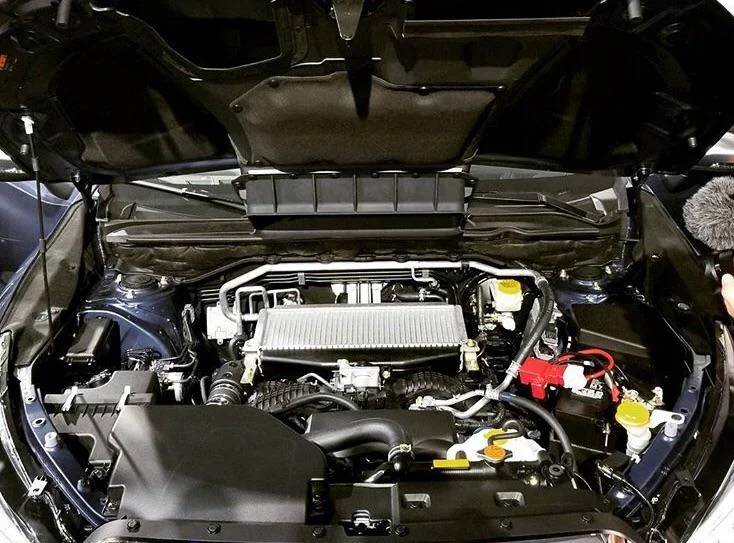
What Is the Subaru 2.4 Turbo Engine?
Before evaluating reliability, it’s important to understand what the Subaru 2.4 Turbo engine actually is and why it plays such a significant role in the brand’s current lineup.
The Subaru 2.4 Turbo, internally designated as the FA24, debuted in 2018 and belongs to Subaru’s modern FA engine family. It is a 2.4 liter turbocharged flat four, commonly known as a Boxer engine. Unlike traditional inline engines, the Boxer layout places cylinders horizontally, helping lower the vehicle’s center of gravity and improve handling characteristics.
The FA24 features direct fuel injection, an aluminum engine block, aluminum cylinder heads, and an advanced turbocharging system designed to deliver strong low end torque while maintaining fuel efficiency. Depending on the vehicle application, output ranges from approximately 260 to 271 horsepower and up to 277 lb ft of torque.
Today, the engine powers several of Subaru’s most important models, including the Outback XT, Legacy XT, Ascent, and WRX. Each version is tuned slightly differently, but the core engine architecture remains largely unchanged.
One reason the FA24 has attracted attention is that Subaru developed it with durability and efficiency in mind. Engineers focused on strengthening internal components, improving thermal management, and reducing many of the weaknesses that affected earlier turbocharged Subaru engines. These improvements have become a key factor in the engine’s growing reputation for reliability.
Is the Subaru 2.4 Turbo Engine Reliable?
The short answer is yes. Based on current owner experiences, service records, and engineering improvements, the Subaru FA24 appears to be one of the most reliable turbocharged engines Subaru has produced in decades.
Unlike some older Subaru turbo engines that gained a reputation for head gasket issues, ringland failures, or excessive oil consumption, the FA24 benefits from years of engineering advancements. The engine was designed to handle higher cylinder pressures, improved cooling demands, and modern emissions requirements while maintaining long term durability.
Many owners report trouble free operation well beyond 60,000 to 100,000 miles with only routine maintenance. While long term data beyond 200,000 miles is still developing due to the engine’s relatively recent introduction, early indicators are encouraging. Independent mechanics and Subaru enthusiasts often describe the FA24 as a significant step forward compared with previous generations.
Another factor supporting the engine’s reliability is its relatively conservative tuning. Although the FA24 produces impressive torque, Subaru did not push the engine to its absolute limits from the factory. This allows components such as pistons, rods, and the turbocharger to operate with a greater margin of safety during everyday driving.
That said, no engine is perfect. The FA24 still requires proper maintenance, quality fuel, and regular oil changes to achieve its maximum lifespan. Owners who neglect maintenance schedules may eventually encounter issues that could have been prevented.
Common Subaru 2.4 Turbo Engine Problems
Although the Subaru 2.4 Turbo has proven to be reliable overall, there are several known issues that owners should understand before purchasing or maintaining a vehicle equipped with this engine.
One of the most frequently discussed concerns involves carbon buildup on intake valves. Because the FA24 uses direct fuel injection, gasoline is sprayed directly into the combustion chamber rather than onto the intake valves. Over time, carbon deposits can accumulate and reduce engine efficiency. This issue is not unique to Subaru and affects many modern direct injection engines.
Some owners have also reported minor oil consumption between oil changes. However, the problem appears far less common and less severe than what was observed in certain older Subaru engines. Regularly checking oil levels remains a smart habit for any turbocharged vehicle.
Turbocharger wear is another potential concern as mileage increases. While catastrophic turbo failures appear uncommon, the turbocharger is a high stress component that may eventually require service after many years of use. Proper warm up procedures, regular oil changes, and allowing the engine to cool after aggressive driving can significantly extend turbo life.
A smaller number of owners have experienced sensor related issues, software glitches, or occasional check engine lights. In many cases, these problems are resolved through software updates or minor repairs rather than major mechanical work.
The encouraging news is that none of these issues currently appear to represent a widespread design flaw. Most reported problems are manageable, relatively predictable, and common among modern turbocharged engines across the automotive industry.
How Long Does the Subaru 2.4 Turbo Engine Last?
One of the most important questions for potential buyers is how many miles the Subaru 2.4 Turbo engine can realistically last. While the FA24 has not been on the market as long as some legendary Subaru engines, current evidence suggests it is capable of delivering impressive longevity when properly maintained.
Most automotive experts estimate that a well-maintained Subaru 2.4 Turbo engine can comfortably reach 200,000 to 300,000 miles. Some owners may even exceed that range if they consistently follow recommended maintenance schedules and avoid excessive performance modifications.
Several factors play a major role in determining engine lifespan. Regular oil changes are perhaps the most important. Turbocharged engines generate additional heat and place greater demands on engine oil compared to naturally aspirated alternatives. Using high quality synthetic oil and changing it at appropriate intervals can significantly reduce long-term wear.
Driving habits also influence longevity. Frequent cold starts, aggressive acceleration before the engine reaches operating temperature, and extended periods of hard driving can increase stress on internal components. Drivers who allow the engine to warm up properly and maintain steady driving habits often experience fewer mechanical issues over time.
Cooling system maintenance is equally important. Because turbocharged engines operate at higher temperatures, keeping the radiator, thermostat, coolant, and associated components in good condition helps prevent overheating and premature wear.
Although the FA24 is still relatively young compared to some older Subaru powerplants, early high-mileage examples are producing encouraging results. Many owners have already surpassed 100,000 miles with minimal issues beyond routine maintenance, suggesting the engine has the potential to become one of Subaru’s most durable modern designs.
Subaru 2.4 Turbo vs Older Subaru Turbo Engines
To fully appreciate the reliability of the FA24, it helps to compare it with Subaru’s earlier turbocharged engines.
The EJ255 and EJ257 engines, which powered many previous WRX and Forester XT models, became famous among enthusiasts for their performance potential. However, they also developed reputations for head gasket failures, ringland damage, oil consumption issues, and sensitivity to poor tuning. While many examples delivered excellent service, they often required more careful maintenance and monitoring.
The FA20 Turbo represented an important step forward when it replaced the EJ series in several Subaru models. It introduced direct injection technology and improved efficiency while addressing some of the weaknesses found in older engines. However, certain owners still reported carbon buildup concerns and occasional reliability complaints associated with direct injection systems.
The FA24 builds upon those earlier lessons. Subaru strengthened internal components, refined combustion efficiency, improved cooling performance, and optimized turbocharger response. The result is an engine that not only produces more torque but also appears to handle long-term stress more effectively.
Another advantage of the FA24 is its broader torque curve. Because the engine produces strong low-end power without requiring excessive boost pressure at higher engine speeds, internal components may experience less strain during everyday driving. This contributes to both improved drivability and potentially longer service life.
For many longtime Subaru enthusiasts, the FA24 represents the company’s most balanced turbocharged engine to date, offering a combination of power, efficiency, refinement, and reliability that previous generations struggled to achieve simultaneously.
Subaru 2.4 Turbo Maintenance Tips for Maximum Reliability
Even the most reliable engine can develop problems if maintenance is neglected. Fortunately, keeping the Subaru 2.4 Turbo in excellent condition is relatively straightforward when owners follow a few key practices.
Using high quality full synthetic oil should be considered essential. Turbochargers rely heavily on clean, properly lubricated oil, and premium synthetic formulations provide better protection under high temperatures. Many experienced owners choose shorter oil change intervals than the maximum recommendations listed in the owner’s manual.
Monitoring oil levels regularly is another important habit. Although widespread oil consumption issues have not emerged with the FA24, checking oil levels between service intervals helps identify potential problems before they become serious.
Proper turbocharger care can also extend engine life. Avoid hard acceleration immediately after starting the vehicle, especially in cold weather. Giving the engine time to reach operating temperature allows oil to circulate fully throughout the turbocharger and other critical components.
After spirited driving or extended highway operation, allowing the engine to idle briefly before shutting it off can help reduce heat stress within the turbocharger. While modern turbo systems are more durable than older designs, minimizing thermal shock remains beneficial.
Fuel quality matters as well. Subaru recommends premium fuel for many FA24-equipped vehicles, particularly performance-oriented models. Consistently using the correct fuel helps prevent knocking, improves efficiency, and reduces long-term engine stress.
Finally, keeping up with cooling system maintenance, spark plug replacements, air filter changes, and software updates can prevent minor issues from developing into expensive repairs. Owners who follow these simple practices give the FA24 the best opportunity to deliver hundreds of thousands of miles of dependable service.
Is the Subaru 2.4 Turbo Expensive to Maintain?
One of the biggest concerns among buyers considering a turbocharged vehicle is the long-term cost of ownership. Turbo engines often carry a reputation for being expensive to maintain, but the Subaru 2.4 Turbo generally falls within a reasonable range compared to competitors in its class.
Routine maintenance costs are relatively predictable. Oil changes, air filter replacements, brake service, and fluid inspections make up the majority of ownership expenses during the first several years. Because the FA24 uses modern engineering and proven components, owners are unlikely to face significant repair bills early in the vehicle’s life if maintenance schedules are followed.
Spark plug replacement can be somewhat more expensive than on some competing engines due to the Boxer engine layout. Accessing certain components requires additional labor, which can increase service costs. However, these maintenance items occur at relatively long intervals and should not be viewed as major disadvantages.
As mileage increases, owners may eventually encounter expenses related to turbocharger components, sensors, cooling system parts, or carbon cleaning services. These costs are not unique to Subaru and are common across many modern turbocharged vehicles. The key difference is that the FA24 has not demonstrated widespread catastrophic failures that would dramatically increase ownership costs.
When compared to competing turbocharged engines from Toyota, Honda, and Mazda, the Subaru 2.4 Turbo typically falls within a similar maintenance range. While ownership costs may be slightly higher than naturally aspirated engines, most buyers consider the additional performance and driving experience worth the investment.
For owners who prioritize preventative maintenance and address small issues before they become major problems, the FA24 can be surprisingly affordable to operate over the long term.
Which Subaru Models Have the Most Reliable 2.4 Turbo Setup?
Although the same basic FA24 engine is used across multiple Subaru models, the ownership experience can vary depending on the vehicle application.
The Subaru Outback XT is often considered one of the most balanced uses of the FA24. The engine provides strong acceleration, effortless highway passing power, and excellent performance in mountainous terrain without being pushed to its limits. Many owners report high satisfaction levels and relatively few reliability concerns.
The Subaru Legacy XT offers a similar powertrain combination in a sedan package. Because the vehicle is lighter than larger SUVs, the engine operates under slightly less load during everyday driving. This can contribute to a smooth and refined ownership experience.
The Subaru Ascent presents a more demanding environment for the engine because it is a larger three-row SUV designed to carry passengers, cargo, and occasionally tow trailers. Despite these additional responsibilities, the FA24 has generally performed well in the Ascent, demonstrating strong durability when properly maintained.
The Subaru WRX represents the most performance-focused application. While the engine itself remains highly capable, WRX owners are more likely to modify their vehicles or drive aggressively. As a result, reliability outcomes often depend on owner behavior rather than the engine’s fundamental design.
Among these models, the Outback XT and Legacy XT frequently receive praise for offering the best balance between performance, comfort, efficiency, and long-term reliability.
Should You Buy a Subaru with the 2.4 Turbo Engine?
For most buyers, the answer is yes.
The Subaru 2.4 Turbo engine has established itself as a strong performer in a highly competitive market. It delivers impressive torque, confident acceleration, and excellent real-world drivability while maintaining a reliability record that compares favorably with many rival turbocharged engines.
Buyers who frequently travel long distances, drive in mountainous regions, carry passengers and cargo, or simply want stronger performance than a naturally aspirated engine can provide will likely appreciate the advantages of the FA24. The engine’s broad power delivery makes everyday driving easier and more enjoyable without sacrificing practicality.
At the same time, prospective owners should understand that a turbocharged engine requires responsible maintenance. Oil changes, fuel quality, and regular inspections play a greater role in long-term reliability than they might in some naturally aspirated vehicles. Those unwilling to follow maintenance schedules may not experience the same durability outcomes reported by satisfied owners.
The good news is that the FA24 does not appear to suffer from the major systemic issues that affected certain earlier Subaru engines. Instead, it represents a modern, refined, and well-engineered powerplant capable of supporting years of dependable service.
For buyers seeking a combination of all-wheel-drive capability, strong performance, practical utility, and long-term reliability, a Subaru equipped with the 2.4 Turbo engine remains one of the most compelling options in today’s market.
Conclusion
So, is the Subaru 2.4 Turbo engine reliable?
Based on current evidence, owner experiences, and engineering improvements, the answer is overwhelmingly positive. The FA24 has proven to be a significant advancement over many previous Subaru turbocharged engines, offering stronger performance while avoiding many of the reliability concerns that once affected the brand’s reputation.
Like any modern turbocharged engine, the FA24 is not completely immune to potential issues. Carbon buildup, routine wear items, and occasional sensor-related problems can occur over time. However, these concerns are generally manageable and do not indicate widespread design flaws.
Perhaps the most encouraging aspect of the FA24 is its long-term potential. With proper maintenance, quality oil, premium fuel, and responsible driving habits, owners can reasonably expect the engine to deliver 200,000 miles or more of dependable service. Early high-mileage examples continue to reinforce confidence in the platform’s durability.
For shoppers considering a Subaru Outback XT, Legacy XT, Ascent, or WRX, the 2.4 Turbo engine should not be viewed as a liability. On the contrary, it has become one of Subaru’s strongest engineering achievements in recent years.
If reliability is high on your priority list, the Subaru FA24 deserves serious consideration as one of the most dependable turbocharged engines currently available in the mainstream automotive market.