Have you noticed a humming, growling, or grinding noise coming from your Subaru Forester while driving? Many owners initially assume these sounds are caused by worn tires or rough road surfaces. However, in some cases, they may indicate a much more serious issue involving the wheel bearings, a critical component responsible for allowing the wheels to rotate smoothly and safely.
Over the years, wheel bearing problems have become one of the most commonly reported concerns among some Subaru Forester owners. Excessive wear, premature failure, and related safety issues have led many drivers to search for information about recalls, warranty coverage, and repair options. Ignoring these warning signs can result in increased repair costs, reduced vehicle stability, and, in severe cases, compromised driving safety.
Understanding whether your vehicle is affected by a recall or experiencing wheel bearing failure is essential for protecting both your investment and your safety on the road. In this comprehensive guide, we will explain everything you need to know about the Subaru Forester wheel bearing recall, including affected model years, common symptoms, possible causes, repair costs, and the steps you should take if you suspect a problem. Whether you currently own a Forester or are considering purchasing a used one, this guide will help you make informed decisions and avoid costly surprises.
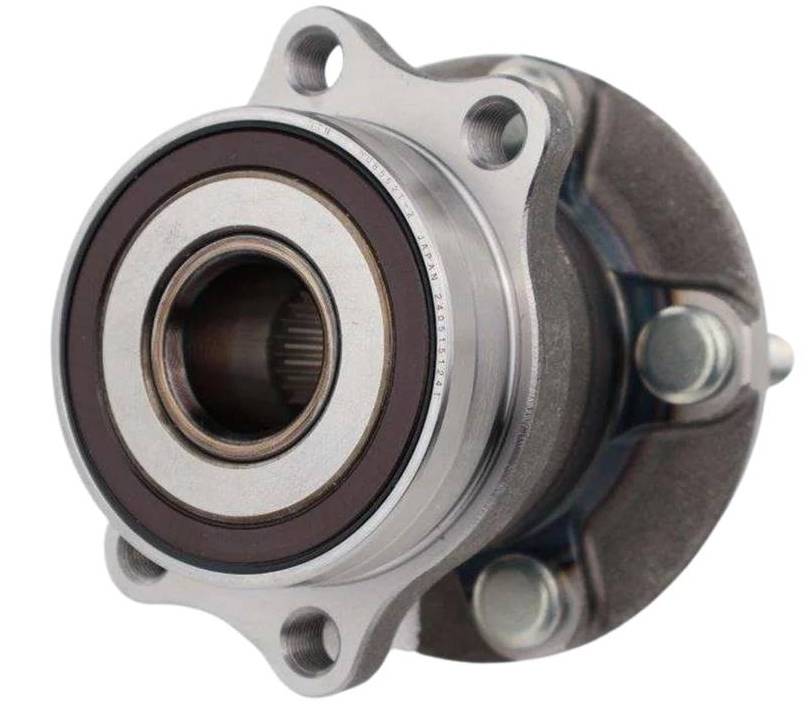
What Is the Subaru Forester Wheel Bearing Recall?
A wheel bearing is a crucial component located inside the wheel hub assembly. Its primary function is to reduce friction and allow the wheels to rotate smoothly while supporting the vehicle’s weight. Although relatively small, wheel bearings play a significant role in maintaining stability, handling, and overall driving safety.
Over the years, numerous Subaru Forester owners have reported premature wheel bearing wear and failure. These complaints often involved excessive noise, vibration, and reduced driving comfort. In some cases, drivers experienced wheel bearing issues much earlier than expected compared to the average lifespan of similar components in competing vehicles.
It is important to understand that not every wheel bearing problem results in an official recall. Automotive manufacturers may issue different types of service actions depending on the severity and scope of the issue. Some cases involve official safety recalls, while others are addressed through technical service bulletins, warranty extensions, or dealership repair programs.
When a wheel bearing begins to fail, it can affect more than just ride quality. Continued driving with a damaged bearing may place additional stress on surrounding components such as the wheel hub, suspension system, and braking system. As the condition worsens, drivers may notice increasing noise levels, steering instability, or abnormal tire wear.
For Subaru Forester owners, understanding the history of wheel bearing concerns is essential. While not every vehicle is affected by the same issue, being aware of potential warning signs and manufacturer recommendations can help prevent expensive repairs and ensure a safer driving experience.
Which Subaru Forester Models Have Experienced Wheel Bearing Issues?
Wheel bearing concerns have been reported across multiple generations of the Subaru Forester. While the severity and frequency vary depending on model year, owner complaints and service records suggest that certain generations experienced a higher number of wheel bearing-related issues than others.
Many reports involve Forester models produced during the late 2000s and early 2010s. Owners frequently described humming noises from the rear wheels, vibrations at highway speeds, and repeated wheel bearing replacements throughout the vehicle’s lifespan. In some situations, wheel bearings required replacement significantly earlier than expected, leading to frustration among drivers facing recurring repair costs.
It is important to distinguish between owner complaints, technical service bulletins, and official recalls. A high number of complaints does not automatically result in a recall. Regulatory agencies and manufacturers evaluate whether a defect presents a significant safety risk before issuing a formal recall notice. As a result, some Subaru Forester wheel bearing concerns have been addressed through dealership service recommendations rather than nationwide recall campaigns.
Prospective buyers of used Subaru Foresters should pay close attention to maintenance records. A vehicle that has already received updated wheel bearings and proper maintenance may present fewer concerns than one with an unknown service history. Reviewing repair documentation can provide valuable insight into the vehicle’s long-term reliability and potential future expenses.
When researching a specific Forester model year, owners should also check the vehicle identification number through official recall databases to determine whether any outstanding service actions remain unresolved.
Common Symptoms of a Failing Wheel Bearing
Recognizing the symptoms of wheel bearing failure early can save Subaru Forester owners from costly repairs and potentially dangerous driving situations. Unfortunately, many drivers overlook the initial warning signs because they often develop gradually over time.
One of the most common symptoms is a humming, growling, or rumbling noise that becomes louder as vehicle speed increases. The sound may initially appear subtle, especially at lower speeds, but often becomes more noticeable during highway driving. In many cases, the noise changes when turning left or right, helping technicians identify which wheel bearing is failing.
Another frequent symptom is steering wheel vibration. As the bearing deteriorates, it can create excessive play within the wheel assembly, resulting in vibrations that can be felt through the steering wheel or vehicle floor. While vibration may also be caused by tire or suspension issues, failing wheel bearings should not be ruled out during diagnosis.
Uneven tire wear is another warning sign that many owners fail to recognize. A damaged wheel bearing can affect wheel alignment and rotation, causing tires to wear irregularly. Left unaddressed, this problem can shorten tire life and increase operating costs.
Some drivers may also notice that the vehicle drifts slightly to one side or feels less stable when cornering. Although these symptoms can be associated with multiple mechanical issues, wheel bearing deterioration may contribute to reduced handling performance.
In advanced stages of failure, warning lights associated with the anti lock braking system may illuminate if the damaged bearing interferes with wheel speed sensor readings. At this point, immediate inspection is strongly recommended to avoid further damage and ensure safe vehicle operation.
Why Do Wheel Bearings Fail in Subaru Forester Vehicles?
Wheel bearings are designed to withstand thousands of miles of driving under varying road and weather conditions. However, like all mechanical components, they are subject to wear and eventual failure. Understanding the factors that contribute to wheel bearing problems can help Subaru Forester owners reduce the risk of premature wear and avoid unnecessary repair expenses.
One of the most common causes of wheel bearing failure is contamination from water, dirt, and road debris. Although wheel bearings are protected by seals, these seals can deteriorate over time. Once contaminants enter the bearing assembly, lubrication becomes compromised, increasing friction and accelerating wear. Drivers who frequently encounter flooded roads, heavy rain, or muddy terrain may face a higher risk of bearing damage.
Road conditions also play a major role in wheel bearing longevity. Repeated impacts from potholes, rough pavement, speed bumps, and uneven road surfaces place additional stress on the wheel hub assembly. Over time, these impacts can damage internal bearing components and shorten their service life. Drivers in regions with poorly maintained roads often report wheel bearing issues more frequently than those driving primarily on smooth highways.
Vehicle loading habits can also influence wheel bearing durability. Consistently carrying heavy cargo, towing beyond recommended limits, or placing excessive weight on the vehicle increases the load transmitted through the wheel bearings. This additional stress can contribute to faster wear, particularly if maintenance intervals are neglected.
Environmental conditions are another important consideration. Areas that experience harsh winters often use road salt to improve traction. While effective for safety, road salt can accelerate corrosion in various vehicle components, including wheel bearing assemblies. Similarly, coastal environments expose vehicles to salty air and moisture that may contribute to long-term deterioration.
Finally, natural wear remains an unavoidable factor. Even under ideal conditions, wheel bearings gradually degrade as mileage accumulates. Regular inspections and prompt attention to unusual noises can help identify problems before they become severe.
How to Check If Your Subaru Forester Is Included in a Recall
If you own a Subaru Forester and are concerned about potential wheel bearing issues, checking for open recalls should be one of your first steps. The process is straightforward and requires only a few minutes to complete.
The most important piece of information you will need is your Vehicle Identification Number, commonly known as the VIN. This unique seventeen character code can typically be found on the driver’s side dashboard near the windshield, on the driver’s door jamb, or within your vehicle registration documents. The VIN serves as the vehicle’s unique identifier and allows manufacturers to determine whether specific service campaigns apply to your vehicle.
Once you have located the VIN, visit an official recall lookup tool provided by Subaru or a government vehicle safety database. Entering the VIN into the search system will generate information regarding any open recalls, completed recall repairs, or manufacturer service campaigns associated with your vehicle.
When reviewing the results, pay close attention to the details provided. Some recalls may involve immediate safety concerns, while others address long-term reliability issues. If your vehicle is included in a recall campaign, the report will typically outline the affected components and the corrective actions available through authorized dealerships.
After confirming an open recall, contact a Subaru dealership to schedule an inspection or repair appointment. Recall repairs are generally performed at no cost to the vehicle owner, provided the campaign remains active and applicable to the vehicle.
Even if no recall is listed, owners experiencing wheel bearing symptoms should still seek a professional inspection. Mechanical problems can occur independently of recall programs, and early diagnosis often prevents more extensive repairs later.
What Repairs Are Covered Under a Recall?
When a vehicle is included in an official recall campaign, the manufacturer is responsible for correcting the identified defect without charging the owner for covered repairs. The exact scope of work depends on the nature of the recall and the specific components involved.
In cases involving wheel bearing concerns, dealerships typically begin with a comprehensive inspection to verify the condition of the affected components. Technicians evaluate the wheel bearing assembly, wheel hub, related hardware, and surrounding systems to determine the extent of any damage. If the inspection confirms that the vehicle falls within the recall criteria, the necessary repairs are performed according to manufacturer guidelines.
Depending on the recall campaign, repairs may include replacing the wheel bearing itself, installing updated components, replacing the wheel hub assembly, or performing additional corrective procedures designed to improve durability and reliability. The goal is not only to address the immediate problem but also to reduce the likelihood of future failures related to the identified defect.
It is important for owners to understand the difference between recall coverage, warranty coverage, and customer paid repairs. Recall repairs are generally provided regardless of vehicle age or mileage as long as the recall remains active. Warranty repairs, on the other hand, are subject to time and mileage limitations established by the manufacturer. Once warranty coverage expires, repair costs typically become the responsibility of the owner unless a recall or special service program applies.
Owners should retain all service records associated with recall work. Documentation can be valuable for future resale transactions, warranty discussions, and maintenance planning. It also provides evidence that the vehicle has received the recommended corrective actions specified by the manufacturer.
By understanding what is covered and how the process works, Subaru Forester owners can take full advantage of available recall benefits while ensuring their vehicles remain safe and reliable.
How Much Does Wheel Bearing Replacement Cost If Not Covered?
For Subaru Forester owners whose vehicles are no longer covered by a recall or warranty program, wheel bearing replacement can become a significant repair expense. The final cost varies depending on the model year, location, labor rates, and whether genuine Subaru parts or aftermarket components are used.
In most cases, the repair involves more than simply replacing a single bearing. Technicians may need to remove and inspect the wheel hub assembly, brake components, and related hardware before installing replacement parts. The complexity of the repair can influence labor costs, especially if corrosion or additional damage is discovered during the process.
Parts expenses can range from relatively affordable aftermarket options to more expensive original equipment components. While some owners choose lower-cost alternatives to reduce immediate expenses, others prefer genuine manufacturer parts for potential durability and compatibility advantages. The decision often depends on budget, vehicle age, and long-term ownership plans.
Labor charges typically account for a substantial portion of the total repair bill. Dealership service departments generally charge higher hourly rates than independent repair shops, although dealership technicians may have more specialized experience with Subaru vehicles. Owners should consider obtaining multiple estimates before authorizing repairs.
Delaying wheel bearing replacement can increase overall costs significantly. As a damaged bearing continues to deteriorate, it may place additional stress on surrounding components such as the wheel hub, suspension system, brakes, and tires. What begins as a relatively straightforward repair can eventually lead to multiple component replacements and substantially higher expenses.
For this reason, vehicle owners should not ignore unusual noises or vibrations. Addressing the issue promptly is often the most cost-effective approach and can help prevent safety concerns from developing into major mechanical failures.
Tips to Prevent Future Wheel Bearing Problems
Although wheel bearings eventually wear out over time, proper vehicle care can help maximize their lifespan and reduce the likelihood of premature failure. Preventive maintenance remains one of the most effective ways to avoid unexpected repair costs and maintain optimal driving performance.
Regular vehicle inspections should be a priority. During routine maintenance visits, technicians can identify early signs of wheel bearing wear before noticeable symptoms appear. Detecting minor issues early often prevents more extensive damage and reduces repair expenses.
Drivers should also avoid severe road impacts whenever possible. Potholes, curbs, large speed bumps, and rough terrain can place substantial stress on wheel bearings and other suspension components. While it is impossible to avoid every road hazard, cautious driving can significantly reduce cumulative wear.
Maintaining tires properly is equally important. Correct tire pressure, regular tire rotations, and periodic wheel alignments help distribute loads evenly across the vehicle. Uneven tire wear or improper alignment can increase stress on wheel bearings and contribute to premature deterioration.
Owners who frequently drive in wet, snowy, or muddy environments should pay special attention to vehicle cleaning. Removing road salt, dirt, and debris from the undercarriage helps minimize corrosion and protects critical components from long-term damage.
Most importantly, never ignore unusual noises. A faint humming sound may seem insignificant at first, but it can be an early indication of wheel bearing wear. Seeking professional diagnosis at the first sign of trouble often prevents more serious mechanical problems and helps maintain vehicle safety.
By combining responsible driving habits with consistent maintenance, Subaru Forester owners can extend the life of their wheel bearings and improve overall vehicle reliability.
Frequently Asked Questions
Can I drive with a bad wheel bearing?
While it may be possible to drive for a short period with a failing wheel bearing, doing so is not recommended. As the bearing deteriorates, vehicle stability and handling can be affected. Continued operation may also damage surrounding components and increase repair costs.
How long do Subaru Forester wheel bearings typically last?
Wheel bearing lifespan varies depending on driving conditions, maintenance practices, road quality, and environmental factors. Under normal conditions, many wheel bearings can last well over 100,000 miles, although premature failures can occur.
Can a failing wheel bearing affect tire wear?
Yes. A worn wheel bearing can create excessive movement within the wheel assembly, leading to uneven tire wear patterns. Addressing the issue promptly can help preserve tire life and maintain proper handling characteristics.
Is wheel bearing replacement covered under warranty?
Coverage depends on the vehicle’s age, mileage, warranty status, and the nature of the defect. Owners should consult their warranty documentation or contact a Subaru dealership for specific coverage information.
How can I tell which wheel bearing is failing?
Accurately identifying the affected wheel often requires professional diagnosis. Technicians may perform road tests, inspect wheel play, and use specialized equipment to determine which bearing is producing noise or vibration.
Conclusion
Wheel bearings may not receive as much attention as engines or transmissions, but they are essential to the safety, comfort, and performance of every Subaru Forester. When wheel bearing problems develop, early detection can make the difference between a simple repair and a costly mechanical issue affecting multiple vehicle systems.
Understanding the history of Subaru Forester wheel bearing concerns, recognizing common warning signs, and checking for applicable recalls are important steps for every owner. Symptoms such as humming noises, vibrations, uneven tire wear, and reduced handling stability should never be ignored. Prompt diagnosis not only improves safety but can also prevent escalating repair costs.
Whether you currently own a Subaru Forester or are considering purchasing a used model, taking the time to review maintenance records, inspect the vehicle carefully, and verify recall status can provide valuable peace of mind. A proactive approach to maintenance remains the most effective strategy for protecting your investment and ensuring years of dependable performance.
If you suspect a wheel bearing issue or have not checked your vehicle for open recalls recently, now is the perfect time to schedule an inspection and ensure your Forester continues to operate safely and efficiently on every journey.