Honda Civic modification continues to attract drivers who want more than a standard factory experience. Some owners want sharper handling and faster acceleration, while others focus on a cleaner exterior, a more comfortable interior, or a unique street presence. The Civic remains one of the most popular platforms for customization because it offers strong aftermarket support, flexible upgrade options, and a wide range of generations, trims, and powertrains.
However, modifying a Honda Civic is not simply about buying the most expensive parts. A poor upgrade plan can create uncomfortable ride quality, excessive noise, weak reliability, uneven tire wear, or unexpected maintenance costs. Many owners also waste money on parts that do not match their engine, suspension setup, driving habits, or long term goals.
A successful build begins with a clear purpose. A daily driver needs a different setup from a track car, show car, or high power street build. Budget, safety, compatibility, local regulations, and future maintenance must all be considered before installation begins.
This complete Honda Civic modification guide explains the best performance upgrades, styling options, interior improvements, suspension changes, brake enhancements, modification costs, and common mistakes to avoid. It will help you create a Civic that looks better, performs more confidently, and remains practical enough for real world use.
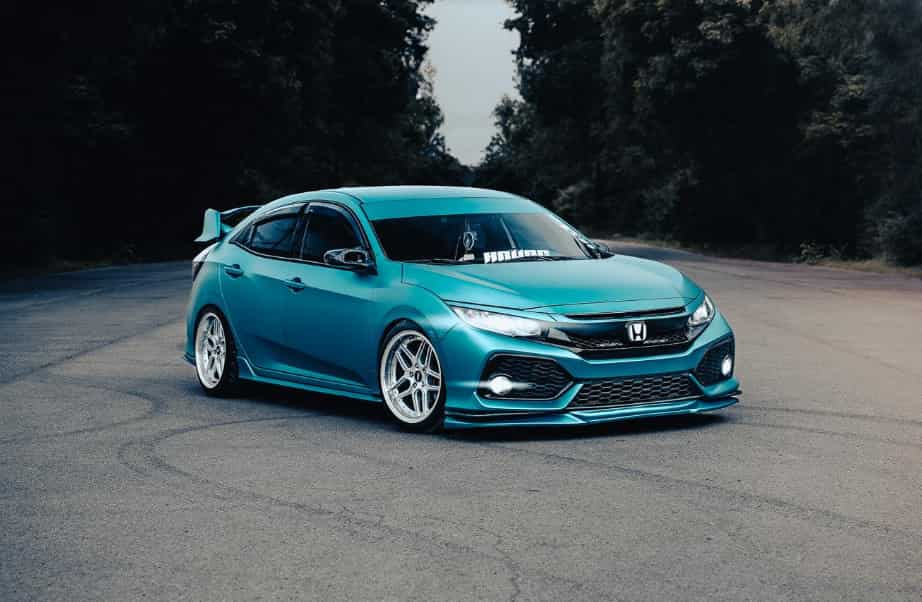
What Is Honda Civic Modification?
Honda Civic modification is the process of improving or changing a factory built Honda Civic to better match a driver’s personal preferences, driving style, or performance goals. These upgrades can range from subtle cosmetic improvements to advanced mechanical changes that significantly affect power, handling, braking, and overall driving experience. Every modification should serve a clear purpose because the best results come from a balanced combination of appearance, functionality, and long term reliability.
Many people believe that modifying a car only means installing larger wheels or adding a louder exhaust system. In reality, Honda Civic modification covers every aspect of the vehicle, including the engine, suspension, brakes, interior, electronics, lighting, and exterior design. Each component works together as part of a complete system, so upgrading one area often requires improvements in another. For example, increasing engine output may also require stronger brakes, better tires, and a more capable cooling system.
Modification, Customization, and Tuning
Although these terms are often used interchangeably, they describe different aspects of vehicle improvement. Modification is the broad process of changing factory components to improve performance, appearance, comfort, or functionality. Customization focuses on creating a unique look or driving environment that reflects the owner’s personality. This may include custom paint, aftermarket wheels, upgraded seats, ambient lighting, or interior trim enhancements.
Tuning refers to adjusting the vehicle’s mechanical or electronic systems to improve performance. Common examples include ECU calibration, ignition timing optimization, fuel mapping, boost pressure adjustments, and throttle response improvements. Tuning is especially important after installing performance parts because many upgrades cannot deliver their full potential without proper engine calibration.
Understanding these differences helps owners build a modification plan that matches both their expectations and their available budget.
Why Do Owners Modify a Honda Civic?
The Honda Civic has earned a reputation as one of the most versatile cars for modification. Drivers appreciate its dependable engineering, lightweight chassis, responsive handling, and enormous aftermarket support. Whether the goal is a reliable commuter, an aggressive street build, or a dedicated track machine, the Civic offers countless upgrade possibilities.
Performance is one of the most common reasons for modification. Owners often install performance tires, suspension upgrades, intake systems, exhaust components, and ECU tuning to improve acceleration, cornering stability, and braking confidence. These upgrades make the vehicle feel more responsive without sacrificing everyday usability when selected correctly.
Appearance is another major motivation. Many enthusiasts enjoy transforming the Civic with body kits, front lips, spoilers, custom wheels, window tint, and premium lighting. These visual improvements allow the vehicle to stand out while maintaining the clean design that has made the Civic popular for decades.
Comfort and technology also play an important role. Interior modifications such as supportive seats, upgraded infotainment systems, sound insulation, premium audio equipment, and digital monitoring gauges can significantly improve the driving experience during daily use.
Is the Honda Civic a Good Car to Modify?
The Honda Civic remains one of the strongest modification platforms in the automotive industry because of its balance between reliability, affordability, and aftermarket support. Parts are widely available for nearly every generation, allowing owners to choose upgrades that fit almost any budget or driving objective.
Another advantage is the large enthusiast community. Owners can easily find installation guides, maintenance recommendations, tuning advice, and real world reviews before purchasing new components. This extensive knowledge base reduces the risk of expensive mistakes and helps beginners build their cars with greater confidence.
The Civic also provides excellent upgrade flexibility. Owners can start with simple improvements such as better tires and brake pads before moving toward suspension upgrades, engine tuning, forced induction, or complete exterior transformations. This step by step approach allows each modification to complement the next while preserving reliability and long term value.
Ultimately, successful Honda Civic modification is not determined by the number of aftermarket parts installed. It depends on choosing compatible components, following a logical upgrade sequence, and building a vehicle that matches the owner’s lifestyle, driving habits, and long term expectations.
Define Your Honda Civic Modification Goal
Every successful Honda Civic modification project begins with a clear objective. Many owners purchase aftermarket parts simply because they are popular or visually appealing. Unfortunately, this approach often leads to unnecessary expenses, incompatible upgrades, and disappointing performance. Before spending money on any component, it is important to determine exactly what the vehicle is expected to achieve.
A Honda Civic built for daily commuting requires a completely different setup from one designed for weekend track events or automotive shows. Suspension settings, wheel selection, tire compounds, brake systems, and engine modifications should all support the same purpose. When every upgrade follows a well planned strategy, the vehicle becomes more enjoyable to drive while remaining reliable and easier to maintain.
Daily Driver Build
A daily driver should prioritize reliability, comfort, fuel efficiency, and low maintenance costs. The goal is to improve the driving experience without reducing practicality or creating unnecessary mechanical stress.
Performance tires are often the first upgrade because they provide better traction, shorter braking distances, and improved cornering stability in almost every driving condition. Pairing quality tires with lightweight alloy wheels can further enhance steering response while reducing unsprung weight.
Mild suspension upgrades such as lowering springs or comfort focused coilovers can improve handling without making the ride excessively stiff. Brake pads designed for street use offer stronger stopping power while maintaining quiet operation and producing less brake dust than aggressive racing compounds.
Exterior upgrades should remain clean and functional. A subtle front lip, tasteful rear spoiler, premium window tint, and factory inspired wheels usually create a refined appearance without sacrificing everyday usability.
Inside the cabin, upgraded seats, improved sound insulation, wireless smartphone connectivity, and premium floor mats provide meaningful improvements that drivers appreciate every day.
Street Performance Build
A street performance build focuses on improving acceleration, cornering confidence, braking performance, and overall driver engagement while remaining legal and practical for public roads.
The foundation begins with performance tires, upgraded brake pads, and a suspension system that provides better body control during spirited driving. Once the chassis has been improved, owners can begin increasing engine performance through a cold air intake, high flow exhaust system, and professional ECU calibration.
For turbocharged Civic models, ECU tuning often produces noticeable improvements in throttle response, torque delivery, and overall engine efficiency. Additional cooling upgrades such as larger intercoolers or high capacity radiators help maintain consistent performance during repeated acceleration.
Although engine power receives significant attention, balanced handling often produces a faster and more enjoyable vehicle than horsepower alone. A well tuned suspension combined with quality tires can dramatically improve lap times and driver confidence without requiring extensive engine modifications.
Show Car Build
A show car emphasizes craftsmanship, visual impact, and attention to detail. While performance upgrades may still be included, appearance becomes the primary focus.
Custom body kits, professionally installed wide fenders, premium paint finishes, vinyl wraps, forged wheels, and carefully selected lighting upgrades create a distinctive appearance that attracts attention at automotive events.
Interior quality becomes equally important. Premium leather upholstery, custom steering wheels, upgraded audio systems, digital displays, ambient lighting, and detailed trim work transform the cabin into a personalized space that reflects the owner’s style.
Many show cars also feature air suspension systems that allow the vehicle to sit extremely low when parked while maintaining practical ride height during normal driving. Proper installation and high quality components are essential to ensure reliability and long term durability.
Track Focused Build
A track oriented Honda Civic is engineered to maximize performance under demanding driving conditions. Every modification should improve speed, consistency, and driver control while reducing unnecessary weight.
The first priority is safety. High performance brake pads, racing brake fluid, stainless steel brake lines, and properly selected tires provide the confidence needed for repeated high speed braking and cornering.
Suspension geometry plays a critical role in maintaining tire contact during aggressive driving. Adjustable coilovers, upgraded sway bars, reinforced bushings, and precision wheel alignment help maximize grip throughout every corner.
Cooling systems become increasingly important as engine output rises. Larger radiators, upgraded intercoolers, oil coolers, and improved airflow management reduce heat buildup and protect critical engine components during extended track sessions.
Weight reduction also contributes significantly to overall performance. Removing unnecessary interior components, installing lightweight wheels, and selecting lighter aftermarket parts improve acceleration, braking, and cornering without increasing engine output.
Budget Build vs Premium Build
Every modification project should begin with a realistic budget. Spending more money does not automatically produce better results. A carefully planned budget build often delivers greater value than an expensive project assembled without a clear strategy.
A budget build focuses on upgrades that provide the highest return on investment. Performance tires, quality brake pads, lightweight wheels, and routine maintenance usually deliver noticeable improvements while keeping costs under control.
A premium build expands beyond the basics by incorporating advanced suspension systems, forged wheels, custom bodywork, larger brake packages, professional engine tuning, upgraded cooling systems, and high quality interior enhancements. These modifications often require specialized installation and regular maintenance, making long term ownership costs significantly higher.
Regardless of budget, every owner should prioritize compatibility, safety, and reliability before pursuing additional horsepower or aggressive styling. Building the vehicle in logical stages reduces unnecessary expenses and creates a Honda Civic that performs consistently for many years.
Identify Your Honda Civic Generation, Trim, and Powertrain
Before starting any Honda Civic modification project, you should identify your vehicle’s generation, trim level, and powertrain. This step is often overlooked, yet it has a direct impact on part compatibility, installation, performance, and long term reliability. A component designed for one Civic model may not fit another because Honda has introduced significant changes in chassis design, suspension, engine technology, and electronics across different generations.
Each Honda Civic generation offers unique advantages. Older models are valued for their lightweight construction and simple mechanical design, making them popular among enthusiasts who enjoy extensive customization. Newer generations provide stronger chassis, improved safety systems, turbocharged engines, and advanced technology that support more refined performance upgrades. Understanding these differences helps you select modifications that match your vehicle instead of relying on universal solutions.
Trim level is equally important. Standard Civic models provide an excellent platform for suspension upgrades, lightweight wheels, braking improvements, and cosmetic enhancements. The Civic Si already includes factory performance components, allowing owners to focus on ECU tuning, better tires, and handling upgrades. The Civic Type R is engineered for high performance from the factory, so modifications often concentrate on cooling, suspension refinement, and track focused optimization rather than replacing major components.
Powertrain selection should also guide every upgrade decision. Naturally aspirated engines respond best to airflow and efficiency improvements, while turbocharged engines offer greater tuning potential through ECU calibration and supporting hardware. Hybrid models benefit more from suspension, braking, and styling upgrades that preserve efficiency while improving driving dynamics. Choosing parts that match your specific Civic ensures better performance, greater reliability, and a more rewarding ownership experience.
Best Honda Civic Performance Modifications
A successful Honda Civic modification begins with upgrades that improve the overall driving experience instead of focusing only on horsepower. Better acceleration is important, but real performance also depends on traction, handling, braking, and engine efficiency. Building a balanced vehicle allows every component to work together, resulting in a safer, faster, and more enjoyable Honda Civic.
The first performance upgrade should always be a set of high quality tires. Tires determine how effectively power reaches the road while improving cornering grip, steering precision, and braking performance. Replacing factory tires with premium performance or all season options can transform the way the Civic feels without making any engine changes. Pairing them with lightweight alloy wheels further enhances handling by reducing unsprung weight and improving suspension response.
Once the foundation has been established, improving engine airflow becomes the next logical step. A performance air intake increases the supply of cool air entering the engine, while a high quality cat back exhaust system helps reduce exhaust restriction. Together, these upgrades improve throttle response, create a sportier exhaust note, and prepare the engine for future ECU tuning. Although naturally aspirated models gain modest power, turbocharged Honda Civic models often experience more noticeable performance improvements because increased airflow supports higher engine efficiency.
Performance modifications should always follow a logical sequence. Upgrading tires, wheels, intake, and exhaust before pursuing major engine upgrades creates a stronger foundation for future improvements. This approach helps maintain reliability, improves driving confidence, and ensures every modification delivers measurable value rather than simply increasing cost.
Honda Civic Suspension and Handling Upgrades
Suspension upgrades play a major role in every Honda Civic modification because they improve stability, cornering performance, and driver confidence. While many enthusiasts focus on increasing engine power, better handling often delivers a greater improvement in real world driving. A well tuned suspension allows the tires to maintain consistent contact with the road, creating more grip during acceleration, braking, and cornering.
Lowering springs are a popular starting point for Civic owners who want a sportier appearance and improved handling without making extensive changes. They reduce body roll, lower the vehicle’s center of gravity, and provide a more responsive driving experience. Drivers looking for greater adjustability often choose coilovers, which allow ride height and suspension stiffness to be fine tuned according to personal preference and driving conditions.
Additional components such as sway bars, strut braces, and adjustable control arms further enhance chassis stability. These upgrades reduce unwanted body movement during cornering while improving steering precision and overall balance. After installing suspension components, a professional wheel alignment is essential to maintain proper tire contact, prevent uneven tire wear, and maximize handling performance.
The suspension should always match the intended use of the vehicle. A daily driven Honda Civic benefits from a setup that balances comfort and control, while a track focused build requires firmer suspension, more aggressive alignment settings, and higher performance components. Selecting compatible suspension parts creates a balanced vehicle that feels more predictable, comfortable, and enjoyable in every driving situation.
Honda Civic Brake Upgrades
Braking performance is one of the most important aspects of any Honda Civic modification. As engine power and cornering capability improve, the braking system must also be upgraded to maintain safety and control. Strong, consistent brakes allow drivers to stop with confidence, reduce stopping distances, and improve vehicle stability during emergency situations or spirited driving.
The most effective starting point is replacing the factory brake pads with high performance alternatives. Quality brake pads provide stronger initial bite, better heat resistance, and more consistent braking under repeated use. Combining them with high quality brake fluid helps maintain pedal feel by reducing the risk of brake fade during demanding driving conditions.
Upgraded brake rotors can further improve braking performance by managing heat more efficiently. Performance rotors help maintain consistent stopping power during repeated hard braking while extending the service life of the braking system. Stainless steel brake lines are another worthwhile upgrade because they reduce line expansion under pressure, resulting in a firmer and more responsive brake pedal.
For drivers planning extensive performance modifications or regular track use, a big brake kit may become a valuable investment. Larger calipers and rotors increase braking capacity, improve heat dissipation, and deliver more consistent performance under heavy loads. However, many daily driven Honda Civic models achieve excellent results with upgraded pads, rotors, brake fluid, and quality tires without requiring a complete brake system replacement.
A balanced braking system should always match the vehicle’s performance level. Upgrading the brakes alongside the suspension and tires creates a Honda Civic that accelerates, corners, and stops with equal confidence, making every modification more effective and enjoyable.
Best Exterior Honda Civic Modifications
Exterior upgrades allow owners to personalize their Honda Civic while improving both appearance and aerodynamic performance. A well planned Honda Civic modification should enhance the vehicle’s design without sacrificing practicality or reliability. Choosing quality components that complement the original styling often produces better long term results than installing parts solely for visual impact.
One of the most popular upgrades is a front lip, side skirts, and a rear diffuser. These components give the Civic a lower and more aggressive stance while helping manage airflow around the vehicle at higher speeds. Many enthusiasts also install a rear spoiler to improve the sporty appearance and increase aerodynamic stability, especially on performance oriented models.
Lighting upgrades provide another effective way to modernize the exterior. LED headlights, daytime running lights, and sequential turn signals improve visibility while giving the Honda Civic a cleaner and more contemporary look. Window tint and quality paint protection film help preserve the vehicle’s finish by reducing sun damage, stone chips, and everyday wear.
Body wraps and custom paint finishes allow owners to create a unique appearance without changing the vehicle’s mechanical characteristics. Popular choices include gloss, matte, satin, and metallic finishes that reflect individual style while protecting the original paint. Completing the exterior with lightweight alloy wheels creates a balanced design that combines visual appeal with improved handling.
Every exterior modification should match the overall purpose of the build. A cohesive design that balances styling, functionality, and quality materials creates a Honda Civic that stands out while maintaining the reliability and everyday usability that have made the model popular around the world.
Best Interior Honda Civic Modifications
The interior is where drivers spend every journey, making it an important part of any Honda Civic modification project. Interior upgrades improve comfort, convenience, and driver engagement while creating a cabin that reflects personal style. The best modifications combine practical features with quality materials, ensuring the vehicle remains enjoyable for both daily commuting and longer trips.
Sport seats are among the most popular interior upgrades because they provide greater support during cornering and reduce driver fatigue on extended drives. Replacing the factory steering wheel with a performance inspired design can also improve grip and steering control while adding a more premium feel. Matching shift knobs, pedals, and interior trim pieces complete the cabin with a consistent appearance.
Technology upgrades offer another way to enhance the driving experience. A modern infotainment system with smartphone connectivity, navigation, and improved audio quality brings additional convenience without changing the character of the vehicle. Many owners also install digital gauges or performance monitoring displays to access real time information about engine performance and vehicle operation.
Interior lighting, premium floor mats, and custom upholstery allow owners to personalize the cabin while maintaining everyday practicality. Choosing durable materials that are easy to clean helps preserve the interior for years of regular use. Small details often create the greatest impression, especially when every component follows the same design theme.
A thoughtful interior upgrade should complement the vehicle’s exterior styling and performance modifications. Creating a comfortable, functional, and visually appealing cabin ensures every drive feels more rewarding while adding value to the overall Honda Civic modification project.
Honda Civic ECU Tuning and Engine Upgrades
Engine tuning is one of the most effective ways to unlock additional performance during a Honda Civic modification project. While factory settings are designed to balance power, fuel economy, emissions, and reliability, professional ECU calibration can optimize engine performance based on upgraded components and specific driving goals. The greatest improvements are usually achieved when tuning is combined with supporting modifications rather than performed on a completely stock vehicle.
For turbocharged Honda Civic models, ECU tuning can significantly increase horsepower and torque by adjusting boost pressure, ignition timing, and fuel delivery. When paired with a performance air intake, high flow exhaust system, and upgraded intercooler, these calibrations often produce smoother power delivery and stronger acceleration throughout the rev range. Naturally aspirated engines generally experience smaller power gains, but they still benefit from improved throttle response and more consistent engine behavior.
Owners planning higher performance levels should also consider supporting engine upgrades. A larger intercooler helps reduce intake air temperatures, improving reliability during repeated acceleration. Upgraded spark plugs, stronger ignition components, and improved cooling systems further enhance engine durability, particularly in demanding driving conditions.
Professional tuning is essential because every engine configuration responds differently to modification. A custom calibration designed for the specific vehicle provides safer operation than generic software while maximizing the benefits of installed performance parts. Following a balanced upgrade strategy helps preserve long term reliability, improves overall drivability, and ensures every Honda Civic modification delivers measurable performance gains without compromising everyday usability.
Common Honda Civic Modification Mistakes to Avoid
Many Honda Civic owners begin modifying their vehicles with great enthusiasm, but common mistakes can lead to unnecessary expenses, poor performance, and reduced reliability. Planning each upgrade carefully helps create a balanced build while avoiding problems that are difficult and costly to correct later.
One of the biggest mistakes is purchasing parts without confirming compatibility. Honda Civic generations, trim levels, and engine options differ significantly, so a component that fits one model may not work properly on another. Verifying specifications before buying parts helps prevent installation issues and wasted money.
Another common error is focusing only on horsepower while ignoring supporting upgrades. Installing engine performance parts without improving tires, suspension, or brakes creates an unbalanced vehicle that may be more difficult to control. A well rounded Honda Civic modification should improve acceleration, handling, and stopping performance together.
Some owners also choose the lowest priced aftermarket components to reduce costs. While budget friendly products can be suitable in certain situations, poor quality parts often wear out faster, fit incorrectly, or fail to deliver the expected performance. Investing in reliable brands usually provides better long term value and reduces maintenance costs.
Skipping professional installation or ECU calibration is another mistake that can affect both performance and reliability. Incorrect installation may damage components, while improper engine tuning can reduce efficiency or increase mechanical stress. Working with experienced professionals helps ensure every modification performs as intended.
The most successful Honda Civic builds follow a clear plan, use compatible components, and prioritize quality over quantity. This approach delivers consistent performance, maintains reliability, and creates a vehicle that remains enjoyable for years of ownership.
Conclusion
A successful Honda Civic modification project is built on careful planning, realistic expectations, and high quality components. Whether your goal is to create a comfortable daily driver, a stylish street car, or a dedicated performance build, every upgrade should support the overall balance of the vehicle. Improving tires, suspension, brakes, engine performance, exterior styling, and interior comfort in the right order delivers better results than focusing on a single area.
Understanding your Honda Civic generation, trim level, and powertrain before purchasing aftermarket parts helps prevent compatibility issues while protecting long term reliability. Investing in proven components and professional installation also reduces unnecessary costs and ensures each modification performs as expected. A thoughtful approach not only improves driving enjoyment but also helps preserve the value of your vehicle over time.
The best Honda Civic modification is one that reflects your driving style, budget, and personal preferences while maintaining safety and dependability. By following the strategies outlined in this guide, you can build a Civic that offers stronger performance, sharper handling, modern styling, and a more rewarding ownership experience.
Which Honda Civic modification are you planning first? Share your ideas, experiences, or favorite upgrades in the comments. Your insights may help other enthusiasts make better decisions and create their ideal Honda Civic build.