Have you noticed a puddle of colorful fluid beneath your Mini Cooper or found yourself topping off the coolant more often than usual? While it may seem like a minor inconvenience at first, a coolant leak is a problem that should never be ignored. Even a small leak can quickly escalate into a serious issue, leading to engine overheating, expensive repairs, and unexpected breakdowns.
For many Mini Cooper owners, discovering a coolant leak brings a wave of questions. Is it safe to keep driving? What is causing the leak? How much will it cost to fix? The uncertainty surrounding these issues often creates unnecessary stress, especially when repair bills for severe cooling system failures can reach thousands of dollars.
The good news is that many coolant leaks can be identified and addressed before they cause major damage. Understanding the warning signs and common failure points is the first step toward protecting your vehicle and avoiding costly repairs.
In this guide, we will explore the most common causes of Mini Cooper coolant leaks, the symptoms you should never ignore, practical ways to diagnose the problem, and the most effective solutions to get your Mini back on the road safely.
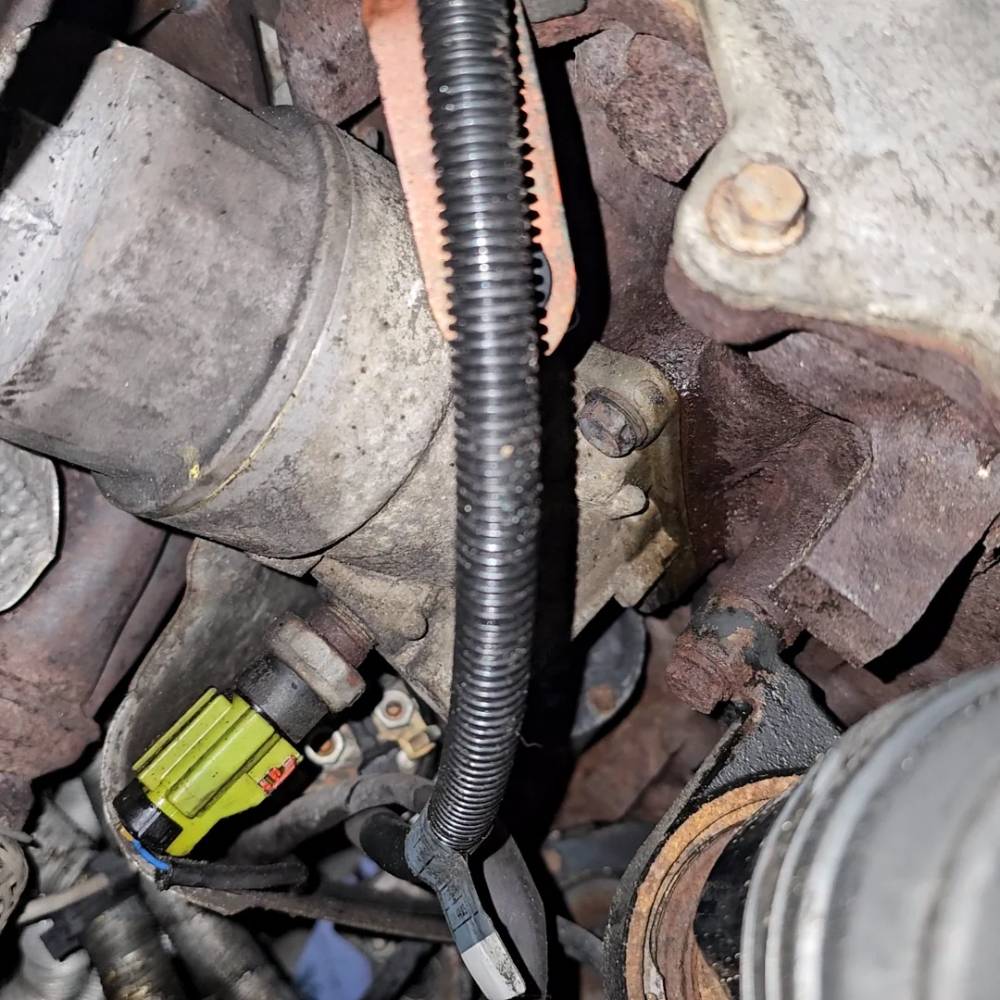
What Is a Coolant Leak in a Mini Cooper?
The cooling system plays a vital role in maintaining your Mini Cooper’s engine temperature within a safe operating range. Coolant, also known as antifreeze, circulates through the engine and radiator to absorb excess heat and prevent overheating. Without an adequate supply of coolant, the engine can quickly reach dangerous temperatures that may lead to severe mechanical damage.
A coolant leak occurs when this fluid escapes from any part of the cooling system. In Mini Cooper models, leaks can develop from aging hoses, cracked expansion tanks, failing water pumps, damaged radiators, or worn thermostat housings. Since the cooling system operates under pressure, even a small crack or loose connection can result in coolant loss over time.
Ignoring a coolant leak can have serious consequences. As coolant levels drop, the engine becomes less efficient at dissipating heat. This increases the risk of overheating, which may eventually damage critical components such as the cylinder head gasket or the engine block itself. Repairs associated with these failures are often significantly more expensive than addressing the original leak.
Understanding what a coolant leak is and recognizing its importance can help Mini Cooper owners take action early. Prompt diagnosis and repair not only protect the engine but also contribute to the vehicle’s long term reliability and performance.
Common Symptoms of a Mini Cooper Coolant Leak
Recognizing the early warning signs of a coolant leak can save you from costly repairs and unexpected breakdowns. While some symptoms are obvious, others may develop gradually and go unnoticed until the problem becomes more severe.
One of the most common signs is finding a puddle of brightly colored fluid beneath the vehicle. Depending on the type of coolant used, the liquid may appear green, orange, pink, or blue. This often indicates that coolant is escaping from a hose connection, radiator, or other cooling system component.
Another warning sign is the low coolant indicator appearing on the dashboard. If you frequently need to refill the coolant reservoir, there is a strong possibility that your Mini Cooper has a leak somewhere within the system.
Engine overheating is another symptom that should never be ignored. If the temperature gauge begins to rise above normal levels, the engine may not be receiving sufficient cooling. Continuing to drive under these conditions can lead to extensive engine damage.
Drivers may also notice a sweet smell coming from the engine bay or inside the cabin. Coolant has a distinct odor that often becomes noticeable when leaks occur. In some cases, a faulty heater core may cause fogging on the interior windows as coolant vapor enters the cabin.
Additionally, white or chalky residue around hoses, fittings, or the expansion tank can indicate dried coolant deposits left behind by slow leaks. Identifying these symptoms early allows owners to address the issue before it develops into a major repair.
Top Causes of Mini Cooper Coolant Leaks
Several components within the Mini Cooper cooling system are known to develop leaks over time. Understanding these common failure points can make diagnosis easier and help owners determine the appropriate repair strategy.
One of the most frequent causes is a failing thermostat housing. Many Mini Cooper models use plastic housings that are exposed to repeated heating and cooling cycles. Over time, the material can become brittle and crack, allowing coolant to escape.
The coolant expansion tank is another common culprit. As the reservoir ages, small fractures may develop due to pressure and temperature fluctuations. A damaged expansion tank often results in gradual coolant loss that becomes more noticeable over time.
Water pump failure is also a well documented issue in some Mini Cooper generations. Since the water pump is responsible for circulating coolant throughout the engine, seal deterioration or bearing wear can eventually lead to leaks.
Radiator hoses should not be overlooked. Rubber components naturally degrade with age, and prolonged exposure to heat can cause hoses to crack, soften, or loosen at connection points. These issues may result in visible leaks beneath the vehicle.
In certain cases, the radiator itself may develop corrosion or physical damage that compromises its ability to retain coolant. Internal blockages and external impacts can both contribute to radiator failure.
Although less common, a leaking heater core or a blown head gasket can also lead to coolant loss. These conditions are typically more serious and may require extensive diagnostic procedures and repairs.
By understanding the most common causes of Mini Cooper coolant leaks, owners can take proactive steps to identify problems early and minimize the risk of costly engine damage.
How to Diagnose a Mini Cooper Coolant Leak
Diagnosing a coolant leak early can prevent minor issues from turning into expensive engine repairs. While some leaks are immediately visible, others require a more thorough inspection to identify the source accurately.
Begin by checking the coolant level in the expansion tank when the engine is completely cool. If the level consistently drops below the recommended mark, there is a strong indication that coolant is escaping somewhere within the system. Be sure to inspect the reservoir itself for cracks or signs of staining around the seams.
Next, look underneath the vehicle after it has been parked for several hours. Fresh coolant often leaves colorful puddles or damp spots on the ground. Noting the location of these spots can help narrow down the affected component.
Open the hood and visually inspect the radiator hoses, hose clamps, thermostat housing, and surrounding connections. Look for moisture, discoloration, or white residue, which may indicate dried coolant deposits left behind by slow leaks.
Pay attention to unusual smells as well. A sweet odor coming from the engine compartment or inside the cabin may suggest coolant is escaping from the heater core or another part of the cooling system.
For leaks that are difficult to detect, a cooling system pressure test can be extremely helpful. This procedure pressurizes the system while the engine is off, making hidden leaks easier to locate. Many repair shops offer this service, although pressure testing kits are also available for experienced DIY enthusiasts.
If the source of the leak remains unclear or if you suspect internal engine damage, it is advisable to seek professional assistance. Prompt diagnosis can significantly reduce repair costs and help preserve the longevity of your Mini Cooper.
Can You Drive a Mini Cooper With a Coolant Leak?
The answer depends largely on the severity of the leak, but in most situations, continuing to drive a Mini Cooper with a coolant leak is not recommended.
Small leaks may initially appear harmless, especially if the vehicle maintains a normal operating temperature. However, coolant loss can accelerate without warning. What begins as an occasional top off may quickly evolve into a situation where the engine no longer receives adequate cooling.
If you notice the temperature gauge rising above its normal range, steam coming from under the hood, or a coolant warning light illuminated on the dashboard, you should stop driving the vehicle as soon as it is safe to do so. Continuing to operate an overheating engine can result in catastrophic damage, including warped cylinder heads, failed head gaskets, and extensive internal engine problems.
There may be circumstances where driving a short distance is unavoidable, such as reaching a nearby repair facility. In these situations, coolant levels should be checked carefully, and the temperature gauge must be monitored continuously. Any indication of overheating should be treated as an emergency.
Ultimately, the safest approach is to address coolant leaks promptly rather than postponing repairs. The cost of replacing a hose or expansion tank is often far lower than the expense associated with repairing an engine damaged by excessive heat.
Protecting your Mini Cooper starts with recognizing that even minor coolant leaks deserve immediate attention. Taking swift action can save both time and money while ensuring reliable vehicle performance.
How to Fix a Mini Cooper Coolant Leak
Repairing a Mini Cooper coolant leak requires identifying the specific component responsible for the coolant loss. Once the source has been confirmed, the appropriate repair can be carried out to restore the integrity of the cooling system.
If the thermostat housing is cracked or leaking, replacement is typically the most effective solution. Because this component is exposed to constant temperature fluctuations, deterioration can occur over time. Installing a new housing eliminates the leak and helps maintain proper engine temperature regulation.
A damaged expansion tank should also be replaced rather than repaired. Small cracks can worsen under pressure, leading to sudden coolant loss. Fortunately, replacing the reservoir is often less expensive than other cooling system repairs.
Worn or deteriorated radiator hoses should be exchanged for high quality replacements. During installation, hose clamps should also be inspected to ensure secure connections and prevent future leaks.
If the water pump is identified as the source of the problem, replacement is usually necessary. Since the water pump plays a critical role in coolant circulation, delaying this repair may increase the risk of overheating and additional mechanical damage.
Leaks originating from the radiator may require either repair or full replacement, depending on the extent of the damage. Severe corrosion or structural failure generally warrants the installation of a new radiator.
In cases involving heater core leaks or head gasket failure, professional diagnosis and repair are strongly recommended. These issues tend to be more complex and may involve significant labor.
Regardless of the cause, addressing coolant leaks promptly is essential. Timely repairs help maintain optimal engine performance, improve reliability, and prevent the substantial costs associated with overheating related failures.
Mini Cooper Coolant Leak Repair Cost
One of the first questions Mini Cooper owners ask after discovering a coolant leak is how much the repair will cost. The answer depends on the source of the leak, the model year of the vehicle, and local labor rates. Addressing the issue early is often the most cost effective approach, as minor repairs can quickly escalate into major engine work if overheating occurs.
Replacing a damaged expansion tank is generally one of the more affordable repairs. Depending on parts and labor costs, owners can expect to pay between $150 and $350. If the problem stems from a worn radiator hose, the repair typically ranges from $100 to $250.
Thermostat housing replacement is another common repair for Mini Cooper models. Since accessing the component can require additional labor, the total cost often falls between $300 and $700. Water pump replacement is usually more expensive, with repair bills ranging from $500 to $1,200 depending on the specific Mini Cooper model and engine configuration.
Radiator replacement costs commonly range from $400 to $900, particularly if related components also require attention. The most expensive scenario involves head gasket failure caused by prolonged overheating. In such cases, repair costs can exceed $1,500 and may reach $3,500 or more.
Although it may be tempting to delay repairs in an effort to save money, doing so can significantly increase overall expenses. Promptly addressing coolant leaks is one of the best ways to protect your investment and avoid extensive engine damage.
How to Prevent Future Coolant Leaks
While not every coolant leak can be prevented, regular maintenance can greatly reduce the likelihood of unexpected cooling system failures. Taking a proactive approach helps ensure that your Mini Cooper continues to operate efficiently and reliably.
One of the most effective preventive measures is checking coolant levels on a routine basis. A sudden drop in coolant volume often serves as an early warning sign that should not be ignored. Monitoring the expansion tank monthly can help identify problems before they become severe.
Following the manufacturer’s recommended coolant service intervals is equally important. Over time, coolant can lose its protective properties, increasing the risk of corrosion within the cooling system. Using the correct coolant type specified for your Mini Cooper is essential for maintaining optimal performance.
Periodic inspections of hoses, clamps, and plastic cooling system components can reveal signs of wear before leaks develop. Cracks, swelling, discoloration, and hardened rubber materials may indicate that replacement is necessary.
Drivers should also pay close attention to dashboard warning lights and engine temperature readings. Responding quickly to unusual changes can prevent overheating and minimize repair costs.
Scheduling regular inspections with a qualified technician familiar with Mini Cooper vehicles provides an additional layer of protection. Professional evaluations can uncover hidden issues that may not be obvious during routine visual checks.
Consistent maintenance habits not only help prevent coolant leaks but also contribute to the long term health and reliability of the entire engine system.
Frequently Asked Questions
Why is my Mini Cooper leaking coolant but not overheating?
A small coolant leak may not immediately cause the engine to overheat, especially if enough coolant remains in the system to maintain proper operating temperatures. However, the problem can worsen over time, making early diagnosis essential.
Is a coolant leak expensive to fix?
Repair costs vary depending on the affected component. Minor issues such as damaged hoses or expansion tanks are generally affordable, while repairs involving the water pump or head gasket can be significantly more expensive.
Can I fix a Mini Cooper coolant leak myself?
Certain repairs, including replacing hoses or an expansion tank, may be manageable for experienced DIY enthusiasts. More complex repairs involving the water pump, radiator, or internal engine components are best left to qualified professionals.
How long can I drive with a coolant leak?
Driving with a coolant leak is not recommended. Even a small leak can become more severe without warning, increasing the risk of overheating and engine damage. The safest option is to repair the issue as soon as possible.
What color is Mini Cooper coolant?
The color of coolant can vary depending on the formulation used and the vehicle’s service history. Always consult your owner’s manual or a trusted technician to ensure the correct coolant specification is used during maintenance.
Conclusion
A Mini Cooper coolant leak may seem like a minor inconvenience at first, but ignoring the warning signs can lead to serious mechanical problems and costly repairs. Whether the issue originates from a cracked expansion tank, a failing thermostat housing, worn hoses, or a faulty water pump, early detection is the key to minimizing both risk and expense.
Understanding the common symptoms of coolant leaks empowers owners to take immediate action before overheating occurs. Regular inspections, proper maintenance practices, and timely repairs all play a crucial role in preserving engine performance and extending the lifespan of your vehicle.
If you suspect that your Mini Cooper is losing coolant, do not wait for the problem to escalate. Investigate the cause, consult a qualified technician when necessary, and address the issue promptly. A proactive approach today can save you from significant repair bills tomorrow while keeping your Mini Cooper running safely and efficiently for years to come.