Choosing the correct oil for your MINI Cooper is one of the most important steps in maintaining engine performance and extending the life of your vehicle. Yet, many MINI owners are uncertain about which oil type their specific model requires. Should you use 0W-20 or 5W-30? Does your MINI require BMW-approved oil? How often should you schedule an oil change? These are common questions that can quickly become overwhelming, especially since oil recommendations vary depending on the generation, engine type, and model year of the vehicle.
Using the wrong engine oil may lead to increased engine wear, reduced fuel efficiency, poor lubrication during extreme temperatures, and in some cases, costly repairs. Modern MINI Cooper models, particularly those equipped with turbocharged engines, rely heavily on high-quality synthetic oils that meet strict manufacturer specifications. Ignoring these requirements can compromise engine reliability over time.
This complete guide will help you identify the correct MINI Cooper oil type for every model year, from early R-series models to the latest F-series vehicles. You will also learn about recommended oil viscosities, BMW Longlife specifications, oil capacities, service intervals, and practical maintenance tips. Whether you are planning a DIY oil change or simply want to ensure your MINI receives the proper care, this guide provides the information you need to make informed decisions and keep your vehicle running at its best.
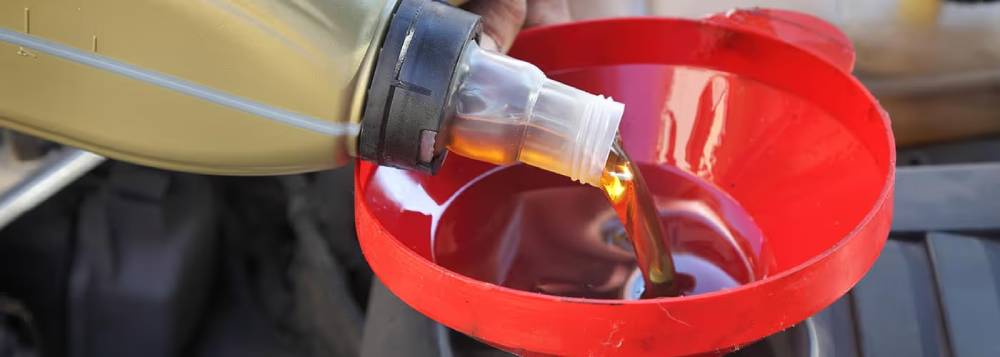
Why Choosing the Correct Oil for Your MINI Cooper Matters
Many drivers underestimate the role that engine oil plays in the overall health and performance of their MINI Cooper. Engine oil does far more than lubricate moving components. It helps regulate operating temperatures, reduces friction, prevents the buildup of harmful deposits, and protects critical engine parts from premature wear. Selecting the appropriate oil type ensures that your MINI performs efficiently under a wide range of driving conditions.
Modern MINI Cooper engines, especially turbocharged variants, operate under higher temperatures and increased stress compared to older naturally aspirated engines. Using an oil that does not meet the manufacturer’s specifications may compromise the protective film between engine components. Over time, this can accelerate wear and lead to expensive mechanical repairs.
Another important consideration is fuel economy. Oils formulated with the proper viscosity reduce internal resistance within the engine. This allows the engine to operate more efficiently, potentially improving fuel consumption while maintaining optimal performance.
Following MINI’s recommended oil specifications can also help preserve warranty coverage and ensure compliance with factory maintenance guidelines. Investing in the correct oil today can prevent avoidable problems and extend the lifespan of your vehicle for years to come.
Understanding MINI Cooper Oil Specifications
When shopping for engine oil, MINI owners often encounter a variety of viscosity grades and manufacturer approvals that can be confusing. Understanding these specifications makes it easier to choose the right product for your vehicle.
Oil viscosity refers to the oil’s resistance to flow under different temperatures. Common viscosity grades used in MINI Cooper models include 0W20, 0W30, and 5W30. The number preceding the letter W indicates the oil’s cold temperature performance, while the second number represents its viscosity at normal operating temperatures. Lower winter ratings provide improved cold start protection, whereas higher operating temperature ratings may offer enhanced protection in demanding conditions.
In addition to viscosity, MINI recommends oils that meet specific BMW Longlife standards. BMW Longlife 01 is commonly found in earlier MINI models and provides excellent engine protection for extended service intervals. BMW Longlife 04 oils are designed to support emission control systems in certain markets. More recent MINI Cooper models may require BMW Longlife 17 FE Plus oils, which focus on improved fuel efficiency while maintaining engine durability.
Synthetic oil is strongly recommended for most MINI Cooper vehicles. Compared with conventional oil, synthetic formulations offer superior thermal stability, better resistance to oxidation, and enhanced protection during both hot and cold operating conditions. Although synthetic oil generally comes at a higher price point, its performance benefits often outweigh the additional cost.
MINI Cooper Oil Type by Model Year
One of the most important factors when selecting engine oil is identifying the generation and model year of your MINI Cooper. Oil requirements have evolved significantly over the years due to advancements in engine design and efficiency standards.
First generation MINI Cooper models produced between 2002 and 2006, including the R50, R52, and R53, typically require full synthetic 5W30 engine oil that meets BMW Longlife 01 specifications. These vehicles benefit from high quality synthetic oils that provide reliable protection against engine wear and maintain stable performance under varying temperatures.
Second generation MINI Cooper models manufactured from 2007 through 2016 encompass several platforms, including the R55 Clubman, R56 Hatchback, R57 Convertible, R58 Coupe, R59 Roadster, R60 Countryman, and R61 Paceman. Most of these vehicles also utilize synthetic 5W30 oil. Depending on the engine configuration and regional requirements, BMW Longlife 01 or Longlife 04 approvals may be specified. Owners of turbocharged models should pay particular attention to using manufacturer approved oils because these engines place greater demands on lubrication systems.
Third generation MINI Cooper vehicles, including the F54, F55, F56, F57, and F60 models introduced from 2014 onward, frequently require 0W20 full synthetic oil formulated to meet BMW Longlife 17 FE Plus standards. These lower viscosity oils are engineered to support improved fuel economy while continuing to provide excellent protection for advanced turbocharged powertrains. However, owners should always consult their owner’s manual or service documentation to confirm the exact oil specification recommended for their specific engine and production year.
MINI Cooper Oil Capacity Chart by Model Year
Knowing the correct oil type is only part of proper engine maintenance. Using the right oil capacity is equally important because both overfilling and underfilling can negatively affect engine performance. Too little oil may result in insufficient lubrication and increased wear, while excessive oil levels can create unnecessary pressure within the system and potentially damage seals or other components.
The following chart provides a general reference for common MINI Cooper models. Actual capacities may vary depending on the engine configuration and whether the oil filter is replaced during service. Always verify the specifications in your owner’s manual before performing an oil change.
| MINI Model | Model Years | Recommended Oil Type | Approximate Capacity With Filter |
|---|---|---|---|
| MINI Cooper R50 | 2002 to 2006 | Full Synthetic 5W30 | 4.8 quarts |
| MINI Cooper S R53 | 2002 to 2006 | Full Synthetic 5W30 | 4.8 quarts |
| MINI Cooper R56 | 2007 to 2013 | Full Synthetic 5W30 | 4.2 to 4.5 quarts |
| MINI Cooper S R56 | 2007 to 2013 | Full Synthetic 5W30 | 4.5 to 5.3 quarts |
| MINI Cooper F55 F56 | 2014 to Present | Full Synthetic 0W20 | 4.5 to 5.6 quarts |
| MINI Cooper Countryman F60 | 2017 to Present | Full Synthetic 0W20 | 5.3 to 5.6 quarts |
This chart is intended to serve as a quick reference guide for MINI owners. Since engine variants differ across markets and production years, checking the manufacturer’s specifications remains the safest approach.
How Often Should You Change Oil in a MINI Cooper?
Oil change intervals have evolved significantly as engine technology and lubricant quality have improved. While older recommendations often suggested changing oil every 3000 miles, modern MINI Cooper models can typically operate for much longer periods when using approved synthetic oils.
MINI generally recommends following the vehicle’s Condition Based Service system, which monitors driving habits and engine conditions to determine when maintenance is required. Under normal driving conditions, many MINI owners can expect oil change intervals ranging from approximately 10000 to 12000 miles, or once every twelve months, whichever comes first.
However, certain driving conditions may justify more frequent oil changes. Drivers who regularly take short trips may not allow the engine to reach optimal operating temperatures, leading to moisture accumulation and accelerated oil degradation. Stop and go traffic, extreme weather conditions, spirited driving, and frequent towing can also place additional stress on engine oil.
There are several warning signs that should never be ignored. Illuminated oil warning indicators, unusual ticking sounds from the engine, a noticeable burning oil smell, or declining engine performance may indicate that an oil change is overdue. Addressing these symptoms promptly can help prevent more serious mechanical issues.
Developing a consistent maintenance routine not only protects your MINI’s engine but also contributes to long term reliability and resale value.
Best Oils for MINI Cooper Owners
Selecting a high quality engine oil that meets MINI’s specifications is essential for achieving optimal performance and engine protection. With numerous brands available on the market, focusing on products with the appropriate BMW approvals can simplify the decision making process.
One of the most widely recommended choices is Castrol EDGE Full Synthetic. This oil has long been associated with European vehicles and offers excellent protection against wear, even under demanding driving conditions. Its advanced formulation supports engine cleanliness and maintains stability across a broad temperature range.
Another popular option is Mobil 1 European Car Formula. Designed specifically for European engine requirements, this full synthetic oil provides exceptional thermal stability and strong resistance to oxidation. Many MINI owners appreciate its widespread availability and proven track record.
Liqui Moly is also highly regarded among enthusiasts and professional technicians. Known for its premium German engineering standards, Liqui Moly products often meet or exceed the specifications required by MINI and BMW. Drivers seeking maximum engine protection frequently consider this brand among the best choices available.
Regardless of the brand selected, the most important factor remains compliance with the viscosity grade and BMW Longlife specification recommended for your particular MINI Cooper model. Prioritizing quality and manufacturer approval helps ensure that your engine receives the protection it was designed to have.
Common Mistakes MINI Owners Make When Choosing Engine Oil
Even experienced vehicle owners can make mistakes when selecting engine oil for their MINI Cooper. While these errors may seem minor at first, they can affect engine performance, reduce efficiency, and contribute to long term wear.
One of the most common mistakes is choosing an oil based solely on viscosity without considering the required BMW approval. Two oils may both be labeled as 5W30, yet only one may meet the specifications designed for a particular MINI engine. Using a product that lacks the proper certification may compromise protection, especially in turbocharged applications.
Another frequent error involves extending oil change intervals beyond recommended limits. Although modern synthetic oils are engineered for longer service life, delaying maintenance for too long can lead to sludge formation and reduced lubrication effectiveness. Drivers who frequently encounter stop and go traffic, extreme temperatures, or short commuting distances should be especially cautious.
Mixing different oil formulations without understanding compatibility is another issue that some owners overlook. While topping off oil in an emergency is sometimes unavoidable, repeatedly combining different products can alter performance characteristics. Whenever possible, use the same approved oil during each service interval.
Finally, relying on generic advice from online forums rather than consulting the owner’s manual can lead to costly mistakes. MINI Cooper models have evolved considerably over the years, and recommendations that apply to one generation may not be suitable for another. Taking a few minutes to verify the correct specification can save significant time and expense in the future.
Frequently Asked Questions About MINI Cooper Oil Type
Can I use 5W30 in my MINI Cooper?
In many older MINI Cooper models, particularly R series vehicles, 5W30 full synthetic oil is the recommended choice. However, newer F series models may require 0W20 oil to comply with updated engineering and fuel economy standards. Always verify the requirement for your specific model year before adding or replacing engine oil.
Does a MINI Cooper require synthetic oil?
Yes. Most MINI Cooper vehicles are designed to operate with full synthetic engine oil. Synthetic formulations provide superior protection against heat, oxidation, and engine deposits while supporting extended service intervals.
How much oil does a MINI Cooper take?
Oil capacity varies according to engine size and model generation. Most MINI Cooper models require between four and six quarts of oil when the filter is replaced. Consulting the owner’s manual remains the most reliable method for determining the exact capacity.
What happens if I use the wrong oil?
Using an oil that does not meet the recommended viscosity or BMW specification may reduce lubrication efficiency, increase engine wear, negatively affect fuel economy, and potentially contribute to premature component failure. In certain situations, it may also impact warranty coverage.
How often should I check my oil level?
Checking the oil level at least once a month is considered good practice. Drivers who travel long distances regularly or operate their vehicles under demanding conditions may benefit from more frequent inspections. Maintaining the proper oil level is an important part of preventive maintenance.
Conclusion
Choosing the correct MINI Cooper oil type is one of the simplest yet most valuable investments you can make in the health of your vehicle. Whether you own an early R50 hatchback or a modern F56 equipped with a turbocharged engine, following the manufacturer’s recommendations helps ensure reliable performance and long term durability.
Throughout this guide, we have explored the importance of selecting the proper oil viscosity, understanding BMW Longlife specifications, identifying oil capacities by model year, and recognizing the factors that influence oil change intervals. These details may appear technical at first, but they play a critical role in protecting the engine that powers your MINI.
Routine maintenance does more than preserve performance. It can help improve fuel efficiency, minimize the risk of unexpected repairs, and contribute to stronger resale value in the future. By using high quality synthetic oil that meets the requirements of your specific MINI Cooper, you provide your vehicle with the protection it needs to perform confidently in everyday driving conditions.
Before your next oil change, take a moment to confirm the recommended oil type for your model year. A small decision today can make a significant difference in the longevity and reliability of your MINI Cooper for many miles to come.