Discovering that your Mini Cooper sunroof won’t close can be both frustrating and stressful, especially if bad weather is approaching or you need to leave your vehicle parked outside. What seems like a simple inconvenience can quickly become a serious concern when rain, debris, or security issues come into play.
The good news is that a malfunctioning sunroof does not always mean an expensive repair bill. In many cases, the problem may be caused by something relatively minor, such as debris trapped in the tracks, a blown fuse, or a sunroof system that simply needs to be reset. However, more complex issues involving the motor, electrical components, or track assembly can also prevent the sunroof from closing properly.
If you have been asking yourself, “Why is my Mini Cooper sunroof not closing?”, this guide is designed to help. We will explore the most common causes behind this issue, explain the warning signs to watch for, and walk you through the troubleshooting steps that may help you restore your sunroof’s functionality. By the end of this article, you will have a clearer understanding of whether the issue can be resolved at home or requires professional attention.
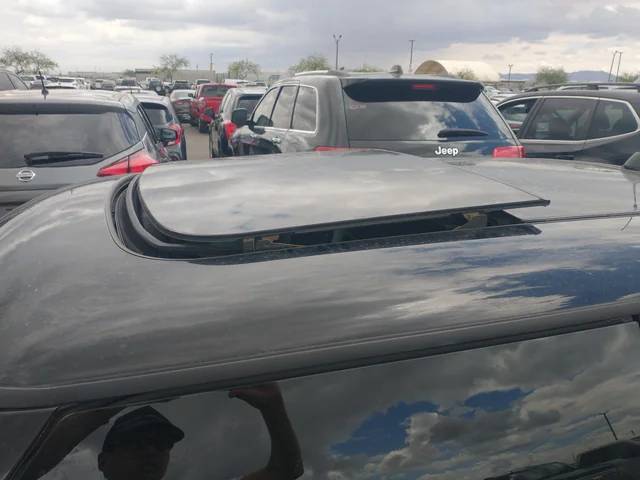
How Does the Mini Cooper Sunroof System Work?
Before troubleshooting the problem, it helps to understand how the Mini Cooper sunroof system operates. Modern Mini Cooper models use an electrically powered mechanism designed to open and close the sunroof smoothly while incorporating several safety features.
The system relies on multiple components working together. The sunroof switch sends commands to the control module, which then activates the motor responsible for moving the glass panel. Guide rails and tracks ensure the sunroof travels along the correct path, while sensors monitor resistance to prevent injuries or damage. Many Mini Cooper models also feature an anti pinch function that automatically stops or reverses the closing action if an obstruction is detected.
Because these components are interconnected, a failure in any one of them can prevent the sunroof from closing properly. A simple electrical issue may mimic the symptoms of a major mechanical failure, making accurate diagnosis essential. Understanding the basics of the system can help you identify potential causes more effectively and determine whether the issue is something you can address yourself or if professional assistance is required.
1. The Sunroof Needs a Reset
One of the most common reasons a Mini Cooper sunroof will not close is that the system has lost its calibration. This issue often occurs after a battery replacement, a temporary power interruption, or an unexpected electrical fluctuation.
When the control module loses its reference points, it may no longer recognize the fully open or fully closed positions of the sunroof. As a result, the glass panel may stop moving unexpectedly, refuse to close completely, or become unresponsive to switch commands.
Drivers experiencing this problem often notice that the sunroof previously functioned normally before suddenly developing issues without any warning signs. Fortunately, a reset procedure can sometimes restore normal operation without requiring replacement parts or costly repairs.
Although the exact reset process may vary depending on the Mini Cooper model year, many owners report success by holding the sunroof switch in the closed position for an extended period to allow the system to recalibrate. If the reset is successful, the sunroof may resume normal operation immediately.
Because this solution is relatively simple and free to attempt, it should be one of the first troubleshooting steps whenever your Mini Cooper sunroof won’t close.
2. Debris or Obstructions in the Sunroof Tracks
Another frequent cause of sunroof problems involves debris accumulating within the tracks. Over time, dirt, dust, leaves, and other small particles can interfere with the smooth movement of the sunroof mechanism.
When the tracks become obstructed, the sunroof may begin to close before stopping abruptly. Some drivers report hearing grinding sounds or noticing that one side of the glass moves unevenly compared to the other. In certain cases, the anti pinch safety feature may interpret the added resistance as an obstacle and automatically reverse the closing process.
Environmental conditions play a significant role in this issue. Vehicles parked outdoors beneath trees or exposed to heavy dust are often more susceptible to track contamination. Additionally, old lubricant can harden over time, creating friction that further restricts movement.
Inspecting the tracks for visible obstructions is an important part of the diagnostic process. Removing debris and ensuring the tracks remain clean can sometimes resolve the problem entirely. Routine maintenance also helps reduce wear on the sunroof components and minimizes the likelihood of future malfunctions.
Because track obstructions are relatively common and inexpensive to address, they represent another potential solution worth investigating before pursuing more extensive repairs.
3. Faulty Sunroof Motor
If cleaning the tracks and resetting the system fail to resolve the issue, the sunroof motor itself may be responsible. The motor provides the force necessary to move the sunroof along its designated path, and like any mechanical component, it can deteriorate over time.
A failing motor often produces warning signs before complete failure occurs. Drivers may hear clicking noises when pressing the switch, experience intermittent operation, or notice that the sunroof moves more slowly than usual. In some cases, the motor may still generate sound without producing enough power to close the sunroof completely.
Normal wear and tear remains one of the leading causes of motor failure, particularly in older Mini Cooper models that have undergone years of repeated use. Moisture intrusion and electrical issues can also contribute to premature deterioration.
Diagnosing motor problems typically requires a more detailed inspection than other common causes. While some experienced owners may feel comfortable testing electrical components, many choose to consult a qualified technician for confirmation.
Ignoring the symptoms of a failing motor can eventually lead to a sunroof that becomes permanently stuck in an open position. Addressing the problem early may help prevent additional damage to related components and reduce the overall cost of repairs.
4. Blown Fuse or Electrical Problems
Electrical issues are another common explanation for why a Mini Cooper sunroof will not close. Since the sunroof relies on a network of fuses, wiring, switches, and control modules to function correctly, a disruption anywhere within this system can prevent the glass panel from operating as intended.
A blown fuse is often one of the simplest electrical problems to diagnose. If the fuse responsible for the sunroof circuit fails, the system may lose power entirely, leaving the sunroof unresponsive when the switch is pressed. In some situations, drivers may also notice that other electrical accessories are behaving abnormally, which could indicate a broader issue involving the vehicle’s electrical system.
Damaged wiring, loose connections, or voltage fluctuations can also interfere with communication between the sunroof switch and the motor. Because these problems are not always visible, they can be more challenging to identify without proper testing equipment.
Checking the relevant fuse should be one of the early troubleshooting steps when dealing with a sunroof malfunction. Replacing a blown fuse is generally inexpensive and may restore functionality immediately. However, if the replacement fuse fails again shortly afterward, professional diagnosis is strongly recommended, as repeated failures often suggest an underlying electrical fault that requires further investigation.
5. Misaligned or Damaged Sunroof Tracks
The tracks play a critical role in guiding the sunroof smoothly through its opening and closing cycle. When these components become misaligned or damaged, the sunroof may struggle to move correctly or stop functioning altogether.
Drivers experiencing track related problems often notice uneven movement, unusual popping noises, or a sunroof that appears crooked during operation. In some cases, one side of the glass panel may advance faster than the other, creating additional stress on the mechanism. Continuing to operate the sunroof under these conditions can worsen the damage and potentially affect other components within the system.
Track problems may develop gradually as a result of normal wear and tear, especially in older vehicles. They can also occur following an impact, improper repairs, or prolonged neglect of routine maintenance. Dirt accumulation and insufficient lubrication may further accelerate deterioration by increasing friction during operation.
Unlike minor obstructions that can be cleaned away easily, damaged tracks often require adjustment, repair, or replacement. Addressing these issues promptly can help prevent more extensive repairs and reduce the risk of the sunroof becoming permanently stuck in either the open or closed position.
If your Mini Cooper sunroof won’t close and you observe signs of uneven movement or mechanical resistance, the condition of the tracks should be carefully evaluated.
6. Anti Pinch Safety Feature Activation
Modern Mini Cooper sunroof systems are equipped with an anti pinch safety feature designed to protect passengers from injury. This system detects unexpected resistance during the closing process and automatically stops or reverses the movement of the glass panel to prevent accidents.
While this technology enhances safety, it can occasionally contribute to operational problems. If the system incorrectly interprets normal resistance as an obstruction, the sunroof may repeatedly reopen instead of closing completely. Drivers often describe situations where the sunroof nearly reaches the fully closed position before reversing direction unexpectedly.
Several factors can trigger false activation of the anti pinch function. Dirt buildup within the tracks, misaligned components, calibration errors, or increased friction caused by aging mechanisms may all cause the system to react unnecessarily. In these cases, the sunroof itself may not be damaged, but the safety system prevents normal operation as a precautionary measure.
Because the symptoms of anti pinch activation can resemble those associated with more serious mechanical failures, it is important not to jump to conclusions. Cleaning the tracks, performing a system reset, or consulting the owner’s manual for recalibration procedures may help resolve the issue.
Understanding how this safety feature works can save Mini Cooper owners considerable time and expense. What initially appears to be a major malfunction may simply be the result of a protective system responding to conditions that can often be corrected through basic troubleshooting steps.
7. Defective Sunroof Switch
Although it is often overlooked, a faulty sunroof switch can be the reason your Mini Cooper sunroof won’t close. The switch acts as the primary control point between the driver and the sunroof system. If it fails to transmit signals correctly, the motor may never receive the command to close the glass panel.
One of the most common signs of a defective switch is inconsistent operation. The sunroof may respond intermittently, functioning normally one moment and refusing to move the next. Some owners notice that the sunroof opens without issue but will not close, while others find that only certain switch positions appear to work. In more severe cases, pressing the switch produces no response at all.
Over time, normal wear can affect the internal contacts within the switch assembly. Dust accumulation, moisture exposure, and repeated use may contribute to deterioration. Because switch related symptoms can closely resemble those caused by electrical faults or motor problems, accurate diagnosis is important before replacing more expensive components.
Testing the switch generally involves inspecting for visible damage and verifying that it is sending the appropriate signals through the electrical system. If the switch is identified as the source of the problem, replacement is often straightforward and significantly less costly than repairing the motor or track assembly.
For Mini Cooper owners searching for answers to why their sunroof will not close, the switch should remain on the list of possible causes, especially when other troubleshooting methods have failed to provide a solution.
What Should You Do First When Your Mini Cooper Sunroof Won’t Close?
When faced with a sunroof that refuses to close, it is easy to panic and assume that an expensive repair is inevitable. However, taking a systematic approach can help you identify simple fixes before committing to professional service.
Begin by inspecting the sunroof tracks for visible obstructions. Leaves, dirt, and hardened debris can interfere with the movement of the glass panel and trigger the anti pinch safety feature. Carefully cleaning the affected areas may resolve the issue immediately.
Next, consider performing a sunroof reset procedure. Calibration problems are surprisingly common and may occur after battery replacement or temporary power loss. Following the reset instructions outlined in your owner’s manual could restore proper operation without any additional expense.
If the problem persists, check the relevant fuse associated with the sunroof system. A blown fuse may interrupt power delivery and prevent the mechanism from functioning. Replacing a damaged fuse is typically inexpensive and requires minimal effort.
Pay attention to any unusual sounds while operating the switch. Clicking noises, grinding sounds, or complete silence can provide valuable clues regarding the condition of the motor and related components.
By progressing through these basic troubleshooting steps, many Mini Cooper owners can narrow down the source of the problem and make more informed decisions regarding repairs.
When Should You Visit a Mechanic?
While certain sunroof issues can be resolved through simple troubleshooting, there are situations where professional assistance becomes necessary. Recognizing these warning signs can help prevent additional damage and protect your vehicle from avoidable complications.
If your Mini Cooper sunroof remains stuck open despite multiple troubleshooting attempts, seeking professional help should become a priority. Leaving the vehicle exposed to rain, debris, and fluctuating temperatures can lead to interior damage and costly repairs involving upholstery or electronic components.
Grinding noises, severe resistance during operation, or obvious misalignment of the glass panel may indicate underlying mechanical damage that requires specialized attention. Continuing to force the system under these conditions can worsen the situation and increase repair expenses.
Electrical problems affecting multiple vehicle functions should also be evaluated by a qualified technician. Recurring fuse failures or suspected wiring faults often demand diagnostic equipment that extends beyond the capabilities of most vehicle owners.
Finally, if you are uncertain about the cause of the malfunction or uncomfortable performing repairs yourself, consulting an experienced mechanic is the safest course of action. Professional diagnosis can provide clarity, prevent unnecessary parts replacement, and ensure that your Mini Cooper sunroof is restored to proper working condition as efficiently as possible.
How Much Does It Cost to Fix a Mini Cooper Sunroof?
One of the first questions many owners ask after discovering that their Mini Cooper sunroof won’t close is how much the repair will cost. The answer largely depends on the underlying cause of the problem and whether the issue can be resolved with a simple adjustment or requires replacement parts.
Minor fixes are often the least expensive. For example, replacing a blown fuse typically costs very little, especially if you are comfortable performing the repair yourself. Likewise, cleaning and lubricating the sunroof tracks may restore proper operation without significant expense.
If the problem involves a defective switch, repair costs generally remain manageable. However, expenses begin to increase when major components such as the sunroof motor or track assembly require replacement. Labor charges can also vary depending on the complexity of the repair and local service rates.
Below are general estimates that Mini Cooper owners may encounter:
| Repair Type | Estimated Cost |
|---|---|
| Fuse replacement | $10 to $50 |
| Sunroof reset service | Free to $100 |
| Track cleaning and lubrication | $50 to $150 |
| Sunroof switch replacement | $100 to $250 |
| Sunroof motor replacement | $300 to $800 |
| Track assembly repair or replacement | $500 to $1,500 |
Obtaining a professional inspection before authorizing repairs can help ensure an accurate diagnosis and prevent unnecessary spending. In some cases, what appears to be a major failure may actually stem from a relatively minor issue.
Tips to Prevent Future Sunroof Problems
Although some sunroof malfunctions are unavoidable, regular maintenance can significantly reduce the likelihood of encountering unexpected problems in the future.
Keeping the sunroof tracks clean is one of the most effective preventive measures. Dust, leaves, and debris can accumulate gradually and interfere with smooth operation. Inspecting the tracks periodically and removing visible contaminants helps minimize friction and strain on the moving components.
Proper lubrication is equally important. Over time, the factory lubricant may dry out or become contaminated. Using an appropriate lubricant recommended for automotive sunroof systems can help maintain smooth movement and reduce wear.
Drivers should also avoid forcing the sunroof if resistance is encountered. Attempting to override a malfunctioning mechanism may damage the motor, tracks, or safety features. Instead, investigate the cause of the issue before continuing operation.
Paying attention to unusual sounds can provide valuable early warning signs. Clicking noises, grinding sounds, or inconsistent movement often indicate developing problems that should be addressed promptly before they escalate into more extensive repairs.
Routine maintenance and early intervention not only extend the lifespan of the sunroof system but may also help Mini Cooper owners avoid costly repair bills.
Frequently Asked Questions
Why won’t my Mini Cooper sunroof close all the way?
Several factors may prevent the sunroof from closing completely, including debris in the tracks, activation of the anti pinch safety feature, motor failure, calibration issues, or damaged components within the track assembly.
Can I manually close my Mini Cooper sunroof?
Certain Mini Cooper models provide an emergency manual closing procedure. Consult your owner’s manual for instructions specific to your vehicle, as the process may differ depending on the model year.
Will replacing the battery fix my sunroof problem?
Replacing the battery alone is unlikely to resolve the issue. In fact, battery disconnection may sometimes require the sunroof system to be reset or recalibrated before normal operation resumes.
Is it safe to drive with a sunroof stuck open?
Driving with a sunroof stuck open is generally not recommended. Exposure to rain, dust, and debris can damage the vehicle’s interior, while security concerns may arise if the car is left unattended.
How long does it take to repair a Mini Cooper sunroof?
The repair timeline depends on the specific problem. Minor fixes such as fuse replacement or system resets may take less than an hour, while motor replacements or track repairs could require several hours or additional time if parts must be ordered.
Conclusion
A Mini Cooper sunroof that won’t close can quickly transform from a minor inconvenience into a frustrating and potentially expensive problem. Fortunately, understanding the most common causes behind this issue can help you respond appropriately and avoid unnecessary stress.
In many situations, the solution may be simpler than expected. Debris trapped within the tracks, a system that requires recalibration, or a blown fuse can often be addressed without major repairs. However, persistent symptoms involving the motor, electrical components, or track assembly should not be ignored, as delaying repairs may increase both costs and the risk of additional damage.
If you have been wondering, “Why is my Mini Cooper sunroof not closing?”, taking a methodical approach to troubleshooting is the best place to start. By identifying warning signs early and addressing minor concerns before they worsen, you can improve the likelihood of restoring normal operation quickly and efficiently.
Whether the issue calls for a simple reset or professional intervention, understanding how your sunroof system works empowers you to make informed decisions and protect your investment. With the right knowledge and timely action, you can get back to enjoying your Mini Cooper with confidence.