Diesel engines are generally more reliable than gasoline engines in high-mileage and heavy-duty applications because they are built to withstand higher compression, operate at lower engine speeds, and often experience less long-term mechanical wear. However, that does not mean every diesel engine is automatically more dependable. Modern diesel engines include complex emissions systems such as the Diesel Particulate Filter (DPF), Exhaust Gas Recirculation (EGR), and Selective Catalytic Reduction (SCR), which can increase maintenance requirements and create additional failure points over time.
For most vehicle owners, engine reliability is more than simply reaching a high mileage. It also includes maintenance frequency, repair costs, durability under different driving conditions, and how consistently an engine performs throughout its service life. A diesel engine that regularly tows heavy loads on highways may outlast a comparable gasoline engine, while a gasoline engine used primarily for short city trips may prove more practical and require fewer emissions-related repairs.
This article compares diesel and gasoline engines from a long-term ownership perspective. You’ll learn why diesel engines have earned a reputation for durability, what factors determine real-world reliability, how modern emissions technology has changed ownership costs, and which engine type is the better choice for different driving needs. By the end, you’ll have a clear understanding of whether a diesel engine is the right investment for your specific use case.
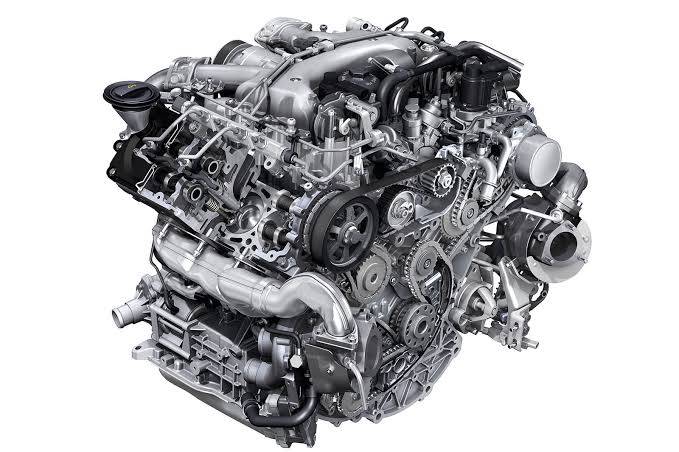
Are diesel engines more reliable than gas engines?
Diesel engines are generally more reliable than gasoline engines when they are used for long-distance driving, heavy towing, commercial transportation, or other high-load applications. Their robust construction, lower operating speeds, and combustion design often allow them to accumulate significantly higher mileage before requiring major engine repairs. However, overall reliability depends on maintenance quality, driving conditions, and the complexity of modern emissions systems rather than fuel type alone.
For many drivers, reliability is measured by more than engine lifespan. A reliable engine should require fewer unexpected repairs, maintain consistent performance over hundreds of thousands of miles, and keep ownership costs predictable. While diesel engines typically excel in mechanical durability, gasoline engines often have fewer emissions-related components, making them less expensive to maintain for drivers who primarily travel short distances or drive in urban environments.
The comparison also changes between older and modern vehicles. Older diesel engines earned a reputation for exceptional longevity because they relied on relatively simple mechanical fuel systems and fewer electronic controls. Modern diesel engines continue to offer strong internal durability, but advanced emissions technologies—including the Diesel Particulate Filter (DPF), Exhaust Gas Recirculation (EGR), and Selective Catalytic Reduction (SCR)—introduce additional components that require regular maintenance and may reduce overall ownership reliability if neglected.
As a result, the most accurate answer is that diesel engines are usually more mechanically durable than gasoline engines, while gasoline engines may provide a more reliable ownership experience for drivers whose usage patterns are not well suited to modern diesel technology.
Why do diesel engines often last longer than gasoline engines?
How does compression ignition reduce engine stress?
Diesel engines achieve combustion through compression ignition rather than spark ignition, allowing them to produce high torque efficiently at lower engine speeds. Most diesel engines generate their peak torque at much lower revolutions per minute (RPM) than comparable gasoline engines. Because the engine completes fewer combustion cycles over the same driving distance, internal components experience less cumulative wear over time.
Lower operating RPM also reduces friction between moving components such as pistons, crankshafts, connecting rods, and bearings. This slower operating speed helps preserve engine integrity throughout hundreds of thousands of miles, particularly in vehicles that spend most of their time cruising on highways or hauling heavy loads.
Why are diesel engine components built stronger?
Diesel engines are engineered with stronger internal components because they must withstand significantly higher compression pressures than gasoline engines. Manufacturers typically reinforce the engine block, crankshaft, pistons, cylinder head, bearings, and connecting rods to handle these greater combustion forces safely throughout the engine’s service life.
The heavier construction increases durability under demanding operating conditions such as towing, commercial hauling, agriculture, and industrial applications. Although these reinforced components make diesel engines heavier and more expensive to manufacture, they also contribute to their reputation for reaching exceptionally high mileage before major mechanical failures occur.
How does lower operating RPM affect engine wear?
Lower engine speed is one of the primary reasons diesel engines often last longer than gasoline engines. Every engine experiences wear whenever pistons move, valves open and close, bearings rotate, and combustion occurs. An engine operating at lower RPM performs fewer mechanical cycles during the same trip, reducing cumulative fatigue across critical components.
For example, a diesel pickup traveling at highway speed may cruise hundreds of RPM lower than a comparable gasoline truck. Over hundreds of thousands of miles, this reduction in operating speed translates into millions fewer combustion cycles, helping extend the service life of internal engine components.
While lower RPM contributes to durability, it is only one factor affecting long-term reliability. Consistent oil changes, clean fuel, timely filter replacements, proper cooling system maintenance, and adherence to the manufacturer’s service schedule remain equally important in determining how long either a diesel or gasoline engine will last.
What factors have the biggest impact on diesel engine reliability?
How does regular maintenance affect reliability?
Regular maintenance is the single most important factor influencing diesel engine reliability. Even a well-engineered diesel engine can experience premature failures if oil changes, fuel filter replacements, cooling system inspections, and scheduled servicing are neglected. Diesel engines operate under high compression, placing greater demands on lubricants and filtration systems than many gasoline engines.
Engine oil gradually loses its ability to lubricate moving parts as it becomes contaminated with soot, fuel residue, and microscopic metal particles. At the same time, fuel filters prevent contaminants from reaching high-pressure fuel injectors that operate with extremely tight tolerances. Ignoring recommended service intervals increases friction, accelerates component wear, and raises the likelihood of expensive repairs.
Routine maintenance also extends the lifespan of supporting systems such as the turbocharger, cooling system, and emissions equipment. Owners who follow the manufacturer’s maintenance schedule are significantly more likely to achieve high-mileage reliability than those who delay preventative servicing.
How does fuel quality influence engine life?
Fuel quality directly affects the reliability of a diesel engine because modern fuel injection systems operate under extremely high pressure and require clean, uncontaminated diesel fuel. Water, dirt, microbial contamination, or low-quality fuel can damage injectors, high-pressure fuel pumps, and fuel rails, leading to reduced performance and costly repairs.
Modern common-rail diesel systems deliver fuel at pressures exceeding 25,000 psi in many applications. At these pressures, even microscopic contaminants can score injector components or disrupt fuel spray patterns. Poor combustion caused by contaminated fuel may also increase soot production, accelerating the clogging of the Diesel Particulate Filter (DPF).
Using fuel from reputable suppliers, replacing fuel filters at the recommended intervals, and draining water separators when equipped all contribute to longer engine life and more consistent performance.
How do driving habits change engine durability?
Driving habits can significantly influence diesel engine reliability, particularly in vehicles equipped with modern emissions systems. Diesel engines perform best when they regularly reach full operating temperature and remain under moderate load for extended periods.
Frequent short trips prevent the engine and exhaust system from reaching temperatures required for efficient combustion and automatic DPF regeneration. As soot accumulates inside the filter, regeneration becomes less effective, eventually increasing back pressure and triggering warning lights or limp mode.
In contrast, vehicles that regularly travel long highway distances allow the engine to operate at stable temperatures, reducing soot accumulation and promoting more effective regeneration of emissions components. This operating pattern explains why diesel engines used in commercial trucking and long-distance transportation often experience fewer emissions-related problems than those driven primarily in city traffic.
Why does maintenance history matter more than engine type?
Maintenance history is often a better predictor of long-term reliability than whether an engine runs on diesel or gasoline. A properly maintained gasoline engine can easily outlast a neglected diesel engine, while a well-serviced diesel engine can remain dependable for several hundred thousand miles.
When evaluating a used vehicle, service records provide valuable insight into how the engine has been cared for. Evidence of regular oil changes, fuel system maintenance, cooling system service, and timely replacement of wear components generally indicates lower long-term risk than engine type alone.
For buyers considering a used diesel vehicle, maintenance documentation should carry more weight than mileage because consistent preventative care has a greater influence on engine longevity than odometer readings by themselves.
Why are some modern diesel engines less reliable than older diesel engines?
How does the DPF affect reliability?
The Diesel Particulate Filter (DPF) is one of the primary reasons modern diesel engines can require more maintenance than older diesel engines. The DPF captures soot produced during combustion to reduce particulate emissions, but it must periodically regenerate by burning the accumulated soot at high exhaust temperatures.
Vehicles driven mainly on short urban trips often fail to complete regeneration cycles because the exhaust system never becomes hot enough. As soot continues to accumulate, exhaust restriction increases, fuel economy declines, and warning lights may appear. In severe cases, professional cleaning or replacement of the DPF becomes necessary.
Although the DPF improves environmental performance, it also introduces an additional maintenance requirement that older diesel engines did not have.
How does the EGR system create maintenance issues?
The Exhaust Gas Recirculation (EGR) system reduces nitrogen oxide emissions by recirculating a portion of exhaust gases back into the combustion chamber. While this technology helps engines meet modern emissions regulations, it also exposes intake components to carbon deposits over time.
As carbon accumulates inside the EGR valve, intake manifold, and connecting passages, airflow becomes restricted and engine efficiency may decline. Excessive buildup can lead to rough idling, reduced power, poor fuel economy, or illuminated check engine lights.
Regular maintenance and appropriate driving conditions help minimize carbon accumulation, but the EGR system remains one of the most common maintenance items found on modern diesel vehicles.
How does the SCR system and DEF influence ownership?
Selective Catalytic Reduction (SCR) systems improve emissions performance but increase system complexity. SCR injects Diesel Exhaust Fluid (DEF) into the exhaust stream, where it reacts with nitrogen oxides and converts them into harmless nitrogen and water vapor.
The system depends on several electronic sensors, pumps, injectors, heaters, and control modules. Any failure within these components can trigger warning messages, reduce engine performance, or even prevent the vehicle from restarting after repeated warnings on some models.
Although SCR technology has significantly reduced diesel emissions, owners must monitor DEF levels and maintain the system according to manufacturer recommendations to preserve long-term reliability.
Which emission components fail most frequently?
The emissions components most commonly associated with diesel maintenance include the DPF, EGR valve, DEF injector, NOx sensors, differential pressure sensors, and turbocharger-related actuators. These components are exposed to high temperatures, soot, moisture, and continuous thermal cycling, making them more susceptible to wear than many traditional mechanical engine parts.
Importantly, failures within these systems do not necessarily indicate that the engine itself is unreliable. In many cases, the core engine—including the crankshaft, pistons, cylinder block, and connecting rods—remains mechanically sound while emissions-related components require repair or replacement.
This distinction explains why modern diesel engines continue to be recognized for their strong internal durability even though their overall ownership experience may involve more maintenance than older diesel models with simpler emissions equipment.
How many miles can diesel and gasoline engines typically last?
Diesel engines typically last longer than gasoline engines because they are designed to withstand higher combustion pressures and continuous heavy-duty operation. A well-maintained diesel engine commonly reaches 250,000 to 400,000 miles (400,000–640,000 km) before requiring a major overhaul, while many heavy-duty commercial diesel engines exceed 500,000 miles (800,000 km) and can approach 1 million miles with proper maintenance.
By comparison, most modern gasoline engines are designed to provide reliable performance for 150,000 to 250,000 miles (240,000–400,000 km). Many gasoline-powered vehicles can exceed these figures when serviced regularly, but they generally experience higher engine speeds and greater cumulative wear over the same distance than comparable diesel engines.
Actual engine life depends on far more than engineering alone. Maintenance quality, operating temperature, driving style, fuel quality, towing frequency, and environmental conditions all influence long-term durability. A neglected diesel engine may fail before reaching 150,000 miles, while a meticulously maintained gasoline engine can easily surpass 300,000 miles.
Commercial fleet data demonstrates this difference clearly. Heavy-duty diesel trucks routinely accumulate several hundred thousand miles while maintaining their original engine block because they operate at stable highway speeds, receive preventative maintenance, and are designed specifically for continuous operation. Passenger vehicles driven primarily in urban environments rarely experience the same operating conditions regardless of engine type.
Which repairs are more expensive for diesel engines?
Diesel engines generally cost more to repair because their fuel systems, turbochargers, and emissions equipment are more sophisticated and operate under higher mechanical stress than comparable gasoline engines. Although major repairs occur infrequently on well-maintained vehicles, the cost of replacing specialized diesel components is usually higher.
Fuel injection system
The high-pressure fuel injection system is one of the most expensive components to repair on a modern diesel engine. Common-rail fuel systems operate at extremely high pressures and rely on precision-engineered injectors and pumps. Contaminated fuel, inadequate lubrication, or excessive wear can damage these components, often resulting in costly repairs that require specialized equipment for diagnosis and calibration.
Because each injector must deliver fuel with exceptional precision, replacing multiple injectors or a high-pressure fuel pump can represent one of the largest maintenance expenses during diesel ownership.
Turbocharger
Turbocharger repairs are generally more expensive on diesel engines because nearly every modern diesel relies on turbocharging to improve power output and efficiency. Turbochargers operate at extremely high rotational speeds while being exposed to intense exhaust heat, making proper lubrication and cooling essential.
Poor maintenance, contaminated oil, or repeated overheating can shorten turbocharger lifespan. Symptoms such as excessive exhaust smoke, reduced power, abnormal whistling noises, or increased oil consumption often indicate developing turbocharger problems that should be addressed before additional engine damage occurs.
Emission control systems
Emission control systems represent the greatest difference in maintenance costs between modern diesel and gasoline engines. Components such as the Diesel Particulate Filter (DPF), EGR valve, SCR catalyst, DEF injector, NOx sensors, and exhaust pressure sensors all require periodic inspection and may eventually need replacement.
Many of these components function together through sophisticated electronic control systems. As a result, diagnosing emissions-related faults often requires manufacturer-specific diagnostic software and experienced technicians, increasing both labor time and repair costs.
Engine rebuild costs
Rebuilding a diesel engine usually costs more than rebuilding a gasoline engine because diesel engines contain heavier-duty components and require tighter machining tolerances. Larger crankshafts, reinforced pistons, stronger connecting rods, and higher compression ratios increase both parts costs and labor requirements during a complete overhaul.
However, many diesel owners never encounter this expense because the engine’s internal components frequently outlast the vehicle itself when maintenance is performed correctly.
Which engine is more reliable for different driving needs?
Daily commuting
Gasoline engines are generally the better choice for short daily commutes and urban driving. They warm up more quickly, experience fewer emissions-related issues during stop-and-go traffic, and usually have lower maintenance costs for drivers who cover relatively few miles each year.
Long highway driving
Diesel engines are typically more reliable for long-distance highway travel. Continuous operation at stable engine speeds allows the engine to reach optimal operating temperature, improves fuel efficiency, reduces mechanical wear, and supports proper regeneration of the Diesel Particulate Filter.
Drivers who regularly travel long distances often benefit from the diesel engine’s combination of durability, fuel economy, and sustained torque.
Heavy towing
Diesel engines are the preferred option for towing heavy trailers, boats, and commercial equipment. Their high low-end torque enables them to move heavy loads with less engine strain, reducing the need for high RPM operation during acceleration and climbing.
This operating characteristic contributes to both improved durability and greater driver confidence under demanding conditions.
Commercial fleet operations
Commercial fleets continue to rely heavily on diesel engines because they combine long service life with predictable performance under continuous operation. Delivery trucks, construction equipment, agricultural machinery, buses, and long-haul transport vehicles often accumulate hundreds of thousands of miles while maintaining dependable performance.
Fleet operators also benefit from established maintenance schedules that minimize unexpected downtime and extend component life.
Occasional city driving
Gasoline engines are usually the more practical choice for drivers who primarily make short trips with occasional highway travel. Modern diesel engines may struggle to complete DPF regeneration during repeated low-speed journeys, increasing the likelihood of emissions-related maintenance over time.
For drivers who travel fewer annual miles or rarely tow heavy loads, the additional purchase price and maintenance complexity of a diesel engine may outweigh its durability advantages. In these situations, a modern gasoline engine often provides the most reliable and cost-effective ownership experience.
Which diesel engines have the best reputation for reliability?
Several diesel engines have earned an outstanding reputation for long-term reliability because of their robust design, proven durability, and ability to accumulate exceptionally high mileage with proper maintenance. While no engine is immune to mechanical failure, certain models have consistently demonstrated superior longevity across passenger vehicles, pickup trucks, and commercial applications.
Cummins 5.9L 12-Valve
The Cummins 5.9L 12-valve is widely regarded as one of the most reliable diesel engines ever produced. Its mechanical fuel injection system, cast-iron construction, and relatively simple design allow many examples to exceed 500,000 miles with routine maintenance. The engine is especially popular among heavy-duty truck owners because of its durability and ease of repair.
Cummins 6.7L
The Cummins 6.7L continues the brand’s reputation for durability while offering improved power and torque. Earlier model years experienced some emissions-related issues, but the engine itself remains highly respected for towing, commercial hauling, and long-distance operation when properly maintained.
Duramax LBZ
The 6.6L Duramax LBZ is considered one of General Motors’ most dependable diesel engines. Owners frequently praise its balance of power, fuel efficiency, and mechanical reliability. Compared with some later generations, the LBZ is appreciated for having fewer emissions-related complications.
Mercedes-Benz OM617
The Mercedes OM617 has become legendary for longevity. Produced during an era of simpler diesel technology, this five-cylinder engine is known for operating reliably over several decades with basic maintenance. Many vehicles equipped with the OM617 have surpassed 500,000 miles while retaining their original engines.
Toyota 1HD Series
Toyota’s 1HD diesel engines have built a global reputation for reliability in demanding environments. Frequently found in Land Cruiser models, these engines are designed for continuous operation under heavy loads, off-road conditions, and extreme climates, making them a preferred choice for expedition and commercial use.
Although these engines are widely recognized for exceptional durability, their long-term reliability still depends on maintenance quality, proper lubrication, clean fuel, and timely replacement of wear components.
What causes diesel engines to fail prematurely?
Most diesel engine failures result from neglected maintenance rather than fundamental design weaknesses. Modern diesel engines are engineered to provide hundreds of thousands of miles of service, but poor operating practices can significantly shorten their lifespan.
One of the most common causes is infrequent oil changes. As engine oil becomes contaminated with soot and microscopic metal particles, lubrication efficiency decreases, increasing friction and accelerating wear on bearings, pistons, camshafts, and turbochargers.
Fuel contamination is another major contributor to premature failure. Water, dirt, or low-quality diesel fuel can damage high-pressure fuel pumps and injectors that rely on extremely tight manufacturing tolerances.
Cooling system neglect also increases failure risk. Overheating places excessive stress on cylinder heads, head gaskets, pistons, and turbochargers. Regular coolant replacement and inspection of hoses, water pumps, and radiators help prevent expensive engine damage.
Repeated short-distance driving creates additional challenges for modern diesel engines by preventing complete DPF regeneration. Continued soot accumulation can reduce engine efficiency, increase exhaust restriction, and eventually lead to emissions-related repairs.
Ignoring dashboard warning lights is another common mistake. Modern diesel engines continuously monitor emissions systems, fuel delivery, and engine performance. Addressing diagnostic trouble codes early often prevents relatively minor issues from developing into expensive repairs.
How can you make a diesel engine last longer?
A diesel engine can often exceed 300,000 miles when preventative maintenance becomes a consistent ownership habit rather than a reaction to mechanical problems. Long engine life depends on reducing wear, maintaining clean combustion, and protecting critical systems throughout the vehicle’s service life.
Change engine oil and filters according to the manufacturer’s recommended service intervals. High-quality oil protects internal components from excessive friction while removing contaminants generated during combustion.
Replace fuel filters before they become restricted. Clean fuel protects injectors and high-pressure fuel pumps from abrasive particles that can permanently damage precision components.
Allow the engine to reach normal operating temperature during regular use. Longer highway drives promote efficient combustion, reduce moisture accumulation inside the engine, and support successful DPF regeneration.
Monitor the cooling system carefully. Maintaining the correct coolant level and replacing aging cooling components helps prevent overheating, which remains one of the leading causes of catastrophic engine damage.
Use high-quality diesel fuel whenever possible. Fuel from reputable suppliers reduces the risk of contamination and helps maintain efficient combustion.
Address warning lights immediately rather than delaying repairs. Small sensor failures or emissions issues often become more expensive when ignored for extended periods.
Following the manufacturer’s maintenance schedule consistently remains the single most effective strategy for maximizing diesel engine reliability and minimizing long-term ownership costs.
What are the most common myths about diesel engine reliability?
Myth: Diesel engines never break.
Diesel engines are highly durable, but they are not immune to mechanical failure. Components such as injectors, turbochargers, sensors, bearings, and emissions systems eventually wear with age and mileage. Durability reduces the likelihood of failure but does not eliminate maintenance requirements.
Myth: Diesel engines always last longer than gasoline engines.
Engine lifespan depends on maintenance and operating conditions more than fuel type alone. A properly maintained gasoline engine can significantly outlast a neglected diesel engine. Reliability is determined by ownership practices as much as engineering.
Myth: Diesel maintenance is always more expensive.
Routine maintenance is not always significantly more expensive for diesel engines, but major repairs typically cost more. Oil changes, fuel filters, and scheduled inspections are predictable maintenance expenses, whereas repairs involving injectors, turbochargers, or emissions systems can increase ownership costs.
Myth: Diesel engines are the best choice for every driver.
Diesel engines perform best when driven regularly over long distances or under heavy loads. Drivers who mainly make short city trips may experience more emissions-related maintenance than owners of comparable gasoline vehicles.
Frequently Asked Questions
Are turbo diesel engines reliable?
Yes. Modern turbo diesel engines are highly reliable when properly maintained. Turbochargers are designed to operate for many years, provided the engine receives clean oil, proper lubrication, and adequate cooling after demanding use.
Do diesel engines require more maintenance?
Diesel engines require different maintenance rather than substantially more maintenance. Routine servicing remains similar to gasoline engines, but diesel vehicles include additional components such as DPF, SCR, and DEF systems that require periodic attention.
Is buying a used diesel vehicle worth it?
A used diesel vehicle can be an excellent investment if it has a documented maintenance history and has been driven under conditions appropriate for diesel operation. Buyers should inspect service records, emissions system condition, turbocharger health, and fuel system maintenance before purchasing.
Are diesel engines still reliable with modern emissions systems?
Yes, modern diesel engines remain mechanically reliable, but ownership complexity has increased because of emissions technology. In many cases, reliability concerns relate to emissions equipment rather than the engine’s core internal components.
Which engine type has the lowest long-term ownership cost?
Gasoline engines usually have lower ownership costs for low-mileage drivers, while diesel engines often deliver better long-term value for drivers who travel high annual mileage, tow heavy loads, or operate commercial vehicles. The most economical choice depends on driving habits, maintenance discipline, fuel prices, and expected vehicle usage.