Choosing the correct oil type for a 5.7 HEMI engine is one of the most important maintenance decisions you can make. For most 5.7 HEMI engines, Chrysler recommends SAE 5W-20 engine oil that meets the MS-6395 specification. This viscosity is designed to provide reliable lubrication, support the Multi-Displacement System (MDS), reduce engine wear, and maintain fuel efficiency under normal driving conditions.
However, the recommended oil is not always the best choice for every situation. Factors such as model year, climate, towing, heavy-duty use, and engine mileage can influence whether an alternative viscosity, such as 5W-30, is appropriate. Using an oil that fails to meet the required specifications may reduce lubrication performance, affect MDS operation, increase engine wear, or shorten engine life.
This guide explains everything you need to know about selecting the best oil for a 5.7 HEMI engine. You’ll learn the manufacturer-recommended viscosity, required oil specifications, oil capacity, change intervals, and the differences between full synthetic and synthetic blend oils. The guide also covers when a different viscosity may be justified, which oil brands are commonly recommended, and the consequences of using the wrong oil. By the end, you’ll have a clear framework for choosing the right engine oil based on your vehicle and driving conditions.
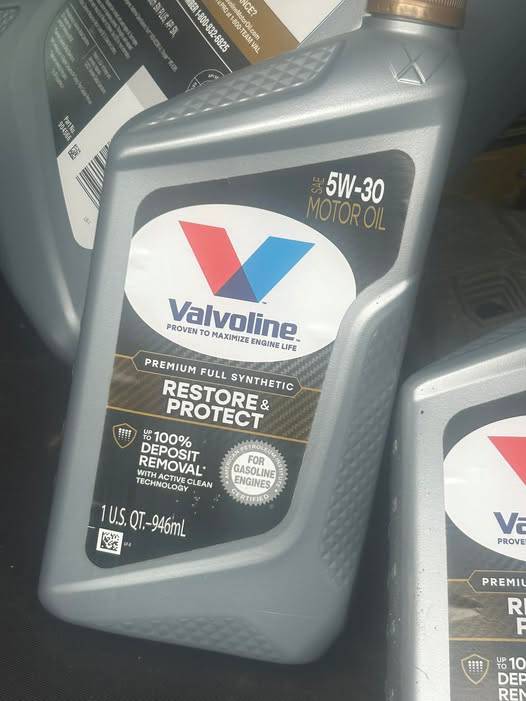
What Is the Best Oil Type for a 5.7 HEMI Engine?
The best oil type for most 5.7 HEMI engines is SAE 5W-20 full synthetic engine oil that meets Chrysler MS-6395 specifications. This viscosity provides the balance of cold-start protection, high-temperature stability, fuel efficiency, and lubrication performance that Chrysler engineered for the 5.7 HEMI V8. It also supports critical engine technologies such as the Multi-Displacement System (MDS), which relies on proper oil pressure to deactivate and reactivate cylinders smoothly during light-load driving.
Although 5W-20 is the factory recommendation for most model years, choosing engine oil should never be based on viscosity alone. The oil should also meet the latest API performance standards, such as API SP, and where applicable, ILSAC GF-6 certification. These specifications ensure the oil delivers adequate wear protection, oxidation resistance, sludge control, and piston cleanliness throughout the recommended oil change interval.
Full synthetic oil is generally the preferred option because it maintains a more stable viscosity across a wider temperature range than synthetic blend or conventional oil. During cold starts, it flows quickly to lubricate bearings, camshafts, hydraulic lifters, and valve train components. At operating temperature, it resists thermal breakdown and evaporation, helping maintain consistent oil pressure even during highway driving, towing, or prolonged idling.
However, the best oil for a 5.7 HEMI ultimately depends on how the vehicle is used. Owners who frequently tow trailers, drive in extremely hot climates, or operate high-mileage engines may benefit from an alternative viscosity if it is approved by the vehicle manufacturer for their specific model year. Before switching from the factory recommendation, always verify the owner’s manual or manufacturer service documentation.
Why Does Chrysler Recommend 5W-20 for Most 5.7 HEMI Engines?
How does oil viscosity affect engine protection?
Oil viscosity determines how easily engine oil flows through internal engine components while maintaining a protective lubricating film. Chrysler recommends SAE 5W-20 because it reaches critical engine parts quickly during cold starts while remaining sufficiently thick to protect bearings, pistons, timing components, and camshaft surfaces after the engine reaches operating temperature.
The “5W” rating represents the oil’s low-temperature performance. A lower winter viscosity allows the oil pump to circulate lubricant more rapidly during startup, which is the period when a significant percentage of engine wear occurs. The “20” rating indicates the oil’s viscosity at normal operating temperature, ensuring that moving components remain separated by a stable lubricating film under everyday driving conditions.
Selecting an oil that is significantly thicker than recommended can slow oil circulation during cold starts and alter the hydraulic characteristics of components designed around a specific oil pressure. Conversely, oil that is too thin for the operating conditions may lose its protective film under heavy loads and elevated temperatures, increasing metal-to-metal contact and accelerating wear.
How does 5W-20 support the Multi-Displacement System (MDS)?
The 5W-20 viscosity helps the Multi-Displacement System operate as designed by maintaining the oil pressure required for hydraulic cylinder deactivation. The MDS system temporarily shuts down selected cylinders during light-load driving to improve fuel economy. This process depends on electronically controlled solenoids and hydraulic lifters that react to engine oil pressure within precise operating parameters.
If the oil flows too slowly or its viscosity differs significantly from the calibration used by the engine control system, MDS operation may become less responsive. While the system may continue to function, inconsistent hydraulic performance can reduce the smoothness of cylinder activation and deactivation.
Because MDS relies directly on engine oil rather than a separate hydraulic fluid, maintaining the correct oil viscosity and changing the oil at the recommended interval are essential for long-term system reliability.
How does the recommended viscosity improve fuel economy?
SAE 5W-20 improves fuel economy by reducing internal engine friction while maintaining adequate lubrication. Lower-viscosity oil requires less energy to circulate through oil galleries and moving engine components than thicker oils. As a result, the engine expends slightly less power overcoming internal resistance, allowing more of its output to reach the drivetrain.
The reduced friction also complements the operation of the Multi-Displacement System. Together, these engineering decisions help the 5.7 HEMI achieve better fuel efficiency without sacrificing engine durability during normal driving conditions.
Although the fuel economy improvement from using the recommended viscosity may appear modest on individual trips, the cumulative effect becomes meaningful over thousands of miles. This balance between efficiency and protection is one of the primary reasons Chrysler specifies 5W-20 for most 5.7 HEMI applications instead of a heavier oil grade.
Can You Use 5W-30 Instead of 5W-20 in a 5.7 HEMI?
Yes, you can use 5W-30 in some 5.7 HEMI engines, but only when it is approved for your specific model year or justified by operating conditions. For most factory-equipped 5.7 HEMI engines, Chrysler specifies SAE 5W-20 because the engine, oil pump, bearing clearances, and Multi-Displacement System (MDS) were engineered around that viscosity. Switching to a thicker oil without a valid reason may reduce some of the benefits the manufacturer intended.
When is 5W-30 appropriate?
SAE 5W-30 may be a better choice when the engine regularly operates under severe conditions. Examples include frequent trailer towing, carrying heavy payloads, extended highway driving in high ambient temperatures, mountain driving, or vehicles that accumulate high mileage and exhibit increased oil consumption. Under these conditions, a slightly thicker oil film can provide additional protection against heat and heavy mechanical loads.
Some later 5.7 HEMI applications and regional service recommendations also permit 5W-30 depending on climate and vehicle configuration. Because these recommendations vary by model year and manufacturer updates, the owner’s manual remains the most reliable source for determining the approved viscosity.
What are the risks of using a thicker oil?
Using a thicker oil than recommended can change how quickly lubricant reaches critical engine components during startup. Cold-start lubrication is especially important because most engine wear occurs during the first few seconds after ignition. A higher-viscosity oil flows more slowly at low temperatures, delaying lubrication to bearings, camshafts, hydraulic lifters, and timing components.
A thicker oil may also alter hydraulic pressure characteristics within systems designed around 5W-20. Although many engines continue to operate normally, the lubrication system was calibrated with a specific viscosity in mind, and unnecessary deviations can affect overall efficiency.
It is equally important to avoid assuming that thicker oil always provides better protection. Modern engine designs prioritize proper oil flow as much as oil film strength. Excessive viscosity may increase pumping resistance, reduce fuel economy, and generate unnecessary stress on the oil pump during cold weather.
Which driving conditions justify changing viscosity?
Driving conditions should influence oil selection only when they fall outside normal operating conditions and the alternative viscosity is approved by the manufacturer. Vehicles that spend most of their time commuting in moderate temperatures generally perform best with the factory-recommended 5W-20.
A different viscosity may be appropriate when the vehicle operates in environments where oil temperatures remain consistently high. Commercial towing, off-road driving, desert climates, and continuous high-speed highway travel place greater thermal stress on engine oil. In these situations, some owners choose an approved 5W-30 formulation to improve high-temperature film stability.
Engine condition should also be considered. A high-mileage 5.7 HEMI with noticeable oil consumption or increased bearing clearances may benefit from a manufacturer-approved higher-viscosity oil. However, changing viscosity should never be used to compensate for mechanical problems such as worn piston rings, leaking valve seals, or internal engine damage.
What Oil Specifications Should a 5.7 HEMI Oil Meet?
Choosing the correct viscosity is only one part of selecting the right engine oil. The oil must also meet Chrysler’s required performance specifications to ensure compatibility with the 5.7 HEMI engine. These standards evaluate wear protection, sludge resistance, oxidation stability, deposit control, and compatibility with modern emission control systems.
An engine oil with the correct viscosity but without the required certifications may not provide the level of protection expected by the manufacturer. For this reason, both viscosity grade and performance specification should be verified before every oil change.
What is Chrysler MS-6395?
MS-6395 is Chrysler’s engine oil performance specification for many gasoline-powered vehicles, including numerous 5.7 HEMI applications. Oils carrying this approval have been tested to satisfy Chrysler’s requirements for engine cleanliness, oxidation resistance, wear protection, cold-start performance, and long-term durability.
Many leading full synthetic oils display the MS-6395 approval directly on the product label. Selecting an oil that carries this specification helps ensure compatibility with factory lubrication requirements and minimizes the risk of using an unsuitable formulation.
Because manufacturer approvals are periodically updated, it is good practice to verify the current specification listed in the owner’s manual or official service documentation before purchasing engine oil.
Why do API and ILSAC certifications matter?
API and ILSAC certifications confirm that an engine oil has passed industry performance standards for modern gasoline engines. Current oils commonly carry API SP certification, which improves protection against low-speed pre-ignition, timing chain wear, sludge formation, and high-temperature oxidation compared with previous API categories.
Many oils recommended for the 5.7 HEMI also meet ILSAC GF-6 standards. This certification emphasizes fuel economy, piston cleanliness, engine durability, and compatibility with emission control systems while maintaining protection under demanding operating conditions.
When selecting engine oil, look for products that satisfy all three requirements whenever applicable: the correct SAE viscosity, Chrysler MS-6395 approval, and the latest API certification. Meeting all of these specifications provides greater confidence that the oil is suitable for protecting a 5.7 HEMI engine throughout its service interval.
Task 4
Should You Choose Full Synthetic or Synthetic Blend Oil?
Full synthetic oil is the best choice for most 5.7 HEMI engines because it provides superior wear protection, better thermal stability, and longer-lasting performance than synthetic blend or conventional oil. Modern 5.7 HEMI engines operate under high combustion temperatures and rely on precise oil pressure for components such as hydraulic lifters and the Multi-Displacement System (MDS). Full synthetic oil maintains its viscosity more consistently across a wide temperature range, helping the engine perform as designed.
Although synthetic blend oils satisfy the needs of some vehicles under normal driving conditions, they generally offer lower resistance to oxidation and thermal breakdown than full synthetic formulations. For owners who tow trailers, drive in stop-and-go traffic, operate in extreme climates, or keep their vehicles for many years, full synthetic oil provides a greater safety margin against oil degradation.
What are the advantages of full synthetic oil?
Full synthetic oil offers better protection against heat, wear, sludge, and oxidation than other engine oil types. It is formulated using high-quality base oils and advanced additive packages that remain stable under demanding operating conditions.
One of its biggest advantages is improved high-temperature performance. During heavy acceleration, towing, or prolonged highway driving, engine oil is exposed to significant heat. Full synthetic oil resists viscosity breakdown, allowing it to maintain a stable lubricating film between moving engine components even when oil temperatures rise substantially.
Cold-start performance is another important benefit. Because synthetic oil flows more quickly at low temperatures, it reaches bearings, camshafts, timing chains, and valve train components faster after startup. Faster lubrication reduces friction during the period when engines experience the highest wear.
Full synthetic oil also improves engine cleanliness by reducing sludge and varnish formation. Detergent and dispersant additives suspend contaminants more effectively, preventing deposits from accumulating inside oil passages and critical engine components. Cleaner internal surfaces contribute to more consistent oil flow and longer engine life.
Finally, synthetic oil generally maintains its protective properties for a longer period than conventional formulations. While oil should always be changed according to the manufacturer’s maintenance schedule or oil life monitoring system, synthetic oil retains its stability better throughout the service interval.
When is synthetic blend acceptable?
Synthetic blend oil can be acceptable if it meets the viscosity and manufacturer specifications required for the vehicle. It combines conventional base oil with synthetic base stocks, providing improved protection compared with conventional oil while remaining less expensive than a full synthetic product.
Drivers who primarily use their vehicles for short daily commutes, moderate highway driving, and light-duty operation may find that a quality synthetic blend performs adequately when changed at the recommended interval. However, it generally offers less resistance to oxidation, evaporation, and viscosity loss under severe operating conditions.
If a vehicle frequently experiences high engine loads, extended idling, or extreme weather, upgrading to full synthetic oil provides more consistent protection throughout the oil change interval.
Is conventional oil suitable for a modern 5.7 HEMI?
Conventional oil is generally not the preferred choice for a modern 5.7 HEMI engine. Although some conventional oils may technically meet older specifications, they typically provide lower resistance to heat, oxidation, and sludge formation than modern synthetic formulations.
The 5.7 HEMI’s operating characteristics, combined with features such as hydraulic valve train components and the Multi-Displacement System, benefit from the stable viscosity and superior additive technology found in full synthetic oils. Most owners seeking maximum engine longevity and reliable performance should prioritize a high-quality full synthetic product that meets Chrysler’s required specifications.
What Is the Oil Capacity of a 5.7 HEMI Engine?
Most 5.7 HEMI engines require approximately 7 quarts (about 6.6 liters) of engine oil when the oil filter is replaced. However, oil capacity can vary slightly depending on the vehicle model, production year, oil pan design, and engine configuration. For this reason, the owner’s manual should always be considered the final authority before performing an oil change.
Adding the correct amount of oil is just as important as selecting the proper viscosity. Insufficient oil reduces lubrication to bearings, pistons, camshafts, and timing components, increasing friction and accelerating wear. Excessive oil can also create problems by allowing the crankshaft to aerate the lubricant, producing foam that reduces oil pressure and lubrication efficiency.
After refilling the engine, allow it to idle for several minutes before shutting it off and waiting for the oil to drain back into the pan. The dipstick should then be used to verify that the oil level falls within the recommended operating range. Small adjustments can be made if necessary, but overfilling should always be avoided.
Replacing the oil filter during every oil change is equally important. A fresh filter removes contaminants such as metal particles, combustion by-products, and carbon deposits before they circulate through the engine. Installing a quality filter with the correct bypass valve characteristics helps maintain proper oil flow and pressure throughout the service interval.
How Often Should You Change Oil in a 5.7 HEMI?
Most 5.7 HEMI engines should have their oil changed every 7,500 to 10,000 miles when using full synthetic oil under normal driving conditions, or whenever the Oil Life Monitoring System indicates that service is required. However, the ideal oil change interval depends on driving habits, environmental conditions, engine load, and the quality of the oil being used. Following the manufacturer’s maintenance schedule is the most reliable way to maximize engine life.
Engine oil gradually loses its ability to lubricate, cool, clean, and protect internal components. As mileage accumulates, heat cycles, oxidation, fuel dilution, moisture, and combustion by-products reduce the effectiveness of the additive package. Even premium full synthetic oils eventually reach a point where they should be replaced to prevent accelerated engine wear.
Changing the oil too late increases the risk of sludge formation, viscosity breakdown, and inadequate lubrication. On the other hand, changing it significantly earlier than necessary provides little additional protection while increasing maintenance costs. Modern synthetic oils are engineered to maintain their protective properties throughout the recommended service interval when used under normal operating conditions.
What is the normal oil change interval?
The normal oil change interval for a 5.7 HEMI depends on both the oil type and the manufacturer’s maintenance schedule. Vehicles using high-quality full synthetic oil typically require fewer oil changes than those using synthetic blend products because synthetic oil maintains its viscosity and additive performance for a longer period.
Many newer Ram, Dodge, Jeep, and Chrysler models equipped with the 5.7 HEMI feature an Oil Life Monitoring System that continuously estimates oil condition based on engine operating data rather than mileage alone. The system evaluates factors such as engine temperature, trip length, idle time, and operating load to determine when an oil change is necessary.
Although the Oil Life Monitoring System provides a useful maintenance guide, owners who drive infrequently should still replace the oil at least once every 12 months. Engine oil naturally ages over time as it absorbs moisture and contaminants, even if the vehicle accumulates relatively few miles.
How do towing and severe driving conditions affect oil life?
Severe driving conditions shorten engine oil life because they expose the lubricant to higher temperatures and greater mechanical stress. Vehicles that tow heavy trailers, carry large payloads, operate in mountainous terrain, spend long periods idling, or drive regularly in stop-and-go traffic place much greater demands on engine oil than vehicles used primarily for highway commuting.
High operating temperatures accelerate oxidation, causing the oil to thicken and reducing the effectiveness of its protective additives. Heavy engine loads also increase shear forces inside the lubricant, gradually reducing its ability to maintain a stable protective film between moving components.
Dusty environments present another challenge because airborne contaminants can enter the engine through the intake system and eventually reach the oil. Although the oil filter captures many particles, excessive contamination contributes to faster oil degradation over time.
Owners who regularly drive under severe conditions should inspect engine oil more frequently and follow the severe-service maintenance schedule provided by the vehicle manufacturer instead of relying solely on standard mileage recommendations.
Which signs indicate the oil should be changed sooner?
Several warning signs may indicate that engine oil should be replaced before the scheduled maintenance interval. Recognizing these symptoms early can help prevent unnecessary engine wear and expensive repairs.
One common indicator is unusually dark, thick, or dirty oil visible on the dipstick. While engine oil naturally darkens during use, excessive contamination or sludge formation suggests that the lubricant is nearing the end of its service life.
Increased engine noise may also signal reduced lubrication performance. If internal components such as lifters or valve train parts begin producing abnormal ticking sounds, degraded oil could be contributing to insufficient lubrication.
A noticeable decrease in fuel economy, rough engine operation, or delayed MDS engagement may also warrant an oil inspection. Although these symptoms do not always indicate worn-out oil, they can occur when lubrication performance begins to decline.
Finally, drivers should never ignore dashboard maintenance reminders, low oil pressure warnings, or persistent oil level reductions. These conditions require immediate inspection because continuing to operate the engine with inadequate lubrication can result in severe internal damage.
Which Oil Brands Are Commonly Recommended for a 5.7 HEMI?
Several major motor oil manufacturers produce high-quality full synthetic oils that are suitable for many 5.7 HEMI applications, provided the product meets the required viscosity and Chrysler specifications. Rather than focusing only on brand reputation, owners should verify that the selected oil satisfies the viscosity grade, API certification, and manufacturer approval specified for their vehicle.
Mobil 1 Full Synthetic
Mobil 1 is one of the most widely recommended engine oils for HEMI engines because of its excellent thermal stability, wear protection, and oxidation resistance. Its advanced additive package helps maintain engine cleanliness while providing consistent lubrication during both cold starts and high-temperature operation. It is a strong choice for daily driving, highway travel, and heavy-duty applications.
Pennzoil Ultra Platinum Full Synthetic
Pennzoil Ultra Platinum is formulated using natural gas-based base oils that provide excellent piston cleanliness and sludge resistance. It performs particularly well in engines exposed to frequent stop-and-go driving or extended service intervals. Many Chrysler owners choose this product because Pennzoil has long maintained a close relationship with Stellantis lubrication recommendations.
Valvoline Advanced Full Synthetic
Valvoline Advanced Full Synthetic offers strong wear protection and high-temperature stability while remaining competitively priced. It performs well under both everyday commuting and moderate towing conditions, making it a practical option for owners seeking premium protection without a significant increase in maintenance costs.
Castrol EDGE Full Synthetic
Castrol EDGE uses advanced friction-reducing technology designed to maintain oil film strength under high engine loads. It is commonly selected by drivers who regularly tow trailers, drive in hot climates, or subject their vehicles to demanding operating conditions where thermal stability becomes increasingly important.
Royal Purple High Performance Synthetic Oil
Royal Purple is recognized for its high-performance additive technology and excellent film strength under extreme operating conditions. Enthusiasts often choose it for modified or performance-oriented HEMI engines, although it can also provide excellent protection for stock engines when the product meets the required manufacturer specifications.
Regardless of the brand selected, the most important consideration remains compliance with the viscosity grade and performance standards specified for the engine. A properly certified oil from a reputable manufacturer provides significantly greater long-term value than selecting a premium brand that does not meet the required specifications.
What Happens If You Use the Wrong Oil in a 5.7 HEMI?
Using the wrong engine oil can reduce lubrication performance, affect engine efficiency, and accelerate wear in a 5.7 HEMI engine. While a single oil change with a different viscosity is unlikely to cause immediate engine failure, repeatedly using oil that does not meet Chrysler’s viscosity or performance specifications can shorten engine life and reduce the effectiveness of systems designed around specific oil characteristics.
Engine oil performs several critical functions beyond lubrication. It removes heat from internal components, suspends contaminants, protects against corrosion, cushions heavily loaded bearings, and provides the hydraulic pressure required by systems such as the Multi-Displacement System (MDS). When the oil’s viscosity or additive package differs significantly from the manufacturer’s recommendation, one or more of these functions may become less effective.
The risk becomes greater as engine mileage increases or when the vehicle is regularly subjected to towing, extreme temperatures, or heavy workloads. Under these conditions, choosing the correct oil specification becomes even more important for maintaining long-term reliability.
Can the wrong viscosity reduce engine protection?
Yes, using the wrong viscosity can reduce engine protection because the lubrication system is engineered around a specific oil flow rate and film thickness. Oil that is too thin may not maintain a sufficient protective film between moving metal surfaces under high temperatures and heavy loads. As the lubricating film weakens, friction increases, allowing accelerated wear on bearings, camshaft lobes, piston skirts, and timing chain components.
Oil that is significantly thicker than recommended creates a different set of problems. It circulates more slowly during cold starts, delaying lubrication to critical engine components during the period when engine wear is naturally highest. The oil pump must also work harder to move thicker oil through narrow passages, increasing pumping losses and reducing overall efficiency.
Maintaining the viscosity specified by the manufacturer helps balance rapid cold-start lubrication with reliable protection after the engine reaches operating temperature.
Can incorrect oil affect the MDS system?
Yes, incorrect engine oil can influence the operation of the Multi-Displacement System because MDS relies on hydraulic oil pressure to activate and deactivate selected cylinders. Hydraulic lifters receive pressurized engine oil through electronically controlled solenoids, allowing the engine to transition smoothly between eight-cylinder and four-cylinder operation during light-load driving.
If oil viscosity differs substantially from the design specification or if degraded oil loses its hydraulic properties, MDS response may become less consistent. Drivers may notice delayed cylinder activation, rough transitions between operating modes, or reduced fuel economy.
Although occasional irregular operation does not always indicate an oil-related problem, maintaining the recommended viscosity and replacing oil at the proper interval helps ensure consistent hydraulic performance throughout the system.
Can using the wrong oil increase engine wear?
Yes, repeated use of unsuitable engine oil increases long-term engine wear by reducing lubrication efficiency and allowing greater metal-to-metal contact. Every moving component inside the engine depends on a stable oil film to minimize friction. When that protective film becomes too thin or unstable, wear occurs more rapidly across bearings, pistons, valve train components, and timing assemblies.
Incorrect oil may also degrade more quickly under high operating temperatures, allowing sludge and varnish to accumulate inside the engine. Deposits can restrict oil passages, reduce oil circulation, and interfere with the performance of hydraulic components.
Over thousands of miles, these effects may contribute to reduced engine efficiency, increased oil consumption, higher maintenance costs, and a shorter service life. Selecting an oil that meets both the recommended viscosity and Chrysler’s required specifications remains the most effective way to minimize unnecessary wear.
How Should You Choose Oil Based on Driving Conditions?
The best oil for a 5.7 HEMI depends not only on the engine itself but also on the environment and operating conditions. While the factory recommendation is suitable for most drivers, vehicles exposed to extreme temperatures, heavy loads, or high mileage may require a different maintenance strategy within the manufacturer’s approved guidelines.
Choosing oil according to actual driving conditions helps maintain stable oil pressure, improve engine protection, and extend lubricant service life without compromising reliability.
Which oil works best in cold climates?
SAE 5W-20 full synthetic oil is generally the best choice for cold climates because it flows quickly at low temperatures and reaches critical engine components immediately after startup. Rapid oil circulation minimizes dry friction during the first few seconds of engine operation, reducing wear on bearings, camshafts, and valve train components.
Drivers living in regions that experience prolonged freezing temperatures should prioritize high-quality synthetic oils because they retain better low-temperature fluidity than conventional formulations. Faster circulation also reduces starter motor load and improves cold-start performance.
Which oil is suitable for hot weather?
Vehicles operating in consistently hot climates require engine oil with excellent thermal stability and oxidation resistance. High ambient temperatures increase oil temperature, especially during highway driving, heavy traffic, and extended idling.
A premium full synthetic oil meeting Chrysler’s specifications provides superior resistance to thermal breakdown and evaporation compared with lower-quality formulations. In applications where the manufacturer approves an alternative viscosity, some owners choose SAE 5W-30 to provide additional oil film strength under sustained high-temperature operation.
Regardless of viscosity, maintaining the correct oil level is particularly important during summer because elevated temperatures accelerate oil degradation over time.
Which oil is best for towing and heavy loads?
Towing places significantly greater stress on engine oil than normal driving because it increases combustion temperatures and mechanical loading. Under these conditions, engine oil must maintain a stable lubricating film while continuously carrying heat away from internal components.
Owners who tow boats, campers, utility trailers, or commercial equipment should use a premium full synthetic oil that satisfies Chrysler’s required specifications. More frequent oil changes may also be appropriate because severe-duty operation accelerates oil oxidation and additive depletion.
Regularly inspecting oil level and condition becomes even more important for vehicles that tow frequently, particularly during long trips in hot weather.
Which oil should high-mileage engines use?
High-mileage 5.7 HEMI engines may benefit from oils specifically formulated for older engines if increased oil consumption or minor seal leakage begins to develop. High-mileage formulations often contain seal-conditioning additives and enhanced detergent packages designed to reduce deposits and maintain internal cleanliness.
However, engine mileage alone should not determine viscosity selection. Many well-maintained 5.7 HEMI engines continue operating efficiently with the factory-recommended viscosity even after accumulating substantial mileage. Any change in oil grade should remain consistent with manufacturer recommendations and the engine’s actual operating condition rather than mileage alone.
Frequently Asked Questions About 5.7 HEMI Oil Type
Does every 5.7 HEMI use the same oil?
No, not every 5.7 HEMI engine uses exactly the same engine oil recommendation. While most 5.7 HEMI engines are factory-filled with and recommend SAE 5W-20 engine oil, oil recommendations can vary depending on the model year, vehicle application, regional climate, and manufacturer service updates.
For example, a 5.7 HEMI installed in a Ram 1500 may have different service recommendations than the same engine installed in a Dodge Charger Pursuit or a Jeep Grand Cherokee, particularly if the vehicle is designed for severe-duty operation. Before purchasing engine oil, always verify the viscosity grade and required specifications listed in the owner’s manual or official service documentation for your specific vehicle.
Can you mix different engine oils?
Mixing different engine oils is possible in an emergency, but it should not become a regular maintenance practice. Most modern engine oils are formulated to be chemically compatible with one another, allowing different brands or formulations to be mixed temporarily without causing immediate engine damage.
However, mixing oils may dilute the additive package that each manufacturer carefully formulates for wear protection, detergent performance, oxidation resistance, and friction control. As a result, the blended oil may no longer deliver the same level of protection as a single product designed to meet the required specifications.
Whenever possible, top off the engine using the same viscosity, specification, and oil brand already in the engine. If different oil must be added temporarily, perform a complete oil and filter change at the next scheduled maintenance interval.
Does synthetic oil increase oil consumption?
No, full synthetic oil does not inherently increase oil consumption in a healthy 5.7 HEMI engine. This is one of the most common misconceptions among vehicle owners. In reality, synthetic oil often provides better resistance to evaporation than conventional oil because of its more stable molecular structure.
If oil consumption appears to increase after switching to synthetic oil, the engine may already have worn piston rings, aging valve stem seals, gasket leaks, or other mechanical issues that were previously less noticeable. The synthetic oil itself is rarely the root cause of increased consumption.
Monitoring the oil level regularly remains important regardless of the oil type used. Any sudden increase in oil consumption should be investigated to identify potential mechanical problems before they become more serious.
Should you change the oil filter with every oil change?
Yes, the oil filter should be replaced during every oil change. A new filter removes contaminants that accumulate as the engine operates, including microscopic metal particles, carbon deposits, dirt, and combustion by-products. Reusing an old filter allows these contaminants to remain in circulation and reduces the effectiveness of fresh engine oil.
An oil filter also contains a bypass valve and filter media that gradually deteriorate as mileage increases. Installing a new filter ensures unrestricted oil flow, stable oil pressure, and maximum filtration efficiency throughout the next maintenance interval.
For the best long-term engine protection, pair a high-quality oil filter with an engine oil that meets the manufacturer’s required viscosity and performance specifications.
Final Thoughts
Choosing the correct oil for a 5.7 HEMI engine is about more than selecting a viscosity grade. The right engine oil must also satisfy Chrysler’s required specifications, provide reliable protection under your driving conditions, and maintain stable performance throughout the recommended service interval.
For most owners, SAE 5W-20 full synthetic oil meeting Chrysler MS-6395 and the latest API standards remains the best overall choice. It delivers the balance of cold-start lubrication, high-temperature protection, fuel efficiency, and compatibility with the Multi-Displacement System that the engine was originally engineered to use.
Drivers who frequently tow heavy loads, operate in extremely hot climates, or own high-mileage vehicles may require a different maintenance strategy. However, any change in oil viscosity should always remain consistent with the manufacturer’s recommendations for the specific model year and vehicle application.
Following the correct oil specification, replacing the oil filter at every service, checking the oil level regularly, and changing the oil at the recommended interval are the simplest maintenance practices that can significantly extend the service life of a 5.7 HEMI engine while preserving its performance and reliability for years to come.