The Honda Accord Hybrid delivers excellent fuel economy, smooth performance, and dependable reliability. However, many owners worry when the hybrid warning light appears or fuel economy suddenly drops. At that point, one question becomes unavoidable. Do you need a Honda Accord Hybrid battery replacement? Since the high voltage battery is one of the vehicle’s most valuable components, making the right decision can save thousands of dollars.
Most Honda Accord Hybrid batteries last for many years. Even so, every battery gradually loses capacity over time. Daily driving habits, climate, mileage, and regular maintenance all affect battery health. In many cases, a warning light does not mean the battery has completely failed. Instead, another component within the hybrid system may cause the problem. A professional diagnosis helps identify the real issue before you spend money on unnecessary repairs.
This guide covers every important aspect of Honda Accord Hybrid battery replacement. You will discover the average battery lifespan, common warning signs, and the factors that influence replacement costs. You will also compare OEM, aftermarket, refurbished, and remanufactured batteries. As a result, you can understand which option offers the best value for your budget and driving needs.
Price should never be the only factor when choosing a replacement battery. Vehicle age, battery condition, warranty coverage, and future ownership plans also play an important role. By understanding these factors, you can make a confident decision, avoid costly mistakes, and keep your Honda Accord Hybrid performing at its best for years to come.
What Is the Honda Accord Hybrid Battery?
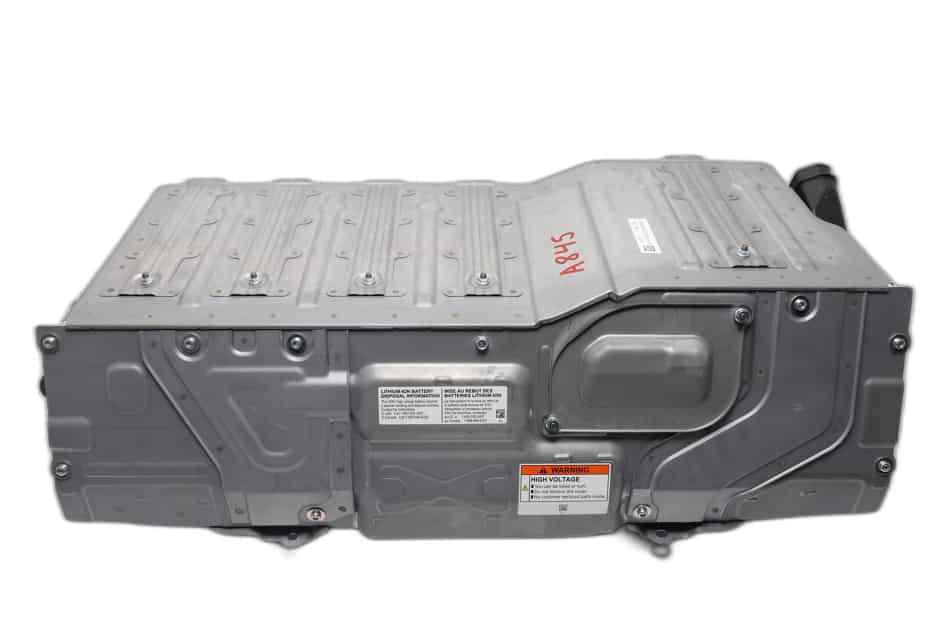
The Honda Accord Hybrid battery is the heart of the vehicle’s hybrid powertrain. It stores electrical energy and supplies power to the electric motor whenever extra assistance is needed. This process helps reduce fuel consumption, improve acceleration, and lower emissions without changing the driving experience. Unlike a conventional gasoline vehicle, the hybrid system constantly balances power between the engine and the battery to maximize efficiency.
How the High Voltage Battery Supports the Hybrid System
The high voltage battery works together with the gasoline engine, electric motor, and power control unit. During acceleration, the battery delivers electricity to the motor for additional power. When the vehicle slows down, the regenerative braking system captures energy that would otherwise be lost. It then sends that energy back to the battery for future use. As a result, the system improves overall efficiency while reducing fuel consumption.
The hybrid system automatically decides when to use electric power, gasoline power, or both. Drivers do not need to switch between different driving modes under normal conditions. Instead, the vehicle continuously adjusts power output to deliver smooth performance and optimal efficiency in different driving situations.
Hybrid Battery Versus the Twelve Volt Battery
Many owners confuse the hybrid battery with the standard twelve volt battery. However, these two batteries serve very different purposes.
The high voltage battery powers the electric motor and supports the hybrid drive system. It stores a large amount of energy and plays a direct role in vehicle performance and fuel economy. By comparison, the twelve volt battery supplies electricity to accessories such as the lights, infotainment system, power windows, and electronic control modules. It also helps start the vehicle’s electronic systems before the hybrid system becomes active.
If the twelve volt battery fails, the vehicle may not start correctly even if the hybrid battery remains in good condition. Likewise, replacing the smaller battery will not solve problems caused by a worn high voltage battery. Understanding this difference helps owners avoid unnecessary repairs and incorrect diagnoses.
Battery Types Used in Different Honda Accord Hybrid Models
Honda has improved its hybrid battery technology over several generations of the Accord Hybrid. Earlier models used battery designs that differ from those found in newer vehicles. Modern systems provide higher energy density, better thermal management, and improved durability. These upgrades also help reduce weight while increasing overall efficiency.
Battery size, capacity, cooling design, and installation procedures may vary depending on the model year. For this reason, owners should always confirm battery compatibility before ordering replacement parts. Using the correct battery ensures reliable performance, proper communication with the hybrid control system, and long term durability.
How Long Does a Honda Accord Hybrid Battery Last?
One of the most common questions owners ask is how long a Honda Accord Hybrid battery will last. The answer depends on several factors rather than a single mileage figure. Most hybrid batteries deliver reliable performance for many years. However, battery health gradually declines as the charging cycles increase and the vehicle ages.
Unlike many mechanical parts, a hybrid battery rarely stops working without warning. Instead, it slowly loses its ability to store and deliver energy. This gradual decline may reduce fuel economy, increase engine operation, and affect overall driving performance. Recognizing these changes early allows owners to plan for future repairs before a complete failure occurs.
Average Hybrid Battery Lifespan
A Honda Accord Hybrid battery typically lasts between 8 and 15 years under normal driving conditions. Many owners also report well over 150,000 miles before they experience noticeable battery degradation. Some batteries continue performing beyond 200,000 miles when the vehicle receives proper maintenance and operates in a moderate climate.
Battery lifespan varies because every vehicle experiences different driving conditions. Frequent highway driving often places less stress on the battery than repeated stop and go traffic. Likewise, a well maintained cooling system helps preserve battery health over time.
Mileage Versus Battery Age
Mileage tells only part of the story. Battery age also plays an important role because lithium ion cells naturally lose capacity over time. Even a vehicle with relatively low mileage may experience battery degradation after many years of service.
Long periods of inactivity can also affect battery performance. When a hybrid remains parked for extended periods, the battery may cycle less efficiently and lose capacity more quickly. Regular driving helps maintain a balanced state of charge and supports healthier battery operation.
Factors That Affect Battery Longevity
Several factors influence how long a Honda Accord Hybrid battery remains reliable. High temperatures accelerate chemical aging inside the battery cells. Cold weather may temporarily reduce battery performance, although the effect often improves after the battery reaches its normal operating temperature.
Driving habits also matter. Aggressive acceleration and repeated heavy loads force the battery to work harder. In contrast, smooth acceleration and steady driving place less stress on the hybrid system. Keeping the battery cooling vents clean also improves airflow and helps prevent excessive heat buildup.
Routine vehicle maintenance contributes to battery life as well. A healthy cooling system, a properly functioning charging system, and timely inspections all support long term reliability. While owners cannot stop battery aging completely, they can reduce unnecessary stress through good maintenance and consistent driving habits.
Can a Hybrid Battery Last the Life of the Vehicle?
In some cases, the answer is yes. Many Honda Accord Hybrid owners never replace the original battery during their ownership. Others may eventually notice reduced capacity after years of regular use. The outcome depends on vehicle age, maintenance history, climate, and driving conditions.
Instead of asking when the battery will fail, owners should monitor how the battery performs over time. A gradual decline in efficiency is normal, but sudden warning lights, rapid charge fluctuations, or poor fuel economy deserve immediate attention. Early diagnosis often prevents more expensive repairs and helps determine whether the battery still provides reliable service.
Hybrid System Warning Messages
A hybrid warning message is often the first sign that something is wrong. Alerts such as Check Hybrid System or a hybrid warning light indicate that the vehicle has detected an issue within the hybrid powertrain. However, these messages do not automatically mean you need a Honda Accord Hybrid battery replacement. The hybrid system relies on many sensors, control modules, and electrical components that work together. A fault in any of these areas can trigger the same warning.
Ignoring a warning light can allow a minor issue to become a more expensive repair. At the same time, replacing the battery without proper testing can waste a significant amount of money. The best approach is to have the vehicle inspected with professional diagnostic equipment. A qualified technician can review diagnostic trouble codes, measure battery health, and evaluate the overall condition of the hybrid system before recommending any repairs.
Besides dashboard alerts, drivers may notice changes in how the vehicle performs. Fuel economy can begin to decline because the gasoline engine runs more often to compensate for reduced battery output. Acceleration may also feel weaker, especially during city driving where electric assistance normally plays a larger role. Some owners notice the battery charge indicator moving quickly between high and low levels, while others hear the battery cooling fan running more frequently than usual. These symptoms often appear gradually, making them easy to overlook until performance noticeably worsens.
Recognizing these warning signs early gives you more repair options and helps prevent unexpected breakdowns. A timely inspection can reveal whether the battery simply needs further testing, whether another hybrid component requires attention, or whether a complete Honda Accord Hybrid battery replacement is the most reliable long term solution.
Reduced Fuel Economy
Reduced fuel economy is one of the earliest and most noticeable signs of a weakening hybrid battery. A healthy Honda Accord Hybrid battery provides electrical power during acceleration and low speed driving, allowing the gasoline engine to operate less often. As the battery loses capacity, it can no longer supply the same level of support. The hybrid system responds by relying more heavily on the engine, which increases fuel consumption.
Many drivers first notice this change during daily commuting. The vehicle may require the gasoline engine to start more frequently, even in situations where it previously relied on electric power. You may also find that the engine continues running while waiting at traffic lights or moving slowly through city traffic. Although a small decrease in fuel economy is normal as a vehicle ages, a sudden or significant drop deserves closer attention.
Fuel economy can also decline because of other factors, including underinflated tires, poor wheel alignment, worn spark plugs, or a dirty air filter. For this reason, reduced fuel efficiency alone does not confirm that the hybrid battery has reached the end of its service life. A complete inspection should evaluate the entire vehicle before identifying the battery as the source of the problem.
If your Honda Accord Hybrid consistently consumes more fuel than usual despite proper maintenance and similar driving conditions, the battery may no longer perform efficiently. Monitoring fuel economy over several weeks can help identify long term trends instead of temporary fluctuations. Combined with other warning signs, lower fuel efficiency may indicate that it is time for a professional battery health assessment and, if necessary, a Honda Accord Hybrid battery replacement.
Weak Acceleration or Inconsistent Power Delivery
A healthy hybrid battery delivers smooth and responsive power whenever you press the accelerator. The electric motor provides instant torque, which helps the Honda Accord Hybrid accelerate efficiently while reducing the workload on the gasoline engine. As the battery ages, it gradually loses its ability to deliver consistent electrical power. This change often makes the vehicle feel less responsive, especially during everyday driving.
Drivers may notice slower acceleration when pulling away from a stop, merging onto a highway, or climbing steep hills. Instead of providing smooth assistance, the electric motor may contribute less power than expected. The gasoline engine then works harder to compensate, which can make the vehicle feel louder and less refined. In some cases, the transition between electric and gasoline power also becomes more noticeable, resulting in inconsistent performance.
These symptoms do not always indicate a failed hybrid battery. Software issues, sensor faults, or problems with the power control system can produce similar driving characteristics. Even a weak 12 volt battery may affect the operation of certain electronic systems. A professional inspection is essential because it identifies the exact cause before any parts are replaced.
Pay attention if weak acceleration appears together with lower fuel economy, warning lights, or rapid battery charge fluctuations. Multiple symptoms often provide a clearer picture of declining battery health than a single issue alone. Addressing the problem early can prevent additional strain on the hybrid system and reduce the risk of more expensive repairs. If diagnostic testing confirms significant battery degradation, replacing the Honda Accord Hybrid battery may restore the smooth performance, efficiency, and driving experience the vehicle was designed to deliver.
Rapid Battery Charge Fluctuations
The battery charge indicator should change gradually during normal driving. A healthy Honda Accord Hybrid battery stores and releases energy at a steady rate, so the charge level usually rises and falls smoothly. If the display suddenly moves from nearly full to almost empty within a short distance, the battery may no longer hold energy efficiently.
This problem often develops as the battery ages. Over time, individual battery cells lose capacity at different rates. Some cells may charge quickly but discharge just as fast, while others struggle to maintain a stable voltage. As these differences become more noticeable, the battery management system works harder to balance performance across the entire battery pack. The result is an unstable charge pattern that drivers can often see on the dashboard.
Rapid charge fluctuations may also affect how the vehicle performs. The gasoline engine may start more frequently to recharge the battery, even during light driving conditions. Drivers may notice less electric assistance, slower acceleration, and lower fuel economy because the hybrid system cannot store enough energy for efficient operation. In some cases, the battery cooling fan may run more often as the system attempts to control higher operating temperatures.
Although unstable battery levels often point to battery degradation, they do not always confirm that the battery has failed. Faulty sensors, electrical connections, or problems with the battery management system can create similar symptoms. A professional diagnostic test can evaluate battery voltage, cell balance, and overall capacity before any repair decisions are made.
If rapid battery charge fluctuations continue to appear with other warning signs, the battery may be approaching the end of its service life. Early diagnosis allows you to explore repair or replacement options before the problem affects reliability or leads to more expensive damage within the hybrid system.
Frequent Engine Operation
One of the biggest advantages of the Honda Accord Hybrid is its ability to switch smoothly between electric power and the gasoline engine. Under normal conditions, the hybrid system relies on the battery whenever possible, especially during low speed driving, light acceleration, and stop and go traffic. This strategy improves fuel economy while reducing engine wear and exhaust emissions.
As the hybrid battery loses capacity, it can no longer provide enough electrical assistance to support normal driving. To compensate, the gasoline engine starts more often and stays on longer than usual. You may notice the engine running while waiting at traffic lights or operating continuously during short trips where the vehicle previously used electric power for extended periods.
Frequent engine operation is more than a comfort issue. It often indicates that the hybrid system is working harder to maintain performance because the battery cannot store or deliver enough energy. This extra workload can increase fuel consumption and reduce the smooth driving experience that many Accord Hybrid owners expect. Over time, the engine may cycle on and off more frequently as it attempts to recharge the battery and supply additional power.
Other mechanical or electrical problems can also cause the engine to run more often. Low outside temperatures, a weak 12 volt battery, or faults within the hybrid control system may produce similar symptoms. For that reason, frequent engine operation should always be evaluated together with other warning signs such as lower fuel economy, reduced acceleration, or rapid battery charge fluctuations.
If the gasoline engine continues running much more often than normal under similar driving conditions, schedule a professional inspection. A complete diagnostic test can determine whether the hybrid battery still performs within factory specifications or whether a Honda Accord Hybrid battery replacement is the most effective long term solution.
Unusual Battery Cooling Fan Noise
The hybrid battery produces heat whenever it charges or supplies power to the electric motor. To keep the battery within a safe operating temperature, the Honda Accord Hybrid uses a dedicated cooling fan that draws air through the battery pack. Under normal conditions, the fan operates quietly and only when additional cooling is required. Most drivers rarely notice it during everyday driving.
If the cooling fan suddenly becomes louder or runs more often than usual, the hybrid battery may be under increased stress. As battery cells age, they generate more heat during charging and discharging. The cooling system responds by working harder to remove that heat and protect the battery from overheating. A noisy fan does not always indicate battery failure, but it often signals that the hybrid system requires attention.
Restricted airflow can also increase fan noise. Dust, pet hair, or debris may block the cooling vents, reducing the system’s ability to regulate temperature. Poor airflow forces the fan to operate longer and at higher speeds. Regularly inspecting and cleaning the battery air intake can improve cooling performance and help extend battery life.
Although a loud cooling fan is a common warning sign, it should never be used as the only reason to replace the battery. A technician should inspect the cooling system, check battery temperatures, and evaluate overall battery health before making any repair recommendations. When unusual fan noise appears together with warning lights, lower fuel economy, or inconsistent battery charging, it often indicates that the battery has begun to deteriorate. Early diagnosis can prevent additional stress on the hybrid system and help you decide whether maintenance, repair, or a Honda Accord Hybrid battery replacement is the best solution.
Diagnostic Trouble Codes
Modern Honda Accord Hybrid models continuously monitor the condition of the hybrid battery and related electrical components. When the system detects an abnormal condition, it stores one or more Diagnostic Trouble Codes, commonly known as DTCs. These codes help technicians identify problems within the hybrid system, making them an essential part of the diagnostic process.
A dashboard warning light alone cannot reveal the exact cause of a problem. The same warning may appear because of battery degradation, a faulty sensor, damaged wiring, a cooling system issue, or a malfunctioning control module. Reading the stored trouble codes provides valuable information, but the codes should never be interpreted without additional testing. They indicate where the problem may exist, not necessarily which component has failed.
Professional diagnostic equipment can do much more than retrieve fault codes. It allows technicians to evaluate battery capacity, monitor individual cell voltages, measure battery temperature, and check the balance between battery modules. This detailed analysis helps determine whether the battery remains healthy or has reached the point where replacement is the most practical solution.
Vehicle owners should avoid replacing the hybrid battery based only on a generic code reader or a single warning message. An incorrect diagnosis can lead to unnecessary repair costs while leaving the original problem unresolved. A complete inspection ensures that every major component of the hybrid system is evaluated before any repair decisions are made.
When diagnostic testing confirms significant battery degradation and eliminates other possible causes, a Honda Accord Hybrid battery replacement becomes the most reliable way to restore performance, fuel efficiency, and long term dependability. Accurate diagnosis not only saves money but also helps prevent repeated repairs and unexpected breakdowns in the future.
Honda Accord Hybrid Battery Replacement Cost
The cost of a Honda Accord Hybrid battery replacement is one of the biggest concerns for vehicle owners. While a hybrid battery is more expensive than a conventional car battery, replacement does not always cost as much as many people expect. The final price depends on several factors, including the model year, battery type, labor charges, and whether you choose a new, remanufactured, or refurbished battery.
A brand new OEM battery is usually the most expensive option because it offers factory quality, proven reliability, and a manufacturer warranty. Although the initial investment is higher, many owners choose an OEM battery for long term peace of mind and consistent performance.
Remanufactured and refurbished batteries often provide a more affordable alternative. These batteries undergo inspection, testing, and rebuilding before they return to the market. A high quality remanufactured battery can perform well for many drivers, but its lifespan and warranty may not match those of a new OEM unit. Buyers should always compare warranty coverage, supplier reputation, and testing standards before making a decision.
Labor costs also vary by location and repair facility. Replacing a hybrid battery requires specialized equipment and trained technicians, so installation charges are generally higher than those for a standard 12 volt battery. Some repair shops also include diagnostic testing, battery programming, and system calibration in the total price.
Although replacing a hybrid battery represents a significant expense, it is often more cost effective than replacing the entire vehicle. A properly installed battery can restore fuel efficiency, improve performance, and extend the useful life of the Honda Accord Hybrid for many additional years. Comparing battery options, warranty terms, and installation costs will help you choose the solution that offers the best long term value.
Factors That Affect Honda Accord Hybrid Battery Replacement Cost
The cost of a Honda Accord Hybrid battery replacement depends on more than the price of the battery itself. Several factors influence the final bill, and understanding them can help you choose the best option for your budget and long term ownership plans. Comparing batteries based only on the lowest price may lead to higher repair costs in the future if the product offers limited reliability or warranty protection.
The type of battery is the most important factor. A new OEM battery usually costs the most because it meets Honda’s factory specifications and includes a manufacturer backed warranty. Many owners prefer this option for its proven reliability and long service life. Remanufactured batteries provide a lower cost alternative and can deliver dependable performance when rebuilt and tested by a reputable supplier. Refurbished batteries generally have the lowest purchase price, but their quality, lifespan, and warranty coverage can vary between sellers.
Your vehicle’s model year also affects replacement costs. Different Honda Accord Hybrid generations use different battery designs, capacities, and control systems. Some newer models require more advanced battery technology, which can increase both parts and installation expenses. Using the correct battery is essential because an incompatible unit may reduce performance or create additional repair problems.
Labor charges represent another important part of the total cost. Hybrid battery replacement requires specialized equipment, high voltage safety procedures, and trained technicians. Some repair facilities include diagnostic testing, battery programming, and system calibration in their service package, while others charge separately for each task.
Before making a decision, compare the battery type, installation quality, warranty coverage, and repair shop experience. Looking beyond the initial price can help you select a replacement that offers better reliability, lower long term ownership costs, and greater confidence every time you drive your Honda Accord Hybrid.
OEM vs Remanufactured vs Refurbished Hybrid Batteries
Choosing the right replacement battery is just as important as deciding when to replace it. Honda Accord Hybrid owners typically have three options: a new OEM battery, a remanufactured battery, or a refurbished battery. Each option offers different advantages in terms of cost, reliability, warranty, and expected lifespan. Understanding these differences will help you select the battery that best matches your budget and driving needs.
A new OEM battery is the closest replacement to the original unit installed at the factory. It meets Honda’s specifications for performance, safety, and compatibility. Most OEM batteries also include a comprehensive warranty, making them the preferred choice for owners who plan to keep their vehicle for many years. Although the purchase price is higher, the long service life and dependable performance often justify the additional cost.
A remanufactured battery provides a balance between affordability and reliability. During the rebuilding process, technicians inspect the battery, replace weak or damaged modules, and test the entire pack before it is sold. When rebuilt by a reputable company, a remanufactured battery can deliver solid performance at a lower price than a new OEM unit. However, warranty coverage and expected lifespan are usually shorter.
A refurbished battery is often the least expensive option. In many cases, the battery receives basic repairs and testing before resale. While this option may suit owners with a limited budget or an older vehicle, quality standards can vary significantly between suppliers. For that reason, it is important to review the warranty, testing process, and seller reputation before making a purchase.
The best choice depends on your budget, vehicle condition, and future ownership plans. Investing in a high quality battery from a trusted supplier can improve reliability, restore fuel efficiency, and reduce the risk of unexpected repairs over the long term.
Can You Replace a Honda Accord Hybrid Battery Yourself?
Many vehicle owners wonder whether they can replace a Honda Accord Hybrid battery at home to save money. Although the idea may seem appealing, hybrid battery replacement is very different from replacing a standard 12 volt battery. The high voltage battery operates at a level that can cause serious injury if it is handled incorrectly. For most owners, professional installation is the safest and most reliable choice.
Replacing the battery involves more than removing the old unit and installing a new one. Technicians must disconnect the high voltage system, follow strict safety procedures, inspect related components, and verify that the replacement battery communicates correctly with the vehicle’s control modules. Some models also require diagnostic testing and system calibration after installation to ensure the hybrid system operates as designed.
Even experienced DIY mechanics may not have the specialized tools needed for this job. High voltage safety equipment, manufacturer specific diagnostic software, and battery testing tools are often required to complete the replacement correctly. Without these tools, it can be difficult to identify hidden problems or confirm that the new battery is performing properly.
Improper installation can create additional issues, including warning lights, reduced performance, charging problems, or damage to other hybrid system components. In some cases, an incorrectly installed battery may also void the manufacturer’s warranty or the warranty provided by the battery supplier.
If you suspect your Honda Accord Hybrid battery needs replacement, the best approach is to schedule a professional inspection first. An experienced hybrid technician can confirm whether the battery has actually failed, recommend the most suitable replacement option, and install the new battery safely. Although professional installation increases the initial cost, it helps protect your vehicle, your investment, and your personal safety over the long term.
How to Extend the Life of Your Honda Accord Hybrid Battery
Although every hybrid battery will eventually wear out, proper care can significantly extend its service life. Good driving habits, regular maintenance, and attention to the hybrid cooling system all help reduce stress on the battery. By taking a few simple precautions, many Honda Accord Hybrid owners can enjoy reliable battery performance for well over a decade.
Drive the vehicle regularly to keep the battery active. Long periods without use can affect battery performance and reduce its ability to maintain a balanced state of charge. If you plan to store the vehicle for an extended period, follow the maintenance recommendations in the owner’s manual to protect the hybrid system.
Keeping the battery at a safe operating temperature is equally important. Make sure the battery cooling vents remain clean and free of dust, pet hair, or other debris that could restrict airflow. Poor ventilation forces the cooling fan to work harder and may increase battery temperatures, which can accelerate battery degradation over time.
Smooth driving habits also support longer battery life. Gentle acceleration, gradual braking, and steady speeds reduce unnecessary stress on both the battery and the electric motor. In contrast, frequent hard acceleration and aggressive driving create additional heat and increase the number of demanding charge and discharge cycles.
Routine vehicle maintenance plays an important role as well. A healthy charging system, properly inflated tires, and a well maintained engine help the hybrid system operate efficiently. Addressing warning lights promptly and scheduling regular inspections can also identify small problems before they develop into expensive repairs.
While no maintenance routine can prevent battery aging completely, these practices can slow the natural decline in battery capacity. Taking care of your Honda Accord Hybrid today can improve fuel efficiency, reduce long term ownership costs, and delay the need for a battery replacement for as long as possible.
Frequently Asked Questions
How much does a Honda Accord Hybrid battery replacement cost?
The cost of a Honda Accord Hybrid battery replacement depends on the model year, battery type, labor rates, and warranty coverage. A new OEM battery is usually the most expensive option, while remanufactured and refurbished batteries cost less. Always compare the total value, including installation, warranty, and expected lifespan, rather than focusing only on the initial purchase price.
How long does a Honda Accord Hybrid battery last?
Most Honda Accord Hybrid batteries last between 8 and 15 years under normal driving conditions. Many owners also reach 150,000 to 200,000 miles before battery performance noticeably declines. Driving habits, climate, maintenance, and battery cooling all influence how long the battery remains reliable.
What are the signs of a failing hybrid battery?
Common warning signs include lower fuel economy, slower acceleration, frequent engine operation, rapid battery charge fluctuations, unusual cooling fan noise, and hybrid system warning lights. These symptoms often develop gradually, so a professional diagnostic inspection is the best way to confirm whether the battery or another hybrid component is responsible.
Can I drive with a bad hybrid battery?
In some cases, you can continue driving for a short period if the battery has only started to lose capacity. However, performance and fuel efficiency may decline as the problem becomes worse. If the vehicle displays a hybrid system warning or enters a reduced power mode, schedule an inspection as soon as possible to avoid additional damage.
Is it better to replace the battery or buy another car?
The answer depends on the vehicle’s overall condition and repair history. If your Honda Accord Hybrid is otherwise reliable, replacing the battery is often more affordable than purchasing another vehicle. A new or high quality remanufactured battery can restore performance and extend the vehicle’s useful life for many years.
Can a hybrid battery be repaired instead of replaced?
Some hybrid batteries can be repaired when the problem affects only a few modules or related components. However, repairs may not provide the same long term reliability as a complete battery replacement. A professional battery health assessment can help determine which option offers the best value for your specific vehicle.
Conclusion
A Honda Accord Hybrid battery replacement is a major maintenance decision, but it should never be based on guesswork. Understanding the battery’s lifespan, recognizing early warning signs, and comparing replacement options can help you make the right choice while avoiding unnecessary expenses. In many cases, a professional diagnosis reveals whether the battery truly requires replacement or whether another hybrid system component is causing the problem.
If your vehicle shows symptoms such as reduced fuel economy, weak acceleration, rapid battery charge fluctuations, or hybrid system warning messages, do not ignore them. Early inspection can prevent more costly repairs and help maintain the efficiency and reliability that make the Honda Accord Hybrid a popular choice among drivers.
When the time comes for a Honda Accord Hybrid battery replacement, compare more than just the purchase price. Consider battery quality, warranty coverage, installation experience, and long term reliability before making your decision. A high quality replacement battery can restore performance, improve fuel efficiency, and extend the life of your vehicle for many years.
Whether you choose a new OEM battery or a professionally remanufactured alternative, investing in the right solution will protect your vehicle and your budget. By following the maintenance tips in this guide and addressing problems early, you can enjoy dependable hybrid performance and maximize the value of your Honda Accord Hybrid for many miles to come.