Buying a used minivan should save you money, not surprise you with expensive repair bills six months later. That is exactly why understanding Toyota Sienna reliability by year matters before making a purchase. While the Toyota Sienna has built a strong reputation as one of the most dependable family minivans on the market, not every model year delivers the same ownership experience.
Some Sienna years are known for exceptional longevity, routinely surpassing 200,000 miles with basic maintenance. Others developed recurring issues such as transmission failures, sliding door malfunctions, excessive oil consumption, or costly repairs that frustrated owners and reduced long term value. For many buyers, the biggest mistake is focusing only on price, mileage, or appearance while ignoring reliability trends across different production years.
If you are shopping for a family vehicle, reliability is more than a convenience. It means fewer unexpected expenses, lower maintenance costs, safer road trips, and peace of mind when transporting the people who matter most. A cheaper used minivan can quickly become an expensive mistake if hidden issues begin to appear after purchase.
In this complete guide, we will break down Toyota Sienna reliability by year, examine the strongest and weakest model years, compare generations, and help you identify which Sienna deserves a place in your driveway.
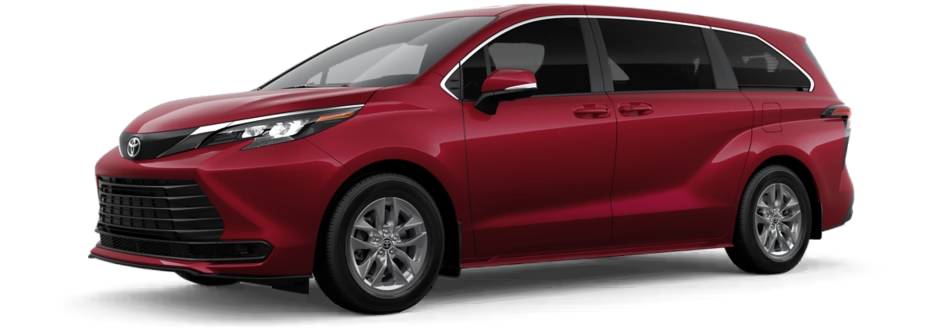
Understanding Toyota Sienna Generations
Before comparing Toyota Sienna reliability by year, it is important to understand how the minivan evolved over time. Major redesigns often introduce new technology, improved safety features, and mechanical updates. At the same time, first year redesigns can occasionally bring unexpected reliability concerns. Knowing each generation helps buyers understand which models delivered long term value and which ones deserve closer inspection.
First Generation: 1998 to 2003
The first Toyota Sienna replaced the Toyota Previa and marked Toyota’s move toward a more traditional front wheel drive family minivan design. Compared with competitors of its era, it offered smoother handling and a car like driving feel.
Although compact by modern standards, these early models earned a solid reputation for durability. Many owners reported dependable engines and relatively low maintenance costs. However, because of age, most examples on the used market today may suffer from wear related issues such as suspension deterioration and aging electrical components.
Second Generation: 2004 to 2010
The second generation brought a larger body, more interior space, stronger engines, and improved comfort features. This redesign made the Sienna more appealing for larger families.
Unfortunately, not every year within this generation achieved the same reliability results. Several models experienced transmission concerns and sliding door issues that became common owner complaints. Buyers researching Toyota Sienna reliability by year often identify certain years from this era as models to approach cautiously.
Third Generation: 2011 to 2020
The third generation represented one of the most important periods in Sienna history. Toyota introduced updated styling, more advanced safety technologies, and refined powertrain performance.
Mid cycle improvements significantly enhanced ownership satisfaction. Models produced after the early years of this generation often delivered stronger reliability scores and lower repair frequency. Many used car experts consider late third generation models among the smartest choices for value conscious buyers.
Fourth Generation: 2021 to Present
Toyota completely changed the formula with the fourth generation. Every Sienna became hybrid only, improving fuel economy dramatically while introducing new technology and safety systems.
Early owner reports have been encouraging. Hybrid efficiency combined with Toyota’s proven engineering has helped newer models earn positive reliability impressions. Although long term data is still developing, many buyers already consider these models among the strongest choices for families seeking modern practicality and lower operating costs.
Best Toyota Sienna Years Ranked by Reliability
Not every Sienna model year delivers the same ownership experience. Some years stand out because of outstanding durability, fewer complaints, and lower maintenance costs. These models consistently earn praise from owners who expect their family vehicle to last well beyond 200,000 miles.
2017 Toyota Sienna
The 2017 Toyota Sienna introduced significant improvements, including an updated powertrain and advanced safety technology. Toyota paired this model with an eight speed transmission and enhanced driver assistance features.
Owners appreciated the comfortable ride, dependable V6 engine, and family friendly interior layout. Reliability ratings remained strong while major complaints stayed relatively limited.
Pros:
Reliable V6 engine
Strong safety technology
Comfortable for long road trips
Cons:
Fuel economy was average compared with newer hybrids
The infotainment system felt dated
Why it made the list:
The 2017 model successfully balanced affordability and dependability, making it a strong used market option.
2018 Toyota Sienna
The 2018 model continued the strengths introduced in the previous year while refining overall ownership experience.
Toyota Safety Sense became standard equipment, giving families greater confidence on the road. Owners also reported fewer serious mechanical complaints compared with earlier generations.
Pros:
Strong reliability ratings
Excellent safety package
Spacious interior
Cons:
Higher used market prices
Limited excitement in driving dynamics
Why it made the list:
Buyers searching for dependable transportation without major known issues often prioritize the 2018 model.
2020 Toyota Sienna
The 2020 model represented the final year before Toyota transitioned to hybrid only production.
By this point Toyota had refined the platform for years. Many of the earlier generation problems had already been addressed, creating one of the most polished versions available.
Pros:
Proven V6 performance
Strong reliability history
Refined ride quality
Cons:
Lower fuel economy than hybrid models
Limited modern technology compared with newer versions
Why it made the list:
Many automotive shoppers see the 2020 model as one of the safest used purchases in terms of long term dependability.
Continued Reliability Rankings
2021 Toyota Sienna Hybrid
The 2021 redesign introduced one of the most significant changes in Sienna history. Toyota replaced the V6 engine with a hybrid powertrain focused on fuel efficiency and lower ownership costs.
Many buyers initially worried that introducing entirely new technology could reduce reliability. Instead, early feedback proved encouraging.
Pros:
Excellent fuel economy
Modern safety systems
Smooth driving experience
Cons:
Some buyers preferred the stronger acceleration of previous V6 models
Limited long term reliability history
Why it made the list:
Families seeking lower fuel costs and modern technology found the 2021 model extremely appealing.
2022 Toyota Sienna
The 2022 Toyota Sienna currently stands among the strongest choices for reliability and overall ownership satisfaction.
Toyota had another year to refine the hybrid platform, resulting in improved confidence among owners and stronger real world performance feedback.
Pros:
Outstanding fuel economy
Advanced safety features
High owner satisfaction
Excellent comfort
Cons:
Strong resale demand can keep prices high
Why it made the list:
The 2022 model combines reliability, efficiency, comfort, and modern technology better than nearly any Sienna before it.
For buyers researching Toyota Sienna reliability by year, this model currently represents one of the most complete packages available.
Toyota Sienna Years to Avoid
Although Toyota has earned a reputation for building dependable vehicles, not every Sienna model year delivered the same ownership experience. Understanding weaker years can save buyers from expensive repairs and frustrating ownership surprises. When researching Toyota Sienna reliability by year, avoiding problematic models can be just as important as finding the best ones.
2004 Toyota Sienna
The 2004 model marked the beginning of the second generation redesign. While it introduced more interior space and stronger performance, first year redesigns sometimes experience unexpected problems.
Owners reported issues involving power sliding doors, dashboard cracking, and premature component wear. Some repair costs became significant as vehicles aged.
Why buyers should be cautious:
Higher probability of age related failures
Electrical component concerns
Early redesign issues
2007 Toyota Sienna
The 2007 model frequently appears in discussions regarding less desirable Sienna years.
Many owners experienced transmission concerns, steering issues, and premature wear affecting drivability. While not every vehicle suffered major problems, complaint frequency remained higher than many surrounding years.
Common owner frustrations:
Transmission hesitation
Steering system complaints
Unexpected repair expenses
2008 Toyota Sienna
The 2008 model continued to receive criticism from some owners for recurring mechanical and electrical concerns.
Power sliding door failures became a frequent complaint. Some owners also reported excessive oil consumption over time.
Potential pain points:
Expensive door repairs
Oil related maintenance issues
Aging electronics
2011 Toyota Sienna
The 2011 model introduced the third generation redesign and once again demonstrated that first year releases occasionally face challenges.
Owner reports mentioned engine concerns, electrical glitches, and reliability inconsistencies compared with later third generation models.
For shoppers comparing Toyota Sienna reliability by year, many experts recommend looking at later years within this generation instead.
Toyota Sienna Reliability Comparison Table
Many buyers want a quick snapshot instead of reading detailed reviews for every model year. This comparison table simplifies major reliability patterns and helps identify strong choices at a glance.
| Model Year | Reliability Level | Common Issues | Recommended |
|---|---|---|---|
| 2004 | Moderate | Sliding doors, aging electronics | Caution |
| 2007 | Low | Transmission issues | Avoid |
| 2008 | Low | Oil consumption, door failures | Avoid |
| 2011 | Moderate | Early redesign concerns | Caution |
| 2017 | High | Minor complaints | Yes |
| 2018 | High | Few recurring issues | Yes |
| 2020 | Excellent | Very limited concerns | Strong Buy |
| 2021 | Very High | Limited long term data | Strong Buy |
| 2022 | Excellent | Few owner complaints | Top Choice |
This table highlights an important lesson. Mileage alone should never determine a used vehicle purchase decision. A carefully maintained 2020 Sienna with higher mileage could be a much smarter investment than a lower mileage model with a history of reliability concerns.
Many buyers focus entirely on finding the cheapest option available. Unfortunately, lower purchase prices can hide future repair costs that quickly erase initial savings.
Buying Tips for a Used Toyota Sienna
Finding the right used Sienna involves more than choosing a good model year. Even highly rated years can become expensive mistakes if previous owners neglected maintenance.
Prioritize maintenance records
Service history often tells a more complete story than mileage numbers alone. Regular oil changes, transmission service, and documented repairs usually indicate responsible ownership.
Do not chase the lowest price
One of the most common buyer mistakes is assuming a lower price means a better deal. Extremely cheap listings sometimes hide accident damage, neglected maintenance, or mechanical issues.
Check recall history
Before purchasing any used minivan, review recall information and confirm whether required repairs were completed.
Inspect sliding doors carefully
Sliding door repairs can become expensive. Open and close them multiple times during a test drive. Listen for unusual noises and check for hesitation.
Mileage matters less than maintenance
Toyota vehicles often exceed 200,000 miles when properly cared for. A well maintained Sienna with higher mileage may outperform a neglected vehicle with significantly fewer miles.
When evaluating Toyota Sienna reliability by year, smart buyers combine model year research with real vehicle condition, maintenance history, and inspection results.
Frequently Asked Questions About Toyota Sienna Reliability
Many buyers researching Toyota Sienna reliability by year have similar concerns before making a purchase decision. Below are some of the most common questions from shoppers looking for a dependable family minivan.
What Toyota Sienna year lasts the longest?
Several model years have developed strong reputations for longevity, but the 2017, 2018, 2020, 2021, and 2022 models are often considered among the most dependable choices. Owners frequently report these vehicles reaching 200,000 miles and beyond with routine maintenance.
Long life expectancy depends on more than the model year itself. Regular oil changes, transmission service, proper tire maintenance, and responsible driving habits all contribute to vehicle lifespan.
Which Toyota Sienna years should buyers avoid?
Although Toyota generally builds reliable vehicles, some years generated more owner complaints and repair concerns. Models such as 2004, 2007, 2008, and certain early third generation examples received criticism for transmission problems, power sliding door failures, oil consumption issues, and various electrical concerns.
This does not automatically mean every vehicle from these years is problematic. However, buyers should perform extra research and inspections before purchasing.
Is a Toyota Sienna reliable after 200,000 miles?
Yes. Toyota vehicles have long been known for durability, and the Sienna is no exception. Many owners successfully drive their minivans well past 200,000 miles.
The more important factor is maintenance history rather than mileage alone. A properly maintained Sienna with 180,000 miles can often be a better purchase than a neglected example with significantly lower mileage.
Is Toyota Sienna more reliable than Honda Odyssey?
Both vehicles remain popular family minivan choices, but Toyota often receives stronger long term reliability praise from owners and automotive studies.
Honda Odyssey models deliver excellent comfort and driving experience, but certain years experienced transmission concerns that influenced buyer perception. Toyota Sienna frequently appeals to shoppers prioritizing long term ownership costs and dependability.
Conclusion
When reviewing Toyota Sienna reliability by year, one thing becomes very clear. Not all model years offer the same ownership experience. Some versions consistently deliver exceptional durability, lower maintenance costs, and fewer owner complaints, while others introduce repair concerns capable of turning a family vehicle into an expensive burden.
For most buyers, models such as the 2017, 2018, 2020, 2021, and especially the 2022 Toyota Sienna stand out as some of the strongest options available. These years combine proven engineering, improved safety features, and stronger long term reliability records.
At the same time, shoppers should approach years like 2004, 2007, 2008, and some early redesign models more carefully. Lower purchase prices can be tempting, but hidden repair costs often create frustration later.
Remember that reliability extends beyond the badge on the vehicle. Maintenance records, previous ownership habits, accident history, and inspection results all play major roles in determining whether a used Sienna becomes a smart investment.
If you are considering purchasing a Toyota Sienna, take time to research before signing paperwork. A little effort today can save thousands of dollars tomorrow.