When the check engine light appears on a Chevrolet Malibu, most drivers immediately feel uncertain about what is happening under the hood. It is one of those warning signals that does not explain itself, yet it can point to anything from a minor issue like a loose gas cap to a serious engine or emissions system failure. Understanding what this light actually means is essential if you want to avoid unnecessary repair costs and prevent long term damage to the vehicle.
The system behind this warning is the onboard diagnostics system known as OBD2, which continuously monitors key components of the engine and emissions system. When something falls outside normal operating conditions, the system generates a trouble code. These codes are what mechanics and scanners use to identify the exact issue behind the warning light. On a Chevrolet Malibu, these codes can range from ignition misfires to oxygen sensor failures or catalytic converter inefficiency.
The problem many drivers face is not just the warning light itself, but the lack of clarity about what it represents. Without understanding Chevy Malibu check engine light codes, it is easy to either ignore a serious issue or overreact to a minor one. This often leads to unnecessary stress or even avoidable repair expenses.
In this complete diagnostic guide, you will learn how these codes work, what the most common ones mean, and how to interpret them correctly. You will also understand the real causes behind the warning light and the practical steps you can take to fix the issue. By the end, you will have a clear and structured way to approach any check engine light situation on your Chevrolet Malibu with confidence and accuracy.
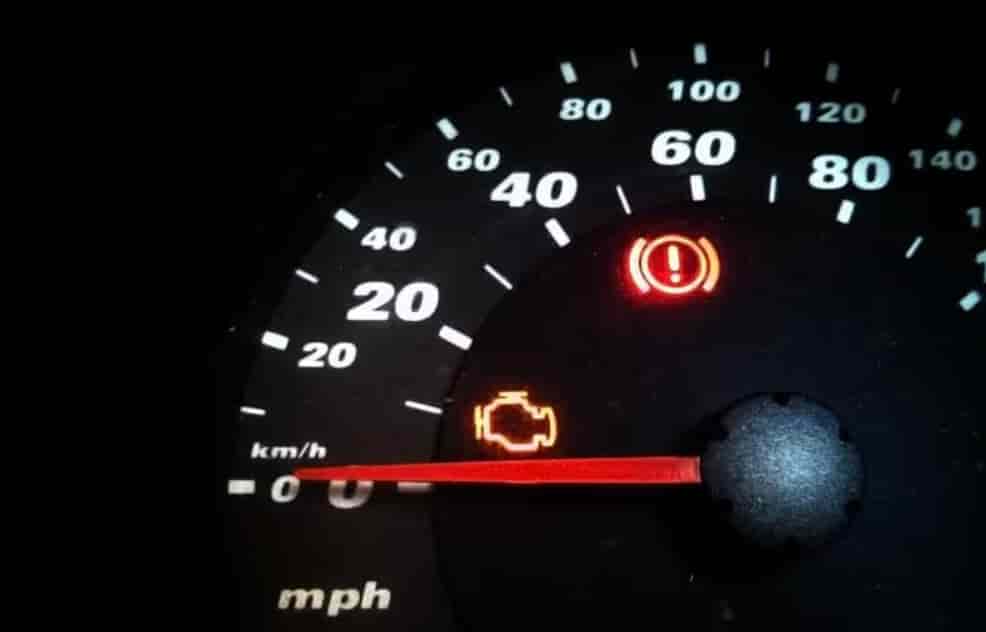
What the Check Engine Light Means on a Chevrolet Malibu
The check engine light on a Chevrolet Malibu is part of the onboard diagnostics system that monitors engine and emissions performance. It constantly checks signals from multiple sensors and compares them with normal operating values. When the system detects an issue, it turns on the warning light to inform the driver that something is not working correctly.
The engine control unit serves as the main computer of the vehicle. It collects data from sensors that monitor air intake, fuel delivery, exhaust gases, ignition timing, and overall engine operation. When any of these readings fall outside the expected range, the system stores a diagnostic trouble code and activates the check engine light. This process helps identify where the problem may be occurring inside the vehicle system.
On a Chevrolet Malibu, these diagnostic codes can represent many different issues. Some codes point to small problems such as a loose gas cap or a faulty sensor. Other codes indicate more serious issues involving the ignition system or emissions components. The check engine light itself does not show the exact cause, so a diagnostic scanner is required to read the stored code.
The warning light can appear in different forms. A steady light usually indicates a non urgent issue that still requires inspection. A flashing light often signals a severe engine misfire that may damage the catalytic converter if the vehicle continues to operate without repair.
Understanding how the system works helps drivers respond correctly. The check engine light does not provide a full diagnosis. It only signals that the system detected a fault. Reading Chevy Malibu check engine light codes is necessary to identify the real cause and choose the right repair approach.
Common Chevy Malibu Check Engine Light Codes and Their Meanings
When the check engine light turns on in a Chevrolet Malibu, the onboard diagnostics system stores a specific trouble code. These codes help identify the exact area where the problem occurs. Each code points to a different system in the vehicle, such as ignition, fuel, or emissions control. Understanding these codes is the first step to accurate diagnosis and repair.
One of the most common codes is P0300. This code indicates random or multiple engine misfires. It often appears when the engine fails to ignite fuel properly in one or more cylinders. Drivers may notice rough idling, reduced power, or increased fuel consumption. Common causes include worn spark plugs, faulty ignition coils, or fuel delivery problems.
Another frequent code is P0420. This code refers to low efficiency in the catalytic converter system. The vehicle detects that exhaust gases are not being processed correctly. This issue can lead to higher emissions and reduced engine performance. A failing catalytic converter or a faulty oxygen sensor often causes this code.
The P0171 code signals that the engine is running too lean. This means there is too much air and not enough fuel in the mixture. Drivers may experience hesitation during acceleration or unstable idling. Common causes include vacuum leaks, dirty fuel injectors, or weak fuel pumps.
The P0455 code relates to a large leak in the EVAP system. This system controls fuel vapors to reduce emissions. A loose or damaged gas cap often triggers this code, although hoses or valves in the system can also fail.
The P0128 code indicates that the engine is not reaching normal operating temperature quickly enough. A faulty thermostat is usually responsible for this issue, which can affect fuel efficiency and heater performance.
Understanding these Chevy Malibu check engine light codes helps drivers move from confusion to clarity. Each code points toward a specific system, making it easier to diagnose problems and choose the right repair solution.
Main Causes of the Check Engine Light on a Chevrolet Malibu
The check engine light on a Chevrolet Malibu usually turns on when the onboard system detects that one or more engine components are not operating within normal limits. Although the stored codes point to specific areas, the root causes often come from a few common mechanical and electronic issues.
One major cause is ignition system failure. Worn spark plugs or failing ignition coils can prevent proper combustion inside the engine. When this happens, the engine may misfire, which directly triggers codes like P0300. Drivers often notice rough idling, reduced acceleration, or engine vibration when this issue occurs.
Another common cause involves oxygen sensors. These sensors monitor the amount of oxygen in the exhaust system and help the engine control unit adjust the air fuel mixture. When an oxygen sensor fails or sends incorrect data, the engine may run too rich or too lean. This often leads to codes such as P0171 or P0420 and can increase fuel consumption.
Fuel system problems also play a significant role. Dirty or clogged fuel injectors can restrict fuel flow to the engine. A weak fuel pump can also reduce fuel pressure. Both conditions affect engine performance and may trigger multiple warning codes.
The emissions system is another frequent source of issues. A small leak in the EVAP system, often caused by a loose gas cap or damaged hose, can trigger the P0455 code. While this issue is usually not dangerous, it can still cause the check engine light to stay on.
Thermostat problems can also activate warning codes such as P0128. When the engine fails to reach the correct operating temperature, it affects fuel efficiency and overall performance.
In many cases, these issues develop gradually rather than suddenly. Regular maintenance helps reduce the risk of encountering these problems and keeps the Chevrolet Malibu running efficiently.
How to Diagnose Chevy Malibu Check Engine Light Codes
Diagnosing check engine light codes on a Chevrolet Malibu starts with identifying the exact trouble code stored in the onboard diagnostics system. The vehicle does not explain the problem directly, so a diagnostic scan is necessary to understand what triggered the warning.
The most common method is using an OBD2 scanner. This device connects to the diagnostic port under the dashboard and retrieves stored codes from the engine control unit. Once the scanner reads the code, it displays a combination of letters and numbers such as P0300 or P0420. Each code points to a specific system or component that may be malfunctioning.
After reading the code, the next step is to analyze the symptoms. Drivers should pay attention to how the vehicle behaves. Rough idling, reduced power, unusual engine noise, or increased fuel consumption can help confirm the nature of the issue. These symptoms often provide additional clues that support the diagnostic code.
It is also important to check whether the code is a pending or confirmed fault. A pending code means the system detected a possible issue but has not confirmed it yet. A confirmed code indicates that the problem has occurred multiple times and requires attention. This distinction helps avoid unnecessary repairs.
In some cases, multiple codes appear at the same time. When this happens, technicians usually start with the code that affects engine performance the most. For example, misfire related codes are often prioritized because they can damage other components if ignored.
A proper diagnosis combines scanner data with real world vehicle behavior. Relying only on the code without understanding symptoms can lead to incorrect conclusions. A structured approach ensures accurate identification of the problem and prevents unnecessary part replacement.
How to Fix Chevy Malibu Check Engine Light Issues
Fixing check engine light problems on a Chevrolet Malibu depends on the specific diagnostic code and the root cause behind it. After identifying the code and confirming the symptoms, the next step is to apply the correct repair method instead of replacing parts randomly.
Some issues are simple and can be resolved quickly. A common example is a loose or damaged gas cap. When the gas cap does not seal properly, fuel vapors escape and trigger an EVAP system code such as P0455. Tightening or replacing the gas cap often resolves the issue and turns off the warning light after a short driving cycle.
Ignition related problems require more attention. Worn spark plugs or faulty ignition coils can cause engine misfires, especially in codes like P0300. Replacing spark plugs at the correct service interval or changing a failing coil can restore normal engine performance. These repairs improve fuel efficiency and reduce engine vibration.
Sensor related issues are also common. A faulty oxygen sensor can cause incorrect air fuel readings, which may trigger codes like P0171 or P0420. Replacing a defective sensor helps restore proper engine control and reduces emissions problems. However, it is important to confirm the sensor is truly faulty before replacement.
More serious issues involve components like the catalytic converter. When this part fails, the engine cannot properly process exhaust gases. This often requires replacement, which is more expensive than other repairs. In such cases, ignoring the problem can lead to higher fuel consumption and emissions failures.
After completing repairs, the check engine light may need to be reset using an OBD2 scanner. In some cases, the system will clear the code automatically after several successful driving cycles.
Proper diagnosis is important before any repair. Fixing the wrong component can waste time and money, while the correct approach ensures the Chevrolet Malibu returns to normal operation efficiently.
Common Repair Costs and Severity Levels for Chevy Malibu Check Engine Light Issues
When a check engine light appears on a Chevrolet Malibu, the repair cost depends heavily on the diagnostic trouble code and the component involved. Some issues are inexpensive and quick to fix, while others require more advanced repairs and higher costs.
Minor issues are usually related to simple components such as the gas cap or basic sensors. A loose or damaged gas cap is one of the cheapest fixes, often costing only a small replacement or even no cost at all. Oxygen sensor replacement is more moderate, typically ranging from low to mid level expense depending on labor and part quality. These issues are common and generally do not affect driving safety immediately.
Ignition system problems fall into a mid cost range. Replacing spark plugs or ignition coils can vary depending on how many cylinders are affected. If only one coil fails, the repair is relatively affordable. However, multiple misfires can increase both parts and labor costs. These issues should still be addressed quickly because they affect engine performance and fuel efficiency.
Fuel system repairs can be more expensive. A clogged fuel injector or weak fuel pump may require cleaning or replacement. These repairs take more time and involve higher labor costs. Ignoring these problems can lead to poor acceleration and long term engine damage.
The most expensive repairs usually involve the catalytic converter. When this component fails, it often requires full replacement. This repair can be significantly costly because the part itself is expensive and labor is more complex. This issue is often associated with codes like P0420 and should not be delayed.
Severity also plays an important role. Some codes indicate minor emissions issues, while others signal serious engine misfires that can damage major components if ignored. Understanding both cost and severity helps drivers prioritize repairs correctly and avoid unnecessary expenses while maintaining the performance of the Chevrolet Malibu.
When You Should Take Your Chevy Malibu to a Mechanic Immediately
Not every check engine light on a Chevrolet Malibu requires emergency attention, but some situations should never be ignored. Recognizing the difference between a minor issue and a serious mechanical problem helps prevent further damage and reduces repair costs.
One of the most urgent signs is a flashing check engine light. This usually indicates an active engine misfire. When this happens, unburned fuel can enter the exhaust system and damage the catalytic converter. If the light is flashing, it is best to stop driving as soon as it is safe and have the vehicle inspected immediately.
Another serious warning sign is a noticeable drop in engine performance. If the car struggles to accelerate, shakes during idling, or loses power while driving, it often indicates problems with ignition, fuel delivery, or air intake systems. These symptoms suggest that the engine is not operating correctly and needs professional diagnosis.
Unusual smells are also important warning signals. A strong fuel smell may indicate a leak in the fuel system, while a burning odor can suggest overheating components. Both conditions can increase the risk of further damage if not addressed quickly.
Drivers should also pay attention to dashboard behavior combined with unusual engine noise. Knocking sounds, loud misfires, or continuous rough running often point to deeper mechanical issues. In these cases, continuing to drive the vehicle can worsen the problem.
Even if the vehicle still runs normally, persistent warning lights that do not disappear after basic checks such as tightening the gas cap should be inspected by a technician. A professional scan can identify hidden issues that are not immediately noticeable during driving.
Taking timely action when these symptoms appear helps protect key components of the Chevrolet Malibu and ensures safer, more reliable operation in the long term.
Conclusion
Understanding Chevy Malibu check engine light codes is essential for maintaining engine health and avoiding unnecessary repair costs. The warning light is not just a simple indicator but part of a complex onboard diagnostics system that monitors the engine, fuel system, and emissions performance in real time. When a fault is detected, the system stores a code that helps identify the exact area of the problem.
Throughout this guide, you have learned how different codes represent different issues. Some codes point to minor problems such as a loose gas cap or a faulty sensor, while others indicate more serious conditions like engine misfires or catalytic converter failure. Each code provides a direction for diagnosis, but it does not replace a proper inspection and analysis of the vehicle’s symptoms.
You also saw that the most common causes often come from ignition components, oxygen sensors, fuel delivery systems, and emissions control parts. By understanding these systems, you can avoid guessing and focus on the real source of the issue. This reduces the risk of unnecessary part replacement and helps you make more informed repair decisions.
More importantly, knowing when to act quickly is critical. A flashing warning light, loss of power, or unusual engine behavior should never be ignored, as these signs often point to serious mechanical problems that can worsen over time.
By learning how to read and interpret Chevy Malibu check engine light codes, you gain better control over your vehicle’s maintenance. Instead of reacting with uncertainty, you can respond with a clear diagnostic approach that saves both time and money.