Chevy 1.5 Engine Problems have become one of the most frequently discussed topics among vehicle owners and automotive communities in recent years. Many drivers of models such as Chevrolet Equinox, Malibu, and GMC Terrain have reported a range of performance concerns that raise questions about long term reliability and maintenance costs. These issues often appear unexpectedly and can significantly affect driving comfort and confidence.
The 1.5 liter turbocharged engine developed by Chevrolet was designed to balance fuel efficiency with everyday performance. However, in real world usage, some owners have experienced challenges such as oil consumption, engine misfires, turbocharger stress, and overheating tendencies. These concerns have led many drivers to search for clear explanations and practical solutions.
Understanding these Chevy 1.5 Engine Problems is important not only for current owners but also for potential buyers who want to make informed decisions before purchasing a vehicle equipped with this engine. Early detection of symptoms can help prevent costly repairs and reduce long term damage. In this complete guide, we will break down the most common causes behind these issues, explain the warning signs you should never ignore, and provide practical fixes and maintenance strategies. By the end, you will have a clear and structured understanding of how this engine behaves in real conditions and how to manage its weaknesses effectively.
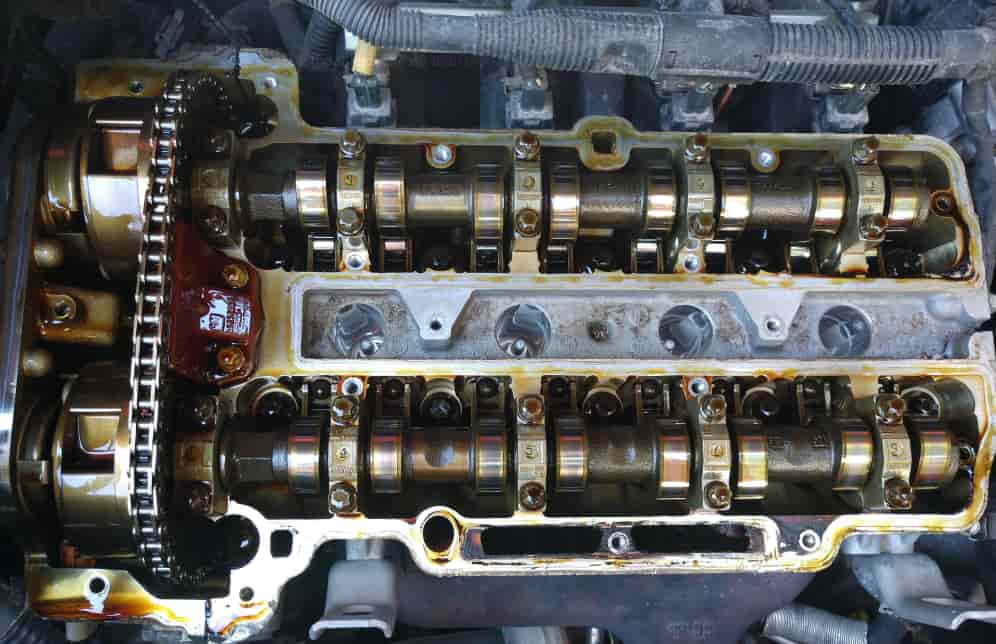
UNDERSTANDING THE CHEVY 1.5 TURBO ENGINE
The Chevy 1.5 turbo engine belongs to a modern line of small turbocharged engines. Chevrolet designed it to improve fuel efficiency while still keeping acceptable performance for daily driving. You can find this engine in models like the Chevrolet Equinox, Malibu, and several other GM vehicles.
This engine uses a turbocharger to push more air into the combustion chamber. This process allows a small engine to produce power similar to a larger engine. The design improves fuel economy and reduces emissions, which makes it attractive for many drivers.
However, this setup also creates extra stress on engine parts. The engine runs at higher temperatures and higher pressure compared to non turbo engines. These conditions increase wear on key systems like cooling, lubrication, and air intake.
Many Chevy 1.5 Engine Problems come from this operating structure. The engine must maintain tight balance between power and efficiency. If maintenance is not consistent, problems can appear faster. Common issues include carbon buildup, oil degradation, and thermal strain on internal parts.
Driving habits also affect engine health. Short trips prevent the engine from reaching full operating temperature. This can increase deposits inside the engine and reduce long term performance. On the other hand, steady highway driving helps the engine run more smoothly.
Understanding this engine design helps explain why problems happen in real conditions. It also shows why some drivers experience issues earlier than others. The next sections will break down the most common failures and how they appear in everyday use.
MOST COMMON CHEVY 1.5 ENGINE PROBLEMS
Excessive Oil Consumption
One of the most reported Chevy 1.5 Engine Problems is excessive oil consumption. Many drivers notice that the engine uses oil faster than expected between service intervals. This issue often shows up without clear warning signs at first.
When oil levels drop too quickly, the engine loses proper lubrication. This increases friction between internal parts. Over time, it can lead to reduced performance and long term damage. Some drivers also report low oil pressure warnings on the dashboard.
This problem often connects to piston ring wear or internal carbon buildup. Short trip driving makes the situation worse because the engine does not fully burn off deposits.
Engine Misfire Issues
Engine misfires are another common issue in the Chevy 1.5 turbo engine. Drivers often feel rough idling, hesitation during acceleration, or inconsistent power delivery.
A misfire happens when the fuel air mixture inside the cylinder does not ignite correctly. This can come from worn spark plugs, ignition coil issues, or fuel delivery imbalance.
When misfires happen frequently, fuel efficiency drops and engine vibration increases. If ignored, the problem can damage the catalytic converter and increase repair costs significantly.
Turbocharger Problems
The turbocharger plays a key role in engine performance. However, it is also one of the most sensitive components in this engine system.
Some drivers report loss of boost pressure, slow acceleration, or unusual whining sounds from the turbo area. These symptoms often point to turbo wear or oil flow issues.
High operating temperature is a major factor. If oil quality is poor or maintenance is delayed, the turbo can degrade faster. Once it fails, replacement costs are usually high.
Coolant and Overheating Issues
Overheating is another concern linked to Chevy 1.5 Engine Problems. Some owners experience rising engine temperatures during normal driving conditions.
This issue often comes from coolant leaks, thermostat failure, or reduced cooling efficiency. When the engine runs too hot, internal components expand beyond normal limits.
If not addressed quickly, overheating can lead to head gasket damage or severe engine failure. That makes early detection very important.
Timing Chain Wear
Timing chain wear is less visible but still serious. Drivers may hear rattling noise during cold starts or notice unstable engine performance.
The timing chain controls synchronization between engine components. When it stretches or wears out, engine timing becomes inaccurate.
This can reduce performance and in extreme cases cause internal engine damage. Regular oil maintenance helps slow down this wear.
SYMPTOMS OF CHEVY 1.5 ENGINE PROBLEMS
Chevy 1.5 Engine Problems usually show clear warning signs before serious failure occurs, and recognizing these symptoms early can help prevent costly repairs and long term engine damage. One of the most common indicators is the check engine light. This warning appears when the engine control system detects abnormal performance such as misfires, fuel imbalance, or sensor irregularities. Drivers should not ignore this signal because it often represents an early stage of a deeper issue.
Another frequent symptom is engine vibration or rough idling. A healthy engine normally runs smoothly when the vehicle is stopped, but when problems develop, the engine may shake or feel unstable. This often results from misfires or uneven combustion inside the cylinders. Drivers usually notice it first at traffic lights or during short stops.
Poor acceleration is also a key sign of trouble. The vehicle may feel slow or unresponsive even when the driver presses the accelerator. This usually connects to turbo performance issues or fuel delivery problems that reduce overall engine efficiency. At the same time, many drivers notice increased fuel consumption, which happens because the engine works harder to compensate for reduced performance.
Unusual engine noises can also appear as the problem progresses. Knocking, rattling, or whining sounds often indicate stress in components such as the timing chain, turbo system, or lubrication system. In more advanced cases, exhaust smoke may change color, showing blue or white emissions that suggest oil burning or coolant leakage.
Understanding these symptoms helps drivers identify Chevy 1.5 Engine Problems early and take action before the damage becomes severe.
ROOT CAUSES OF CHEVY 1.5 ENGINE PROBLEMS
Chevy 1.5 Engine Problems do not come from a single failure point. They usually result from a combination of design characteristics, operating conditions, and maintenance habits. Understanding the root causes helps explain why these issues appear more often in real world driving conditions.
One major cause is the turbocharged engine design itself. The 1.5 liter turbo system increases power by forcing more air into the engine. This creates higher internal pressure and temperature compared to traditional engines. While this improves efficiency, it also increases stress on components such as pistons, valves, and the turbocharger.
Another important factor is carbon buildup. Direct injection systems used in this engine do not always clean intake valves effectively. Over time, carbon deposits accumulate and reduce airflow efficiency. This leads to misfires, rough idling, and reduced engine performance.
Oil quality and maintenance intervals also play a major role. If oil changes are delayed or low quality oil is used, lubrication becomes less effective. This increases friction and accelerates wear inside the engine and turbo system. Many Chevy 1.5 Engine Problems become more severe when maintenance schedules are not followed correctly.
Driving patterns also contribute to long term issues. Short trips prevent the engine from reaching optimal operating temperature. This leads to incomplete fuel combustion and faster deposit formation. On the other hand, aggressive driving can increase thermal stress and shorten component lifespan.
These combined factors explain why some drivers experience problems earlier than others. It is not a single defect but a system where design and usage conditions interact closely.
DIAGNOSTIC GUIDE FOR CHEVY 1.5 ENGINE PROBLEMS
Diagnosing Chevy 1.5 Engine Problems early helps prevent serious engine damage and reduces repair costs. Most issues can be identified through a combination of visual checks, onboard diagnostics, and simple performance tests that any driver or mechanic can perform.
The first step is using an OBD2 scanner. This tool reads error codes from the engine control unit and helps identify issues such as misfires, sensor failures, or fuel system imbalance. Common codes often point to ignition problems, turbo inefficiency, or air intake irregularities. While the code does not always show the exact cause, it provides a strong starting point for further inspection.
Next, checking engine oil condition is important. Low oil levels or dirty, thick oil often indicate internal wear or poor maintenance. Since oil plays a critical role in turbocharged engines, any abnormal oil condition can quickly lead to performance issues.
A compression test can also help identify internal engine health. Low compression in one or more cylinders often signals problems such as worn piston rings or valve sealing issues. This test is especially useful when misfires or power loss are present.
Inspecting the turbo system is another key step. Drivers should look for unusual whining sounds, delayed acceleration, or visible oil leaks near the turbo area. These symptoms often indicate turbo wear or restricted airflow.
Finally, a coolant system pressure test can reveal hidden leaks or cooling inefficiencies. Overheating issues often develop slowly, so early detection is critical.
By combining these diagnostic steps, drivers can better understand the condition of their engine and respond to Chevy 1.5 Engine Problems before they become severe failures.
REPAIR SOLUTIONS AND FIXES FOR CHEVY 1.5 ENGINE PROBLEMS
Fixing Chevy 1.5 Engine Problems depends on the severity of the issue and how early it is detected. Some problems can be resolved with basic maintenance, while others require major mechanical repairs. Understanding both levels helps drivers choose the right solution and avoid unnecessary costs.
For minor issues, regular maintenance plays a key role. Changing engine oil on time and using high quality synthetic oil helps improve lubrication and reduce internal friction. Replacing spark plugs can also solve misfire problems and restore smooth engine performance. In some cases, cleaning the intake system helps remove carbon buildup and improves airflow efficiency.
When problems become more serious, deeper repairs are required. Turbocharger replacement is often needed when there is significant loss of boost pressure or internal turbo damage. This repair can be expensive, but it restores engine power and efficiency. Timing chain replacement may also be necessary if the engine shows rattling noises or unstable timing performance. Ignoring this issue can lead to severe internal damage.
Cooling system repairs are also common. Fixing coolant leaks, replacing thermostats, or repairing radiator issues helps prevent overheating and protects engine components from thermal stress. In advanced cases, head gasket repair may be required, especially if coolant enters the combustion chamber.
Repair costs can vary depending on whether the work is done at a dealership or an independent mechanic. Dealership repairs are usually more expensive but may offer better warranty coverage. Independent shops often provide more affordable options but require careful selection.
Addressing Chevy 1.5 Engine Problems early significantly reduces repair costs and improves long term engine reliability.
PREVENTION STRATEGIES FOR LONG TERM RELIABILITY
Preventing Chevy 1.5 Engine Problems requires consistent maintenance habits and proper driving behavior. Since this engine operates with a turbocharged system, it is more sensitive to oil quality, temperature changes, and driving conditions. Small adjustments in daily use can significantly improve long term reliability.
One of the most important prevention steps is maintaining regular oil changes. Using high quality synthetic oil helps protect engine components from heat and friction. It also reduces carbon buildup and keeps the turbo system operating efficiently. Delaying oil changes increases the risk of internal wear and accelerates performance decline.
Driving behavior also plays a major role. Short trips should be minimized because the engine does not reach optimal operating temperature. This leads to incomplete combustion and faster deposit formation. Longer and more stable driving cycles help the engine run cleaner and more efficiently. Avoiding aggressive acceleration also reduces stress on the turbocharger and internal components.
Cooling system maintenance is another key factor. Keeping coolant levels stable and ensuring the radiator works properly helps prevent overheating. Since high temperatures are one of the main contributors to Chevy 1.5 Engine Problems, proper cooling protection is essential for long term durability.
Regular inspections also help detect early warning signs. Checking for oil leaks, unusual noises, or performance changes allows drivers to address small issues before they become serious failures. Using diagnostic tools periodically can also help monitor engine health.
By combining proper maintenance, careful driving habits, and early detection, drivers can significantly reduce the risk of major engine issues and extend the lifespan of the Chevy 1.5 turbo engine.
CONCLUSION
Chevy 1.5 Engine Problems are not caused by a single issue but by a combination of design characteristics, driving habits, and maintenance conditions. This engine offers good fuel efficiency and solid everyday performance, but it also requires proper care to maintain long term reliability.
Most common problems include oil consumption, engine misfires, turbocharger wear, overheating risks, and timing chain degradation. These issues often develop gradually, which makes early detection very important. Drivers who pay attention to warning signs such as check engine lights, rough idling, or unusual engine noises can reduce the risk of major failures.
Proper maintenance plays a key role in preventing serious damage. Regular oil changes, high quality lubricants, and consistent cooling system checks help extend engine life. Driving behavior also matters, as short trips and aggressive acceleration can increase internal stress and accelerate wear.
Understanding how the Chevy 1.5 turbo engine works helps drivers make better decisions about maintenance and repairs. It also helps potential buyers evaluate whether this engine fits their driving needs and expectations.
In conclusion, Chevy 1.5 Engine Problems can be managed effectively when they are understood early and handled with the right maintenance strategy. Staying proactive is the best way to avoid high repair costs and ensure stable engine performance over time.