If you own a truck or SUV with a 5.3 engine, you have probably heard about cylinder deactivation and the problems that can come with it. Many drivers initially enjoy the promise of better fuel economy, but over time, that benefit can turn into a costly headache. Issues like lifter failure, engine misfires, and excessive oil consumption are more common than most people expect. In some cases, repair bills can easily climb into the thousands, leaving owners frustrated and searching for a long term solution.
This is where the concept of a 5.3 Cylinder Deactivation Delete becomes highly relevant. Instead of dealing with recurring mechanical issues, many drivers choose to remove or disable the Active Fuel Management system entirely. The goal is simple. Improve engine reliability, reduce the risk of internal damage, and gain more consistent performance.
But is this the right decision for your vehicle? While deleting cylinder deactivation can solve serious problems, it also comes with trade offs such as reduced fuel efficiency and upfront costs. That is why understanding the full picture is critical before making a decision.
In this complete guide, you will learn how the system works, why people remove it, the real pros and cons, and how much a 5.3 Cylinder Deactivation Delete costs in 2025. By the end, you will have a clear answer to whether this modification is worth it for your engine.
What Is 5.3 Cylinder Deactivation (AFM)?
To understand why many drivers consider a 5.3 Cylinder Deactivation Delete, you first need to know how the system actually works. Cylinder deactivation, also known as Active Fuel Management or Displacement on Demand, is a technology designed to improve fuel efficiency. It does this by shutting down half of the engine cylinders during light driving conditions such as cruising on the highway.
In a typical 5.3 V8 engine, this means the engine can switch from eight cylinders down to four cylinders automatically. When you press the accelerator or need more power, all eight cylinders reactivate instantly. On paper, this sounds like an ideal balance between performance and fuel savings. Automakers introduced this system to meet stricter fuel economy standards without sacrificing engine size.
However, the real world performance of this system is not always as smooth as intended. The transition between four and eight cylinders can create uneven wear inside the engine. Over time, components such as lifters and valves are placed under additional stress. This is especially true for vehicles that frequently switch between driving conditions.
Another important factor is oil flow. The AFM system relies on precise oil pressure to activate and deactivate cylinders. If anything disrupts this balance, even slightly, it can lead to premature wear or mechanical failure. This is one of the main reasons why many 5.3 engine owners start researching a 5.3 Cylinder Deactivation Delete after a few years of use.
Understanding this system is essential because it sets the foundation for everything that follows. Once you see how it works and where it can fail, the reasons behind deleting it become much clearer.
Why Do People Do a 5.3 Cylinder Deactivation Delete?
For many drivers, the decision to perform a 5.3 Cylinder Deactivation Delete does not come from curiosity. It comes from frustration. What starts as a fuel saving feature often turns into a source of long term engine problems that are both expensive and stressful to fix.
One of the most common issues is lifter failure. The AFM system uses special lifters that constantly activate and deactivate as the engine switches between four and eight cylinders. Over time, these lifters can wear out or collapse. When this happens, you may hear a ticking noise coming from the engine, followed by misfires and a noticeable drop in performance. In severe cases, the engine may require a full teardown just to replace damaged components.
Another major concern is excessive oil consumption. Many 5.3 engines with active cylinder deactivation tend to burn more oil than expected. This happens because the system changes how oil flows through the engine during operation. As a result, drivers often find themselves adding oil more frequently, sometimes without even realizing how much is being lost.
Engine misfires and rough idle are also common warning signs. When the system fails to transition smoothly between cylinder modes, the engine can feel unstable. This not only affects driving comfort but also signals deeper mechanical issues that may worsen over time.
The biggest pain point, however, is the cost of repair. Fixing AFM related problems can easily range from a few thousand dollars to over five thousand, depending on the severity of the damage. For many vehicle owners, this becomes the turning point. Instead of repeatedly fixing the same system, they choose a more permanent solution by removing it entirely.
This is why the 5.3 Cylinder Deactivation Delete has become increasingly popular. It is not just about performance. It is about avoiding costly failures and gaining peace of mind knowing that your engine is running in a simpler and more reliable configuration.
Pros and Cons of 5.3 Cylinder Deactivation Delete
Before deciding on a 5.3 Cylinder Deactivation Delete, it is important to understand that this modification is not purely positive or negative. It is a trade off. You are essentially choosing between fuel efficiency and long term engine reliability. Knowing both sides will help you make a smarter decision based on your driving needs and budget.
Advantages of 5.3 Cylinder Deactivation Delete
The biggest advantage is improved engine reliability. By removing the Active Fuel Management system, you eliminate one of the most failure prone components in the 5.3 engine. This means fewer chances of lifter collapse, valve damage, or internal wear caused by constant cylinder switching.
Another benefit is more consistent performance. Without the system turning cylinders on and off, the engine runs in full V8 mode at all times. This results in smoother power delivery, better throttle response, and a more predictable driving experience. Many drivers notice that their vehicle feels stronger and more stable, especially during acceleration.
Long term cost savings is also a key factor. While the upfront cost of a 5.3 Cylinder Deactivation Delete can be significant, it can prevent much larger repair bills in the future. Avoiding a major engine repair can easily justify the investment for many vehicle owners.
Disadvantages of 5.3 Cylinder Deactivation Delete
The most obvious downside is reduced fuel economy. Since the engine no longer switches to four cylinder mode, it will consume more fuel during highway cruising. For drivers who prioritize fuel savings, this can be a major drawback.
Another concern is the initial cost. A full delete kit combined with labor can be expensive, especially if you choose professional installation. This can make some drivers hesitate, even if they understand the long term benefits.
There is also the possibility of warranty issues. Modifying the engine by removing factory systems may void your vehicle warranty, depending on your dealership and region. This is something you should always consider before making any changes.
In the end, the decision comes down to your priorities. If you value reliability and want to avoid major engine problems, a 5.3 Cylinder Deactivation Delete can be a smart move. If fuel economy and lower upfront cost matter more, keeping the system may still be the better option.
How to Do a 5.3 Cylinder Deactivation Delete
Performing a 5.3 Cylinder Deactivation Delete can be approached in different ways depending on your budget, experience, and long term goals. While the end objective is the same, which is to disable or completely remove the Active Fuel Management system, the level of effectiveness and reliability can vary significantly between methods.
For many drivers, the easiest entry point is using an AFM disabler. This small device connects directly to the vehicle through the OBD port and prevents the engine from switching into four cylinder mode. As a result, the engine runs in full V8 mode at all times, delivering more consistent performance and eliminating the constant transition that often leads to uneven wear. The installation process is quick and requires no mechanical skill, making it an attractive option for beginners or those looking for a fast solution. Another advantage is that it is fully reversible, so the vehicle can be returned to its original state at any time.
However, while this method improves driving consistency, it does not completely solve the root problem. The AFM components, including lifters and internal mechanisms, remain inside the engine and can still fail over time. This means that although the system is electronically disabled, the mechanical risks are still present beneath the surface.
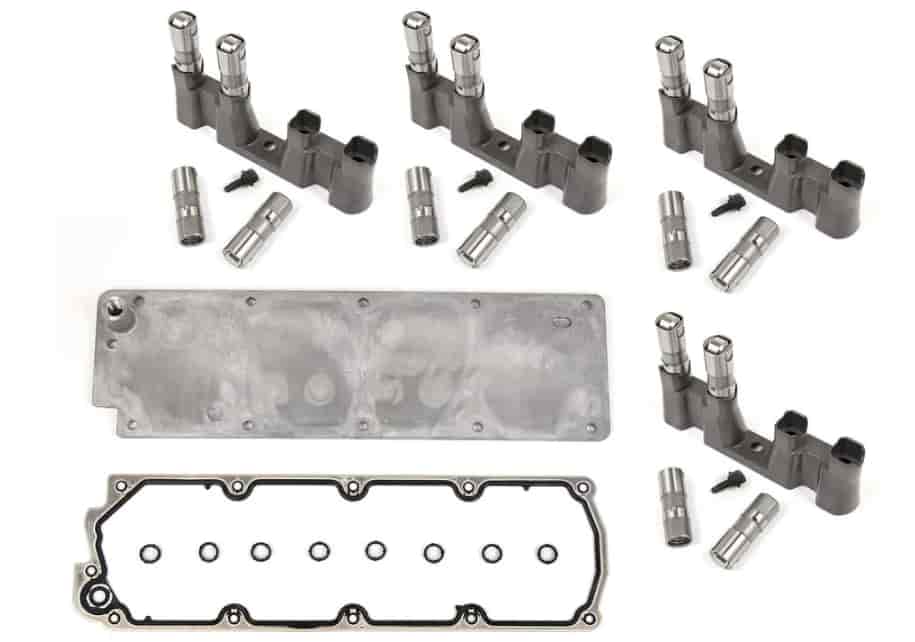
For drivers who want a permanent and more reliable solution, a full 5.3 Cylinder Deactivation Delete is often the preferred approach. This process involves removing and replacing critical internal components such as lifters and camshaft, followed by proper ECU tuning to ensure the engine operates without the AFM system. While this method requires more time, higher cost, and often professional installation, it provides long term peace of mind. Once completed, the engine no longer depends on failure prone AFM parts, significantly reducing the risk of costly damage in the future.
Choosing the right method ultimately depends on your priorities. If you are looking for a quick and affordable way to improve driving behavior, a simple disabler may be enough. If your goal is to protect your engine and eliminate potential failures completely, investing in a full 5.3 Cylinder Deactivation Delete is the more effective long term strategy.
5.3 Cylinder Deactivation Delete Cost (2025)
The cost of a 5.3 Cylinder Deactivation Delete depends on the method you choose and how far you want to go. Some drivers prefer a quick and affordable solution, while others invest in a long term fix to avoid future engine problems.
The cheapest option is an AFM disabler. This device usually costs between 100 and 300 dollars. It plugs into the OBD port and requires no installation labor. Many drivers choose this option because it is simple and fast. However, it does not remove the internal AFM components. Those parts can still fail over time, which means the risk is not completely gone.
A full 5.3 Cylinder Deactivation Delete is more expensive but also more reliable. A complete kit typically costs between 600 and 2000 dollars, depending on quality. If you hire a professional, labor can add another 1000 to 3000 dollars. This brings the total cost to around 1600 to 5000 dollars.
Some experienced owners choose to do the work themselves. This can save money, but it requires tools, time, and mechanical knowledge. A mistake during installation can lead to serious engine damage.
When comparing costs, it is important to think long term. AFM related repairs can be very expensive. In many cases, they cost more than a proper delete. For this reason, many drivers see a 5.3 Cylinder Deactivation Delete as an investment rather than an expense.
AFM Delete vs AFM Disabler: Which Is Better?
When deciding on a 5.3 Cylinder Deactivation Delete, many drivers feel confused between using an AFM disabler and doing a full delete. Both options aim to stop the cylinder deactivation system, but they work in very different ways and deliver different results.
An AFM disabler is the simplest option. It connects through the OBD port and prevents the engine from switching to four cylinder mode. This keeps the engine running in full V8 mode at all times. The main advantage is convenience. Installation takes only a few minutes, and no mechanical work is required. It is also affordable and easy to remove if needed.
However, this solution only works at the software level. The internal AFM components remain inside the engine. Lifters and related parts can still wear out and fail over time. This means the disabler reduces symptoms but does not remove the root cause of the problem.
A full 5.3 Cylinder Deactivation Delete goes much deeper. It removes the AFM system entirely by replacing critical engine components and updating the ECU. Once completed, the engine no longer relies on failure prone parts. This results in better long term reliability and fewer mechanical risks.
The downside is cost and complexity. A full delete requires more time, higher investment, and often professional installation. It is not a quick fix, but it is a permanent one.
In simple terms, an AFM disabler is a short term solution that improves driving behavior, while a full 5.3 Cylinder Deactivation Delete is a long term solution that protects your engine. The better choice depends on whether you want convenience now or reliability for the future.
Signs Your Engine Needs a 5.3 Cylinder Deactivation Delete
Many drivers do not consider a 5.3 Cylinder Deactivation Delete until clear warning signs start to appear. Recognizing these symptoms early can help you avoid serious engine damage and costly repairs.
One of the most common signs is a ticking noise coming from the engine. This sound is often linked to failing lifters, which are heavily affected by the AFM system. At first, the noise may seem minor, but it can quickly become louder and more frequent. Ignoring it can lead to severe internal damage.
Another warning sign is engine misfire. You may notice rough acceleration, loss of power, or hesitation while driving. These issues often occur when the system fails to switch smoothly between cylinder modes. Over time, this can reduce engine performance and increase wear on critical components.
Excessive oil consumption is also a major red flag. If you find yourself adding oil more often than usual, the AFM system could be the cause. Changes in oil flow and pressure can lead to increased burning, which may go unnoticed until it becomes a serious problem.
Rough idle is another symptom that should not be ignored. The engine may feel unstable or vibrate more than normal when the vehicle is not moving. This often indicates that the system is not functioning properly and may be putting stress on internal parts.
If you notice one or more of these signs, it may be time to consider a 5.3 Cylinder Deactivation Delete. Acting early can prevent small issues from turning into major repairs and help keep your engine running smoothly for the long term.
Does a 5.3 Cylinder Deactivation Delete Improve Performance?
Many drivers expect a big performance boost after a 5.3 Cylinder Deactivation Delete, but the reality is more balanced. This modification does improve how the engine feels, but it does not turn your vehicle into a high performance machine.
The most noticeable change is smoother power delivery. Without the constant switching between four and eight cylinders, the engine runs more consistently. This results in a more stable driving experience, especially during acceleration. Throttle response also feels sharper because the engine no longer needs to reactivate cylinders under load.
Some drivers report a slight increase in horsepower, but the gain is usually small. The real benefit is not peak power. It is the consistency of that power. The engine behaves more predictably, which can make driving feel more controlled and responsive.
Another advantage is reduced engine strain over time. By eliminating the AFM system, you remove components that are known to wear out. This does not directly increase performance numbers, but it helps maintain engine health. A healthier engine will perform better over the long run.
However, there is a trade off. Fuel consumption will increase because the engine stays in full V8 mode at all times. For some drivers, this is a minor downside compared to the reliability benefits. For others, it may be a deciding factor.
In the end, a 5.3 Cylinder Deactivation Delete improves how the engine performs rather than how much power it produces. It is about consistency, reliability, and driving confidence, not just speed.
Conclusion
A 5.3 Cylinder Deactivation Delete is not just a simple modification. It is a strategic decision that affects how your engine performs, how reliable it becomes, and how much you may spend in the future. While the Active Fuel Management system was designed to improve fuel efficiency, real world experience shows that it can also introduce serious mechanical risks over time.
By removing or disabling this system, many drivers gain a more stable and predictable engine. The vehicle runs smoother, responds better, and avoids common issues such as lifter failure and excessive oil consumption. These benefits make a 5.3 Cylinder Deactivation Delete especially appealing for those who plan to keep their vehicle long term.
At the same time, it is important to accept the trade off. Fuel economy may decrease, and the upfront cost can be significant. However, when compared to the potential cost of major engine repairs, this investment often makes sense.
The key is to choose the right approach based on your needs. If you want a quick and low cost solution, an AFM disabler may be enough. If you want long term reliability and peace of mind, a full 5.3 Cylinder Deactivation Delete is the better option.
Now the question is simple. Do you want to deal with possible engine failure later, or take control and protect your engine today?