Are 2.8 Duramax problems something you should seriously worry about, or are they just typical concerns that come with owning any diesel engine? This is one of the most common questions among truck buyers who are considering models like the Chevy Colorado or GMC Canyon equipped with the 2.8L Duramax.
At first glance, this engine looks like a solid choice. It offers impressive fuel efficiency, strong torque for towing, and a reputation for being practical in daily driving. However, once you dig deeper, many owners start reporting recurring issues that can quickly turn ownership into a costly experience if ignored.
The real challenge is not just the existence of these problems, but how difficult they can be to detect early. Many drivers only realize something is wrong when repair bills start piling up. From turbocharger failures to EGR clogging and DPF regeneration issues, the list of potential headaches is longer than most buyers expect.
If you are planning to buy a used truck or already own one, understanding these 2.8 Duramax problems is essential. In this guide, you will learn about the most common issues, what causes them, and most importantly, how to fix or prevent them before they become expensive mistakes.
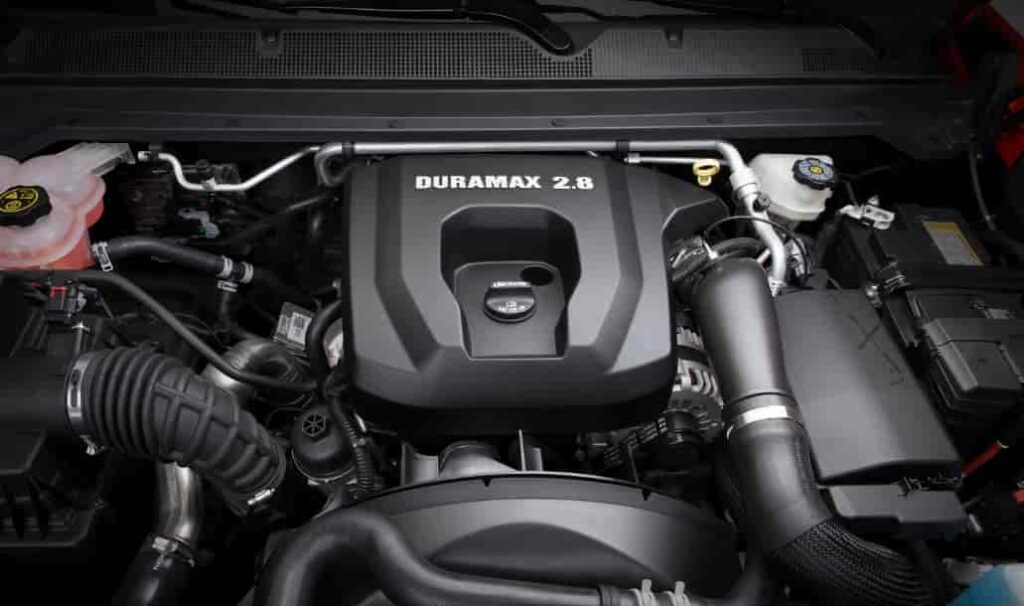
What Are the Most Common 2.8 Duramax Problems?
What Are the Most Common 2.8 Duramax Problems?
The 2.8 Duramax engine is known for efficiency and strong torque, but several common issues appear over time. Most problems are linked to emissions systems and high performance components working under stress.
One of the most reported 2.8 Duramax problems involves the turbocharger. Drivers often notice power loss, whining sounds, or excess smoke. These signs usually point to oil supply issues or carbon buildup. If ignored, the damage can become expensive.
The EGR system is another weak point. Carbon deposits build up inside the valve, especially when the truck is used for short trips. This leads to rough idling, lower fuel efficiency, and poor throttle response.
DPF problems also affect many owners. The system needs regular highway driving to complete regeneration. Without it, soot builds up quickly. This can trigger warning lights or force the engine into limp mode.
Fuel injectors can fail due to contaminated diesel or poor maintenance. Common symptoms include hard starting, reduced power, and higher fuel consumption.
The DEF system adds more complexity. Faulty sensors or system errors can limit performance or even prevent the truck from starting.
Understanding these 2.8 Duramax problems helps you act early. Quick action can reduce repair costs and improve long term reliability.
Turbocharger Problems in the 2.8 Duramax
The turbocharger plays a key role in the performance of the 2.8 Duramax engine. It helps deliver strong power while maintaining fuel efficiency. However, it is also one of the most common sources of failure.
Many drivers first notice turbo issues through a clear drop in power. The truck may feel slower during acceleration or struggle under load. In some cases, a high pitched whining noise appears, especially when الضغط on the engine increases. Excessive exhaust smoke can also signal that the turbo is not working properly.
Several factors cause these problems. Poor oil quality or delayed oil changes can reduce lubrication inside the turbo. This leads to increased wear and potential failure. Carbon buildup is another major cause. Over time, deposits restrict airflow and reduce efficiency, especially in engines that often run short distances.
Ignoring early symptoms can lead to severe damage. A failed turbo can send debris into the engine, increasing repair costs significantly. In many cases, replacement becomes the only option, which can cost thousands of dollars.
To fix turbocharger problems, drivers can start with inspection and cleaning if the issue is minor. Regular oil changes using high quality oil also help prevent future damage. For more serious cases, replacing the turbo is the safest solution.
Understanding turbo related 2.8 Duramax problems allows you to act early. This not only protects engine performance but also helps avoid costly repairs.
EGR Valve and Carbon Build Up Issues
The EGR system plays an important role in reducing emissions in the 2.8 Duramax engine. However, it is also one of the most common sources of trouble. Many 2.8 Duramax problems start with carbon buildup inside the EGR valve.
Drivers often notice rough idling as the first sign. The engine may feel unstable, especially at low speeds. Throttle response can become slower, and fuel efficiency may drop over time. In some cases, the engine may hesitate during acceleration, which affects the overall driving experience.
The main cause of this issue is carbon accumulation. The EGR system recirculates exhaust gases back into the engine. Over time, soot and carbon deposits build up inside the valve. This happens faster in vehicles that are mostly used for short trips or city driving. The engine does not reach the temperature needed to burn off these deposits.
If the problem is ignored, airflow becomes restricted. This reduces engine efficiency and can lead to more serious performance issues. In extreme cases, the EGR valve may fail completely.
To fix this issue, cleaning the EGR valve is often the first step. Regular maintenance can restore proper airflow and improve performance. Drivers can also reduce buildup by taking the truck on longer highway drives. This helps burn off carbon deposits more effectively.
Understanding EGR related 2.8 Duramax problems helps you maintain engine health. Early action can prevent costly repairs and keep the engine running smoothly.
DPF Problems and Regeneration Failure
The DPF system is one of the most common sources of 2.8 Duramax problems. It is designed to capture soot and reduce emissions. However, it requires the right driving conditions to work effectively.
Many drivers notice warning lights as the first sign of trouble. The engine may lose power or enter limp mode. Fuel consumption can also increase. These symptoms often appear when the DPF cannot complete a proper regeneration cycle.
Short trips are the main cause of this issue. The engine does not reach the temperature needed to burn off soot. As a result, deposits build up inside the filter. Over time, this blocks airflow and reduces engine performance.
If the problem continues, the DPF can become severely clogged. This leads to higher exhaust pressure and puts extra stress on the engine. Repair costs can rise quickly if the filter needs replacement.
To fix this issue, a forced regeneration may be required. This process burns off the accumulated soot and restores normal function. Regular highway driving also helps prevent buildup. It allows the system to complete regeneration naturally.
Drivers can reduce DPF related 2.8 Duramax problems by adjusting driving habits. Longer trips and consistent maintenance can keep the system working properly and avoid costly repairs.
Fuel Injector Problems
Fuel injectors play a critical role in the 2.8 Duramax engine by delivering precise amounts of diesel into the combustion chamber. When they fail, engine performance quickly declines, making this one of the more serious 2.8 Duramax problems.
Drivers often notice hard starting as an early sign. The engine may take longer to crank, especially in cold conditions. In other cases, the truck may run unevenly or feel less responsive. Poor fuel economy is another common symptom that signals injector issues.
The main cause is usually contaminated fuel. Low quality diesel or water in the fuel system can damage the injectors over time. Inconsistent maintenance, such as failing to replace fuel filters regularly, also increases the risk of clogging or wear.
If injector problems are ignored, they can lead to more severe engine damage. Poor fuel delivery affects combustion, which reduces efficiency and increases strain on other components.
To fix this issue, cleaning the injectors can help in mild cases. However, if damage is advanced, replacement becomes necessary. Injector replacement can be costly, especially if multiple units fail at the same time.
Regular maintenance is the best way to prevent these problems. Using high quality diesel and changing fuel filters on schedule can extend injector life and improve overall reliability.
Understanding fuel injector related 2.8 Duramax problems helps you avoid performance loss and expensive repairs.
DEF System Failures
The DEF system is another common source of 2.8 Duramax problems. It helps reduce emissions by injecting diesel exhaust fluid into the system. While this improves environmental performance, it also adds complexity that can lead to failures.
Drivers often see warning messages as the first sign. The dashboard may display DEF system errors or countdown warnings. In some cases, engine power becomes limited. If the issue is not fixed, the truck may even refuse to start after a certain distance.
Most problems come from faulty sensors or system glitches. DEF quality sensors can fail and send incorrect readings. Crystallization inside the system can also block components, especially in extreme temperatures or when low quality DEF is used.
These issues can be frustrating because they do not always reflect actual engine damage. However, they still affect drivability and require immediate attention.
To fix DEF system problems, a system reset may solve minor errors. In more serious cases, replacing sensors or cleaning the system becomes necessary. Costs can vary depending on the extent of the issue.
Preventive maintenance plays a key role. Using high quality DEF and keeping the system clean can reduce the risk of failure. Regular checks also help detect issues before they escalate.
Understanding DEF related 2.8 Duramax problems helps you avoid unexpected downtime and maintain consistent performance.
How Much Do 2.8 Duramax Problems Cost to Fix?
Repair costs are one of the biggest concerns when dealing with 2.8 Duramax problems. While some issues are minor, others can quickly turn into expensive repairs that catch many owners off guard.
Turbocharger replacement is often the most costly. If the turbo fails completely, the cost can range from 1,500 to 3,000 dollars depending on parts and labor. In severe cases, additional engine damage can increase this number even further.
Fuel injector replacement is another major expense. Each injector can cost between 300 and 600 dollars. If multiple injectors fail at once, the total cost rises quickly, making it a serious financial burden.
DPF replacement is also expensive. A clogged or damaged filter can cost over 2,000 dollars to replace. Even forced regeneration or cleaning services can add to maintenance expenses over time.
EGR valve cleaning is more affordable, but repeated carbon buildup can still lead to ongoing costs. If the valve fails completely, replacement becomes necessary.
DEF system repairs vary widely. Simple fixes like sensor resets may cost little, but replacing faulty components can become expensive, especially if multiple parts are involved.
The biggest problem is how quickly these costs add up. Many owners underestimate the total expense until several issues appear at the same time. In some cases, repair costs can approach the value of an older truck.
Understanding the cost of 2.8 Duramax problems helps you prepare financially and avoid unexpected surprises.
How to Prevent 2.8 Duramax Problems
Preventing 2.8 Duramax problems is much easier and cheaper than fixing them. Most issues come from poor maintenance or driving habits that do not suit a modern diesel engine.
Regular oil changes are essential. Clean oil protects the turbocharger and reduces internal wear. Using high quality oil also helps maintain engine performance over time.
Fuel quality matters just as much. Always use clean diesel from reliable sources. Replacing the fuel filter on schedule helps prevent injector damage and keeps the system running smoothly.
Driving habits also play a key role. Short trips increase the risk of carbon buildup in the EGR and DPF systems. Taking the truck on longer highway drives allows the engine to reach proper temperature and complete regeneration cycles.
Keeping the DEF system in good condition is important. Use high quality DEF and avoid letting the tank run too low. Regular checks can help detect sensor issues early.
Routine inspections can prevent small problems from becoming major repairs. Listening for unusual sounds, watching for warning lights, and acting quickly can save a significant amount of money.
By following these simple steps, drivers can reduce the risk of common 2.8 Duramax problems and improve long term reliability.
Is the 2.8 Duramax Reliable Overall?
The 2.8 Duramax engine offers a balance between efficiency and performance. It delivers strong torque and good fuel economy, which makes it a practical choice for many drivers.
However, reliability depends heavily on maintenance and usage. The engine itself is solid, but the emissions systems introduce complexity. Components like the EGR, DPF, and DEF system require proper care to avoid issues.
For drivers who maintain their vehicles well and drive regularly on highways, the engine can perform reliably for many miles. On the other hand, neglect and frequent short trips increase the risk of problems.
In the end, the 2.8 Duramax is not a bad engine, but it is not maintenance free. Understanding common 2.8 Duramax problems and addressing them early makes a big difference in ownership experience.
Conclusion
2.8 Duramax problems are real, but they are not a reason to avoid the engine completely. Most issues come from predictable causes such as carbon buildup, poor maintenance, or unsuitable driving habits.
The key is awareness. When you understand the most common problems, their causes, and how to fix them, you gain control over your ownership experience. Early action can prevent small issues from turning into major expenses.
This engine still offers strong benefits, including fuel efficiency and solid towing capability. For many drivers, these advantages outweigh the potential downsides.
If you are planning to buy or already own a truck with this engine, focus on proper maintenance and smart driving habits. Doing so will help you avoid costly surprises and extend the life of your vehicle.
So, would you still consider owning a truck with this engine after learning about these 2.8 Duramax problems? Your answer may depend on how prepared you are to handle them.