The “Engine Coolant Level Low” warning in a Volvo vehicle signals a problem in the engine cooling system. This system controls engine temperature and prevents overheating. When the warning appears, it usually means the coolant level has dropped below the safe range in the reservoir. It can also indicate that a sensor has detected an abnormal condition in the system.
In many cases, the issue comes from normal coolant loss over time. However, the warning can also point to a coolant leak, a faulty sensor, or a mechanical problem inside the cooling system. Because the system monitors temperature and coolant levels in real time, the warning often appears before the driver notices any physical symptoms.
This early detection helps protect the engine. At the same time, it can confuse drivers who do not know the cause. If you ignore the warning, the engine may overheat. This can damage key components such as the radiator, water pump, or head gasket. Repair costs can become very high if the problem continues.
This article explains the Volvo Engine Coolant Level Low warning in detail. You will learn what it means, why it happens, what symptoms to watch for, and how to fix it correctly. You will also understand when the issue is minor and when it requires immediate repair. This helps you protect your engine and avoid serious damage.
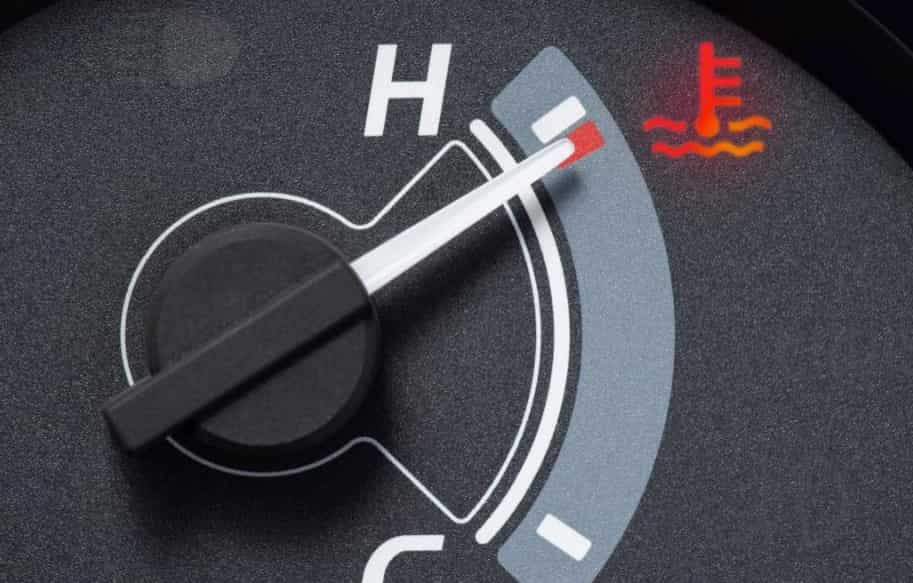
What Does “Volvo Engine Coolant Level Low” Mean?
The “Volvo Engine Coolant Level Low” warning appears when the vehicle detects that the coolant in the engine cooling system is not at the required level. The cooling system relies on coolant to absorb heat from the engine and transfer it to the radiator, where the heat gets released. When the coolant level drops too low, the system cannot regulate temperature properly. This increases the risk of engine overheating and long term damage.
In a Volvo vehicle, the system uses a coolant level sensor located in or near the reservoir tank. This sensor continuously monitors the amount of coolant available. If the level falls below the minimum mark, the dashboard displays a warning message. In some cases, the system may trigger the warning even if the reservoir looks normal. This can happen when the sensor fails or sends incorrect data.
Coolant itself is a mixture of antifreeze and water. It plays two important roles. It prevents the engine from overheating in hot conditions and prevents freezing in cold weather. It also protects internal metal parts from corrosion. When coolant becomes low, the engine loses its ability to maintain stable operating temperature.
There are two main situations behind this warning. The first situation is a real drop in coolant level caused by a leak or natural evaporation over time. The second situation is a false warning caused by a faulty sensor or electrical issue. Understanding the difference between these two situations is important because each requires a different solution.
When you see this warning, you should treat it as a serious signal from the vehicle. Even if the car still drives normally, the cooling system may already be under stress. Identifying the cause early helps prevent overheating and avoids expensive engine repairs.
Main Causes of “Volvo Engine Coolant Level Low”
The “Volvo Engine Coolant Level Low” warning appears when the cooling system loses coolant or when the system detects an abnormal reading. In most cases, the issue comes from an actual drop in coolant level, but it can also result from sensor or electrical faults.
A common cause is a coolant leak. Leaks often occur in the radiator, coolant hoses, or connection points between parts of the cooling system. Over time, heat and pressure can weaken rubber hoses and cause cracks. The radiator can also develop leaks due to corrosion or physical damage. When coolant escapes, the reservoir level drops and the warning appears on the dashboard.
A faulty water pump is another possible cause. The water pump circulates coolant through the engine to maintain stable temperature. If it fails or develops a seal problem, coolant may leak externally or circulation may become inefficient. This can lead to both low coolant levels and rising engine temperature.
In more serious cases, a head gasket failure can cause coolant to leak internally into the engine. This condition often leads to white exhaust smoke, engine overheating, and rapid coolant loss. It is a critical issue that requires immediate repair to avoid engine damage.
There are also situations where the warning is not caused by real coolant loss. A defective coolant level sensor can send incorrect readings to the system. Electrical connection issues can also interfere with data transmission. In these cases, the coolant level may be normal, but the warning still appears.
Identifying the correct cause is important because each issue requires a different repair approach. A visual inspection can help detect leaks, while persistent warnings without visible coolant loss often point to sensor or system faults.
Symptoms You Should Notice
When the Volvo Engine Coolant Level Low warning appears, the vehicle often shows additional symptoms that help you identify the severity of the problem. These signs usually relate to engine temperature and cooling system performance.
One of the most common symptoms is an increase in engine temperature. You may notice the temperature gauge moving higher than normal during driving. In some cases, the engine may start to overheat, especially in traffic or during long trips. This happens because the cooling system cannot circulate enough coolant to absorb and release heat properly.
Another clear sign is poor heater performance inside the cabin. The heating system uses engine coolant to generate warm air. When coolant levels drop, the heater may blow cooler air than usual or stop working effectively. This often appears in colder weather and becomes more noticeable during idle driving.
You may also notice visible coolant loss. The coolant reservoir level may drop below the minimum mark when you inspect it. In some cases, you might see small puddles under the car, especially after parking. These leaks often appear near the front of the vehicle where the radiator is located.
A more serious symptom is white smoke coming from the exhaust. This can indicate that coolant is entering the combustion chamber. It usually points to a head gasket issue and requires immediate attention.
In some cases, the warning appears without any visible symptoms. This often suggests a faulty sensor or electrical issue. However, you should still treat the warning seriously because the cooling system may already be under stress.
Is It Safe to Drive with “Volvo Engine Coolant Level Low”?
Driving with a “Volvo Engine Coolant Level Low” warning depends on how severe the underlying issue is. In all cases, this warning should not be ignored because it relates directly to engine temperature control. The cooling system protects the engine from overheating, so any failure increases risk.
If the coolant level is only slightly low and the engine temperature remains stable, you may be able to drive a short distance to a safe location or repair shop. However, you should avoid high speeds, heavy traffic, or long trips. You should also monitor the temperature gauge continuously during driving.
If the engine temperature starts to rise, you should stop driving immediately. Continuing to drive in this condition can cause rapid overheating. This can damage key components such as the radiator, water pump, and head gasket. Once these parts fail, repair costs increase significantly.
In some cases, the vehicle may enter a reduced power mode. This system limits engine performance to protect it from damage. Even in this mode, you should still avoid driving long distances and focus on getting the vehicle checked as soon as possible.
If you suspect a coolant leak or see visible coolant under the car, it is not safe to continue driving. The coolant level can drop quickly, and the engine may overheat without warning. In this situation, it is better to stop the engine and request roadside assistance.
A false warning from a faulty sensor is possible, but you should not assume it is safe without inspection. A quick check of the coolant reservoir and temperature level can help confirm the situation.
In summary, short-distance driving may be possible in minor cases, but any sign of overheating requires immediate action to prevent engine damage.
How to Fix “Volvo Engine Coolant Level Low”
Fixing the “Volvo Engine Coolant Level Low” warning starts with identifying the exact cause. You should never rely only on topping up coolant because the real issue may still exist in the system.
The first step is to check the coolant reservoir when the engine is cool. You should locate the minimum and maximum marks and confirm whether the coolant level is actually low. If the level is below the minimum line, you can refill it using the correct coolant type recommended for Volvo vehicles. Using the wrong coolant can reduce system efficiency and may cause long term damage.
After refilling, you should inspect the engine bay for visible leaks. Look at the radiator, hoses, and connection points. Small leaks often appear as wet spots, stains, or dried residue around joints. If you see coolant under the car after parking, it usually confirms a leak in the system.
If the coolant level continues to drop after refilling, the problem is likely mechanical. Common repair areas include the radiator, coolant hoses, or water pump. These components may need replacement if they are cracked, worn, or damaged. Ignoring a leak will cause repeated warnings and increase the risk of engine overheating.
In cases where no leak is visible but the warning remains, the issue may come from the coolant level sensor. A faulty sensor can send incorrect readings to the dashboard. Replacing or recalibrating the sensor can resolve the problem.
After any repair or refill, it is important to monitor the temperature gauge during driving. If the engine temperature remains stable and no warning returns, the issue is likely resolved. If the warning persists, a full diagnostic scan is recommended to identify hidden faults in the cooling system.
How to Prevent “Volvo Engine Coolant Level Low” Issues
Preventing the “Volvo Engine Coolant Level Low” warning starts with maintaining a healthy cooling system over time. The cooling system works under constant heat and pressure, so small issues can gradually develop into leaks or performance problems if not checked regularly.
One of the most important steps is to check the coolant level periodically. You should inspect the coolant reservoir when the engine is cold and ensure the level stays between the minimum and maximum marks. This simple habit helps you detect early coolant loss before it becomes a serious issue.
You should also use the correct coolant type specified for Volvo engines. Different vehicles require different coolant formulations, and using the wrong mixture can reduce cooling efficiency or damage internal components. A proper antifreeze and water balance also helps protect the engine in both hot and cold conditions.
Regular inspection of hoses and the radiator is also important. Over time, rubber hoses can become brittle and crack due to heat exposure. The radiator may also develop corrosion or small leaks. Early detection allows you to replace parts before they fail completely.
Scheduled maintenance plays a key role as well. During service intervals, technicians can pressure-test the cooling system to identify hidden leaks. They can also check the water pump and coolant sensor to ensure they are functioning correctly.
Finally, you should pay attention to early warning signs such as slight temperature changes or unusual smells. Addressing these signals early helps prevent unexpected breakdowns and reduces repair costs.
Consistent maintenance ensures the cooling system stays stable and helps avoid repeated coolant level warnings in the future.
Conclusion
The “Volvo Engine Coolant Level Low” warning is an important signal that the engine cooling system is not operating at an optimal level. It usually appears when the coolant level drops below the safe threshold, but it can also result from leaks, component failures, or sensor issues. Because the cooling system plays a direct role in regulating engine temperature, any disruption can quickly lead to overheating and potential engine damage.
Throughout this guide, you have learned what the warning means, what causes it, and what symptoms to look for during driving. You also understand that the issue can range from a simple coolant top up to more serious mechanical problems such as radiator leaks, water pump failure, or head gasket damage. Identifying the correct cause early is essential to avoid unnecessary repair costs and prevent long term engine issues.
You now also know that driving with this warning requires caution. In minor cases, short distance driving may be possible, but any sign of rising engine temperature should be treated as urgent. Immediate inspection or stopping the vehicle can prevent severe damage.
Proper maintenance is the most effective way to avoid this warning in the future. Regular coolant checks, correct fluid usage, and timely inspection of the cooling system help keep the engine stable and reliable over time.
If the warning appears repeatedly or you are unsure about the cause, a professional diagnostic check is the safest solution. This ensures the cooling system remains in good condition and protects your Volvo engine from avoidable damage.