A timing belt failure can turn a reliable Toyota Tundra into a costly nightmare within seconds. Many truck owners assume their Tundra is built to last forever with minimal maintenance, only to discover too late that ignoring the timing belt replacement interval may lead to catastrophic engine damage and repair bills worth thousands of dollars.
One of the biggest challenges for Toyota Tundra owners is understanding which model years use a timing belt and which use a timing chain. The answer varies depending on the engine and production year, creating confusion for drivers trying to follow the correct maintenance schedule. Some older Tundra models require timing belt replacement every 90,000 miles, while newer generations use timing chains designed for longer service life.
Unfortunately, many owners delay this maintenance because the truck still feels perfectly fine. The problem is that timing belts often fail without major warning signs. A broken timing belt can leave you stranded on the road, damage internal engine components, and create repair costs far higher than preventive maintenance.
In this guide, you will learn the Toyota Tundra timing belt replacement interval by year, how different engines affect maintenance requirements, warning signs to watch for, replacement cost expectations, and practical tips to help your truck stay reliable for hundreds of thousands of miles.
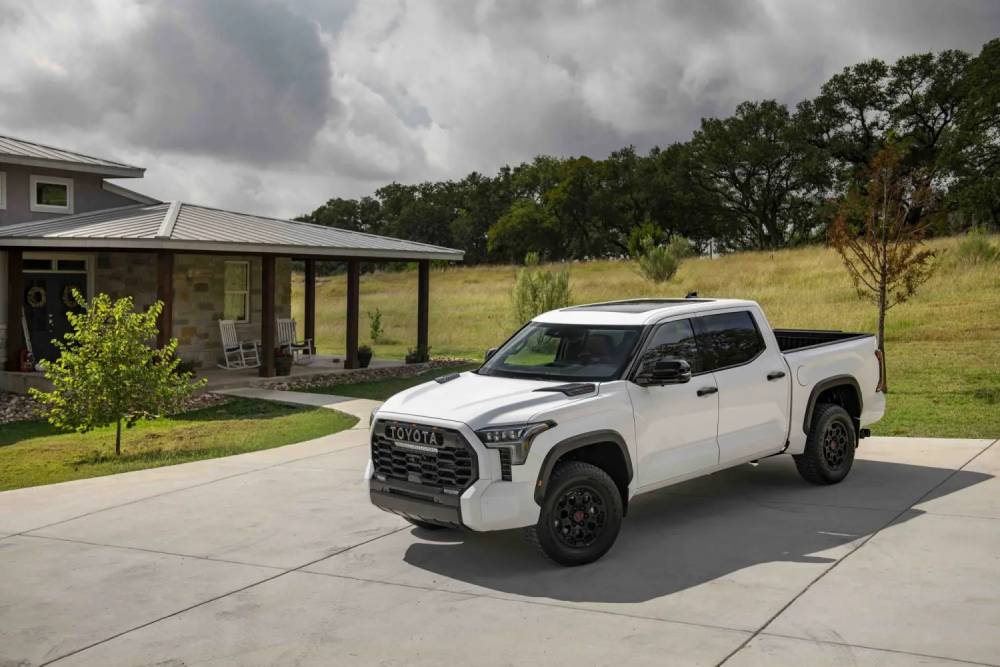
Does Your Toyota Tundra Have a Timing Belt or Timing Chain?
Before discussing the Toyota Tundra timing belt replacement interval by year, it is important to understand whether your truck uses a timing belt or a timing chain. Many owners confuse the two systems, but they have very different maintenance requirements and long term costs.
A timing belt is made from reinforced rubber and is designed to synchronize the crankshaft and camshaft inside the engine. Because rubber naturally wears out over time, timing belts require scheduled replacement at specific mileage intervals. Ignoring this maintenance can eventually lead to belt failure and severe engine damage.
A timing chain performs the same function but is built from metal. Timing chains are generally more durable and often last much longer than timing belts. However, they are not completely maintenance free. Poor oil maintenance, excessive engine wear, or lack of lubrication can still create timing chain problems over time.
Older Toyota Tundra models equipped with the 4.7L V8 engine used a timing belt system. These trucks typically require timing belt replacement every 90,000 miles or around every 7 to 9 years depending on driving conditions. Owners who frequently tow heavy loads, drive in extreme temperatures, or use their trucks for off road activities may need earlier inspection and replacement.
Starting with the second generation Toyota Tundra, many engine configurations transitioned to timing chains. This change reduced regular maintenance requirements and improved long term durability for many owners. However, confusion still exists because different trims and production years may have different engine setups.
Understanding whether your Toyota Tundra has a timing belt or timing chain is one of the most important steps in preventing expensive engine repairs. Checking your owner’s manual, VIN information, or engine code can help confirm the correct maintenance schedule for your truck.
Toyota Tundra Timing Belt Replacement Interval by Year
Toyota Tundra timing belt replacement intervals vary depending on the model year and engine type. Some trucks require strict replacement schedules, while newer models with timing chains follow a different maintenance philosophy. Knowing the correct interval for your specific Tundra can help you avoid unexpected breakdowns and major repair expenses.
2000 to 2004 Toyota Tundra
Early Toyota Tundra models equipped with the 4.7L 2UZ FE V8 engine use a timing belt system. Toyota generally recommends replacing the timing belt every 90,000 miles. Many mechanics also suggest replacement around the 7 year mark even if the mileage is lower because rubber components naturally deteriorate with age.
These older trucks are known for excellent reliability, but neglected timing belt maintenance remains one of the biggest risks. Owners who purchase used Tundras from private sellers often do not know whether the timing belt was previously replaced, making immediate inspection extremely important.
2005 to 2006 Toyota Tundra
The 2005 and 2006 Toyota Tundra models continued using the 4.7L V8 timing belt setup. The recommended replacement interval remained approximately 90,000 miles.
Many repair shops recommend replacing the water pump, tensioner, and idler pulleys at the same time. Since these components are located behind the timing cover, replacing everything together helps reduce future labor costs and improves long term reliability.
Drivers who regularly tow trailers, carry heavy payloads, or operate in harsh climates may experience faster belt wear. In these situations, earlier inspection is highly recommended.
2007 to 2021 Toyota Tundra
Toyota introduced major changes with the second generation Tundra lineup. Many engines during this period transitioned to timing chain systems instead of traditional timing belts.
Timing chains generally last significantly longer and often do not require scheduled replacement under normal driving conditions. However, they still depend heavily on proper oil maintenance. Dirty oil, sludge buildup, or neglected oil changes can accelerate timing chain wear and create expensive repair problems later.
Although timing chains reduce maintenance anxiety for many owners, regular engine inspections remain important, especially on high mileage trucks.
2022 to Present Toyota Tundra
The newest Toyota Tundra generation introduced the twin turbocharged V6 engine platform. These modern engines continue using advanced timing chain systems designed for durability and efficiency.
Toyota does not currently specify routine timing chain replacement intervals for these newer models. Instead, owners should focus on maintaining proper oil change schedules and monitoring for unusual engine noises, startup rattles, or warning lights that could indicate timing system wear.
Modern Tundras offer improved performance, fuel economy, and towing capability, but they also contain more complex engine technology. Preventive maintenance remains essential for protecting long term reliability.
Recommended Timing Belt Replacement Mileage
For Toyota Tundra models equipped with timing belts, the most commonly recommended replacement interval is every 90,000 miles. Some mechanics may recommend inspection earlier depending on age, climate, and driving habits.
Mileage alone does not tell the full story. Even low mileage trucks can develop timing belt deterioration over time because rubber components naturally dry out and crack. A Tundra that has spent years sitting unused may still require timing belt replacement despite having relatively low odometer readings.
Driving conditions also play a major role in timing belt lifespan. Trucks used for towing, off road driving, heavy hauling, or frequent stop and go traffic often place additional stress on engine components. High heat environments can accelerate belt wear even faster.
One of the biggest mistakes owners make is delaying timing belt replacement to save money. Since the truck may continue driving normally without obvious symptoms, many drivers assume the belt is still safe. Unfortunately, timing belts often fail suddenly without major warning signs.
Preventive replacement costs are far lower than rebuilding or replacing a damaged engine. Staying ahead of the recommended maintenance interval is one of the smartest investments Toyota Tundra owners can make to protect long term reliability and resale value.
Warning Signs Your Toyota Tundra Timing Belt Needs Replacement
One of the most dangerous aspects of timing belt wear is that many failures happen with little or no warning. However, there are still several symptoms Toyota Tundra owners should never ignore. Recognizing these signs early can help prevent expensive engine damage and unexpected breakdowns.
A ticking or clicking noise coming from the engine is one of the most common warning signs. As the timing belt wears out, tension may become uneven, creating unusual sounds during startup or acceleration. Some drivers notice the noise becomes louder in cold weather or after long highway trips.
Engine misfires can also indicate timing belt problems. If the belt begins slipping on the camshaft gears, engine timing becomes inconsistent. This can lead to rough idling, hesitation during acceleration, reduced fuel efficiency, and noticeable performance loss.
Difficulty starting the engine is another major red flag. A worn timing belt may prevent the camshaft and crankshaft from staying perfectly synchronized, causing hard starts or complete no start situations.
Oil leaks near the timing cover should also be taken seriously. Leaking oil can contaminate the timing belt and accelerate deterioration. Over time, oil soaked belts become weaker and more likely to fail unexpectedly.
In some cases, drivers may notice visible cracking, fraying, or glazing on the belt during inspection. However, waiting for visible damage is risky because internal belt wear is often impossible to see from the outside.
The check engine light may also appear if engine timing becomes inconsistent. While many different issues can trigger warning lights, timing related trouble codes should never be ignored.
Perhaps the most dangerous misconception is assuming there will always be obvious symptoms before failure. Many Toyota Tundra timing belts break without major warning signs at all. This is why following the recommended replacement interval remains far safer than waiting for problems to appear.
What Happens If You Ignore Timing Belt Replacement?
Ignoring Toyota Tundra timing belt replacement intervals can lead to some of the most expensive engine repairs a truck owner may ever face. While delaying maintenance may seem like a way to save money in the short term, the long term consequences can be financially devastating.
When a timing belt breaks, the camshaft and crankshaft immediately lose synchronization. In some engines, this can allow internal components such as valves and pistons to collide at high speed. Even a single moment of contact may bend valves, damage pistons, crack cylinder heads, or destroy the engine entirely.
The situation becomes even worse if the belt fails while driving at highway speeds or towing heavy loads. Sudden engine shutdown can leave drivers stranded in dangerous traffic situations or remote areas far from assistance.
Repair costs after catastrophic timing belt failure can easily reach several thousand dollars. In severe cases, complete engine replacement may be more economical than rebuilding the damaged engine. What could have been a preventive maintenance service costing a fraction of that amount suddenly becomes a major financial burden.
Even if the engine survives without internal damage, towing charges, emergency labor rates, rental vehicles, and lost time can quickly add up. Many owners regret postponing timing belt service once they realize how much more expensive the aftermath becomes.
For used Toyota Tundra buyers, unknown maintenance history creates additional risk. If there is no documented proof of timing belt replacement on older 4.7L models, many mechanics recommend replacing the belt immediately for peace of mind.
Toyota Tundras are known for exceptional longevity, with many trucks surpassing 300,000 miles. However, that reputation depends heavily on preventive maintenance. Replacing the timing belt on schedule remains one of the most important steps in protecting the engine and preserving the truck’s long term reliability.
Toyota Tundra Timing Belt Replacement Cost
Toyota Tundra timing belt replacement costs can vary significantly depending on the model year, engine type, labor rates, and whether additional components are replaced at the same time. For most older Tundra models equipped with the 4.7L V8 engine, owners can typically expect total replacement costs between $700 and $1,500.
Labor represents a large portion of the expense because accessing the timing belt requires removing multiple engine components. Depending on the repair shop and region, labor alone may range from $400 to $900. Dealerships usually charge more than independent repair shops, although some owners prefer dealership technicians for specialized Toyota experience.
Parts costs also vary based on whether genuine OEM components or aftermarket kits are used. Basic timing belt kits generally include the belt itself along with tensioners and pulleys. Higher quality kits often include the water pump, seals, and additional hardware recommended during replacement.
Many mechanics strongly encourage replacing the water pump during timing belt service because both components are located in the same area of the engine. Since labor overlap is significant, replacing the water pump later would require paying for much of the same labor twice.
DIY replacement can reduce costs substantially for experienced owners with the correct tools and mechanical knowledge. However, timing belt installation requires precision. Incorrect alignment may cause severe engine damage or poor engine performance. For many drivers, professional installation provides greater peace of mind despite the higher upfront cost.
Although timing belt replacement is not cheap, it remains far less expensive than repairing engine damage caused by belt failure. Many Toyota Tundra owners view this service as an investment in long term reliability rather than simply another maintenance expense.
Should You Replace the Water Pump at the Same Time?
One of the most common questions Toyota Tundra owners ask during timing belt service is whether the water pump should also be replaced at the same time. Most experienced mechanics strongly recommend doing both together, especially on older 4.7L V8 models.
The main reason is labor efficiency. Accessing the timing belt requires removing several components located at the front of the engine, including covers, pulleys, and accessory parts. Since the water pump sits in the same area, replacing it during timing belt service adds relatively little additional labor compared to performing the job separately later.
Water pumps naturally wear out over time due to constant heat cycles and coolant circulation. Bearings can fail, seals may leak, and coolant flow efficiency can gradually decrease. Even if the water pump appears functional during inspection, many owners choose preventive replacement to avoid future breakdowns.
A failing water pump can cause coolant leaks, engine overheating, and severe engine damage if ignored for too long. Overheating is especially dangerous for trucks used for towing, hauling, or long distance driving in hot climates.
Many complete timing belt kits already include a new water pump, making bundled replacement more cost effective. Replacing everything together also gives owners peace of mind knowing the entire front engine service has been completed at once.
Another important factor is future labor cost savings. If the water pump fails shortly after timing belt replacement, much of the same disassembly work must be repeated. This means paying hundreds of dollars in labor costs all over again.
For Toyota Tundra owners planning to keep their trucks long term, replacing the timing belt, water pump, tensioners, pulleys, and seals together is often considered the smartest maintenance strategy.
DIY vs Professional Timing Belt Replacement
Some Toyota Tundra owners consider replacing the timing belt themselves to save money, while others prefer the security of professional installation. Both options have advantages and risks depending on mechanical experience, available tools, and confidence level.
DIY timing belt replacement can significantly reduce labor expenses. Skilled owners with automotive repair experience may complete the job for the cost of parts and specialized tools alone. Online tutorials, repair manuals, and video guides have also made advanced repairs more accessible than ever before.
However, timing belt replacement is not a beginner level repair. The process requires precise alignment of engine timing marks, careful torque specifications, and accurate installation procedures. Even a small mistake can create serious engine performance problems or catastrophic internal damage.
Accessing the timing belt assembly often involves removing accessory belts, cooling components, crankshaft pulleys, timing covers, and various engine brackets. Some bolts may be extremely tight or difficult to reach without professional equipment.
Another challenge is identifying additional wear during disassembly. Experienced technicians can often recognize failing pulleys, leaking seals, or worn tensioners before they create future problems. DIY mechanics may overlook these issues unintentionally.
Professional repair shops provide expertise, specialized tools, and warranty protection. Although labor costs are higher, many owners value the confidence that the job was completed correctly. This becomes especially important for drivers who rely on their Toyota Tundra for daily commuting, towing, work duties, or long road trips.
For highly experienced DIY enthusiasts, timing belt replacement can be a rewarding project and an opportunity to save money. For less experienced owners, professional service is usually the safer choice and may ultimately reduce the risk of expensive mistakes.
Conclusion
Understanding the Toyota Tundra timing belt replacement interval by year is essential for protecting your truck’s reliability and avoiding major repair costs. While older Tundra models equipped with the 4.7L V8 engine require scheduled timing belt replacement, newer generations use timing chains designed for longer service life.
For timing belt equipped models, most experts recommend replacement around every 90,000 miles or according to the manufacturer’s maintenance schedule. Delaying this service may seem harmless when the truck is still running smoothly, but timing belt failure can happen suddenly and lead to catastrophic engine damage.
Preventive maintenance is always more affordable than emergency repairs. Replacing the timing belt before problems appear helps protect the engine, maintain performance, and extend the lifespan Toyota Tundra trucks are famous for.
Owners should also remember that maintenance history matters greatly when buying a used Tundra. If there is no documentation confirming previous timing belt replacement, scheduling inspection or replacement immediately can prevent costly surprises later.
Whether you choose professional installation or a carefully planned DIY approach, staying proactive with timing belt maintenance is one of the best investments you can make for your truck. A properly maintained Toyota Tundra can deliver dependable performance for hundreds of thousands of miles, but only if critical maintenance items are not ignored.
Checking your truck’s model year, engine type, and service records today could save you from major breakdowns tomorrow.