A properly charged air conditioning system keeps your Toyota RAV4 cool, protects key AC components, and improves driving comfort in every season. Many drivers believe refrigerant naturally runs out over time. In reality, a sealed AC system can hold refrigerant for many years. If cooling performance drops, a refrigerant leak or a faulty AC component is usually the real cause.
A Toyota RAV4 AC recharge restores the correct refrigerant level inside the air conditioning system. The refrigerant absorbs heat from the cabin and releases it outside the vehicle. This process allows the compressor, condenser, evaporator, and expansion valve to operate efficiently. However, each Toyota RAV4 model year requires a specific refrigerant type and an exact refrigerant capacity. Using the wrong refrigerant or adding too much can reduce cooling performance and damage the compressor.
This guide explains everything you need to know about Toyota RAV4 AC recharge by model year. You will learn when your vehicle needs a recharge, which refrigerant it uses, and how much refrigerant the system requires. You will also discover the correct recharge procedure, common mistakes to avoid, and the most likely reasons the AC still blows warm air after a recharge.
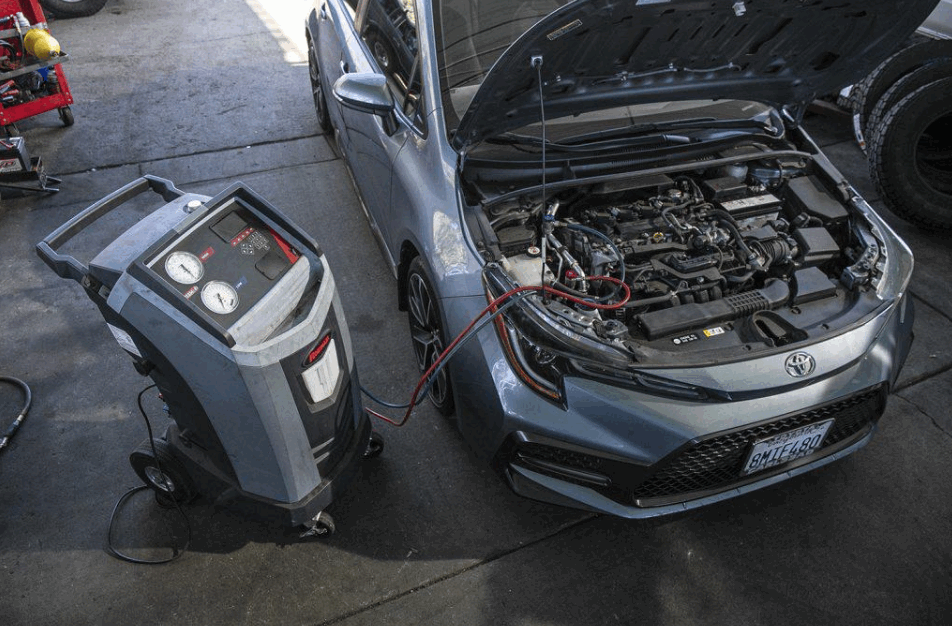
What Is a Toyota RAV4 AC Recharge?
A Toyota RAV4 AC recharge restores the correct amount of refrigerant inside the air conditioning system. Refrigerant transfers heat from the cabin to the outside air, allowing the system to produce cold air. When the refrigerant level drops below the manufacturer’s specification, the air conditioner loses cooling efficiency and the compressor works harder to maintain the desired temperature.
An AC recharge does not repair the air conditioning system. Instead, it replaces the missing refrigerant after a technician confirms the system remains in good condition. In most cases, refrigerant only becomes low because a leak develops somewhere in the sealed system. Common leak locations include the condenser, compressor seals, service ports, and refrigerant hoses. Simply adding more refrigerant without identifying the leak only provides a temporary improvement.
Toyota has equipped different RAV4 generations with different refrigerants. Most models produced before 2019 use R-134a, while newer models use R-1234yf. Each refrigerant has unique chemical properties and requires dedicated service equipment. Mixing refrigerants can contaminate the entire AC system, reduce cooling performance, and increase repair costs. For this reason, you should always verify the refrigerant type before connecting any recharge equipment.
A proper Toyota RAV4 AC recharge follows more than one simple step. The technician first checks system pressure, inspects for leaks, and confirms the refrigerant type. If the system passes these checks, the correct refrigerant amount is added according to Toyota’s factory specification. This process restores cooling performance while helping protect the compressor, condenser, and other air conditioning components from unnecessary wear.
When Does a Toyota RAV4 Need an AC Recharge?
A Toyota RAV4 needs an AC recharge when the refrigerant level falls below the factory specification. Low refrigerant reduces the system’s ability to absorb and release heat, causing the air conditioner to blow warmer air than expected. In most cases, refrigerant loss results from a leak rather than normal use because the AC system is designed as a sealed unit.
Weak airflow is not always a sign of low refrigerant, but poor cooling often is. You may notice that the cabin takes much longer to cool on hot days. The air coming from the vents may feel cool instead of cold, even when you select the lowest temperature. In some cases, the compressor cycles on and off more frequently because low refrigerant changes the system pressure. As a result, cooling performance becomes inconsistent, especially during heavy traffic or while the vehicle is idling.
You should never recharge the system based only on cooling performance. A proper diagnosis helps identify the real cause before adding refrigerant. A technician usually checks both the low-side and high-side pressures, inspects the AC components for leaks, and confirms the refrigerant type. Many repair shops also use UV dye or an electronic leak detector to locate small refrigerant leaks that are difficult to see.
An AC recharge is not the correct solution if another component has failed. A worn compressor, a blocked condenser, a faulty expansion valve, or a damaged cooling fan can produce symptoms similar to low refrigerant. Recharging the system without repairing these problems only increases repair costs and may cause additional damage. For the best long-term results, always fix the underlying fault before restoring the refrigerant to the specified capacity.
Which Refrigerant Does Each Toyota RAV4 Model Year Use?
Toyota has used two refrigerant types across the RAV4 lineup. Most models from 1996 through 2018 use R-134a, while 2019 and newer models use R-1234yf. Before recharging the system, always confirm the correct refrigerant for your vehicle. Using the wrong product can reduce cooling performance, contaminate service equipment, and damage expensive AC components.
R-134a became the industry standard for many years because it delivered reliable cooling and remained easy to service. However, it has a higher global warming potential than modern alternatives. As environmental regulations became stricter, Toyota adopted R-1234yf for newer RAV4 models. This refrigerant offers similar cooling performance while producing a much lower environmental impact. Although both refrigerants serve the same purpose, they are not interchangeable.
You can identify the correct refrigerant by checking the information label under the hood. Toyota places this label near the radiator support or the engine compartment. It lists the refrigerant type, the factory charge amount, and other important service specifications. Always follow these values instead of relying on estimates or information from another model year.
Never mix R-134a and R-1234yf in the same air conditioning system. Each refrigerant requires different service fittings, recovery equipment, and compressor oil. Mixing them changes the system’s operating pressure and can shorten compressor life. In addition, contaminated refrigerant often requires a complete system evacuation and professional cleaning before the AC can operate safely again. Verifying the refrigerant type before starting the recharge is one of the simplest ways to prevent costly repairs.
The table below summarizes the refrigerant used by each Toyota RAV4 generation. In the next section, you will find the exact refrigerant capacity for each model year to ensure an accurate AC recharge.
Toyota RAV4 Refrigerant Capacity by Model Year
Using the correct refrigerant capacity is just as important as selecting the right refrigerant type. Every Toyota RAV4 air conditioning system is designed to operate with a specific refrigerant charge. Too little refrigerant reduces cooling performance and forces the compressor to work harder. Too much refrigerant increases system pressure, decreases cooling efficiency, and may shorten the life of major AC components.
Toyota determines the refrigerant capacity during vehicle development to achieve the best balance between cooling performance, compressor lubrication, and system pressure. Even a small difference from the factory specification can affect how efficiently the air conditioner removes heat from the cabin. For this reason, professional technicians always recharge the system by weight instead of estimating the amount from pressure readings alone.
The easiest way to confirm the correct refrigerant capacity is to check the underhood refrigerant label or the Toyota service manual for your exact model year. If those resources are unavailable, the reference table below provides a general guide for most Toyota RAV4 models. Always verify the specification before servicing your vehicle because capacity may vary slightly depending on trim level, engine option, or regional market.
| Model Year | Refrigerant Type | Approximate Capacity |
|---|---|---|
| 1996–2000 | R-134a | 700–750 g |
| 2001–2005 | R-134a | 480–550 g |
| 2006–2012 | R-134a | 500–550 g |
| 2013–2018 | R-134a | 470–520 g |
| 2019–2026 | R-1234yf | 430–500 g |
These values provide a helpful reference for most maintenance procedures. However, the factory specification for your exact vehicle should always take priority. Charging the system with the correct refrigerant type and the exact capacity helps restore maximum cooling performance, maintains proper compressor lubrication, and reduces the risk of expensive air conditioning repairs in the future.
How Do You Recharge a Toyota RAV4 AC System?
Recharging a Toyota RAV4 AC system requires the correct equipment, the proper refrigerant, and an accurate charging procedure. Skipping any step can reduce cooling performance or damage the air conditioning system. Before you begin, confirm the refrigerant type and factory charge amount for your specific model year. You should also inspect the system for visible damage and repair any refrigerant leaks before adding new refrigerant.
Start by connecting a manifold gauge set to the low-pressure and high-pressure service ports. Next, measure the system pressure with the engine off and again with the air conditioner running. Abnormal pressure readings often indicate a refrigerant leak, a restriction, or a faulty compressor. If the system has been opened for repairs or contains little refrigerant, recover any remaining refrigerant and pull a vacuum for at least 30 minutes. This step removes moisture and air that could reduce cooling efficiency or damage internal components.
After the vacuum holds steady, recharge the system with the exact refrigerant amount specified by Toyota. Professional technicians use a refrigerant scale because charging by weight provides the highest level of accuracy. During the recharge, monitor both pressure gauges and check the vent temperature inside the cabin. The compressor should engage smoothly, and the vent temperature should continue to decrease as the refrigerant reaches the correct level.
Once the recharge is complete, inspect the entire AC system for leaks and verify stable operating pressure. Drive the vehicle for several minutes with the air conditioner running to confirm consistent cooling performance. If the system still blows warm air or the pressure readings remain abnormal, another mechanical or electrical problem is likely present. In that situation, diagnosing the underlying fault is more effective than adding additional refrigerant.
What Mistakes Should You Avoid During an AC Recharge?
Many air conditioning problems become more expensive because the recharge process starts before the system is properly diagnosed. Although adding refrigerant appears simple, several common mistakes can reduce cooling performance or damage expensive components. Understanding these mistakes helps protect the Toyota RAV4 air conditioning system and ensures a longer service life.
One of the most common mistakes is recharging the system without checking for refrigerant leaks. The AC system is sealed, so refrigerant does not disappear under normal conditions. If the refrigerant level is low, a leak usually exists somewhere in the system. Adding more refrigerant without repairing the leak only restores cooling for a short time. The refrigerant will eventually escape again, and the compressor may suffer additional wear because it operates with an incorrect charge.
Another frequent mistake is using the wrong refrigerant. Earlier Toyota RAV4 models require R-134a, while newer models use R-1234yf. These refrigerants have different chemical properties, service fittings, and compressor oil requirements. They should never be mixed. Using the incorrect refrigerant can contaminate the AC system and require a complete evacuation before the vehicle can be serviced correctly.
Many vehicle owners also recharge the system based only on pressure readings or by using a single low-side gauge. Pressure alone cannot determine the correct refrigerant charge because ambient temperature, humidity, and compressor operation all affect gauge readings. Professional technicians recharge the system by weight using a calibrated refrigerant scale. This method delivers the exact factory-specified charge and produces more consistent cooling performance.
Overcharging the system is another costly mistake. Extra refrigerant does not create colder air. Instead, it raises operating pressure and forces the compressor to work harder. High pressure can reduce cooling efficiency, increase compressor load, and shorten the life of seals, hoses, and other AC components. Undercharging creates similar problems because insufficient refrigerant reduces lubrication inside the compressor.
Finally, many people skip the evacuation process after opening the AC system. Air and moisture trapped inside the refrigerant lines reduce cooling efficiency and can react with refrigerant and compressor oil to form corrosive acids. Pulling a proper vacuum before recharging removes unwanted moisture and confirms that the system can hold pressure. This final check improves reliability and helps prevent repeat repairs after the recharge is complete.
How Much Does a Toyota RAV4 AC Recharge Cost?
The cost of a Toyota RAV4 AC recharge depends on the refrigerant type, the amount of refrigerant required, and whether the system needs additional repairs. A simple recharge usually costs much less than a service that includes leak detection or component replacement. Before comparing prices, confirm whether your RAV4 uses R-134a or R-1234yf because the newer refrigerant is generally more expensive.
Owners of older RAV4 models with R-134a typically pay less for a standard recharge. Most independent repair shops charge between $120 and $220, depending on labor rates and the amount of refrigerant added. If the technician performs a leak inspection or evacuates the system before recharging, the total cost may increase. However, these additional steps help ensure the repair lasts instead of providing only temporary cooling.
Newer Toyota RAV4 models equipped with R-1234yf usually cost more to service. This refrigerant requires dedicated recovery equipment and has a higher market price. As a result, a professional recharge commonly ranges from $220 to $450. The final invoice may also include diagnostic fees if the technician needs to identify a refrigerant leak, test the compressor, or inspect electrical components before completing the recharge.
Some owners choose a DIY recharge kit to reduce maintenance costs. A basic R-134a recharge kit often costs between $40 and $80, making it an affordable option for older vehicles. However, DIY kits measure only low-side pressure and cannot recover refrigerant or evacuate the system. They also cannot confirm the exact refrigerant charge. Because of these limitations, a DIY recharge is suitable only when the system is in good condition and has lost a small amount of refrigerant.
An unusually low service price should be viewed with caution. A quality AC recharge includes pressure testing, refrigerant recovery when necessary, vacuum evacuation, accurate charging by weight, and a final performance check. Paying for a complete diagnostic procedure often saves money over time because it prevents repeat recharges and reduces the risk of compressor failure caused by an undetected leak.
Conclusion
A Toyota RAV4 AC recharge restores cooling performance only when the system contains the correct refrigerant type and the exact factory-specified charge. Before adding refrigerant, always confirm whether your vehicle uses R-134a or R-1234yf and inspect the system for leaks. Recharging a leaking system without making repairs only provides temporary relief and may increase the risk of compressor damage.
Following the correct service procedure is equally important. A complete recharge includes pressure testing, refrigerant recovery when necessary, vacuum evacuation, accurate charging by weight, and a final performance check. These steps help maintain proper system pressure, improve cabin cooling, and extend the life of expensive air conditioning components.
Whether you plan to recharge the system yourself or visit a professional repair shop, understanding your Toyota RAV4’s refrigerant requirements helps you make better maintenance decisions. Using the correct refrigerant, following Toyota’s specifications, and addressing problems early will keep the air conditioning system operating efficiently for years to come.