A properly working air conditioning system keeps your Honda Civic comfortable in every season. When the AC blows warm air, makes unusual noises, or produces weak airflow, it signals a problem that needs attention. Identifying the cause early helps prevent expensive repairs. It also protects major components such as the compressor, condenser, and evaporator from further damage.
Honda Civic air conditioner problems develop for many reasons. A refrigerant leak can reduce cooling performance over time. A failed compressor clutch or electrical fault can stop the system without warning. Although these problems may produce similar symptoms, each one requires a different repair. Accurate diagnosis saves time, reduces repair costs, and prevents unnecessary part replacement.
This guide explains the most common Honda Civic air conditioner problems and their causes. You will learn how to recognize early warning signs, perform basic inspections, and understand common repair options. The article also covers maintenance practices that improve cooling performance and extend the service life of the entire HVAC system.
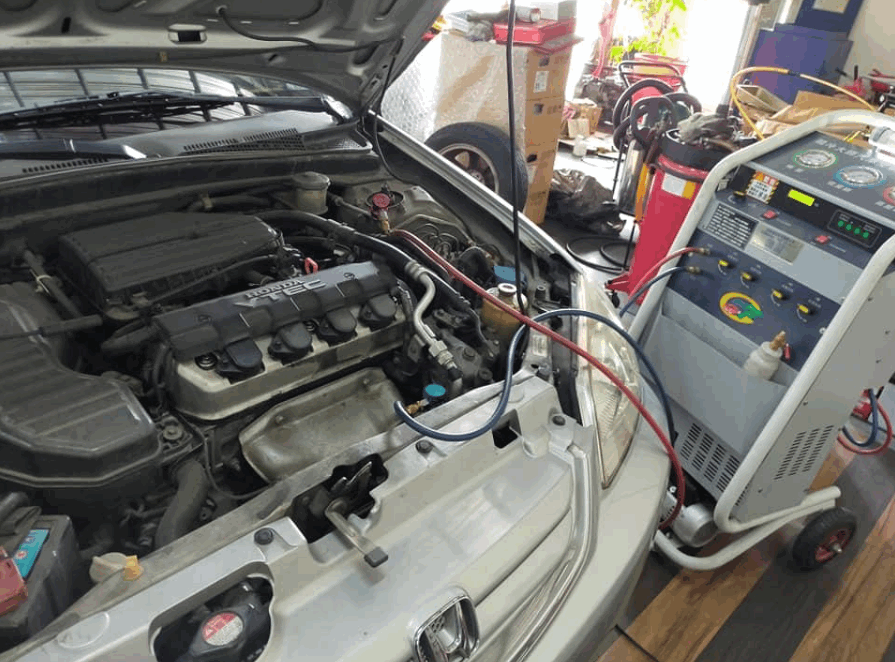
What Are the Most Common Honda Civic Air Conditioner Problems?
Honda Civic air conditioner problems usually appear as noticeable changes in cooling performance, airflow, or system operation. Most issues start with mild symptoms before becoming more serious. Recognizing these warning signs early helps prevent costly repairs and reduces the risk of damage to the compressor or other HVAC components.
Warm air blowing from the vents is the most common complaint among Honda Civic owners. This problem often occurs when the refrigerant level drops, the compressor fails to engage, or the condenser cannot release heat efficiently. In some cases, a faulty cooling fan also prevents the refrigerant from cooling properly, causing the cabin temperature to remain high even when the AC is set to its lowest temperature.
Weak airflow is another frequent symptom. A clogged cabin air filter restricts the amount of air entering the cabin and reduces cooling efficiency. Dirt inside the evaporator or a failing blower motor can create the same effect. Although the air may still feel cold, limited airflow prevents the system from cooling the interior effectively, especially during hot weather.
Some Honda Civic models also experience intermittent cooling. The air conditioner may work normally for several minutes before blowing warm air unexpectedly. This behavior often points to an overheating compressor, a defective compressor clutch, or an electrical problem affecting the HVAC system. Drivers may notice that the cooling performance improves again after the vehicle has been parked for a short time.
Unusual sounds provide another important clue. Clicking noises may indicate a worn compressor clutch, while grinding or squealing sounds often suggest internal compressor damage. A musty odor from the vents usually develops when moisture allows mold or bacteria to grow on the evaporator. Water leaking onto the passenger-side floor can also indicate a blocked evaporator drain tube. Identifying these symptoms early allows technicians to diagnose the correct fault before additional components fail.
Why Does a Honda Civic Air Conditioner Stop Cooling Properly?
A Honda Civic air conditioner stops cooling properly when one or more components can no longer maintain the correct refrigerant pressure or heat transfer process. Although the system may still operate, even a small fault can reduce cooling efficiency and cause warm air to blow through the vents. Finding the root cause is essential because different failures often produce similar symptoms.
Low refrigerant is one of the most common reasons for poor cooling performance. The refrigerant absorbs heat inside the evaporator and releases it through the condenser. When the refrigerant level drops below the recommended specification, the system cannot remove enough heat from the cabin. In most cases, refrigerant does not disappear naturally. A low charge usually indicates a leak in the hose, condenser, evaporator, or compressor seals that should be repaired before the system is recharged.
A failing AC compressor can also prevent the system from producing cold air. The compressor circulates refrigerant throughout the entire air conditioning system. Internal wear, a damaged compressor clutch, or contaminated refrigerant may reduce its ability to build pressure. As a result, the AC may cool poorly, cycle on and off repeatedly, or stop cooling altogether.
Heat exchange problems create another common cause of cooling failure. A condenser blocked by dirt, road debris, or damaged cooling fins cannot release heat efficiently. Likewise, a dirty evaporator restricts heat absorption inside the cabin. Electrical faults can produce similar results. A blown fuse, faulty relay, defective pressure switch, or malfunctioning cooling fan may interrupt normal AC operation even when the mechanical components remain in good condition.
Accurate diagnosis should always focus on the entire HVAC system instead of replacing individual parts based on symptoms alone. Measuring refrigerant pressure, inspecting visible components, and testing electrical circuits help identify the actual fault. This approach reduces unnecessary repair costs and restores the Honda Civic air conditioning system more effectively.
How Can You Diagnose Honda Civic Air Conditioner Problems?
Diagnosing Honda Civic air conditioner problems begins with identifying the symptoms before replacing any components. A systematic inspection saves time, reduces repair costs, and helps locate the actual fault. Since several HVAC components work together, similar symptoms can result from different mechanical or electrical failures.
Start by checking the cooling performance at the air vents. If the air feels warm or only slightly cool, inspect the compressor while the engine is running and the AC is switched on. The compressor clutch should engage smoothly without excessive noise or vibration. At the same time, verify that both radiator cooling fans operate correctly because insufficient airflow across the condenser can significantly reduce cooling efficiency.
Next, inspect the visible components for signs of damage or leakage. Refrigerant leaks often leave oily residue around hose connections, the condenser, or compressor seals. A damaged condenser may also have bent fins or impact marks caused by road debris. Inside the cabin, examine the cabin air filter for excessive dust and debris. A clogged filter restricts airflow and reduces cooling performance even when the refrigeration system operates normally.
Electrical inspections are equally important because many Honda Civic air conditioner problems originate from failed relays, blown fuses, faulty pressure switches, or damaged wiring. If the compressor does not engage, testing these components should be part of the diagnostic process. Modern Honda Civic models may also store HVAC-related diagnostic trouble codes that technicians can retrieve with a professional scan tool. These codes provide valuable information and help narrow the possible causes before further testing begins.
A complete diagnosis should always confirm refrigerant pressure before replacing expensive parts such as the compressor or condenser. Pressure testing, leak detection, and electrical verification provide a clear picture of the system’s condition. Following this process improves repair accuracy, prevents unnecessary part replacement, and restores reliable cooling performance more efficiently.
Which Honda Civic Model Years Experience More AC Problems?
Honda Civic air conditioner problems can affect any model year, but some generations have developed recurring issues because of component design, age, or operating conditions. Understanding these trends helps owners identify potential problems earlier and make informed repair decisions. It also provides valuable insight for anyone planning to purchase a used Honda Civic.
Older Honda Civic models naturally experience more air conditioning failures because rubber seals, hoses, and moving components deteriorate over time. Refrigerant leaks become more common as seals harden and lose flexibility. Compressors may also wear internally after years of continuous operation, reducing cooling performance and increasing the risk of complete system failure. Even if the system still functions, aging components often require more frequent maintenance.
The eighth and ninth generation Honda Civic models have received numerous owner reports related to weak cooling performance, compressor wear, and refrigerant leaks. Many vehicles continue to operate reliably after routine maintenance, but neglected systems are more likely to develop expensive repairs. In these models, regular inspections of the compressor, condenser, and refrigerant level can significantly improve long-term reliability.
The tenth and eleventh generation introduced more advanced climate control systems and improved overall efficiency. However, some owners have reported condenser damage, refrigerant leakage, and occasional compressor issues. Honda has also released Technical Service Bulletins for certain model years to address specific air conditioning concerns. Depending on the vehicle’s production date and warranty status, some repairs may qualify for manufacturer support.
Vehicle age should never be the only factor when evaluating the air conditioning system. Maintenance history, driving conditions, accident repairs, and previous component replacements have an equal impact on long-term performance. A well-maintained Honda Civic with higher mileage can often provide more reliable cooling than a newer vehicle that has received little preventive maintenance. Routine inspections remain the most effective way to detect developing problems before they lead to costly repairs.
How Much Does It Cost to Fix Honda Civic Air Conditioner Problems?
The cost to fix Honda Civic air conditioner problems depends on the failed component, the severity of the damage, and local labor rates. Minor repairs usually require less time and fewer replacement parts, while major failures often involve extensive disassembly and additional system testing. Obtaining an accurate diagnosis before authorizing repairs helps avoid unnecessary expenses and ensures the correct component is replaced.
Refrigerant service is generally the least expensive repair when the system has no leaks or damaged parts. However, simply adding refrigerant is rarely a permanent solution if the system has already lost pressure. Technicians should always perform a leak inspection before recharging the system. Repairing the leak first prevents repeated refrigerant loss and protects the compressor from operating with insufficient lubrication.
Compressor replacement is one of the most expensive air conditioning repairs because the compressor is the heart of the HVAC system. A failed compressor may also contaminate the refrigerant with metal particles, requiring the condenser, receiver drier, or expansion valve to be replaced at the same time. Replacing all affected components reduces the risk of another compressor failure and improves long-term reliability.
Repair costs also increase when the condenser or evaporator requires replacement. A damaged condenser is usually easier to access, while an evaporator often requires dashboard removal, making labor significantly more expensive. Electrical faults, such as a failed relay, pressure switch, or wiring problem, generally cost less to repair but still require accurate testing to avoid replacing functional parts.
Preventive maintenance remains the most cost-effective way to reduce future repair expenses. Regular inspections, early leak detection, and timely replacement of worn components help keep the Honda Civic air conditioning system operating efficiently. Addressing small problems before they become major failures often saves both repair time and overall maintenance costs.
How Can You Prevent Honda Civic Air Conditioner Problems?
Preventing Honda Civic air conditioner problems is easier and less expensive than repairing a damaged HVAC system. Most major failures begin with small issues that remain unnoticed for months. Routine maintenance helps the system operate efficiently, extends the lifespan of critical components, and reduces the likelihood of unexpected breakdowns during hot weather.
Running the air conditioner regularly is one of the simplest ways to maintain the system. Operating the AC for several minutes each week keeps the compressor lubricated and allows refrigerant to circulate throughout the system. This practice helps prevent seals from drying out and reduces the risk of refrigerant leaks caused by prolonged inactivity. It also keeps internal components in good working condition, even during colder seasons.
Replacing the cabin air filter at the recommended service interval also improves cooling performance. A clean filter allows unrestricted airflow through the evaporator and helps the blower motor operate efficiently. At the same time, inspecting the condenser for dirt, leaves, and road debris improves heat dissipation and prevents excessive pressure inside the refrigeration system. Cleaning the condenser carefully can restore cooling efficiency without replacing any components.
Regular inspections of refrigerant pressure and visible AC components help identify developing problems before they become serious. Small leaks, worn hoses, loose fittings, or damaged electrical connectors often show early warning signs that technicians can detect during routine maintenance. Repairing these issues promptly protects the compressor and reduces the chance of expensive system failures later.
Professional air conditioning service remains an important part of long-term vehicle maintenance. Periodic performance testing, leak detection, and electrical inspections ensure every component operates within the manufacturer’s specifications. Consistent preventive maintenance improves cooling performance, reduces repair costs, and helps the Honda Civic air conditioning system deliver reliable comfort throughout its service life.
Frequently Asked Questions About Honda Civic Air Conditioner Problems
Why is my Honda Civic AC blowing warm air instead of cold air?
A Honda Civic AC usually blows warm air because the refrigerant level is low, the compressor is not engaging, or the condenser cannot remove heat efficiently. Electrical faults, such as a blown fuse or faulty relay, can also prevent the system from operating correctly. A complete inspection is necessary to identify the exact cause before replacing any parts.
Can I drive my Honda Civic if the air conditioner is not working?
Yes, you can usually drive safely with a malfunctioning air conditioner because it does not directly affect engine performance. However, ignoring AC problems may allow refrigerant leaks, compressor damage, or electrical faults to worsen over time. Repairing the issue early often prevents more expensive repairs later.
How often should the Honda Civic air conditioning system be serviced?
The air conditioning system should be inspected during routine vehicle maintenance or whenever cooling performance begins to decline. Technicians typically check refrigerant pressure, inspect for leaks, verify electrical operation, and examine the condenser and cabin air filter. Regular inspections help maintain reliable cooling and extend the life of major HVAC components.
How long does a Honda Civic AC compressor typically last?
A Honda Civic AC compressor commonly lasts between 8 and 15 years, depending on driving conditions, maintenance history, and system condition. Regular use, proper refrigerant levels, and prompt leak repairs help extend compressor life. Operating the compressor with low refrigerant or contaminated oil significantly increases the risk of premature failure.
Is it expensive to repair Honda Civic air conditioner problems?
Repair costs vary depending on the failed component and the extent of the damage. Minor electrical repairs or replacing a cabin air filter are relatively inexpensive, while compressor or evaporator replacement can be significantly more costly. An accurate diagnosis helps avoid unnecessary repairs and ensures only defective components are replaced.
Conclusion
Honda Civic air conditioner problems usually begin with warning signs such as weak airflow, warm air, unusual noises, or intermittent cooling. Identifying these symptoms early makes diagnosis more accurate and helps prevent minor faults from developing into major repairs. Since the air conditioning system relies on multiple components working together, replacing parts without proper testing often increases repair costs without solving the underlying problem.
Regular maintenance remains the most effective way to keep the Honda Civic HVAC system operating efficiently. Routine inspections, timely refrigerant leak repairs, a clean cabin air filter, and periodic performance checks help protect the compressor, condenser, evaporator, and other critical components. These preventive measures not only improve cooling performance but also extend the service life of the entire air conditioning system.
Whether your Honda Civic is experiencing its first cooling issue or recurring AC problems, following a systematic diagnostic process is the best way to identify the root cause and choose the correct repair. Investing in preventive maintenance today can improve driving comfort, reduce long-term repair expenses, and ensure reliable air conditioning performance for years to come.