If your Toyota HomeLink suddenly stops working, it can quickly turn a simple daily routine into a frustrating experience. Imagine arriving home after a long day, pressing the HomeLink button on your rearview mirror, and nothing happens. No response, no garage door movement, just silence. For many Toyota owners, this issue often appears at the worst possible moment.
The HomeLink system is designed to make life easier by allowing drivers to open garage doors, gates, and even home lighting systems directly from their vehicle. However, when it fails, the convenience disappears instantly. The good news is that in most cases, the problem is not a major system failure but a small, fixable issue.
In this guide, we will break down the 10 most common causes of Toyota HomeLink not working, along with practical solutions you can try at home. From programming errors and battery issues to compatibility problems and signal interference, each cause will be explained clearly so you can identify and fix the problem step by step.
Before you consider expensive repairs or dealership visits, this guide will help you troubleshoot the issue efficiently and get your system working again.
Incorrect Programming or Setup Error
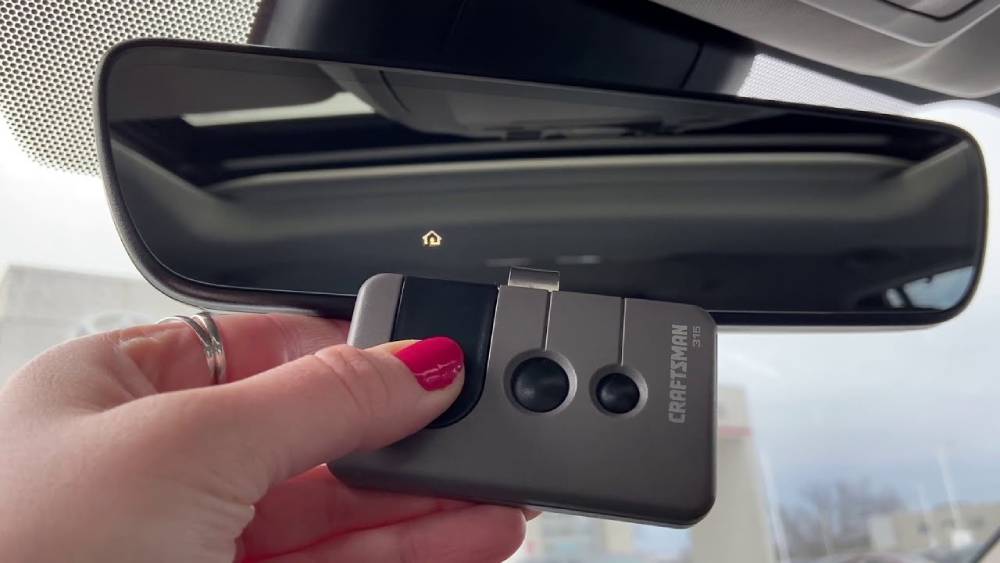
One of the most common reasons Toyota HomeLink stops working is an incorrect programming or incomplete setup process. Many users assume the system is ready to use right out of the box, but the initial pairing between the vehicle and the garage door opener must be completed correctly for it to function.
During setup, even a small mistake such as holding the HomeLink button for too short a time or not syncing it properly with the original remote can cause the system to fail later. In some cases, the indicator light may flash incorrectly, signaling that the programming was not successfully stored in memory.
To fix this issue, the best approach is to clear the existing settings and reprogram the system from the beginning. Start by holding the two outer HomeLink buttons until the indicator light changes, which resets the memory. Then follow the pairing process again using your original garage remote, making sure to complete each step slowly and carefully.
It is also important to ensure you are within proper range of the garage door during setup. Being too far away can weaken the signal and lead to incomplete synchronization.
In most situations, this simple reset and reprogramming process solves the problem immediately without requiring any technical repair or dealership support.
Garage Door Opener Incompatibility
Another frequent cause of Toyota HomeLink not working is compatibility issues between the vehicle system and the garage door opener. Not all garage systems are designed to communicate smoothly with HomeLink, especially older models or systems using different signal technologies.
Many modern garage doors use rolling code technology, which changes the access code every time the remote is used for security purposes. While HomeLink supports most rolling code systems, some older units require additional synchronization steps or may not be fully compatible without an external receiver upgrade.
To identify whether compatibility is the issue, test your original garage remote. If the remote works consistently but HomeLink does not, the problem is likely in the communication protocol between the two systems.
In some cases, a compatibility bridge or repeater device is required to allow proper communication. These devices act as intermediaries, helping the car system and garage receiver understand each other.
Checking compatibility before programming can save a lot of time and frustration. Toyota owners often overlook this step and assume the system is faulty when in reality the devices are simply not designed to work together directly.
Weak or Dead Garage Remote Battery
A surprisingly simple but often overlooked reason for HomeLink failure is a weak or dead battery inside the original garage remote. Since the Toyota HomeLink system learns and replicates the signal from your remote, a weak signal during programming can lead to incomplete or unreliable setup.
When the remote battery is low, the signal strength becomes inconsistent. This means HomeLink may capture an incomplete signal pattern, causing the system to fail when you try to use it later. In some cases, it may work occasionally but not reliably, which can be confusing for users.
The easiest way to fix this issue is to replace the battery in your garage remote before reprogramming HomeLink. After installing a fresh battery, repeat the setup process to ensure a strong and clean signal is transmitted to the vehicle system.
It is also a good idea to test the remote directly at the garage door. If the remote already struggles to open the door, the battery is almost certainly the root cause of the problem.
This is one of the quickest and cheapest fixes, yet it resolves a significant number of HomeLink issues reported by drivers.
HomeLink Memory Not Cleared Properly
Another common reason Toyota HomeLink stops working is that the system memory was not properly cleared before reprogramming. When old settings remain stored in the system, they can interfere with new programming attempts and cause inconsistent or failed connections.
HomeLink is designed to store multiple garage door codes, but over time these saved signals can become outdated or corrupted. This often happens when users try to reprogram the system without fully resetting it first, leading to overlapping signals that confuse the receiver.
To fix this issue, you need to completely erase the existing HomeLink memory. This is usually done by holding the two outer HomeLink buttons until the indicator light changes its flashing pattern. Once the memory is cleared, all previous configurations are removed, allowing you to start fresh.
After resetting, reprogram the system carefully using your garage remote. Make sure each step is completed fully before moving to the next, as rushing the process may cause the same issue to repeat.
In many cases, a proper memory reset alone restores full functionality without any further troubleshooting required.
Vehicle Electrical System Reset or Battery Change
Toyota HomeLink can also stop working after a vehicle battery change or a reset of the electrical system. When the car battery is disconnected, certain stored settings inside the vehicle may be erased or disrupted, including HomeLink programming in some models.
This happens because HomeLink is integrated into the vehicle’s electronic control system. A sudden loss of power can cause the system to revert to default settings, effectively removing previously stored garage door codes.
To resolve this, the system usually needs to be reprogrammed from scratch after the battery is reconnected. This includes clearing any remaining memory and setting up the HomeLink buttons again using the original garage remote.
It is also important to check whether other electronic features in the vehicle were reset at the same time. If multiple systems were affected, it may indicate a broader electrical reset rather than an isolated HomeLink issue.
Fortunately, this problem is not permanent and can typically be solved quickly with a full reconfiguration of the system.
Signal Interference Issues
Signal interference is another factor that can prevent Toyota HomeLink from working correctly. Because HomeLink relies on radio frequency signals, any nearby electronic devices or environmental factors can sometimes disrupt communication between the vehicle and the garage receiver.
Common sources of interference include WiFi routers, LED lighting systems, nearby wireless devices, or even metal structures around the garage area. These elements can weaken or distort the signal, making it difficult for the system to transmit commands properly.
In some situations, the issue may appear inconsistent, where HomeLink works sometimes but fails at other times. This is a strong indicator that interference is affecting signal stability rather than a complete system failure.
To reduce interference, try operating HomeLink from a slightly different position or distance when near the garage. You can also temporarily turn off nearby electronic devices to test whether the signal improves. In some cases, repositioning the vehicle or adjusting the garage receiver antenna can significantly improve performance.
Understanding and eliminating interference sources can often restore normal HomeLink operation without any technical repair.
Faulty HomeLink Buttons in Mirror or Console
If Toyota HomeLink still does not respond, the issue may come from the physical buttons inside the rearview mirror or control console. Over time, these buttons can wear out due to frequent use, exposure to heat, or internal electrical wear.
A clear sign of this problem is when the indicator light does not respond consistently when you press the HomeLink buttons. In some cases, the light may not turn on at all, which suggests that the signal is not being triggered properly from the button interface.
To diagnose this issue, compare the behavior of all HomeLink buttons. If only one button is unresponsive while others work, it may be a localized hardware failure. If all buttons fail, the issue could be deeper within the control module.
Unfortunately, physical button or internal module failure is not something that can usually be fixed through reprogramming. In most cases, the solution involves repairing or replacing the affected mirror unit or HomeLink module through a Toyota service center.
Although this is less common than programming or battery issues, it is still a possible cause when all basic troubleshooting steps have failed.
Garage Door Receiver Issues
Sometimes the problem is not with the Toyota HomeLink system at all, but with the garage door receiver itself. If the receiver inside the garage motor is malfunctioning, it will not respond to any signal sent from the vehicle, even if HomeLink is working correctly.
Garage door receivers can fail due to aging components, power surges, or internal board issues. In these cases, the original handheld remote may also start behaving inconsistently or stop working altogether, which is a strong indicator that the problem lies with the garage system rather than the car.
To test this, try using your original garage remote outside the vehicle. If both the remote and HomeLink fail to operate the door, the receiver is likely the root cause. You may also notice that the garage door responds only when you are very close to it, which indicates a weak or failing receiver signal.
The solution may involve resetting the garage opener, replacing the receiver board, or reprogramming the system depending on the manufacturer’s instructions. In some cases, upgrading the garage opener system is the most reliable long-term fix.
This step is important because many users mistakenly assume their Toyota system is broken when the actual issue is located in the garage hardware.
Programming Distance or Positioning Problem
Another overlooked cause of Toyota HomeLink not working is improper positioning during the programming process. HomeLink requires a stable and strong signal connection between the vehicle and the garage remote, and distance plays a critical role in this process.
If you are too far from the garage door while programming, the system may not capture the signal correctly. On the other hand, being too close or in an area with signal obstruction can also interfere with proper synchronization.
The ideal setup position is usually just outside the garage door range where the signal is strong but not interrupted by internal electrical interference. This allows the HomeLink system to learn a clean and consistent signal from the remote.
To fix this issue, simply repeat the programming process while adjusting your position slightly. Move the vehicle closer or farther until the indicator light responds correctly during setup. Small changes in positioning can significantly improve the success rate of programming.
This is a simple but often ignored factor that can lead to repeated failures even when the system itself is fully functional.
Software or Firmware Limitations in Toyota HomeLink System
In some cases, Toyota HomeLink may not work properly due to limitations in the vehicle’s built-in software or firmware version. Different Toyota models and production years may use slightly different HomeLink modules, and not all of them support the same range of garage door systems or communication protocols.
Older HomeLink systems may struggle with newer rolling code technologies or updated garage opener security standards. This can result in successful programming attempts that still fail during actual use, or complete inability to pair with certain devices.
Unlike simple issues such as battery or setup errors, firmware-related limitations are not something users can directly adjust at home. The system is integrated into the vehicle’s electronics, meaning updates or recalibration can only be performed through authorized Toyota service centers.
To identify whether this is the cause, it is important to rule out all other common issues first. If multiple troubleshooting attempts fail and the garage system is confirmed to be compatible and functioning correctly, then a software limitation becomes more likely.
In some situations, Toyota dealerships may offer updated programming procedures or hardware-compatible solutions depending on the vehicle model.
Conclusion
Toyota HomeLink is designed to provide convenience and seamless control of your garage door, but when it stops working, the issue is often caused by simple and fixable problems rather than a complete system failure.
As we have seen, the most common causes include incorrect programming, compatibility issues, weak remote batteries, memory errors, electrical resets, signal interference, hardware faults, garage receiver problems, positioning mistakes, and even software limitations.
The key takeaway is that most HomeLink issues can be resolved at home with a structured troubleshooting approach. Instead of immediately assuming a serious malfunction, it is more effective to go through each possible cause step by step.
In many cases, users are able to restore full functionality without needing expensive repairs or dealership intervention. However, if all troubleshooting steps fail, professional inspection from Toyota service is the safest next step.
By understanding these common causes, you can save time, reduce frustration, and quickly get your HomeLink system working reliably again whenever issues arise.