The Toyota Highlander has earned a strong reputation as one of the most dependable midsize SUVs on the market. Known for its comfortable ride, family-friendly interior, and long-term durability, it is often considered a safe choice for used car buyers. However, not every Highlander model year delivers the same level of reliability. Some years have been associated with costly mechanical problems, transmission failures, excessive oil consumption, and electrical issues that can quickly turn a bargain into an expensive mistake.
For many shoppers, buying a used SUV is about finding the perfect balance between affordability and reliability. Unfortunately, focusing only on mileage, price, or appearance can lead buyers to overlook recurring model-year-specific problems. A vehicle may look well-maintained on the surface while hiding issues that could require thousands of dollars in repairs shortly after purchase.
That is why understanding the Toyota Highlander years to avoid is essential before making a purchase decision. In this complete buyer’s guide, we will examine the least reliable Highlander model years, explore the most common problems reported by owners, compare the best years to buy, and provide practical tips to help you choose a used Toyota Highlander that offers dependable performance and long-term value.
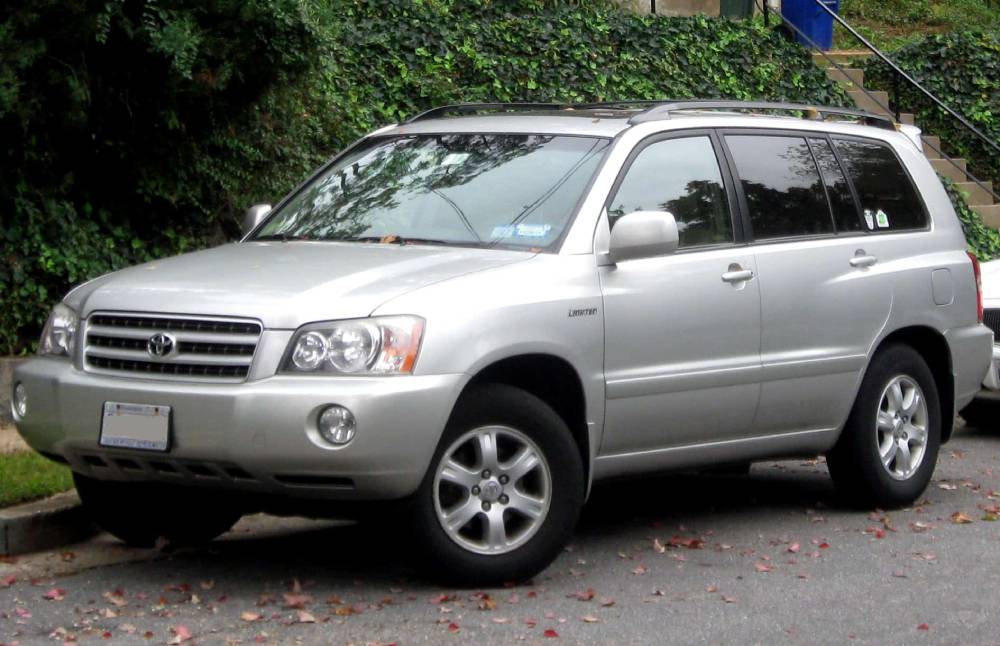
Quick Answer: Which Toyota Highlander Years Should You Avoid?
If you are looking for a quick answer, the Toyota Highlander model years most commonly recommended to avoid are 2003, 2008, 2010, and 2014. These years have generated a higher number of owner complaints and have been associated with issues such as transmission failures, excessive oil consumption, steering concerns, and electrical malfunctions. While not every vehicle from these years will experience serious problems, the likelihood of encountering expensive repairs is significantly higher compared to more reliable model years.
On the other hand, the 2017, 2018, 2020, and 2021 Toyota Highlander models are widely regarded as some of the best options in the used SUV market. These vehicles benefit from improved engineering, fewer reported defects, strong safety ratings, and lower long term maintenance costs.
The table below provides a simplified overview:
| Model Year | Recommendation | Common Concerns |
|---|---|---|
| 2003 | Avoid | Engine sludge, transmission issues |
| 2008 | Avoid | Excessive oil consumption |
| 2010 | Avoid | Steering and brake problems |
| 2014 | Avoid | Transmission hesitation |
| 2017 | Recommended | Excellent reliability |
| 2018 | Recommended | Low repair frequency |
| 2020 | Highly Recommended | Modern redesign |
| 2021 | Highly Recommended | Advanced safety features |
Understanding the reasons behind these rankings can help you avoid costly surprises and make a smarter purchasing decision.
Toyota Highlander Generations Overview
Before discussing specific model years, it is important to understand how the Highlander evolved over time. Toyota has introduced several generations of the Highlander, each bringing significant improvements in technology, comfort, safety, and performance.
The first generation, produced from 2001 through 2007, established the Highlander as a practical family SUV. While many of these vehicles remain on the road today, their age means buyers should be cautious of wear-related problems, especially involving the engine and transmission.
The second generation, spanning 2008 through 2013, offered more interior space, improved safety features, and stronger performance. However, some vehicles from this era developed oil consumption issues and other mechanical concerns that affected long term reliability.
The third generation, introduced for the 2014 model year, featured a redesigned exterior, upgraded interior materials, and additional technology. Despite these improvements, several early production models experienced transmission and electronic problems that impacted owner satisfaction.
The fourth generation arrived in 2020 with a complete redesign built on Toyota’s modern TNGA platform. These models offer better fuel efficiency, improved driving dynamics, enhanced safety technology, and some of the strongest reliability ratings in the Highlander’s history.
Understanding the strengths and weaknesses of each generation can help buyers narrow their search and avoid problematic model years.
Worst Toyota Highlander Year to Avoid: 2003
The 2003 Toyota Highlander is often considered one of the least desirable model years due to a combination of engine and transmission issues that have affected many owners. Although Toyota is known for producing reliable vehicles, the 2003 Highlander suffered from several costly defects that can be difficult to ignore when shopping for a used SUV.
One of the most frequently reported concerns involves engine sludge buildup. This condition occurs when oil breaks down and creates deposits inside the engine, potentially restricting lubrication and accelerating wear on internal components. In severe cases, sludge accumulation can lead to significant engine damage and expensive repairs.
Another major issue is transmission failure. Many owners reported rough shifting, delayed engagement, and complete transmission breakdowns. Replacing a transmission can cost several thousand dollars, making this one of the most expensive problems a used vehicle owner may face.
Additional complaints include faulty oxygen sensors, engine warning lights, and age related wear affecting suspension and electrical systems. Since the newest 2003 Highlanders are now more than two decades old, maintenance history becomes critically important. Even well maintained examples may require significant investment to remain roadworthy.
For buyers seeking a dependable used Highlander, there are newer model years that offer substantially better reliability and lower ownership costs. Unless a 2003 Highlander has exceptional maintenance records and a thorough inspection confirms its condition, it is generally a model year worth avoiding.
2008 Toyota Highlander
The 2008 Toyota Highlander marked the beginning of the second generation and introduced a larger body, improved comfort, and additional technology features. While the redesign was well received by many consumers, this model year has also become known for several reliability concerns that potential buyers should carefully consider.
One of the most commonly reported problems is excessive oil consumption. Many owners noticed that their vehicles required frequent oil top offs between scheduled maintenance intervals. In some cases, drivers reported consuming a significant amount of oil long before reaching the next oil change. If left unaddressed, low oil levels can accelerate engine wear and increase the risk of serious mechanical damage.
Another concern involves water pump failures. The water pump plays a critical role in regulating engine temperature, and a malfunction can lead to overheating. Replacing a failed water pump is not always inexpensive, especially if additional cooling system components are affected.
Some owners have also reported engine performance issues, including rough idling and reduced fuel efficiency. While not every 2008 Highlander experiences these problems, the volume of complaints has been high enough to make this model year less attractive compared to later alternatives.
The biggest challenge for used car buyers is that oil consumption problems may not be immediately obvious during a brief test drive. A vehicle can appear to operate normally while gradually losing oil over time. This hidden risk can result in unexpected repair expenses after purchase.
For shoppers seeking a dependable used Highlander, there are stronger options available that offer better long term reliability and lower maintenance risks.
2010 Toyota Highlander
The 2010 Toyota Highlander remains a popular choice among budget conscious buyers because of its practical design and comfortable driving experience. However, several recurring issues have caused this model year to earn a reputation as one of the less reliable Highlanders on the used market.
Among the most significant concerns are steering system problems. Some owners reported unusual steering behavior, excessive looseness, and reduced responsiveness during operation. Steering related issues can affect driver confidence and, in some situations, may compromise vehicle safety.
Brake system complaints are another common concern. Certain owners experienced issues involving the brake actuator and related components. Repairs involving modern braking systems can be expensive, particularly when electronic components are involved. Ignoring these problems can lead to increased repair costs and potential safety risks.
Suspension wear has also been reported more frequently than in some other Highlander model years. Components such as control arms, bushings, and shocks may require replacement sooner than expected, especially on vehicles with higher mileage.
The combination of steering, braking, and suspension concerns creates a situation where repair costs can accumulate quickly. While some examples have provided years of reliable service, buyers should approach the 2010 Highlander with caution and ensure that a comprehensive pre purchase inspection is completed before making a commitment.
Unless the vehicle has detailed maintenance records and evidence of recent repairs, many used SUV shoppers may find better value in newer Highlander model years with stronger reliability records.
2014 Toyota Highlander
The 2014 Toyota Highlander introduced the third generation and brought substantial improvements in styling, interior quality, passenger space, and technology. Despite these upgrades, it is often cited as one of the Toyota Highlander years to avoid because it experienced several issues commonly associated with first year redesigns.
The most frequently discussed problem involves transmission hesitation. Many owners reported delayed acceleration when pressing the throttle, particularly during low speed driving situations. Some drivers described the vehicle as feeling sluggish or hesitant when attempting to merge into traffic or accelerate from a stop.
In addition to hesitation, rough shifting was another complaint. Certain vehicles exhibited inconsistent gear changes that affected overall driving comfort. Although software updates resolved some cases, not all owners reported complete satisfaction after repairs.
The infotainment system also generated complaints. Drivers experienced touchscreen glitches, connectivity issues, and occasional system freezes. While these problems may not directly impact vehicle safety, they can be frustrating for owners who expect modern convenience features to operate reliably.
As the first model year of a new generation, the 2014 Highlander faced the challenges that often accompany major redesigns. Toyota addressed many of these concerns in subsequent years, which is one reason later third generation models generally receive better reliability ratings.
For buyers considering a used third generation Highlander, it is often worth spending slightly more to purchase a 2017 or 2018 model. These later vehicles benefited from several improvements and have demonstrated stronger long term dependability than the 2014 version.
2017 Toyota Highlander
If you are searching for one of the best Toyota Highlander model years to buy, the 2017 Highlander deserves a place near the top of your list. This model benefited from several important updates, including a refreshed exterior design, a more refined interior, and an upgraded powertrain that improved both performance and efficiency.
One of the biggest advantages of the 2017 Highlander is its strong reliability record. Compared to earlier third generation models, owner complaints dropped significantly, and reports of major mechanical failures became much less common. Toyota also introduced a revised 3.5 liter V6 engine paired with an eight speed automatic transmission, providing smoother acceleration and improved fuel economy.
Families particularly appreciate the spacious cabin, comfortable seating, and extensive safety features available in the 2017 Highlander. Toyota Safety Sense became standard equipment, adding technologies such as lane departure warning, adaptive cruise control, and automatic emergency braking. These features not only improve safety but also increase the vehicle’s appeal on the used market.
Another factor contributing to the popularity of the 2017 model is its lower ownership costs. Routine maintenance remains relatively affordable, and major repairs are less common compared to many competitors in the midsize SUV segment.
For buyers seeking a dependable used SUV capable of handling daily commuting, family road trips, and long term ownership, the 2017 Toyota Highlander remains one of the smartest choices available.
2018 Toyota Highlander
The 2018 Toyota Highlander built upon the strengths of the previous model year and further solidified Toyota’s reputation for producing reliable family vehicles. Many automotive experts and owners consider the 2018 Highlander one of the most dependable used midsize SUVs currently available.
A key advantage of the 2018 model is its proven powertrain. By this point, Toyota had already addressed many of the concerns that affected earlier third generation vehicles. The result was a refined driving experience with fewer reported transmission issues and improved overall reliability.
The 2018 Highlander also offers a well balanced combination of comfort, practicality, and technology. The interior provides generous passenger space, high quality materials, and a user friendly layout that continues to feel modern even by today’s standards. Families benefit from available three row seating, multiple storage compartments, and advanced safety systems.
Another reason buyers favor the 2018 Highlander is its excellent resale value. Toyota vehicles are known for retaining their worth over time, and the Highlander is no exception. Purchasing a well maintained 2018 model can provide years of dependable service while minimizing depreciation compared to buying a brand new SUV.
Owners frequently praise the vehicle’s smooth ride quality, quiet cabin, and predictable maintenance costs. Because of its strong reliability history and broad appeal, the 2018 Highlander remains one of the safest recommendations for anyone shopping in the used SUV market.
2020 Toyota Highlander
The 2020 Toyota Highlander represents a major turning point in the model’s history. As the first year of the fourth generation, it introduced a complete redesign that significantly improved performance, safety, technology, and fuel efficiency.
Unlike some first year redesigns that experience numerous reliability issues, the 2020 Highlander performed remarkably well. Built on Toyota’s TNGA platform, the SUV benefits from increased structural rigidity, improved ride comfort, and more responsive handling. These enhancements helped elevate the driving experience while maintaining the practicality that Highlander buyers expect.
One of the most notable improvements is fuel efficiency. Both the gasoline and hybrid versions deliver better economy than many earlier models, making the 2020 Highlander an attractive option for families looking to reduce long term operating costs.
Technology also received a major upgrade. The cabin features a larger touchscreen, enhanced connectivity options, improved driver assistance systems, and a more premium overall design. Safety remains a standout strength thanks to Toyota Safety Sense 2.0, which includes a comprehensive suite of advanced protection features.
Reliability ratings for the 2020 Highlander have generally been strong, and owner satisfaction remains high. While the purchase price is typically higher than older used Highlander models, many buyers view the additional investment as worthwhile because of the improved technology, efficiency, and long term dependability.
For shoppers who want a modern SUV without sacrificing Toyota’s reputation for reliability, the 2020 Toyota Highlander is one of the strongest options currently available in the used vehicle market.
2021 Toyota Highlander
The 2021 Toyota Highlander continued the success of the fourth generation and further strengthened its position as one of the most reliable midsize SUVs available. Building upon the redesign introduced in 2020, the 2021 model refined the driving experience while maintaining the durability and practicality that have made the Highlander a favorite among families.
One of the most appealing aspects of the 2021 Highlander is its impressive combination of comfort and safety. The cabin offers a quiet ride, supportive seating, and a well designed layout that makes long journeys more enjoyable for both drivers and passengers. High quality materials throughout the interior create a premium feel that rivals some luxury SUVs.
Safety remains one of the Highlander’s strongest selling points. Toyota equipped the 2021 model with an extensive suite of advanced driver assistance technologies, including adaptive cruise control, lane keeping assistance, automatic emergency braking, and pedestrian detection. These features contribute to excellent crash test performance and increased confidence behind the wheel.
Reliability data and owner feedback have generally been very positive. Major mechanical complaints are relatively rare, and routine maintenance costs remain manageable. The 2021 Highlander also benefits from strong resale value, making it an attractive investment for buyers who plan to keep the vehicle for several years.
For shoppers seeking a modern used SUV with advanced technology, outstanding safety features, and proven dependability, the 2021 Toyota Highlander stands out as one of the best model years to purchase.
Most Common Toyota Highlander Problems Across All Years
Although the Toyota Highlander has developed a reputation for reliability, no vehicle is completely free from problems. Understanding the most common issues reported across different model years can help buyers make informed decisions and identify potential warning signs before completing a purchase.
Transmission problems are among the most frequently discussed concerns. Some owners have reported delayed shifting, rough gear changes, hesitation during acceleration, or complete transmission failure. While these issues are more common in specific model years, they can occur in higher mileage vehicles regardless of generation.
Excessive oil consumption is another issue that has affected certain Highlander models. Drivers may notice the need to add oil between scheduled maintenance intervals. If ignored, low oil levels can lead to accelerated engine wear and potentially expensive repairs.
Steering related concerns have also appeared in owner reports. Symptoms may include unusual steering feel, reduced responsiveness, vibrations, or increased effort when turning. These issues can impact driving comfort and may require replacement of steering components.
Electrical problems are occasionally reported as vehicles age. Common complaints include malfunctioning dashboard displays, faulty sensors, power accessory failures, and infotainment system glitches. While many electrical issues are minor, diagnosis and repair can sometimes be time consuming.
Brake system problems have also been noted in certain model years. Drivers may experience warning lights, unusual pedal feel, or failures involving electronic braking components. Because braking performance directly affects vehicle safety, these issues should never be ignored.
Despite these concerns, many Highlanders provide hundreds of thousands of miles of dependable service when properly maintained. Regular inspections and preventive maintenance remain the best defense against costly repairs.
How to Inspect a Used Toyota Highlander Before Buying
Purchasing a used Toyota Highlander can be an excellent investment, but a thorough inspection is essential before signing any paperwork. Taking the time to evaluate the vehicle carefully can help you avoid unexpected repair bills and identify hidden problems that may not be immediately obvious.
Start by reviewing the vehicle history report. This document can reveal previous accidents, title issues, ownership history, and whether the SUV has been involved in major repairs. A clean history report does not guarantee a perfect vehicle, but it provides valuable insight into its past.
Next, examine maintenance records whenever possible. Consistent oil changes, transmission service, brake maintenance, and scheduled inspections are strong indicators that the previous owner cared for the vehicle properly. Missing maintenance documentation should raise questions and warrant additional investigation.
A comprehensive test drive is one of the most important steps in the buying process. Pay close attention to how the transmission shifts, how the engine responds during acceleration, and whether any unusual noises occur while driving. Steering should feel smooth and predictable, and braking should be responsive without vibration or pulling.
Inspect the exterior and interior carefully for signs of neglect, excessive wear, water damage, or poor quality repairs. Uneven tire wear can sometimes indicate suspension or alignment problems that may require attention.
Finally, invest in a professional pre purchase inspection. An experienced mechanic can identify issues that may not be visible to the average buyer, including hidden mechanical problems, fluid leaks, and worn components. The cost of an inspection is minimal compared to the potential expense of major repairs after purchase.
A careful evaluation process significantly increases your chances of finding a Toyota Highlander that delivers reliable performance and excellent value for years to come.
Toyota Highlander Reliability Compared to Competitors
The Toyota Highlander consistently ranks among the most reliable midsize SUVs, but many buyers also consider alternatives such as the Honda Pilot, Ford Explorer, and Kia Telluride. Comparing these vehicles can provide valuable insight into whether the Highlander is the right choice for your needs.
Toyota Highlander vs Honda Pilot
The Honda Pilot is one of the Highlander’s closest competitors. Both vehicles offer three rows of seating, strong safety ratings, and family friendly practicality. However, the Highlander generally earns higher marks for long term reliability and resale value. Owners often report fewer major mechanical problems over time, which can translate into lower ownership costs.
The Pilot offers a spacious interior and capable performance, but some model years have experienced transmission and fuel system concerns. While both SUVs are solid choices, the Highlander tends to be the safer option for buyers prioritizing dependability and long term durability.
Toyota Highlander vs Ford Explorer
The Ford Explorer provides a more powerful driving experience and a wider range of engine options. Buyers who prioritize towing capability or sporty performance may find the Explorer appealing.
However, reliability has traditionally been one of the Highlander’s biggest advantages. Many Explorer model years have generated higher numbers of owner complaints involving transmissions, electronics, and drivetrain components. Maintenance and repair costs can also be higher over the long term.
For buyers seeking predictable ownership costs and fewer unexpected repairs, the Highlander often emerges as the stronger candidate.
Toyota Highlander vs Kia Telluride
The Kia Telluride has quickly become one of the most popular family SUVs thanks to its upscale interior, advanced technology, and attractive pricing. It offers exceptional value and has received widespread praise from automotive reviewers.
While the Telluride performs well in many categories, the Highlander benefits from Toyota’s long established reputation for reliability. Because the Telluride is a newer model, it does not yet have the decades of long term durability data that support the Highlander’s reputation.
Buyers seeking the latest technology may lean toward the Telluride, while those focused on proven reliability often prefer the Highlander.
Ultimately, the Toyota Highlander stands out because it combines comfort, safety, efficiency, and long term dependability better than many competitors in the midsize SUV segment.
Frequently Asked Questions
Which Toyota Highlander years should be avoided?
The model years most commonly recommended to avoid include 2003, 2008, 2010, and 2014. These vehicles have been associated with issues such as transmission failures, excessive oil consumption, steering concerns, and electronic problems. While not every vehicle from these years will experience major defects, buyers should conduct careful inspections before purchasing.
What is the most reliable Toyota Highlander year?
Many automotive experts and owners consider the 2017, 2018, 2020, and 2021 Highlander models among the most reliable. These vehicles generally receive fewer owner complaints, lower repair frequency, and higher satisfaction ratings.
Is the 2008 Toyota Highlander a good used SUV?
The 2008 Highlander offers good interior space and comfort, but its reputation for excessive oil consumption makes it a riskier choice than later model years. Buyers should verify maintenance history and inspect the engine carefully before making a purchase.
Are Toyota Highlanders expensive to maintain?
Compared to many midsize SUVs, the Highlander is relatively affordable to maintain. Routine service costs are generally reasonable, and major repairs are less common than with many competing vehicles. Proper maintenance can significantly reduce ownership expenses over the life of the vehicle.
How many miles can a Toyota Highlander last?
With consistent maintenance and responsible ownership, many Toyota Highlanders can exceed 200,000 miles. Some owners report reaching 250,000 to 300,000 miles or more while maintaining reliable performance.
Is the Toyota Highlander Hybrid reliable?
Yes. The Toyota Highlander Hybrid has developed a strong reputation for reliability and fuel efficiency. Many hybrid models deliver excellent long term durability while offering lower fuel costs than traditional gasoline powered versions.
Conclusion
The Toyota Highlander has earned its reputation as one of the most reliable family SUVs on the road, but not every model year offers the same ownership experience. Understanding the Toyota Highlander years to avoid can help buyers reduce the risk of unexpected repairs and make a more informed purchasing decision.
Model years such as 2003, 2008, 2010, and 2014 have generated higher numbers of owner complaints due to issues involving transmissions, oil consumption, steering systems, and electronic components. While some examples may still provide dependable service, buyers should approach these years with caution and conduct thorough inspections before purchasing.
On the other hand, the 2017, 2018, 2020, and 2021 Toyota Highlander models stand out as some of the best choices for used SUV shoppers. These vehicles offer an excellent combination of reliability, comfort, safety, and long term value, making them attractive options for families and commuters alike.
Before purchasing any used Highlander, always review maintenance records, obtain a vehicle history report, and schedule a professional inspection. A small investment in due diligence today can save thousands of dollars in repair costs tomorrow.
By choosing the right model year and following a careful buying process, you can enjoy the benefits of owning a Toyota Highlander that delivers dependable performance for many years to come.