Modern vehicles are equipped with advanced safety technologies designed to protect drivers and passengers in critical situations. One of these features is the Secondary Collision Brake System, a safety mechanism that automatically applies the brakes after an initial collision to help prevent additional impacts. By reducing the risk of secondary crashes, this system plays an important role in minimizing injuries and vehicle damage.
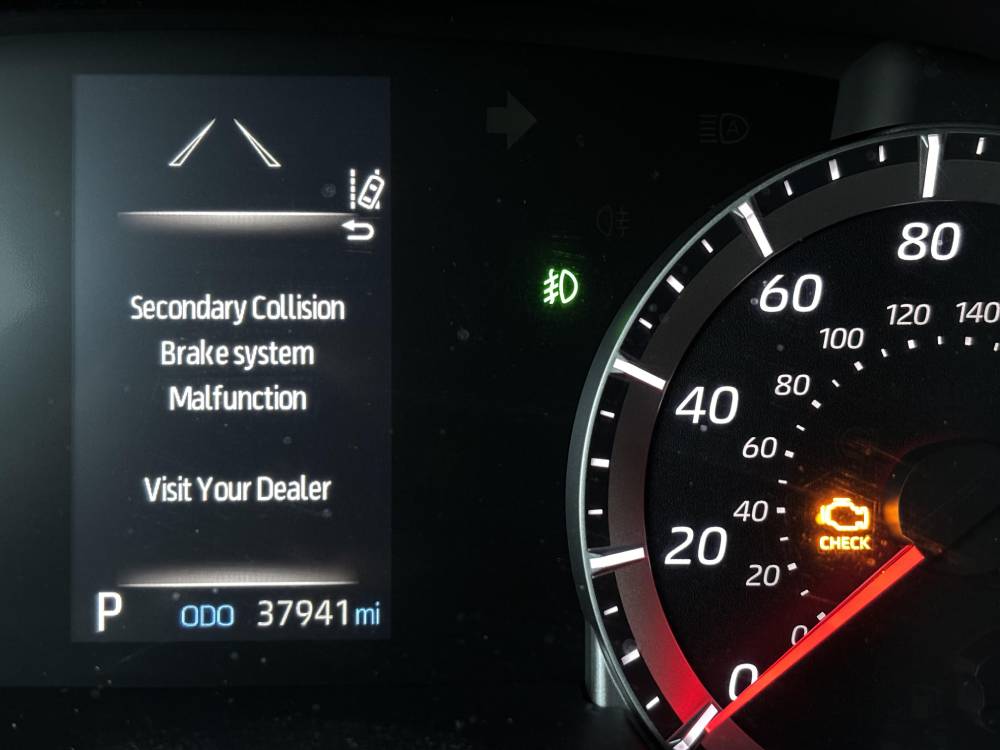
However, when a warning message such as “Secondary Collision Brake System Malfunction” appears on your dashboard, it can quickly become a source of concern. Many drivers are unsure whether the issue is minor, such as a dirty sensor, or something more serious involving the braking system or advanced driver assistance technologies. Ignoring the warning may lead to reduced safety performance and potentially increase the risk of accidents.
The good news is that not every malfunction requires an expensive repair. In many cases, the problem can be traced to sensor obstructions, low battery voltage, software issues, or calibration errors. Understanding the root cause is the first step toward resolving the issue effectively.
In this guide, you’ll learn what the Secondary Collision Brake System does, the most common causes of malfunction, key warning signs to watch for, and the best ways to diagnose and fix the problem before it affects your vehicle’s safety.
What Is the Secondary Collision Brake System?
The Secondary Collision Brake System is an advanced safety feature designed to reduce the likelihood of additional accidents after an initial impact. In many traffic collisions, the first crash is often followed by a secondary impact caused by the driver losing control, becoming disoriented, or being unable to react quickly enough. These secondary collisions can result in further injuries, greater vehicle damage, and increased risks for other road users.
To address this problem, automotive manufacturers have integrated the Secondary Collision Brake System into their modern vehicle safety platforms. Once the system detects that a collision has occurred, it automatically applies the brakes to slow the vehicle and help prevent it from continuing uncontrollably into another object, vehicle, or pedestrian.
This technology is commonly integrated with other Advanced Driver Assistance Systems (ADAS), including Collision Mitigation Braking Systems, Forward Collision Warning, Electronic Stability Control, and Anti-lock Braking Systems. By working together, these systems provide an additional layer of protection during emergency situations.
The system relies on a network of sensors and electronic control units to determine whether a collision has taken place. Depending on the vehicle manufacturer, these components may include radar sensors, front-facing cameras, wheel speed sensors, acceleration sensors, and airbag control modules. When the vehicle detects a significant impact, the system rapidly analyzes the situation and determines whether automatic braking is necessary.
For example, imagine a vehicle is struck from the side at an intersection. The initial impact pushes the vehicle forward into another lane. Without intervention, the vehicle could collide with another car, a roadside barrier, or a pedestrian. If the Secondary Collision Brake System is functioning correctly, it can automatically apply braking force to reduce vehicle speed and minimize the severity of any additional impact.
Because the system operates within milliseconds, it often reacts faster than a driver who may be shocked or injured following the first collision. This rapid response can significantly reduce the consequences of multi-vehicle accidents and chain-reaction crashes.
As vehicles become increasingly dependent on electronic safety systems, maintaining proper operation of the Secondary Collision Brake System is essential. Any malfunction within the system may limit its ability to respond during an emergency, which is why warning messages should never be ignored.
Warning Signs of a Secondary Collision Brake System Malfunction
When the Secondary Collision Brake System experiences a fault, the vehicle will usually provide one or more warning indicators to alert the driver. Recognizing these signs early can help prevent further complications and allow the issue to be diagnosed before it affects overall vehicle safety.
The most obvious symptom is a dashboard message displaying “Secondary Collision Brake System Malfunction.” Depending on the vehicle model, the warning may appear as a text notification on the instrument cluster, infotainment screen, or driver information display. In some cases, the message may be accompanied by a yellow or red warning light.
Another common sign is the simultaneous deactivation of other driver assistance features. Because many ADAS technologies share sensors and control modules, a fault in one system can trigger warnings in multiple systems. Drivers may notice alerts related to Collision Mitigation Braking, Adaptive Cruise Control, Lane Keeping Assist, Forward Collision Warning, or Road Departure Mitigation.
Intermittent warning messages can also indicate an underlying issue. The notification may appear during startup, disappear after a few minutes, and then return unexpectedly. This behavior often points to sensor contamination, loose electrical connections, battery voltage fluctuations, or software-related problems.
Some drivers may experience unusual vehicle behavior when the malfunction occurs. Although the primary braking system usually continues to function normally, safety features that depend on sensor data may become unavailable. As a result, emergency braking assistance and collision avoidance functions may not operate as intended.
Environmental conditions can also contribute to temporary warnings. Heavy rain, snow, fog, dirt accumulation, or debris covering a radar sensor or front camera may interfere with the system’s ability to detect surrounding objects accurately. In these situations, the warning may disappear once visibility improves or the sensors are cleaned.
If the malfunction warning is accompanied by additional brake system alerts, ABS warnings, stability control warnings, or noticeable braking issues, the vehicle should be inspected as soon as possible. Multiple warning messages often indicate a more serious fault that may affect overall vehicle safety.
Understanding these symptoms can help drivers determine whether the problem is a temporary sensor-related issue or a more significant system failure requiring professional diagnosis.
Common Causes of Secondary Collision Brake System Malfunction
Several factors can trigger a Secondary Collision Brake System Malfunction warning. While some causes are relatively minor and easy to resolve, others may require professional repairs and specialized diagnostic equipment.
One of the most common causes is a dirty or obstructed radar sensor. Radar units are typically mounted behind the front grille or bumper and can become covered by mud, snow, ice, insects, or road debris. When the sensor’s field of view is blocked, the system may struggle to collect accurate data and trigger a warning.
Front camera issues are another frequent source of malfunction. Many vehicles rely on a windshield-mounted camera to monitor road conditions and support collision avoidance functions. A damaged windshield, poor camera alignment, or a recently replaced windshield that was not properly recalibrated can lead to system errors.
Low battery voltage is often overlooked but can have a significant impact on modern vehicle electronics. When the battery becomes weak or begins to fail, sensitive safety systems may not receive stable power. This can generate warning messages even when no mechanical fault exists.
Wheel speed sensor failures can also affect system performance. These sensors provide critical information about vehicle movement and braking conditions. If one sensor sends inaccurate data or stops functioning altogether, the Secondary Collision Brake System may be disabled as a precaution.
Problems within the Anti-lock Braking System (ABS) or Vehicle Stability Assist system can contribute to the malfunction as well. Since these systems work closely together during emergency braking events, a fault in one component may trigger warnings across multiple safety features.
Electrical issues such as damaged wiring, corroded connectors, blown fuses, or loose connections are another possibility. Exposure to moisture, road salt, and vibration over time can gradually degrade electrical components and disrupt communication between control modules.
Software-related faults have become increasingly common as vehicles rely more heavily on computerized systems. Manufacturers occasionally release software updates to correct programming errors, improve sensor communication, or address known issues that may trigger false warnings.
Finally, previous collision damage can cause long-term problems even after repairs have been completed. Sensors, brackets, wiring harnesses, and control modules may be slightly misaligned or damaged following an accident. Without proper recalibration, the system may continue to detect faults and display warning messages.
Identifying the exact cause requires a systematic diagnostic process. Fortunately, understanding these common failure points can help vehicle owners narrow down the source of the problem and take appropriate action before the issue becomes more serious.
Is It Safe to Drive With a Secondary Collision Brake System Malfunction?
One of the first questions drivers ask after seeing a Secondary Collision Brake System Malfunction warning is whether it is safe to continue driving. The answer depends on the nature of the fault and whether additional warning messages are present.
In many cases, the vehicle can still be driven because the primary braking system remains operational. The malfunction warning typically indicates that the secondary collision braking feature has been disabled or is unable to function correctly. This means that while normal braking performance may not be affected, the vehicle could lose an important layer of protection during a collision event.
If the warning appears by itself and the vehicle shows no signs of braking problems, unusual noises, or changes in handling, it is generally possible to drive the vehicle carefully to a repair facility. However, drivers should avoid assuming that the issue is harmless. The warning indicates that a safety system is no longer operating as intended, and delaying repairs may expose occupants to additional risks.
Extra caution is required if the warning appears together with alerts related to the brake system, ABS, traction control, stability control, or other Advanced Driver Assistance Systems. Multiple warnings often suggest a larger problem affecting critical vehicle systems. In such situations, driving should be limited until a proper inspection can be performed.
Drivers should also pay attention to any noticeable changes in braking behavior. A soft brake pedal, increased stopping distance, unexpected warning lights, or inconsistent braking performance may indicate a more serious issue requiring immediate attention.
The greatest risk associated with a Secondary Collision Brake System Malfunction is the loss of automatic braking assistance following an initial collision. In a severe accident, the vehicle may continue moving after impact, increasing the possibility of secondary crashes involving other vehicles, roadside structures, or pedestrians.
Although the warning does not always indicate an immediate safety emergency, it should never be ignored. Prompt diagnosis and repair can restore the vehicle’s full safety capabilities and provide peace of mind every time you get behind the wheel.
How to Diagnose a Secondary Collision Brake System Malfunction
Diagnosing the source of a Secondary Collision Brake System Malfunction requires a step-by-step approach. While some causes can be identified through simple visual inspections, others may require professional diagnostic tools.
The first step is to inspect the vehicle’s radar sensors and front-facing cameras. Dirt, mud, snow, ice, water spots, and road debris can obstruct sensor visibility and interfere with system operation. Carefully clean the affected areas using a soft cloth and ensure nothing is blocking the sensors.
Next, examine the windshield if your vehicle uses a camera-based safety system. Cracks, chips, tint film, stickers, or improper windshield replacements can affect camera accuracy. If the windshield was recently replaced, verify that camera calibration was performed according to manufacturer specifications.
Checking battery condition is another important step. Modern safety systems depend on stable electrical power to function properly. A weak battery or charging system issue can trigger multiple warning messages throughout the vehicle. If the battery is several years old or shows signs of deterioration, it should be tested.
Using an OBD-II diagnostic scanner can provide valuable information about the malfunction. Many warning messages are associated with stored diagnostic trouble codes that help identify the affected component or system. Professional-grade scanners often provide more detailed information than basic consumer devices.
It is also important to inspect related systems such as ABS, Electronic Stability Control, and wheel speed sensors. Since these components share information with the Secondary Collision Brake System, a fault in one area may trigger warnings elsewhere.
If the warning appeared after a collision, body repair, suspension repair, windshield replacement, or bumper replacement, calibration issues should be considered. Even slight misalignment of cameras or radar sensors can cause the system to report a malfunction.
Software updates should not be overlooked. Some vehicle manufacturers release technical service bulletins and software improvements to address known issues affecting safety systems. A dealership or qualified repair facility can verify whether updates are available for your vehicle.
By following a systematic diagnostic process, vehicle owners can often identify whether the issue is related to sensor contamination, electrical faults, calibration errors, software problems, or component failure.
How to Fix a Secondary Collision Brake System Malfunction
The appropriate repair depends on the underlying cause of the warning. Fortunately, many Secondary Collision Brake System Malfunction issues can be resolved without major component replacement.
One of the simplest fixes involves cleaning the radar sensors and front camera. If dirt, snow, insects, or debris are obstructing the sensors, removing the blockage may restore normal operation. After cleaning, some vehicles will automatically clear the warning once the system verifies proper sensor performance.
If low battery voltage is responsible, charging or replacing the battery may solve the problem. Modern vehicles rely heavily on electronic systems, and insufficient voltage can cause false warnings or communication errors between control modules.
Vehicles that have undergone windshield replacement, front-end repairs, or collision repairs may require recalibration of the camera and radar systems. Calibration ensures that sensors are correctly aligned and able to measure distances accurately. This procedure often requires specialized equipment and should be performed by trained technicians.
Faulty wheel speed sensors, damaged radar units, malfunctioning cameras, or defective wiring may need repair or replacement. During the repair process, technicians typically inspect electrical connectors, wiring harnesses, and control modules to identify any hidden damage.
Software updates can also play a crucial role in resolving system malfunctions. Manufacturers periodically release updated software to improve system performance, address bugs, and eliminate false warning messages. Installing the latest software version may restore normal functionality without replacing any hardware.
In more serious cases, replacement of the radar sensor, camera assembly, ABS module, or electronic control unit may be necessary. Although these repairs can be more expensive, they are essential for restoring the vehicle’s safety systems to proper working condition.
After repairs are completed, technicians usually perform a system scan and road test to confirm that all warning messages have been cleared and that the Secondary Collision Brake System is operating correctly. Skipping this verification process may allow unresolved issues to remain hidden.
Addressing the malfunction as soon as possible is the best way to maintain vehicle safety and prevent small issues from developing into more expensive repairs in the future.
Repair Costs and Expected Expenses
The cost of repairing a Secondary Collision Brake System Malfunction can vary significantly depending on the vehicle make, model, year, and the specific component causing the problem. Some issues can be resolved with a simple cleaning procedure, while others may require replacement of advanced electronic components and sensor recalibration.
If the warning is caused by dirt, debris, or temporary sensor obstruction, the repair cost may be minimal or even free if the owner performs the cleaning. Professional inspections for sensor-related issues are generally affordable and can quickly determine whether further repairs are necessary.
Battery-related problems are also relatively inexpensive to fix. Replacing a weak battery is often far less costly than replacing safety system components and may immediately resolve multiple warning messages affecting the vehicle.
Sensor calibration typically falls into the moderate cost range. Vehicles equipped with radar and camera-based safety systems often require specialized calibration equipment after windshield replacement, front bumper repairs, suspension work, or collision repairs. Although calibration may seem expensive, it is essential for ensuring accurate system performance.
Repair costs increase when components such as wheel speed sensors, radar sensors, cameras, wiring harnesses, or control modules need replacement. Radar units and camera assemblies are sophisticated pieces of technology and may represent a significant portion of the repair bill. Labor costs can also increase because many of these components require calibration after installation.
In rare situations involving electronic control unit failure, repairs can become considerably more expensive. The cost may include programming, software updates, module replacement, and system testing.
Obtaining an accurate diagnosis before replacing parts is the most effective way to avoid unnecessary expenses. Many warning messages stem from relatively simple causes, making professional troubleshooting a worthwhile investment before authorizing major repairs.
How to Prevent Future Secondary Collision Brake System Failures
While not every malfunction can be prevented, regular maintenance and proper vehicle care can significantly reduce the likelihood of future Secondary Collision Brake System issues.
One of the most effective preventive measures is keeping radar sensors and front cameras clean. These components rely on a clear field of view to monitor surrounding traffic and road conditions accurately. Regularly removing dirt, snow, ice, insects, and road grime can help maintain reliable system performance.
Routine battery inspections are equally important. Modern vehicles depend on stable electrical power to support numerous electronic safety features. Testing the battery periodically and replacing it before it fails can prevent unexpected warning messages and communication errors between control modules.
Drivers should also exercise caution when modifying the windshield, front bumper, grille, or other areas that house safety system components. Even minor changes can affect sensor alignment and interfere with proper operation. After windshield replacement or body repairs, calibration should always be performed according to manufacturer recommendations.
Following the manufacturer’s maintenance schedule helps identify potential problems before they become serious. Regular inspections can reveal damaged wiring, loose connectors, worn sensors, or software issues that might otherwise go unnoticed.
Software updates should not be ignored. Vehicle manufacturers continuously improve system performance through revised programming and bug fixes. Keeping vehicle software up to date ensures that safety systems operate as intended and reduces the risk of false warnings.
Safe driving habits can also contribute to long-term reliability. Avoiding unnecessary impacts, potholes, and minor collisions helps protect delicate sensors and electronic components from damage.
By combining routine maintenance, timely repairs, and proper calibration procedures, vehicle owners can maximize the effectiveness of their Secondary Collision Brake System and maintain the highest possible level of safety.
Conclusion
The Secondary Collision Brake System is an important safety feature designed to reduce the risk of additional impacts following an initial collision. By automatically applying the brakes when necessary, the system helps minimize vehicle damage, reduce injuries, and improve overall road safety. Although many drivers may never need this feature, its ability to respond within milliseconds can make a critical difference during an emergency.
When a “Secondary Collision Brake System Malfunction” warning appears, it should be treated as an indication that one of the vehicle’s advanced safety systems requires attention. The warning may be triggered by something as simple as a dirty sensor or low battery voltage, but it can also result from calibration issues, software problems, damaged wiring, or component failures.
Understanding the warning signs, common causes, and diagnostic procedures allows vehicle owners to respond quickly and appropriately. Prompt action not only helps restore full system functionality but can also prevent minor issues from turning into costly repairs.
If the warning remains active after basic inspections and cleaning, professional diagnosis is strongly recommended. Advanced safety systems are highly dependent on accurate sensor data and proper calibration, making expert evaluation essential for long-term reliability.
Ultimately, maintaining a fully functional Secondary Collision Brake System is an investment in both vehicle safety and driver confidence. By addressing problems early and following recommended maintenance practices, drivers can ensure that this critical technology is ready to perform when it is needed most.