The TPMS warning light on a Hyundai vehicle often appears at the worst possible time. Many drivers feel confused when the light stays on even after they have already filled their tires with air. This situation is common and usually does not mean a serious failure, but it still creates concern.
The Tire Pressure Monitoring System, or TPMS, checks the air pressure in each tire in real time. Hyundai designs this system to improve safety, fuel efficiency, and tire performance. When tire pressure drops or changes suddenly, the system activates a warning light on the dashboard.
In many cases, the TPMS light stays on after tire inflation, rotation, or replacement. This happens because the system needs a reset to update the new tire pressure values. If you do not reset it, the warning light may continue to display even when the tires are in good condition.
Learning how to reset Hyundai TPMS light helps you fix this issue quickly without guesswork. It also helps you understand when the system is working normally and when it needs attention. This guide shows you clear steps to reset the TPMS system across different Hyundai models. It also explains common causes and what to do if the light does not turn off after a reset.
By the end of this article, you will know how to handle TPMS warnings with confidence and keep your Hyundai running safely.
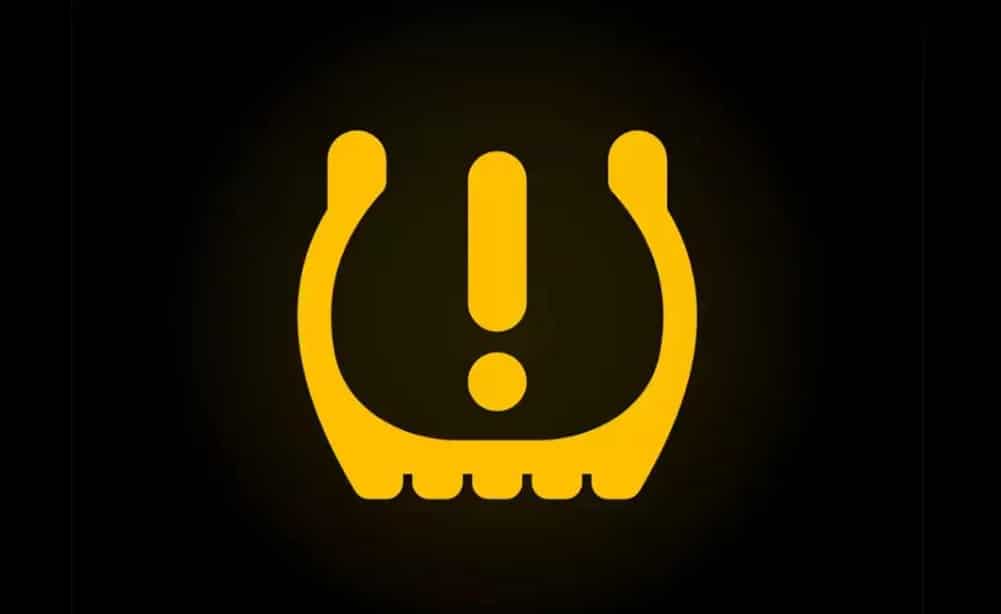
What is TPMS in Hyundai Vehicles?
The Tire Pressure Monitoring System, known as TPMS, is a safety feature installed in Hyundai vehicles to monitor air pressure inside each tire. It helps drivers maintain proper tire conditions at all times. When the pressure drops below a safe level, the system immediately triggers a warning light on the dashboard.
Hyundai uses TPMS to improve driving safety and vehicle performance. Proper tire pressure helps the car maintain better grip on the road, reduce fuel consumption, and extend tire lifespan. When the pressure is too low or too high, the system detects the change and alerts the driver before it becomes a serious problem.
Most Hyundai vehicles use a direct TPMS system. This system relies on sensors placed inside each tire. These sensors measure real time air pressure and send data to the vehicle computer. Some older or simpler models may use an indirect system that calculates tire pressure based on wheel speed.
The TPMS light does not always mean there is a flat tire. It can also appear after tire rotation, seasonal temperature changes, or when tires are replaced or inflated. In these cases, the system may need a reset to recognize the new pressure values.
Understanding how TPMS works is important because it helps you respond correctly when the warning light appears. Instead of guessing or ignoring the alert, you can identify whether it is a real safety issue or a system update requirement.
Why Hyundai TPMS Light Turns On
The TPMS light on a Hyundai vehicle can turn on for several reasons. In many cases, it does not indicate a serious failure. Instead, it signals that the system has detected a change in tire pressure or a condition that requires attention.
One of the most common reasons is low tire pressure. When one or more tires lose air, the TPMS system detects the drop and activates the warning light. This often happens due to slow leaks, punctures, or natural air loss over time.
Temperature changes can also trigger the TPMS light. When the weather becomes colder, tire pressure usually decreases. This drop can be enough for the system to activate the warning even if the tires were properly inflated before.
Another common situation happens after tire rotation or tire replacement. When tires are moved to different positions, the system may lose track of sensor data. In this case, a reset is often needed to update the system and clear the warning light.
A faulty TPMS sensor can also cause the light to stay on. Each sensor has a battery with a limited lifespan. When the battery weakens or the sensor fails, the system may show a persistent warning even if tire pressure is normal.
In some cases, incorrect tire inflation can trigger the alert. Overinflated tires or uneven pressure between tires can confuse the system and cause the warning light to appear.
Understanding these causes helps you avoid unnecessary repairs. In many situations, you only need to adjust tire pressure or reset the system instead of replacing parts.
Step-by-Step Guide to Reset Hyundai TPMS
Resetting the TPMS light on a Hyundai vehicle is a simple process in many cases. However, the exact method can vary depending on the model and year. Before you start, make sure all tires are properly inflated to the recommended pressure listed on the driver door label.
The first step is to check tire pressure on all four tires. Use a tire pressure gauge to confirm each tire matches the recommended PSI. If any tire is low, inflate it to the correct level before continuing. This step is important because the system will not reset correctly if the pressure is still wrong.
Next, drive the vehicle for a short distance. In many Hyundai models, the TPMS system recalibrates automatically while driving. A steady drive at moderate speed for about ten to twenty minutes can help the system recognize the corrected tire pressure.
If your Hyundai model has a TPMS reset button, you can use it after adjusting tire pressure. The button is often located under the steering wheel or inside the glove box. Turn the ignition on without starting the engine, then press and hold the reset button until the TPMS light blinks. Release the button and wait a few minutes for the system to reset.
In some cases, restarting the vehicle also helps complete the reset process. Turn off the engine, wait for a few seconds, and then start the car again. This allows the system to refresh and recheck all sensor data.
If the TPMS light still stays on after these steps, the issue may require a deeper inspection. In such cases, a diagnostic tool or a visit to a Hyundai service center may be necessary.
Model-Specific TPMS Reset Guide
Different Hyundai models may handle the TPMS system in slightly different ways. Some models allow manual reset, while others rely on automatic recalibration while driving. Understanding each model helps you reset the system more effectively.
Hyundai Elantra TPMS Reset
The Hyundai Elantra often uses an automatic TPMS recalibration system. After adjusting tire pressure, the system usually resets while you drive. In most cases, you do not need a dedicated reset button.
Make sure all tires are inflated to the correct PSI. Then drive the vehicle at a steady speed for about fifteen to twenty minutes. The system will detect the updated pressure and turn off the warning light if everything is normal.
Hyundai Tucson TPMS Reset
The Hyundai Tucson may include a TPMS reset function depending on the model year. Some versions require manual reset using a button, while newer versions rely on automatic learning.
After correcting tire pressure, you can drive the vehicle for a short period. If your model has a reset button, activate it before driving to speed up the recalibration process.
Hyundai Santa Fe TPMS Reset
The Hyundai Santa Fe often uses a direct TPMS system with sensors on each wheel. After tire rotation or replacement, the system may take time to relearn sensor positions.
To reset it, first adjust all tire pressures. Then drive the vehicle for about twenty minutes at moderate speed. If the warning light remains, a diagnostic tool may be needed to complete sensor relearning.
Hyundai Accent TPMS Reset
The Hyundai Accent is usually simpler compared to larger models. Many versions do not have a physical reset button and depend entirely on automatic recalibration.
After inflating tires to the correct pressure, simply driving the vehicle for a short distance is often enough. The system will update and clear the warning light automatically.
What to Do If TPMS Light Won’t Turn Off
Sometimes the TPMS light on a Hyundai vehicle stays on even after you have inflated the tires and tried resetting the system. When this happens, the issue usually goes beyond simple tire pressure adjustment. You need to check a few deeper causes to identify the problem correctly.
The first thing to verify is tire pressure again. Even a small difference between tires can keep the warning light active. Make sure all four tires match the recommended PSI listed on the driver door sticker. If one tire is still slightly low or overinflated, the system may continue to trigger the alert.
If the tire pressure is correct, the next possible cause is a faulty TPMS sensor. Each wheel has a sensor that sends pressure data to the car’s computer. When a sensor battery weakens or fails, the system may show a persistent warning light even when everything looks normal.
In some cases, the system requires a sensor relearn process. This process helps the vehicle recognize each sensor again after tire rotation or replacement. Many Hyundai models need a diagnostic tool to complete this step properly.
You can also try restarting the vehicle after a short drive. This helps the system refresh and recheck all sensor signals. However, if the light still does not turn off, the issue is likely technical rather than procedural.
If none of these steps work, it is best to visit a Hyundai service center. Technicians can scan the system for error codes and identify whether a sensor replacement or system reset is required.
Common Mistakes When Resetting TPMS
Many Hyundai owners try to reset the TPMS light quickly, but small mistakes can prevent the system from working correctly. Understanding these mistakes helps you avoid unnecessary frustration and repeated warnings.
One common mistake is resetting the TPMS system without checking tire pressure first. The system relies on accurate pressure data, so if one tire is still low or overinflated, the warning light will not turn off. Always check and adjust all tires before attempting any reset.
Another mistake is ignoring temperature effects on tire pressure. Cold weather can reduce tire pressure naturally, and this can trigger the TPMS light even if no tire is damaged. Many drivers reset the system without realizing that the pressure will continue to drop due to temperature changes.
Some drivers also assume the sensor is broken too early. In many cases, the system only needs time to recalibrate after tire rotation or inflation. Replacing sensors immediately without proper diagnosis can lead to unnecessary cost.
Overinflating tires is another frequent issue. Some drivers add extra air thinking it will help clear the warning light faster. However, uneven or excessive pressure can confuse the system and keep the light on.
Finally, many users forget that some Hyundai models require driving time after a reset. The system often needs several minutes of driving to complete recalibration. Skipping this step can make it seem like the reset did not work.
Preventing Future TPMS Issues
Preventing TPMS issues on a Hyundai vehicle is easier than fixing them repeatedly. Regular maintenance and proper tire care help the system work accurately and reduce the chance of warning lights appearing unexpectedly.
The most important habit is checking tire pressure regularly. You should inspect all four tires at least once a month. This helps you detect slow air leaks early and keeps the TPMS system working with accurate data. Always check tire pressure when the tires are cold for the most accurate reading.
Seasonal changes also affect tire pressure. When temperatures drop, tire pressure naturally decreases. During colder months, you should check and adjust tire pressure more often to avoid false warnings from the system.
Proper tire rotation is another key factor. Rotating tires helps ensure even wear and stable performance. After each rotation, the TPMS system may need time to recalibrate. In some cases, a reset is required to synchronize sensor data.
It is also important to avoid using incompatible wheels or aftermarket sensors that are not designed for Hyundai systems. Incorrect components can cause communication errors and trigger frequent TPMS warnings.
Finally, regular vehicle servicing helps maintain the entire monitoring system. Technicians can detect early sensor issues and ensure the TPMS system continues to function correctly over time.
Conclusion
Understanding how to reset Hyundai TPMS light helps you handle one of the most common dashboard warnings with confidence. In most cases, the issue does not come from a serious failure. It usually appears after tire inflation, rotation, or normal pressure changes.
The Tire Pressure Monitoring System plays an important role in keeping your Hyundai safe on the road. It helps you maintain correct tire pressure, improve fuel efficiency, and extend tire life. When the warning light appears, it simply means the system has detected a change that needs attention or recalibration.
In many situations, you can fix the issue by checking tire pressure, driving for a short period, or using the reset function if your model includes it. If the light stays on, the problem may relate to a sensor issue or system recalibration requirement.
By following the steps in this guide, you can reset the TPMS system across different Hyundai models without confusion. You also know when the issue is simple and when it requires professional support.
Regular tire maintenance and proper system checks will help you avoid repeated TPMS warnings in the future. This ensures a safer and more stable driving experience every time you use your Hyundai.