The Check ESC light on a Hyundai vehicle is an important warning on the dashboard. It relates to the Electronic Stability Control system. This system helps the driver keep control of the car in difficult road conditions such as rain, snow, or sharp turns. When the light turns on, the system detects a problem or stops working as expected. This issue may be temporary or permanent depending on the cause.
The ESC system works with ABS and traction control to improve driving safety. It collects data from different sensors in the vehicle. These sensors include wheel speed sensors and steering angle sensors. If one sensor sends incorrect data, the system may trigger a warning. In some cases, a weak battery or electrical issue can also activate the light.
Many drivers still notice normal driving behavior when the ESC light is on. However, the safety system may not fully protect the vehicle during sudden loss of grip. This increases risk in emergency situations or on slippery roads.
This article explains the meaning of the Hyundai Check ESC light. It also covers the main causes, common symptoms, and practical solutions. The goal is to help drivers identify the problem quickly and take the right action.
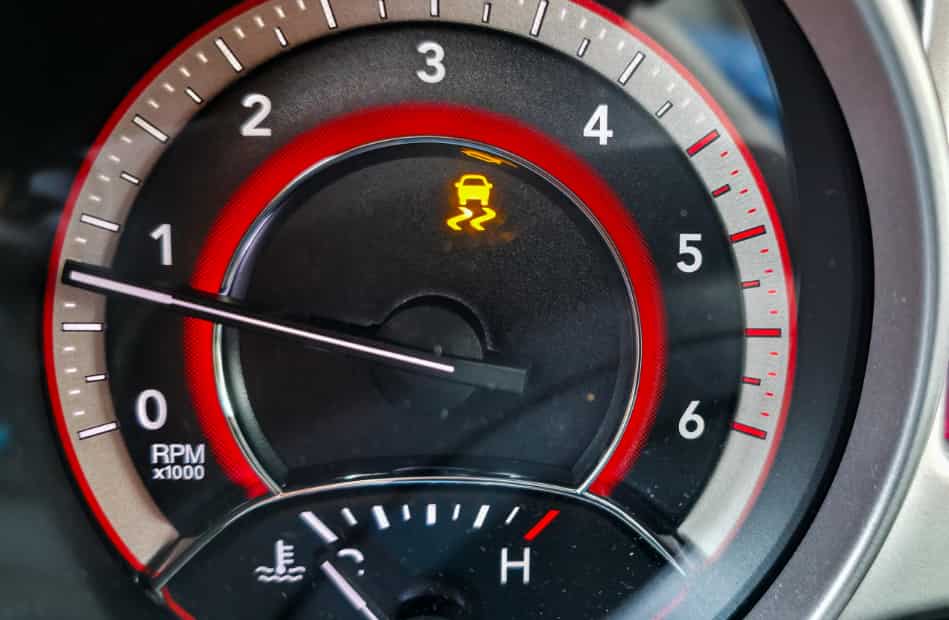
Common Causes of Hyundai Check ESC Light
The Hyundai Check ESC light appears when the system detects an abnormal signal from one or more components. The ESC system depends on multiple sensors and control units. A small failure in any part can trigger the warning light.
One of the most common causes is a faulty wheel speed sensor. Each wheel has a sensor that measures rotation speed. The ESC system uses this data to detect slip. When a sensor becomes dirty or damaged, it sends incorrect signals. The system then turns on the warning light.
Another frequent cause is a problem with the steering angle sensor. This sensor tracks the position of the steering wheel. If it loses calibration, the ESC system cannot calculate vehicle direction correctly. This often happens after wheel alignment or suspension repair.
Battery voltage issues also play an important role. A weak or unstable battery can interrupt communication between control modules. When voltage drops too low, the ESC system may shut down as a safety measure.
ABS system faults can also trigger the ESC warning. The ESC system depends on ABS data to control braking force. If the ABS module fails, the ESC system loses critical input data and activates the warning light.
In some cases, damaged wiring or loose connectors cause signal loss. Moisture or corrosion in the sensor circuit can also lead to intermittent ESC warnings. These electrical issues often appear and disappear randomly.
Road conditions can also trigger a temporary ESC light. Slippery surfaces like snow, mud, or heavy rain may cause wheel slip. The system reacts by activating ESC intervention. In some cases, the warning light stays on until the system resets.
Modern Hyundai vehicles such as Hyundai models rely heavily on integrated safety systems. This means ESC, ABS, and traction control work together. A failure in one system often affects the others.
Symptoms When the Hyundai Check ESC Light Appears
When the ESC warning light turns on, the driver may notice several changes in vehicle behavior. In some cases, the car still drives normally. However, the stability support system no longer works at full capacity.
One common symptom is reduced traction control performance. The wheels may slip more easily on wet or uneven roads. The system no longer corrects wheel spin as effectively as before.
Another sign is the appearance of additional warning lights. The ABS light often turns on together with the ESC light. This indicates a shared issue in the braking and stability system.
Drivers may also feel differences during cornering. The vehicle can feel less stable when turning at higher speeds. The system normally helps balance the car during sharp turns, but this support becomes limited.
Braking behavior can also change. Some drivers report inconsistent brake response on slippery surfaces. The ESC system normally helps distribute braking force, but this function may stop working when a fault occurs.
In some Hyundai vehicles, the steering can feel slightly different. The steering assistance system may reduce support when ESC is disabled. This makes the car feel heavier or less responsive.
These symptoms often appear in models from Hyundai because ESC works closely with ABS and traction control. When one system fails, the others often show warning signals as well.
In many cases, the vehicle does not show obvious danger during normal driving. However, the risk increases in emergency situations or bad weather. This is why drivers should not ignore the ESC warning light even if the car feels normal.
Is It Safe to Drive with the Hyundai Check ESC Light On
When the ESC light stays on, the car usually remains drivable. However, the stability control system does not work fully. This reduces driving safety in certain conditions.
In normal dry road conditions, many drivers do not feel major changes. The vehicle can still accelerate, brake, and steer as usual. However, the system no longer helps correct wheel slip or loss of traction.
The risk becomes higher in rain, snow, or slippery roads. The ESC system normally helps the car stay stable during sudden steering or braking. When it is disabled, the driver must handle all corrections manually. This increases the chance of skidding.
Emergency situations also become more dangerous. If the driver needs to brake suddenly or avoid an obstacle, the system cannot assist with stability control. This can affect vehicle balance and stopping distance.
In some cases, the ESC warning appears together with ABS or traction control warnings. When multiple systems fail at the same time, the vehicle loses several layers of safety protection. This situation requires immediate inspection.
Models from Hyundai are designed with integrated safety systems. These systems depend on each other to maintain stability. When ESC is not working, the overall safety level decreases even if the car still moves normally.
It is possible to drive short distances with the ESC light on. However, long trips or high speed driving are not recommended. The safest option is to diagnose and fix the issue as soon as possible.
How to Diagnose and Fix Hyundai Check ESC Issue
When the ESC warning appears, you should start with basic checks before moving to advanced diagnostics. This helps you identify simple causes and avoid unnecessary repair costs.
First, restart the vehicle. In some cases, the ESC light appears due to a temporary system glitch. Turning the engine off and restarting can reset the system.
Next, check the battery condition. A weak or unstable battery often causes communication errors between control modules. Make sure the battery terminals are clean and securely connected.
Then inspect the wheel speed sensors. These sensors are located near each wheel hub. Dirt, mud, or damage can affect their accuracy. Cleaning the sensors can sometimes resolve the issue.
You should also check tire condition and tire pressure. Uneven tire pressure can affect wheel speed readings. This can confuse the ESC system and trigger a warning light.
If the problem continues, use an OBD2 scanner. This tool reads error codes from the vehicle computer. It helps identify whether the issue comes from ABS, ESC, or steering angle sensors.
Another important step is steering angle sensor calibration. This sensor must stay aligned with the steering wheel position. If it becomes misaligned after repairs or alignment work, the ESC system may fail.
In more complex cases, the ABS module may be the root cause. This requires professional inspection. The system inside Hyundai vehicles is highly integrated, so one failure can affect multiple safety systems.
If electrical wiring is damaged, a technician must inspect the circuit. Corrosion, loose connectors, or broken wires can interrupt signal flow between sensors and the control unit.
When basic steps do not solve the issue, you should visit a qualified workshop. A professional diagnosis ensures correct repair and prevents further system damage.
How to Prevent Hyundai Check ESC Problems
Preventing ESC issues helps you maintain vehicle safety and reduce repair costs. The ESC system depends on clean sensors, stable power, and correct calibration. Regular maintenance plays an important role in keeping the system stable.
One of the most effective prevention methods is keeping your tires in good condition. Worn or uneven tires can affect wheel speed readings. This creates incorrect signals and may trigger the ESC warning light.
You should also maintain correct tire pressure. Low or uneven pressure changes how each wheel rotates. The ESC system may interpret this as wheel slip and activate a warning.
Battery health is another important factor. A weak battery can cause unstable voltage in the electrical system. This affects communication between ESC, ABS, and other control modules. Regular battery checks help prevent unexpected system errors.
Keeping wheel speed sensors clean also helps prevent issues. Dirt, mud, or corrosion can block sensor signals. Cleaning the wheel area during maintenance reduces this risk.
Regular wheel alignment is also important. After alignment or suspension repair, the steering angle sensor may need recalibration. This ensures the ESC system reads steering input correctly.
Drivers should also avoid ignoring small warning signs. If the ESC light appears briefly and disappears, it may still indicate early sensor or electrical issues. Early diagnosis prevents larger system failures.
Vehicles from Hyundai use integrated safety systems. This means ESC works closely with ABS and traction control. Proper maintenance of all systems helps improve overall stability and driving safety.
Routine servicing at qualified workshops ensures all sensors and modules stay in good condition. This reduces the chance of unexpected ESC warnings during driving.
Conclusion
The Hyundai Check ESC light is an important warning that drivers should always take seriously. It indicates that the Electronic Stability Control system has detected a problem or stopped working correctly. This system plays a key role in keeping the vehicle stable during braking, cornering, and slippery road conditions.
In many cases, the issue comes from simple causes such as a faulty wheel speed sensor, weak battery, or steering angle misalignment. These problems may seem minor at first, but they can reduce driving safety if ignored for too long. More serious cases involve ABS faults or electrical wiring issues that require professional diagnosis.
Even if the vehicle still drives normally, the loss of ESC support increases risk in emergency situations. The system is designed to correct wheel slip and help maintain control. When it fails, the driver must handle all stability corrections manually.
Regular maintenance helps prevent most ESC-related problems. Checking tires, battery health, sensors, and alignment can significantly reduce the chance of warning lights appearing. Early diagnosis also helps avoid expensive repairs and system failures.
Models from Hyundai rely on integrated safety systems where ESC, ABS, and traction control work together. When one system fails, overall safety performance decreases. This makes timely inspection very important for every driver.
Understanding the meaning of the ESC warning light helps drivers make better decisions on the road. It ensures safer driving, faster troubleshooting, and better long-term vehicle performance.