When people search for Hyundai Tucson gas type, they are usually trying to understand one simple but important question. What kind of fuel does the Hyundai Tucson actually use and does it matter for performance, cost, and long term ownership. This question is more important than it looks because fuel type directly affects engine efficiency, maintenance cost, and even driving experience over time.
The Hyundai Tucson is one of the most popular compact SUVs in global markets. It comes in different engine configurations depending on the region and model year. Some versions run on gasoline, some include diesel options, and newer generations introduce hybrid systems. Because of this variation, many buyers feel confused when trying to identify the correct fuel type.
Understanding the gas type is not only about knowing what to put in the tank. It also helps you avoid engine damage, optimize fuel consumption, and choose the right version of the vehicle for your driving needs. Many users overlook this detail and end up comparing the wrong configurations or misunderstanding fuel recommendations from different markets.
In this guide, we will break down everything you need to know about Hyundai Tucson gas type in a clear and practical way. You will learn what fuel the Tucson uses, how it differs across models and regions, and why this information is important before making a purchase decision.
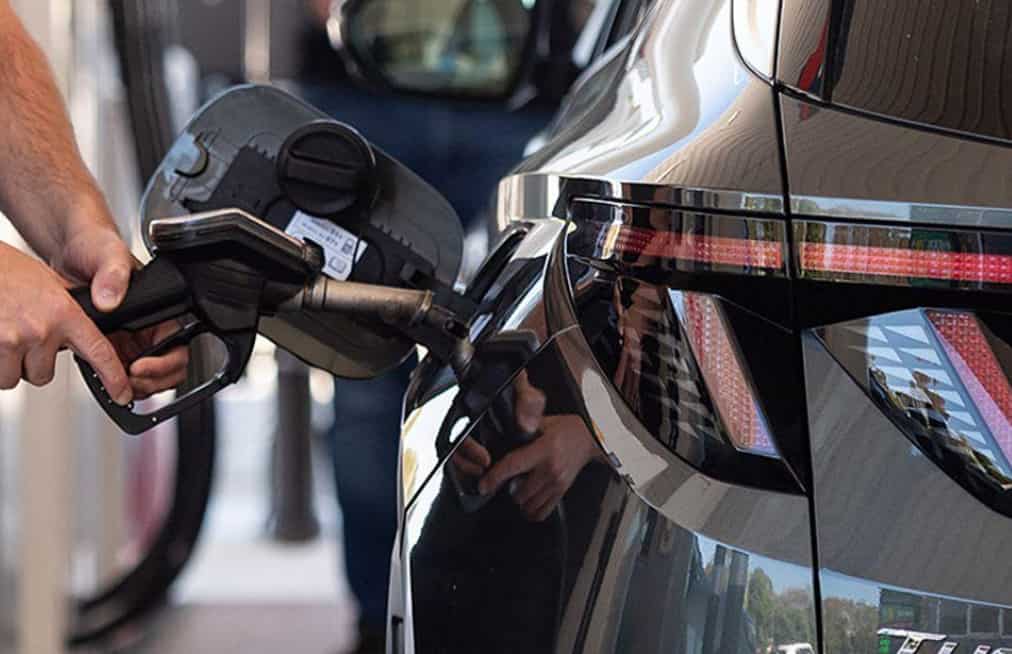
Hyundai Tucson Gas Type Overview
The gas type of the Hyundai Tucson depends on the engine and the market. Different regions offer different fuel configurations. Most versions use gasoline as the main fuel type. Some markets also provide diesel and hybrid options.
The Hyundai Tucson mainly comes with petrol engines in global markets. These engines run on standard unleaded gasoline. Drivers can use regular fuel in most versions without any issue. This makes the vehicle easy to operate in many countries.
Some regions still offer diesel variants. These models focus on higher torque and better fuel economy for long distance driving. Europe and a few Asian markets used these engines more in older generations. Newer models reduce diesel options due to stricter emission rules.
Hybrids also play a role in the Tucson lineup. These versions combine a gasoline engine with an electric motor. The system reduces fuel consumption during city driving and stop and go traffic. The gasoline engine still provides the main power source.
The Tucson does not rely on a single fuel type. It uses different powertrains based on market needs. Buyers should always check the exact model and engine version before choosing fuel.
Hyundai Tucson Petrol vs Diesel vs Hybrid Engines
The Hyundai Tucson offers three main engine types in different markets. These include petrol, diesel, and hybrid systems. Each option serves a different driving need and user preference.
Petrol engines are the most common choice for the Hyundai Tucson. These engines focus on smooth performance and easy maintenance. They work well for daily city driving and short trips. Most global markets support petrol versions as the standard option.
Diesel engines target drivers who need higher torque and long distance efficiency. These engines perform better on highways and heavy load conditions. They also consume less fuel on long journeys compared to petrol engines. However, many markets reduce diesel availability due to emission regulations.
Hybrid engines combine a petrol engine with an electric motor. This system improves fuel efficiency and reduces emissions. The electric motor supports the engine during acceleration and low speed driving. This setup helps reduce fuel consumption in traffic conditions.
Each engine type has clear strengths. Petrol focuses on balance and comfort. Diesel focuses on torque and efficiency for long distance use. Hybrid focuses on fuel savings and environmental performance.
Buyers should choose based on driving habits. City drivers benefit more from petrol or hybrid versions. Highway drivers may prefer diesel where it is still available. Hybrid models offer a middle option for users who want efficiency without changing driving behavior.
Recommended Fuel for Hyundai Tucson
The recommended fuel for the Hyundai Tucson depends on the engine type and market specification. Most petrol versions use standard unleaded gasoline. Some turbocharged engines require higher octane fuel for better performance and engine protection.
The Hyundai Tucson in many global markets runs well on regular gasoline. In most cases, drivers can use RON 91 or RON 92 without problems. These fuel types support daily driving and normal engine operation.
Some higher performance turbo engines recommend RON 95 fuel. This fuel has a higher octane rating. It helps prevent engine knocking during acceleration. It also improves combustion stability in demanding driving conditions.
Using lower octane fuel than recommended can reduce performance. It can also increase engine stress over time. The engine management system may adjust timing to protect itself, but this can reduce efficiency.
Diesel versions use standard diesel fuel based on regional standards. These engines do not use gasoline. Hybrid versions still use gasoline as the main fuel source. The electric motor only assists the engine and does not replace fuel completely.
Drivers should always follow the fuel information in the owner manual. This ensures correct engine performance and long term durability. Fuel choice directly affects efficiency, smoothness, and maintenance cost.
Fuel Efficiency and Real World Consumption of Hyundai Tucson
Fuel efficiency is one of the most important factors when people research Hyundai Tucson gas type. It directly affects running cost and long term ownership experience. The fuel consumption of the Hyundai Tucson changes depending on engine type, driving conditions, and model year.
The Hyundai Tucson delivers different fuel economy levels across petrol, diesel, and hybrid versions. Petrol engines usually consume more fuel in city driving. They perform well in mixed driving conditions but require more fuel during heavy traffic.
Diesel engines offer better fuel efficiency on highways. They maintain lower fuel consumption during long distance driving. This makes them suitable for users who travel frequently between cities or drive long routes.
Hybrid versions show the best fuel economy in urban environments. The electric motor supports the engine during low speed driving. This reduces fuel usage in stop and go traffic. Many users notice lower fuel cost in daily city commuting.
Real world fuel consumption often differs from official numbers. Driving style, traffic conditions, and load all affect fuel usage. Aggressive acceleration increases fuel consumption. Smooth driving helps improve efficiency.
Climate and road conditions also influence performance. Hot weather or heavy traffic can increase fuel usage. Highway driving usually improves fuel efficiency for all engine types.
Buyers should compare real world usage instead of only looking at official figures. This helps set realistic expectations and reduces confusion after purchase.
Conclusion and Why Hyundai Tucson Gas Type Matters
Understanding Hyundai Tucson gas type helps buyers make better decisions before purchasing. Fuel type affects performance, cost, and long term reliability. It also influences how the vehicle behaves in different driving conditions.
The Hyundai Tucson offers multiple engine options across global markets. These include petrol, diesel, and hybrid systems. Each option serves a different driving purpose. Petrol engines focus on balance and simplicity. Diesel engines focus on torque and long distance efficiency. Hybrid systems focus on fuel savings and reduced emissions.
Choosing the wrong fuel type or misunderstanding engine requirements can lead to poor performance. It can also increase fuel costs and reduce engine efficiency over time. This is why checking the correct engine specification is important before refueling or buying the vehicle.
Fuel type also affects ownership experience. City drivers benefit more from petrol or hybrid models. Highway drivers may prefer diesel where it is available. Hybrid models provide a balanced option for users who want efficiency without changing driving habits.
In the end, fuel type is not just a technical detail. It is a key factor that shapes how the Hyundai Tucson performs in real life. A clear understanding of gas type helps buyers avoid mistakes and choose the right version for their needs.