Range Shift Inhibited is a transmission condition where the system blocks gear shifting to protect the vehicle. The transmission control system activates this mode when it detects abnormal signals. These signals may come from sensors, hydraulic pressure, or electronic components. The system responds quickly to prevent damage to the drivetrain.
This issue often appears in vehicles with automatic transmission systems. It is common in heavy trucks, forklifts, and industrial machines. When it happens, the vehicle may stop shifting gears. In some cases, the machine may remain stuck in one gear or fail to move.
Operators often face sudden downtime when this error appears. This can disrupt work in logistics, construction, and warehouse operations. These environments depend on continuous machine performance, so even a short interruption can cause delays.
The system does not trigger this condition randomly. It uses real time data from the Electronic Control Unit and Transmission Control Module. When these systems detect unsafe conditions, they activate a protection mode. This mode blocks shifting until the problem is resolved.
This guide explains what Range Shift Inhibited means in detail. It also covers how the system works, what causes the issue, what symptoms to look for, and how to diagnose and fix it. The goal is to help you understand the problem early and reduce repair costs through better maintenance decisions.
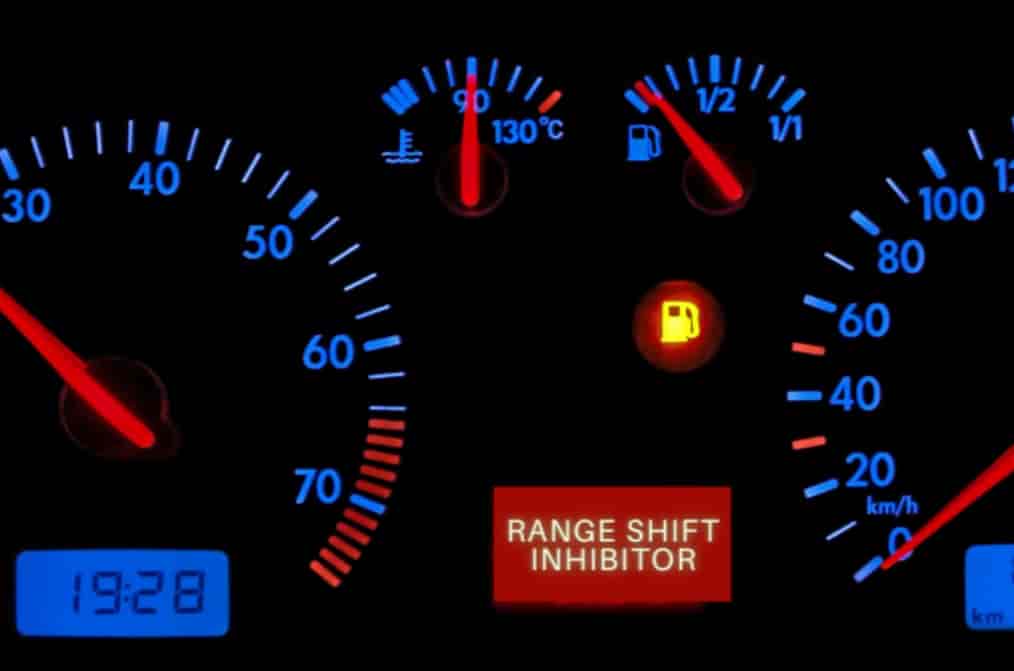
WHAT IS RANGE SHIFT INHIBITED?
Range Shift Inhibited is a safety response inside an automatic transmission system. The system blocks gear shifting when it detects abnormal operating conditions. It does this to protect internal components from damage and to maintain safe vehicle operation.
This condition is not a mechanical failure by itself. It is a control state created by the Transmission Control Module. The module continuously monitors signals from multiple components. These include gear position sensors, speed sensors, hydraulic pressure sensors, and electrical circuits.
When the system detects inconsistent or unsafe data, it activates a protection mode. In this mode, it prevents the transmission from shifting into another gear. This action reduces the risk of severe damage to the drivetrain.
Modern vehicles use electronic control systems such as the Electronic Control Unit and Transmission Control Module. These systems work together to manage gear shifting with precision. If one input signal becomes unstable, the system reacts immediately. It prioritizes safety over performance.
Range Shift Inhibited often appears in heavy-duty applications. It is common in forklifts, trucks, and industrial machines that rely on automatic transmission systems. These machines operate under heavy loads, so their control systems are highly sensitive to faults.
The system does not allow shifting until it restores normal operating conditions. In some cases, it may require manual inspection or electronic reset. In other cases, it waits until sensor signals return to stable values.
Understanding this condition helps operators avoid confusion. It is not just a warning light. It is a protective mechanism that signals a deeper issue inside the transmission system.
HOW RANGE SHIFT INHIBITED WORKS
Range Shift Inhibited activates when the transmission control system detects abnormal conditions during operation. The system relies on continuous communication between sensors, hydraulic components, and electronic control units. Each part sends real time data to ensure the transmission works within safe limits.
The Electronic Control Unit processes signals from multiple sensors. These sensors monitor gear position, vehicle speed, engine load, and hydraulic pressure. When all signals stay within normal range, the system allows smooth gear shifting. When one or more signals become unstable, the system reacts immediately.
The Transmission Control Module plays a key role in this process. It evaluates data patterns and compares them with predefined safety thresholds. If the module detects a mismatch between expected and actual values, it sends a command to block shifting. This action prevents mechanical stress inside the gearbox.
Hydraulic pressure also plays an important role. The system needs stable pressure to engage gears correctly. If pressure drops or fluctuates, the system interprets it as a risk condition. It then triggers shift inhibition to avoid internal damage.
Electrical signals are equally important. Faulty wiring, weak connections, or sensor errors can send incorrect data to the control unit. The system cannot confirm safe operation under these conditions, so it switches to protection mode.
This entire process happens in real time. The reaction is fast because the system prioritizes safety over performance. Once the issue is resolved and signals return to normal, the system may allow shifting again. In some cases, it requires a reset or diagnostic scan before normal operation resumes.
Understanding this logic helps explain why Range Shift Inhibited appears suddenly. It is not random. It is a structured safety response based on continuous system monitoring.
MAIN CAUSES OF RANGE SHIFT INHIBITED
Range Shift Inhibited appears when the transmission system detects a fault that affects safe gear shifting. The system does not allow shifting when it cannot confirm stable conditions. Several core issues can trigger this response, and most of them relate to electrical, hydraulic, or mechanical failures.
One of the most common causes is sensor malfunction. The transmission relies on sensors to track gear position, speed, and pressure. When a sensor sends incorrect or unstable data, the control system cannot verify safe operation. This immediately triggers shift inhibition.
Electrical issues also play a major role. Damaged wiring, loose connections, or corroded terminals can interrupt signal transmission. In some cases, low battery voltage can also affect the control unit. When power supply becomes unstable, the system may enter protection mode to avoid unpredictable behavior.
Hydraulic system problems are another key factor. The transmission depends on hydraulic pressure to engage gears. If pressure drops due to leaks, clogged filters, or pump failure, the system cannot complete gear shifts properly. It then blocks shifting to protect internal components.
Mechanical wear inside the gearbox can also cause this issue. Worn clutch packs, damaged gears, or internal friction can create abnormal resistance. The system detects this abnormal behavior and prevents further operation to avoid serious damage.
Software or calibration errors may also contribute. The Transmission Control Module relies on correct programming to interpret data. If the software becomes corrupted or outdated, it may misread normal signals as faults.
In many real cases, multiple causes happen at the same time. For example, a weak battery combined with a faulty sensor can trigger the error more easily. This is why proper diagnosis is important before replacing any parts.
Understanding these causes helps narrow down the problem faster and reduces unnecessary repair costs.
SYMPTOMS OF RANGE SHIFT INHIBITED
Range Shift Inhibited shows clear symptoms when the transmission system enters protection mode. These signs usually appear suddenly and affect normal vehicle operation. Most drivers notice them immediately because the vehicle behavior changes in a noticeable way.
One of the most common symptoms is gear shifting failure. The vehicle may refuse to shift into drive or reverse. In some cases, it stays locked in a single gear. This happens because the system blocks shifting to prevent internal damage.
Another frequent sign is the warning message on the dashboard. The alert may appear as “Range Shift Inhibited” or a similar transmission warning. This message indicates that the control system has detected an unsafe condition.
Drivers may also experience a lack of response when trying to move the vehicle. Even when the engine runs normally, the transmission does not engage. This creates a situation where the vehicle feels stuck or unresponsive.
Delayed shifting is another symptom in early stages. The transmission may hesitate before changing gears. This indicates that the system is struggling to confirm safe operating conditions.
In some cases, engine performance feels limited. The system may reduce power output to protect the drivetrain. This can make the vehicle feel weak or slow during acceleration.
Unusual behavior in the transmission system often appears before full failure. These early signs include inconsistent gear engagement or sudden drops in performance. Paying attention to these signals helps prevent more serious damage.
These symptoms always indicate that the system has activated a safety response. They should not be ignored because they point to underlying issues in sensors, hydraulics, or electronic control systems.
DIAGNOSTIC PROCESS
Diagnosing Range Shift Inhibited requires a structured approach. The system activates this mode for safety, so you must identify the root cause instead of only clearing the warning. A correct diagnosis helps avoid repeated failures and reduces repair costs.
The first step is to scan the system using a diagnostic tool. A scanner reads fault codes stored in the Transmission Control Module. These codes give direct clues about sensors, pressure issues, or electrical faults. Without this step, troubleshooting becomes guesswork.
Next, inspect all related sensors. Focus on gear position sensors, speed sensors, and hydraulic pressure sensors. Check if they send stable and consistent signals. If any sensor shows irregular readings, it may trigger shift inhibition.
After that, examine the wiring harness. Look for damaged wires, loose connectors, or corrosion. Electrical interruptions often cause false signals. Even a small connection issue can activate the protection mode.
Then check the hydraulic system. Measure the hydraulic pressure during operation. Low or unstable pressure often indicates pump issues, leaks, or clogged filters. Since the transmission depends on pressure to shift gears, any instability can trigger the error.
You should also inspect the battery and power supply system. Low voltage or unstable current can affect the Electronic Control Unit. When the ECU receives weak power, it may misinterpret normal signals as faults.
Finally, perform a system reset if no mechanical or electrical fault is found. Some cases require recalibration of the Transmission Control Module after repairs. This step helps restore normal communication between components.
A proper diagnostic process always follows this order. It starts with electronic scanning, then moves to sensors, wiring, hydraulics, and finally system reset. This logical flow ensures accurate identification of the root cause.
HOW TO FIX RANGE SHIFT INHIBITED ERROR
Fixing Range Shift Inhibited depends on the exact root cause found during diagnosis. The system enters protection mode to prevent damage, so you must address the underlying issue instead of only clearing the warning.
The first and simplest fix is to restart and reset the system. In some cases, the transmission control unit temporarily enters safety mode due to unstable signals. Turning the vehicle off and restarting it may restore normal operation if the fault is not persistent.
If the issue comes from sensors, you need to repair or replace the faulty component. Gear position sensors, speed sensors, and hydraulic pressure sensors are common failure points. When a sensor sends incorrect data, the system blocks shifting immediately.
If wiring problems exist, repair or replace damaged cables and connectors. Loose connections or corrosion can interrupt signals between the transmission and the control module. Once the electrical path is stable again, the system may return to normal operation.
Hydraulic system issues require more technical repair. You may need to refill transmission fluid, replace clogged filters, or repair hydraulic pumps. Stable hydraulic pressure is essential for proper gear engagement. Without it, the system will continue to block shifting.
In cases related to the Transmission Control Module, recalibration or reprogramming may be required. Software errors or corrupted settings can cause incorrect system behavior. A professional diagnostic tool is usually needed for this process.
If internal mechanical damage exists, such as worn clutches or gearbox wear, a full repair or rebuild may be necessary. These cases are more serious and often require professional service intervention.
After completing repairs, always run a system reset and test operation. This ensures that the transmission control system recognizes the corrected conditions and exits protection mode.
Fixing this error correctly requires a step by step approach. Each system layer must be checked carefully to ensure the issue does not return.
PREVENTIVE MAINTENANCE TIPS
Preventing Range Shift Inhibited is more effective than repairing it after it appears. This condition usually develops from small issues that build up over time. Regular maintenance helps keep the transmission system stable and reduces unexpected failures.
One of the most important practices is checking transmission fluid regularly. Low or degraded fluid affects hydraulic pressure and gear engagement. Clean and stable fluid ensures smooth operation and prevents stress on internal components.
You should also inspect sensors on a routine schedule. Gear position sensors and pressure sensors play a critical role in transmission control. Dust, vibration, or wear can affect their accuracy. Early detection of sensor issues helps avoid system shutdowns.
Electrical system maintenance is equally important. Check wiring connections, battery health, and grounding points. Unstable voltage or weak connections can send incorrect signals to the control module. This often leads to false system protection responses.
Regular diagnostic scanning also helps prevent issues. A periodic scan of the Transmission Control Module can detect early fault codes before they become serious problems. This allows proactive repair instead of emergency breakdowns.
Hydraulic system care is another key factor. You should monitor pressure levels and ensure there are no leaks. Replace filters on time to avoid contamination inside the system. Clean hydraulic flow supports stable gear shifting.
Avoid overloading the vehicle beyond its designed capacity. Excess load increases stress on the transmission system. Over time, this can lead to sensor errors, hydraulic strain, and mechanical wear.
Scheduled maintenance is the most reliable way to prevent Range Shift Inhibited. When all systems operate within normal conditions, the transmission control unit does not activate protection mode.
CONCLUSION
Range Shift Inhibited is not a simple warning. It is a protective response from the transmission control system. The system activates this mode when it detects unsafe operating conditions. It blocks gear shifting to protect the drivetrain from damage and to maintain overall system safety.
This condition often relates to issues in sensors, hydraulic pressure, electrical wiring, or the Transmission Control Module. Each of these components plays an important role in maintaining stable communication inside the transmission system. When one part fails or sends incorrect data, the system reacts immediately.
Understanding the causes and symptoms helps you respond faster. Common signs include gear shifting failure, warning messages on the dashboard, delayed response, and reduced vehicle performance. These symptoms always indicate that the system has entered protection mode for a reason.
A proper diagnostic process is essential before any repair. You need to scan fault codes, inspect sensors, check wiring, evaluate hydraulic pressure, and review system calibration. This structured approach ensures you identify the real problem instead of guessing.
Fixing the issue requires addressing the root cause. This may involve replacing sensors, repairing wiring, restoring hydraulic pressure, or recalibrating the control module. In more serious cases, mechanical repair may be necessary.
Preventive maintenance remains the most effective strategy. Regular inspections, fluid checks, sensor monitoring, and diagnostic scanning help keep the system stable. When all components work correctly, the transmission system can operate smoothly without entering protection mode.
By understanding how Range Shift Inhibited works, you can reduce downtime, avoid unnecessary repair costs, and maintain long term vehicle reliability.