Many Chevy Silverado owners ask the same question when they start maintenance work. They cannot find the fuel filter and assume something is missing. This confusion is very common, especially for people who work on older GM trucks and expect a simple inline fuel filter.
The location of the fuel filter on a Chevy Silverado depends on the model year. Chevrolet changed the fuel system design over time. Older trucks use external fuel filters. Newer models use an in tank fuel pump system that includes the filter. This change improves efficiency and reduces maintenance needs, but it also makes the part harder to locate.
You need to understand this difference before you start any inspection or repair. Some Silverado models still place the filter along the frame rail. Other models fully integrate the filter into the fuel tank assembly. This guide explains every generation from 1999 to 2024. It shows you exactly where the fuel filter is located and what you should expect when working on your truck.
Understanding the Chevy Silverado Fuel System Design
The Chevy Silverado fuel system controls how fuel moves from the tank to the engine. It plays a key role in engine performance, fuel efficiency, and reliability. Over the years, Chevrolet updated this system to improve durability and reduce maintenance needs.
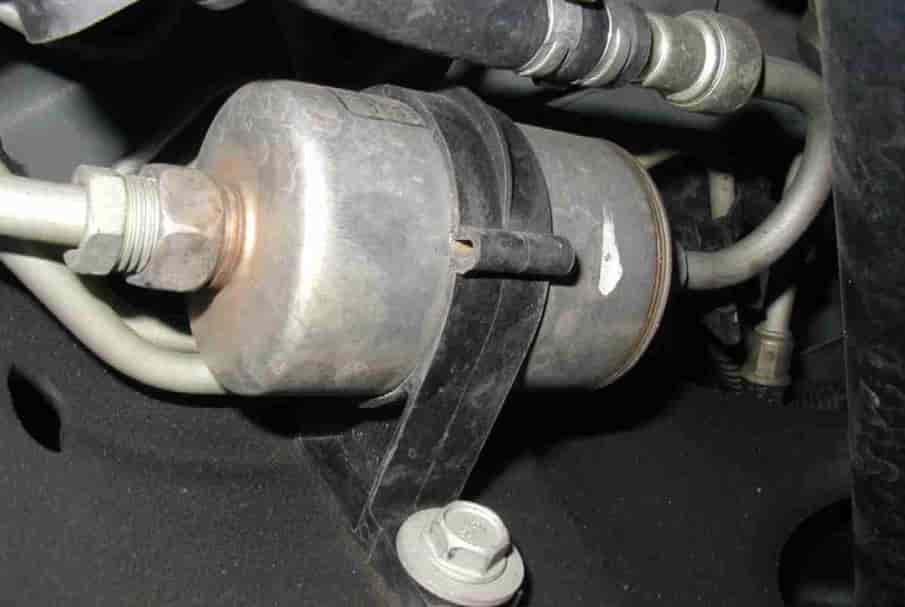
Older Silverado models use a simpler layout. They include a fuel tank, a fuel pump, fuel lines, and an external fuel filter. In these versions, the filter sits along the frame rail. Mechanics can replace it without removing major components.
Newer Silverado models use a different design. The fuel pump and fuel filter are combined into a single module inside the fuel tank. This setup removes the external filter completely. It also reduces exposed fuel lines and lowers the risk of contamination.
Chevrolet made this change to improve long term reliability. Modern fuel systems also handle cleaner fuel compared to older vehicles. As a result, the fuel filter no longer needs frequent replacement as a separate part.
This design shift explains why many owners struggle to find the fuel filter. The part still exists, but it now sits inside the tank and works as part of the fuel pump assembly.
Where Is the Fuel Filter on Chevy Silverado
The fuel filter on most Chevy Silverado models is not in an easy external location. In many modern versions, Chevrolet places the fuel filter inside the fuel tank. It is built directly into the fuel pump assembly.
This design means you will not find a separate fuel filter along the fuel line. Many owners search under the truck and expect a visible inline filter. That part location was common in older trucks but not in newer Silverado models.
If your Silverado is a recent model, the fuel filter stays inside the tank for its entire service life. It works together with the fuel pump to clean fuel before it reaches the engine. You do not replace it as a standalone part in normal maintenance.
Older Silverado models work differently. They use an external fuel filter mounted along the frame rail. You can access and replace it without removing the fuel tank. This setup makes maintenance easier but applies only to specific model years.
Understanding this difference is important before you attempt any repair. The fuel filter still exists in all Silverado trucks, but its location depends completely on the fuel system design and model year.
Chevy Silverado Fuel Filter Location by Model Year (1999–2006)
Chevy Silverado models from 1999 to 2006 use an older fuel system design. In many of these trucks, the fuel filter sits outside the fuel tank. Chevrolet installs it along the frame rail, usually under the driver side of the vehicle.
This external placement makes the filter easier to access. You can replace it without removing the fuel tank or major components. Mechanics often complete the job in a short time with basic tools.
However, the exact setup can vary depending on the engine type and configuration. Some versions still use an inline filter in a different position, but they all remain external and serviceable.
During this period, Chevrolet designed the fuel system with regular maintenance in mind. The fuel filter acts as a separate part that traps dirt and debris before fuel reaches the engine. Over time, the filter becomes clogged and needs replacement to maintain performance.
If your Silverado falls within this generation, you can usually locate the filter by following the fuel lines from the tank toward the engine. It will sit mounted to the frame in a protected position.
Chevy Silverado Fuel Filter Location by Model Year (2007–2013)
Chevy Silverado models from 2007 to 2013 belong to the GMT900 generation. This period marks an important transition in fuel system design. Chevrolet began shifting away from external fuel filters during these years.
Early models in this range may still include an external fuel filter. In those cases, the filter sits along the frame rail, similar to older trucks. You can access it from underneath the vehicle and replace it without removing the fuel tank.
As the generation progressed, Chevrolet started integrating the fuel filter into the fuel pump module inside the tank. Later models in this range no longer use a separate external filter. Instead, the filter becomes part of the in tank assembly.
This change often creates confusion for owners. Two trucks from the same generation can have different fuel system layouts. That is why model year and engine type matter when identifying the correct fuel filter location.
If your Silverado falls within this range, you should first confirm whether your model uses an external filter or an in tank system. This step helps avoid unnecessary inspection under the truck when no external filter exists.
Chevy Silverado Fuel Filter Location by Model Year (2014–2018)
Chevy Silverado models from 2014 to 2018 use a fully modernized fuel system. In this generation, Chevrolet removes the external fuel filter completely. The fuel filter becomes part of the fuel pump module inside the fuel tank.
You will not find any serviceable fuel filter along the fuel lines or frame rail. Many owners check underneath the truck and assume the filter is missing. In reality, the design has changed and the filter is now sealed inside the tank assembly.
This setup improves fuel system efficiency and reduces external failure points. It also means the fuel filter does not require regular replacement as a separate maintenance item. Instead, it lasts as long as the fuel pump module.
If a fuel restriction or clog occurs, technicians replace the entire fuel pump assembly. This process requires removing the fuel tank and is more complex than older external filter replacements.
For this generation, understanding the system design is important. There is no external filter to locate or service. Everything is integrated inside the tank, and maintenance focuses on the fuel pump module rather than a standalone filter.
Chevy Silverado Fuel Filter Location by Model Year (2019–2024)
Chevy Silverado models from 2019 to 2024 use the latest T1 platform fuel system. In this generation, Chevrolet continues the fully integrated design. The fuel filter sits inside the fuel tank as part of the fuel pump module.
You will not find any external fuel filter on these models. Chevrolet does not install a separate serviceable filter along the frame or fuel lines. This design remains consistent across all trims and engine options in this range.
The fuel filter works continuously inside the tank to clean fuel before it reaches the engine. It does not require routine replacement under normal maintenance schedules. When the system fails or becomes restricted, technicians replace the entire fuel pump assembly.
Many owners still search for an external filter because older trucks used that setup. This generation removes that part completely. The fuel system now focuses on long term sealed operation rather than frequent filter service.
If you own a 2019 to 2024 Silverado, you should not expect to locate a replaceable fuel filter. The correct service approach involves diagnosing the fuel pump module rather than searching for an external filter.
Why Chevy Removed External Fuel Filters
Chevrolet removed external fuel filters to simplify the fuel system and improve long term reliability. Modern fuel quality also played a role in this decision. Cleaner fuel reduces the need for frequent external filtration changes.
Older systems used a separate inline fuel filter. This design required regular replacement and added extra service points along the fuel line. Over time, these external components increased maintenance complexity and cost.
Newer Silverado models integrate the fuel filter into the fuel pump module inside the tank. This change reduces exposed parts under the vehicle. It also lowers the risk of leaks, contamination, and physical damage from road debris.
Chevrolet also improved fuel pump design during this transition. The combined module now handles fuel delivery and filtration in one sealed unit. This improves consistency and reduces failure points in the fuel system.
However, this design also changes how maintenance works. You can no longer replace the fuel filter as a simple standalone part. Instead, technicians service the entire fuel pump assembly when issues occur.
This evolution explains why modern Silverado owners often cannot find a traditional fuel filter location under the truck.
Symptoms of a Clogged Fuel Filter in Chevy Silverado
A clogged fuel filter in a Chevy Silverado affects how fuel flows to the engine. When restriction happens, the engine does not receive a steady fuel supply. This leads to clear performance issues that drivers can notice during normal driving.
One common symptom is engine hesitation during acceleration. The truck may feel weak when you press the gas pedal. Fuel flow cannot keep up with engine demand, so power drops for a short time.
Hard starting is another sign. The engine may crank longer than usual before it starts. In some cases, it may not start on the first try because fuel pressure is too low.
You may also notice loss of power when driving uphill or carrying a load. The engine struggles because it cannot maintain proper fuel delivery under stress.
Misfires can also occur. The engine may run unevenly or shake slightly when fuel supply becomes unstable. This often happens at higher speeds or under heavy throttle.
These symptoms do not always confirm a fuel filter issue, but they are strong indicators of a restriction in the fuel system. Proper diagnosis is important before replacing major components.
How to Replace Fuel Filter or Fuel Pump Module
The replacement process depends entirely on the model year of your Chevy Silverado. Older models with an external fuel filter allow a simple and direct replacement. Newer models require replacing the fuel pump module inside the fuel tank.
For older Silverado models, the fuel filter sits along the frame rail. You can access it from underneath the truck. Mechanics usually release the fuel line pressure first, then disconnect the filter and install a new one. This process is fast and does not require removing the fuel tank.
For newer Silverado models, the fuel filter is part of the fuel pump assembly inside the tank. You cannot replace it separately. When a failure occurs, technicians remove the fuel tank and replace the entire module. This job requires more time and proper safety precautions because it involves fuel handling.
You should always reduce fuel pressure before starting any work on the fuel system. Fuel is highly flammable, so safety is critical during replacement or inspection. Using proper tools and following service procedures helps prevent leaks and damage.
Before attempting any repair, confirm your model year and fuel system type. This step avoids unnecessary work and ensures you choose the correct replacement method.
CONCLUSION
The location of the fuel filter on a Chevy Silverado depends completely on the model year and fuel system design. Older Silverado trucks use an external fuel filter mounted along the frame rail. These models allow easy access and simple replacement during routine maintenance.
Newer Silverado models from 2014 onward use a different setup. Chevrolet integrates the fuel filter into the fuel pump module inside the fuel tank. This design removes the external filter completely and shifts maintenance toward full module replacement instead of individual parts.
This change often confuses owners who expect to find a visible fuel filter under the truck. In reality, the system design has evolved to improve durability and reduce external failure points. The fuel filter still exists in every Silverado, but its location is no longer the same across all generations.
Understanding your model year is the key to identifying the correct fuel system layout. It helps you avoid unnecessary inspections and ensures you follow the right maintenance approach.
If you are unsure about your Silverado fuel system, always confirm the exact model year before attempting any repair. This simple step saves time and prevents incorrect assumptions about missing parts.