Following the correct Kia Sportage service schedule helps your SUV stay reliable, efficient, and safe. Regular maintenance protects important components and reduces the chance of unexpected repairs. It also improves fuel economy, supports better performance, and helps preserve your vehicle’s resale value. Whether you drive every day or only on weekends, routine service keeps your Kia Sportage in excellent condition.
Many owners know that maintenance matters, but they often feel unsure about the right service intervals. They may wonder when to change the engine oil, rotate the tires, inspect the brakes, or replace important filters and fluids. Missing these milestones can lead to higher repair costs and shorten the lifespan of major components. Fortunately, following a clear maintenance schedule makes vehicle ownership much easier.
This complete guide explains the Kia Sportage service schedule by mileage in a simple and practical way. You will learn what maintenance your SUV needs at each mileage interval and why every service matters. The guide also covers common maintenance costs, essential inspection points, and useful tips that help you keep your Kia Sportage running smoothly for many years.
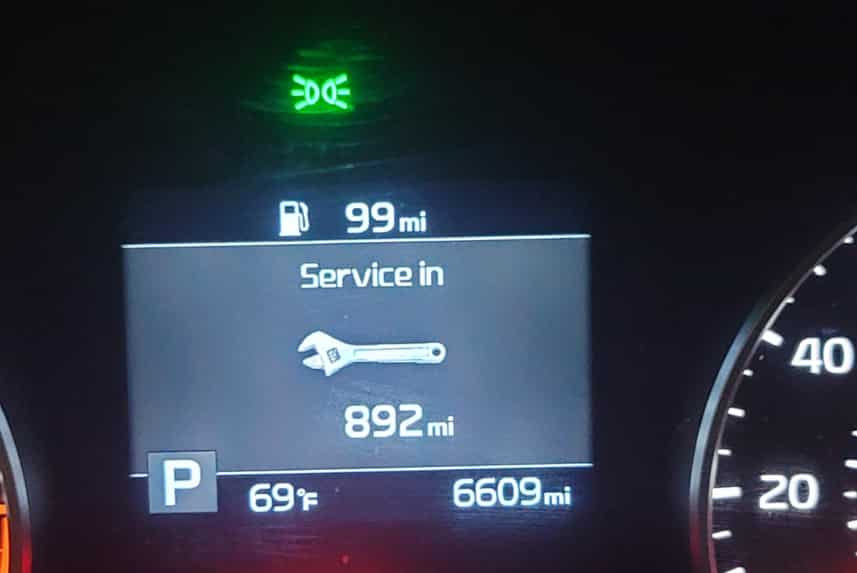
What Is the Kia Sportage Service Schedule?
The Kia Sportage service schedule is a manufacturer recommended maintenance plan that helps owners keep their SUV in excellent condition throughout its lifespan. It outlines the ideal mileage intervals for inspecting, servicing, and replacing essential components such as engine oil, filters, brakes, tires, fluids, and other critical systems. Following the recommended schedule helps maintain strong performance, improves fuel efficiency, and reduces the risk of unexpected mechanical problems. It also supports the long term reliability of the vehicle and helps preserve its resale value.
Routine maintenance is much more than changing the engine oil. Every scheduled service allows technicians to inspect important parts before minor wear develops into costly repairs. Regular tire rotations improve handling and extend tire life, while brake inspections help ensure consistent stopping power. Fluid checks, battery inspections, and filter replacements also contribute to a smoother and safer driving experience. Completing these services on time can save money by preventing expensive component failures and reducing long term repair costs.
Although many Kia Sportage models follow similar maintenance intervals, the exact service schedule may vary depending on the model year, engine type, and driving conditions. Vehicles that frequently operate in heavy traffic, extreme temperatures, dusty environments, or mountainous areas often require more frequent maintenance than those driven under normal conditions. For this reason, owners should always use the Kia Sportage service schedule as a practical guide while referring to the owner’s manual for vehicle specific recommendations. Combining routine inspections with timely maintenance is the most effective way to keep your Kia Sportage reliable, efficient, and ready for every journey.
Kia Sportage Service Schedule by Mileage
Following the recommended Kia Sportage service schedule by mileage is the easiest way to keep your SUV running safely and efficiently. Each maintenance interval focuses on specific components that naturally wear over time. Completing these services on schedule helps improve performance, extend the life of major parts, and reduce the likelihood of expensive repairs. While exact recommendations may vary slightly by model year and engine, the following guide covers the maintenance tasks that most Kia Sportage owners should expect throughout the vehicle’s lifetime.
Every 8000 Miles
The first routine service is one of the most important because it establishes a strong maintenance routine for your vehicle. At this interval, replace the engine oil and oil filter to keep the engine properly lubricated and protected from excessive wear. Fresh oil also helps maintain fuel efficiency and ensures smooth engine operation in different driving conditions.
Technicians should rotate all four tires during the same visit. Regular tire rotation promotes even tread wear, improves handling, and extends tire life. It is also a good time to inspect tire pressure and adjust it according to the manufacturer’s recommendations.
A complete vehicle inspection should accompany every routine service. This inspection includes the brake pads, brake discs, steering components, suspension parts, battery condition, exterior lights, windshield wipers, and drive belts. Technicians should also check engine coolant, brake fluid, transmission fluid, and windshield washer fluid to confirm that every system operates correctly.
Every 16000 Miles
The sixteen thousand mile service includes all maintenance performed at the previous interval. In addition, the cabin air filter should be inspected and replaced if necessary. A clean cabin filter improves airflow inside the vehicle and helps the climate control system perform more efficiently. It also reduces dust, pollen, and other airborne particles that enter the cabin.
The engine air filter should also receive careful attention. A clogged filter limits airflow to the engine, which may reduce power and fuel economy. Replacing a dirty air filter helps the engine breathe more efficiently and supports consistent performance.
During this visit, technicians should inspect the cooling system, steering linkage, suspension components, brake hoses, fuel lines, and exhaust system. Early detection of worn or damaged parts allows owners to address minor issues before they become costly repairs. Keeping up with these inspections helps maintain the reliability and safety of your Kia Sportage for the long term.
Every 24000 Miles
By the time your Kia Sportage reaches twenty four thousand miles, routine maintenance becomes even more important. This service includes everything completed during previous visits, along with a more detailed inspection of components that experience gradual wear. Staying on schedule at this stage helps prevent small issues from affecting the overall performance and reliability of your SUV.
The engine oil and oil filter should be replaced to maintain proper lubrication and reduce internal engine wear. Tire rotation should also be completed to promote even tread wear and improve driving stability. Technicians should inspect the brake pads, brake discs, steering system, suspension components, and tires for signs of uneven wear or damage.
The battery, charging system, and electrical connections should receive a thorough inspection. This helps identify weak batteries or loose connections before they lead to starting problems. The cooling system should also be checked for leaks, while all major fluid levels should be inspected and adjusted if necessary. Completing these routine services helps your Kia Sportage continue operating safely and efficiently.
Every 32000 Miles
The thirty two thousand mile service focuses on replacing several wear items that directly affect engine performance and driving comfort. In addition to the standard oil change and tire rotation, the engine air filter should normally be replaced if it has not already been changed. A clean air filter allows the engine to receive sufficient airflow, which supports better acceleration and fuel economy.
Technicians should inspect the brake fluid to confirm that it remains clean and free from moisture contamination. They should also examine the drive belts, radiator hoses, and cooling system for signs of aging or cracking. These inspections help prevent unexpected failures that could leave the vehicle stranded.
The steering and suspension systems deserve another detailed inspection because these components play a major role in ride quality and vehicle control. Wheel alignment should also be evaluated if the tires show uneven wear or if the vehicle pulls to one side while driving.
Every 48000 Miles
At forty eight thousand miles, your Kia Sportage continues to benefit from consistent preventive maintenance. This service includes all routine inspections completed at earlier intervals while placing additional attention on components that naturally wear with mileage.
Replace the engine oil and oil filter, then rotate the tires to maintain even tread wear. Inspect the brake system carefully because brake pads and rotors may begin approaching the end of their service life depending on driving habits. Replacing worn brake components before they fail improves safety and prevents damage to other braking parts.
Technicians should inspect the transmission, cooling system, fuel system, and exhaust system for leaks or signs of deterioration. The cabin air filter should also be replaced if it restricts airflow or reduces the efficiency of the heating and air conditioning system. Finally, inspect the battery and charging system to ensure dependable starting performance throughout every season.
Every 64000 Miles
Reaching sixty four thousand miles is an important milestone because several major components require closer attention. While routine services remain essential, this interval often includes inspections that help prepare the vehicle for many more years of reliable operation.
Engine oil and the oil filter should be replaced as usual, and the tires should be rotated and inspected for uneven wear. Technicians should carefully examine the spark plugs because worn plugs can reduce engine performance, increase fuel consumption, and cause rough idling. Replacing them at the recommended interval helps restore smooth engine operation.
The cooling system should receive a comprehensive inspection, including the radiator, hoses, and coolant condition. Brake fluid should also be evaluated and replaced if necessary to maintain consistent braking performance. Finally, inspect the suspension, steering components, wheel bearings, and drive shafts for excessive wear. Addressing these items early helps prevent expensive repairs and keeps your Kia Sportage performing with confidence for many additional miles.
Every 96000 Miles
The ninety six thousand mile service is a major maintenance milestone for the Kia Sportage. By this point, many components have experienced years of regular use. A detailed inspection helps maintain reliability and reduces the risk of unexpected repairs as the vehicle continues to age.
Begin with a fresh engine oil and oil filter replacement to protect the engine from wear. Rotate the tires and inspect the tread depth to confirm that they continue to provide safe traction. Technicians should also examine the brake pads, brake discs, and brake lines to ensure the braking system remains in excellent condition.
The cooling system deserves careful attention at this interval. Inspect the radiator, water pump, hoses, and coolant for signs of wear or leakage. The battery and charging system should also be tested to verify dependable starting performance. In addition, inspect the steering, suspension, wheel bearings, and drive shafts for excessive wear that could affect ride quality or vehicle control.
Spark plugs should be replaced if they have reached the recommended service life. Replacing worn spark plugs helps restore smooth engine performance, improves fuel economy, and supports reliable ignition under all driving conditions.
Every 120000 Miles
Reaching one hundred twenty thousand miles demonstrates that your Kia Sportage has received consistent care. Continuing to follow the recommended maintenance schedule helps maximize the lifespan of the engine, transmission, and other major systems.
Replace the engine oil and oil filter, then complete a tire rotation as part of the routine service. Inspect all drive belts, cooling hoses, and rubber seals because these parts naturally deteriorate with age. Replacing worn components before they fail helps prevent unexpected breakdowns and costly repairs.
Technicians should perform a comprehensive inspection of the transmission, suspension, steering system, braking system, and exhaust system. All major fluids should be inspected and replaced if they have reached the recommended service interval. This includes engine coolant, brake fluid, and transmission fluid when applicable.
At this stage, it is also wise to inspect the fuel system, engine mounts, and electrical connections. Identifying aging components early helps maintain dependable performance and keeps repair costs under control. With proper maintenance, many Kia Sportage models continue to deliver reliable service well beyond one hundred twenty thousand miles.
Kia Sportage Oil Change Schedule
Regular oil changes are the foundation of every Kia Sportage service schedule. Engine oil lubricates moving parts, reduces friction, removes contaminants, and helps control engine temperature. Delaying an oil change can increase engine wear and reduce overall performance.
Most modern Kia Sportage models require an oil change approximately every eight thousand miles under normal driving conditions. However, vehicles driven in severe conditions often need more frequent service. Heavy traffic, frequent short trips, dusty roads, high temperatures, and regular towing place additional stress on the engine. In these situations, changing the oil sooner helps maintain engine protection.
Always use the engine oil grade recommended by Kia for your specific model and engine. High quality oil and a genuine or equivalent oil filter help maintain engine efficiency and support long term durability. Checking the oil level between scheduled services is also a good habit because it allows you to detect leaks or excessive oil consumption before serious problems develop.
Normal and Severe Driving Conditions
Driving conditions play an important role in determining how often your Kia Sportage requires maintenance. Owners who spend most of their time on open highways with steady speeds generally follow the normal maintenance schedule. Under these conditions, components experience less stress and often reach their expected service life.
Many drivers, however, operate under severe driving conditions without realizing it. Frequent stop and go traffic, repeated short trips, extreme heat or cold, dusty environments, steep hills, and towing all increase wear on the engine, transmission, brakes, and suspension. These conditions may require shorter maintenance intervals to protect critical systems.
Understanding how you use your vehicle helps you choose the correct service schedule. If your daily driving matches several severe conditions, following the shorter maintenance intervals recommended in the owner’s manual is the best way to maintain performance, improve reliability, and reduce the likelihood of expensive repairs.
Kia Sportage Maintenance Cost by Mileage
The cost of maintaining a Kia Sportage depends on the vehicle’s mileage, driving conditions, and the type of service required. Routine maintenance is generally affordable and helps prevent expensive mechanical repairs in the future. Investing in scheduled service also protects the value of your SUV and contributes to lower long term ownership costs.
Most routine service visits include an engine oil and oil filter replacement, tire rotation, fluid inspection, and a general vehicle inspection. These services are usually the least expensive because they focus on preventive maintenance. As the mileage increases, additional items such as air filters, brake fluid, spark plugs, coolant, and transmission fluid may require replacement. Although these services cost more, they play an important role in maintaining reliability and preventing major component failures.
Owners should remember that maintenance costs vary by location, labor rates, and the service provider. Comparing estimates from authorized Kia dealerships and reputable independent repair shops can help you find the best value while ensuring quality workmanship. Regardless of where the work is completed, following the recommended Kia Sportage service schedule is the most effective way to avoid unexpected repair bills.
Common Kia Sportage Maintenance Mistakes
Many expensive repairs begin with simple maintenance tasks that owners postpone or ignore. Understanding these common mistakes helps you keep your Kia Sportage in excellent condition while reducing unnecessary repair costs.
One of the most common mistakes is delaying engine oil changes. Old engine oil loses its ability to protect internal components, which increases friction and accelerates wear. Ignoring tire rotations is another frequent problem because uneven tire wear shortens tire life and may reduce driving stability.
Some owners also overlook brake inspections until they notice unusual noises or reduced stopping performance. Regular brake inspections allow worn pads and rotors to be replaced before they damage other braking components. Skipping fluid inspections can create similar problems because contaminated or low fluid levels affect the cooling system, braking system, and transmission.
Another mistake involves forgetting to replace the cabin air filter and engine air filter. Dirty filters reduce airflow, lower efficiency, and may affect engine performance or passenger comfort. Following the recommended maintenance schedule helps prevent these issues and keeps your SUV operating at its best.
Kia Sportage Service Schedule Checklist
Keeping a simple maintenance checklist makes it easier to stay on schedule throughout the life of your vehicle. Recording completed services also creates a valuable maintenance history that supports future resale value.
Use this checklist as a quick reference during routine maintenance.
- Replace the engine oil and oil filter at the recommended interval.
- Rotate the tires regularly.
- Inspect tire pressure and tread depth.
- Check brake pads, brake discs, and brake fluid.
- Inspect engine coolant and other essential fluids.
- Replace the cabin air filter when necessary.
- Replace the engine air filter according to the maintenance schedule.
- Inspect the battery and charging system.
- Examine steering and suspension components.
- Inspect belts, hoses, and cooling system components.
- Replace spark plugs at the recommended mileage.
- Keep detailed maintenance records for future reference.
Frequently Asked Questions
How often should a Kia Sportage be serviced?
Most Kia Sportage models require routine maintenance about every eight thousand miles under normal driving conditions. Vehicles that operate in severe conditions may need more frequent service.
When should I change the oil in my Kia Sportage?
Most owners should replace the engine oil and oil filter every eight thousand miles. Drivers who frequently travel in heavy traffic, dusty environments, or extreme temperatures should consider shorter service intervals.
What is included in a major Kia Sportage service?
A major service typically includes an engine oil change, tire rotation, brake inspection, fluid inspection, filter replacement, spark plug inspection, cooling system inspection, and a comprehensive examination of the steering, suspension, and drivetrain components.
Does missing scheduled maintenance affect the warranty?
Failing to follow the recommended maintenance schedule may affect warranty coverage if a mechanical problem results from neglected maintenance. Keeping detailed service records helps demonstrate that the vehicle has received proper care.
Can I maintain my Kia Sportage myself?
Owners can perform basic maintenance such as checking fluid levels, inspecting tire pressure, replacing windshield wipers, and monitoring engine oil. However, more advanced services should be completed by qualified technicians with the proper equipment and experience.
How long can a Kia Sportage last with proper maintenance?
A well maintained Kia Sportage can often exceed two hundred thousand miles. Consistent preventive maintenance, careful driving habits, and timely repairs all contribute to a longer vehicle lifespan.
Conclusion
Following the recommended Kia Sportage service schedule is one of the best ways to protect your investment and enjoy dependable performance for years to come. Routine maintenance keeps the engine, transmission, brakes, suspension, and other critical systems operating efficiently while reducing the risk of unexpected breakdowns. Small preventive services completed on time often prevent major repairs that can cost significantly more.
Every mileage milestone plays an important role in the long term health of your SUV. From regular oil changes and tire rotations to brake inspections and fluid replacements, each service helps maintain safety, fuel efficiency, and driving comfort. Owners who keep accurate maintenance records and address minor issues early often experience lower ownership costs and better resale value.
Although this guide provides a comprehensive overview of the Kia Sportage service schedule, you should always consult your owner’s manual for recommendations specific to your model year and engine. Combining manufacturer guidelines with consistent preventive maintenance is the most effective strategy for extending the life of your vehicle. By following the proper maintenance schedule, your Kia Sportage can continue delivering reliable performance and confidence on every journey.