Few things are more frustrating than turning on your Subaru Impreza’s air conditioning during a hot summer day only to realize that it is blowing warm air. While many drivers assume that adding more refrigerant is a quick fix, an improper AC recharge can lead to reduced cooling performance, increased wear on critical components, and expensive repairs down the road.
If you have been searching for reliable information about a Subaru Impreza AC recharge, this guide will walk you through everything you need to know. From recognizing the warning signs of low refrigerant levels to understanding the tools required and the correct recharge procedure, you will learn how to approach the job safely and effectively.
Many Subaru owners hesitate to recharge their AC systems because they are unsure whether their vehicle actually needs refrigerant, which type of refrigerant their model uses, or whether attempting a DIY recharge could cause damage. These concerns are completely understandable.
In this comprehensive guide, we will explain the proper way to recharge your Subaru Impreza’s air conditioning system, highlight common mistakes to avoid, and help you decide when it is best to seek professional assistance.
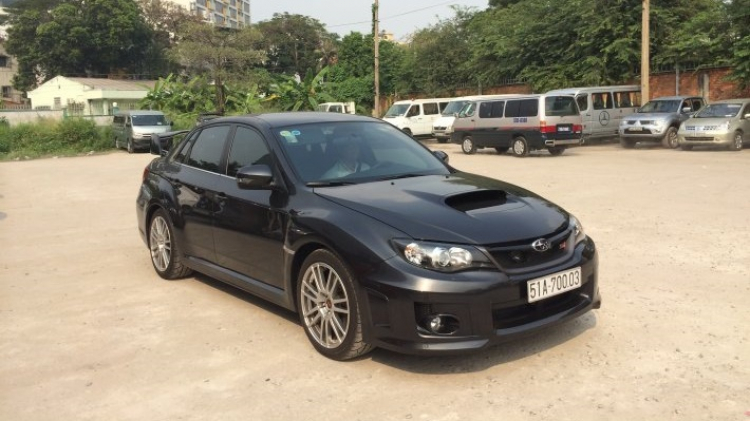
Signs Your Subaru Impreza Needs an AC Recharge
One of the first indications that your Subaru Impreza may require an AC recharge is a noticeable decline in cooling performance. If the air coming from the vents no longer feels as cold as it once did, especially during warmer weather, low refrigerant levels could be a contributing factor. Many drivers initially dismiss this issue as a minor inconvenience, but ignoring it can place additional strain on the air conditioning system.
Another common symptom is that the cabin takes much longer to cool down than usual. Even when the air conditioner is set to its lowest temperature and highest fan speed, the interior may remain uncomfortably warm. This often suggests that the refrigerant level is insufficient for the system to operate efficiently.
Frequent cycling of the AC compressor can also signal a problem. The compressor may switch on and off more often than normal as it struggles to maintain the correct pressure within the system. In some cases, drivers may hear unusual noises when the air conditioning is activated, including clicking or rattling sounds coming from the engine bay.
It is important to understand that refrigerant does not simply disappear under normal conditions. If your Subaru Impreza requires repeated AC recharges within a relatively short period, there may be a refrigerant leak somewhere in the system. Identifying and repairing leaks before adding more refrigerant can help prevent ongoing issues and unnecessary expenses.
Recognizing these warning signs early can save you from more extensive repairs and ensure that your Subaru Impreza remains comfortable to drive throughout the year.
What Type of Refrigerant Does a Subaru Impreza Use?
Before performing a Subaru Impreza AC recharge, it is essential to determine which type of refrigerant your vehicle requires. Using the wrong refrigerant can negatively affect system performance and potentially damage critical components.
Many Subaru Impreza models manufactured before the late 2010s commonly use R134a refrigerant. Newer models may utilize R1234yf, an environmentally friendlier alternative designed to reduce greenhouse gas emissions. Because refrigerant specifications vary depending on the model year and trim level, owners should never rely solely on assumptions or generic online advice.
The easiest way to verify the correct refrigerant type is by checking the information label located under the hood. This label typically provides details regarding the refrigerant specification and the recommended system capacity. Consulting the owner’s manual is another reliable method for confirming this information.
Mixing different refrigerants is strongly discouraged. Combining incompatible refrigerants can compromise cooling efficiency, contaminate recovery equipment, and increase the likelihood of costly repairs. In addition, some AC recharge kits are designed specifically for a particular refrigerant type, making it even more important to verify compatibility before beginning the procedure.
Taking a few extra minutes to confirm the correct refrigerant can prevent mistakes that may lead to reduced system performance and unnecessary repair bills.
Tools and Safety Equipment Needed for an AC Recharge
Successfully recharging the air conditioning system in a Subaru Impreza requires more than simply purchasing a can of refrigerant. Having the appropriate tools and safety equipment can improve accuracy and reduce the risk of injury or system damage.
A refrigerant recharge kit is typically the primary piece of equipment used during the process. Depending on the kit, it may include a pressure gauge that helps monitor system pressure while refrigerant is being added. More advanced users may prefer a manifold gauge set, which provides a more detailed view of both high and low side pressures.
Protective gloves and safety glasses should always be worn when handling refrigerants. Direct contact with refrigerant can cause frostbite-like injuries, while accidental exposure to the eyes may result in serious irritation or damage.
A thermometer can also be useful for measuring vent temperatures before and after the recharge process. Comparing these readings helps determine whether the procedure has improved cooling performance. Additionally, a flashlight may assist in locating service ports and inspecting visible components for signs of leaks or damage.
Vehicle owners should remember that an AC recharge is not a substitute for proper diagnostics. If there are indications of compressor failure, damaged hoses, or refrigerant leaks, professional inspection is often the safest and most effective course of action.
Preparing the right equipment before starting the job can make the entire Subaru Impreza AC recharge process smoother, safer, and more successful.
Step by Step Guide to Recharging the Subaru Impreza Air Conditioning System
Once you have confirmed that your Subaru Impreza requires additional refrigerant and have gathered the necessary equipment, you can proceed with the recharge process. Following the correct procedure is essential to ensure both safety and optimal system performance.
Begin by parking the vehicle on a flat surface in a well ventilated area. Engage the parking brake and allow the engine to cool if it has been running for an extended period. Locate the low pressure service port, which is typically identified by a cap marked with an “L.” The owner’s manual can help you find the exact location if needed.
Start the engine and set the air conditioning system to its maximum cooling setting. Turn the blower fan to the highest speed and open the windows to reduce cycling during the recharge process. Attach the recharge hose or gauge assembly to the low pressure service port according to the manufacturer’s instructions.
Before adding refrigerant, check the pressure reading to determine whether the system is actually low. If the reading confirms insufficient refrigerant, slowly introduce the correct type of refrigerant into the system. Hold the refrigerant can upright unless the product instructions specify otherwise. Periodically monitor the gauge to avoid exceeding the recommended pressure range.
As the refrigerant is added, observe changes in vent temperature and compressor operation. Once the desired pressure level is reached and the air from the vents becomes noticeably colder, disconnect the recharge equipment carefully and reinstall the protective cap on the service port.
After completing the procedure, allow the air conditioner to operate for several minutes to verify consistent cooling performance. If the system fails to cool properly or loses performance shortly afterward, additional diagnostics may be necessary to identify underlying issues.
Common Mistakes to Avoid During a Subaru Impreza AC Recharge
One of the most frequent mistakes vehicle owners make is recharging the system without first determining why refrigerant levels are low. Air conditioning systems are designed to be sealed. Significant refrigerant loss often indicates a leak that should be repaired before additional refrigerant is introduced.
Another common error involves using the wrong refrigerant type. Since different Subaru Impreza model years may require different refrigerants, assuming compatibility without verification can result in contamination and reduced efficiency. Always confirm the proper refrigerant specification before beginning the process.
Overcharging the system is equally problematic. Many people believe that adding more refrigerant will improve cooling performance. In reality, excessive refrigerant can increase system pressure, reduce efficiency, and place unnecessary stress on the compressor and other components. Monitoring pressure levels carefully during the recharge process helps prevent this issue.
Skipping safety precautions is another avoidable mistake. Refrigerants must be handled responsibly, and appropriate protective equipment should always be used. Failing to wear gloves and safety glasses exposes individuals to potential injuries associated with accidental refrigerant contact.
Finally, relying solely on recharge kits without considering professional assistance can lead to misdiagnosis. If unusual noises, persistent cooling problems, or repeated refrigerant loss occur, seeking expert evaluation is often the most cost effective solution in the long run.
Avoiding these mistakes can improve the effectiveness of the recharge process and help preserve the reliability of your Subaru Impreza’s air conditioning system.
When Should You Seek Professional Help?
Although many Subaru owners successfully perform basic AC maintenance themselves, there are situations in which professional service becomes necessary. Recognizing these circumstances can prevent additional damage and unnecessary repair expenses.
If your Subaru Impreza continues to blow warm air after a proper recharge, the problem may extend beyond low refrigerant levels. Issues involving the compressor, condenser, expansion valve, pressure switches, or electrical components often require specialized diagnostic equipment and technical expertise.
Visible signs of refrigerant leakage should also prompt professional inspection. Oily residue around AC fittings, damaged hoses, or recurring loss of cooling performance may indicate that the system has developed leaks that need to be repaired before another recharge is attempted.
Drivers who hear grinding, squealing, or persistent clicking noises when operating the air conditioner should avoid ignoring these warning signs. Compressor related failures can worsen rapidly if left unaddressed, potentially increasing repair costs significantly.
Professional technicians can perform advanced diagnostic procedures, including leak detection tests and pressure evaluations, to determine the exact cause of the problem. While a DIY recharge may seem like a convenient solution, accurate diagnosis remains essential for long term reliability.
Knowing when to seek expert assistance can save time, reduce frustration, and help ensure that your Subaru Impreza’s air conditioning system continues to provide dependable comfort during every season.
Frequently Asked Questions About Subaru Impreza AC Recharge
Does a Subaru Impreza need regular AC recharges?
Under normal conditions, the air conditioning system in a Subaru Impreza should not require frequent refrigerant recharges. Because the system is designed to be sealed, refrigerant levels should remain relatively stable over time. If your vehicle repeatedly requires additional refrigerant, there is a strong possibility that a leak exists somewhere within the system. Addressing the root cause rather than continuously adding refrigerant is the most effective long term solution.
Can I recharge my Subaru Impreza’s AC system at home?
Yes, it is possible to perform a Subaru Impreza AC recharge at home if you have the proper tools, understand the correct procedure, and use the appropriate refrigerant specified for your vehicle. However, DIY recharging may not be suitable for everyone. Individuals who are unfamiliar with automotive air conditioning systems should consider seeking professional assistance to avoid potential mistakes that could lead to expensive repairs.
How long does an AC recharge take?
In many cases, the actual recharge process can be completed within thirty to sixty minutes. The total time may vary depending on factors such as the accessibility of service ports, the need for preliminary inspections, and whether additional diagnostic procedures are required. If a refrigerant leak is suspected, the process may take significantly longer due to the need for leak detection and repairs.
What happens if too much refrigerant is added?
Overcharging an air conditioning system can negatively impact performance and place additional stress on components such as the compressor. Excess refrigerant may increase internal pressure, reduce cooling efficiency, and contribute to premature wear. For this reason, it is essential to monitor system pressure carefully and follow manufacturer recommendations regarding refrigerant capacity.
Why is my Subaru Impreza AC still not cold after a recharge?
If the air conditioning system continues to blow warm air after refrigerant has been added correctly, another issue may be present. Potential causes include compressor failure, electrical faults, clogged components, pressure switch malfunctions, or refrigerant leaks. A comprehensive diagnostic inspection can help identify the underlying problem and determine the appropriate repair strategy.
Conclusion
Performing a Subaru Impreza AC recharge correctly can restore cooling performance, improve driving comfort, and help protect important air conditioning components from unnecessary strain. Although adding refrigerant may appear to be a straightforward maintenance task, success depends on using the correct refrigerant type, following proper procedures, and understanding when professional assistance is required.
Vehicle owners should remember that low refrigerant levels often indicate an underlying issue rather than a routine maintenance need. Recharging the system without investigating potential leaks may provide only temporary relief while allowing more serious problems to develop over time. Taking a careful and informed approach can ultimately save both time and money.
Whether you choose to recharge your Subaru Impreza’s air conditioning system yourself or seek help from a qualified technician, prioritizing safety and accuracy is essential. A properly functioning AC system not only enhances comfort during hot weather but also contributes to a more enjoyable driving experience throughout the year.
Have you ever performed a Subaru Impreza AC recharge on your own? What challenges did you encounter, and what advice would you offer to other Subaru owners considering the same task? Share your experiences and insights in the comments below. Your knowledge may help fellow drivers make more confident decisions about maintaining their vehicle’s air conditioning system.